×

Hong Kong🇭🇰 | best festivalsThe Must-See 9 festivals in Hong Kong

Festivals in Hong Kong run on the lunar calendar, so dates shift every year, and most are free to watch because they happen on streets, in temple courtyards and along Victoria Harbour. The city center is the easiest to reach, with MTR stations a short walk from almost everything, but it also means the biggest crowds. Outlying islands and walled villages feel calmer, cost a little more in ferry fares and often need an early start. If you are backpacking or traveling independently, pick one local-feeling event over a spectacle, and arrive two hours early to claim a spot.

By Johan Kruseman 🇳🇱 | Updated October 19, 2026
Explore the best regions in Hong Kong

Why go?Understanding Their Importance

Hong Kong packs Chinese tradition, British colonial habits and a dense, modern city into roughly 1,100 square kilometers, and that mix shapes how festivals feel here. Rituals that vanished or went quiet elsewhere survived in neighborhoods, temples and village clans, and they still sit beside skyscrapers and tram lines. The city is also tiny and well connected, so you can see a temple ritual in the morning and a harbor event that night without a single long transfer.

The calendar is mostly lunar, which means you cannot rely on the same Gregorian date each year. Check the dates a few months out, because hotel prices jump when a major holiday or a big public event lands. Many festivals are also public holidays, so expect shops to close, transport to run at holiday frequency and crowds to swell … read more 👉
Hong Kong packs Chinese tradition, British colonial habits and a dense, modern city into roughly 1,100 square kilometers, and that mix shapes how festivals feel here. Rituals that vanished or went quiet elsewhere survived in neighborhoods, temples and village clans, and they still sit beside skyscrapers and tram lines. The city is also tiny and well connected, so you can see a temple ritual in the morning and a harbor event that night without a single long transfer.

The calendar is mostly lunar, which means you cannot rely on the same Gregorian date each year. Check the dates a few months out, because hotel prices jump when a major holiday or a big public event lands. Many festivals are also public holidays, so expect shops to close, transport to run at holiday frequency and crowds to swell around the best viewing areas.

Before you commit, know that weather matters here: humidity, heat and typhoon season can change plans at short notice, and some outdoor events get postponed. Accommodation is expensive by regional standards, so book early. The upside is a safe, walkable, easily navigated city where a first-timer can follow a festival crowd with confidence and a veteran can still find a quieter corner.
How the List Was Created
The list of best festivals in Hong Kong is created based on energy, traditions, crowd experience, activities, and overall excitement. If you feel a festival is missing in this list, please let us know.

When to go?Seasonal Guide to Visiting

Best Months: The best months for festivals in Hong Kong are October to December, plus February and March, because the air dries out, humidity falls and daytime highs sit around 18 to 28°C instead of the 31 to 33°C of summer. Rain is light in these months, so outdoor events rarely get washed out and you can stand in a crowd without feeling soaked.
Shoulder Seasons: Late January to March is cooler, with highs of roughly 15 to 22°C, so bring a light jacket for evenings. Early spring can bring fog and drizzle, and a few damp days are normal. April and May warm up and turn muggy, though prices ease slightly outside the big holiday weeks.
Summer and Peak Periods: From June to September, expect heat, humidity above 80 percent and heavy rain, with typhoon signals possible from roughly July to September. … read more 👉
Best Months: The best months for festivals in Hong Kong are October to December, plus February and March, because the air dries out, humidity falls and daytime highs sit around 18 to 28°C instead of the 31 to 33°C of summer. Rain is light in these months, so outdoor events rarely get washed out and you can stand in a crowd without feeling soaked.
Shoulder Seasons: Late January to March is cooler, with highs of roughly 15 to 22°C, so bring a light jacket for evenings. Early spring can bring fog and drizzle, and a few damp days are normal. April and May warm up and turn muggy, though prices ease slightly outside the big holiday weeks.
Summer and Peak Periods: From June to September, expect heat, humidity above 80 percent and heavy rain, with typhoon signals possible from roughly July to September. Events can be postponed, so keep dates flexible and leave a spare day. Peak crowds and top hotel rates cluster around Lunar New Year and the October and Christmas holidays, when rooms can cost 30 to 60 percent more than a quiet week. Book accommodation two to three months ahead, and check the Hong Kong Observatory forecast the day before you go.

festival hoppingOptimizing Your Multi-Stop Itinerary

How Many Days: A trip combining several festivals in Hong Kong needs 5 to 8 days, because the city is compact but festival dates cluster around specific nights and holidays, and you will want slack for weather. Hong Kong Island, Kowloon, the New Territories and the outlying islands are the four zones that matter, and the MTR links most of them within 20 to 45 minutes.
Direction of Travel: Start on Hong Kong Island and Kowloon, which share harbor views and the densest transport, then move out to the New Territories and finish on an outlying island such as Cheung Chau or Lantau, where ferries from Central Pier take 35 to 60 minutes. That order lets you settle in, then trade crowds for calmer village-style days at the end. Give each stop half a day to a full day and plan one slow morning after … read more 👉
How Many Days: A trip combining several festivals in Hong Kong needs 5 to 8 days, because the city is compact but festival dates cluster around specific nights and holidays, and you will want slack for weather. Hong Kong Island, Kowloon, the New Territories and the outlying islands are the four zones that matter, and the MTR links most of them within 20 to 45 minutes.
Direction of Travel: Start on Hong Kong Island and Kowloon, which share harbor views and the densest transport, then move out to the New Territories and finish on an outlying island such as Cheung Chau or Lantau, where ferries from Central Pier take 35 to 60 minutes. That order lets you settle in, then trade crowds for calmer village-style days at the end. Give each stop half a day to a full day and plan one slow morning after any late night.
Common Mistakes: The biggest mistake is stacking two evening events in far-apart districts. Last trains and ferries thin out after about 11 pm, so a single missed boat can strand you. Choose one major event per day, base yourself near an MTR line, and book ferry tickets or arrive early when a holiday is on. Travelers also underestimate crowd crush, so move toward exits before the final act ends. Keep a buffer day for a typhoon or heavy rain.

The ListTop festivals of Hong Kong

1 Chinese New Year

flower markets, lion dances, fireworks

Navigate packed streets filled with festive displays, catch traditional performances, and witness the city’s largest annual celebration unfold over several days.

2 Cheung Chau Bun Festival

towering bun stacks, island procession, Taoist rituals

Watch locals scale bamboo towers for buns, join parades through narrow lanes, and experience a unique blend of folk and religious customs.

3 Dragon Boat Festival

harbor races, glutinous rice dumplings, drumming

Stand along the waterfront as teams paddle in sync, sample festival foods, and feel the energy of a centuries-old sporting tradition.

4 Mid-Autumn Festival

lantern displays, mooncakes, Victoria Park gatherings

Stroll under glowing lanterns, taste seasonal pastries, and join crowds celebrating with family-friendly activities after sundown.

5 Tai Hang Fire Dragon Dance

incense-studded dragon, narrow streets, community ritual

Follow a fiery dragon weaving through tight alleys, surrounded by smoke and rhythmic drumming in a tradition rooted in local legend.

6 Hong Kong Sevens

rugby matches, stadium crowds, themed costumes

Experience fast-paced games, lively stands filled with fans in costume, and a festival atmosphere that spills into the city’s nightlife.

7 Hong Kong Arts Festival

international performances, theatre, concert halls

Attend world-class productions in major venues, discover experimental works, and meet artists shaping the city’s creative landscape.

8 Hong Kong International Film Festival

premieres, indie cinema, director Q&As

Catch new releases and rare screenings, attend post-film discussions, and explore the city’s role as a hub for Asian cinema.

9 Hong Kong Wine and Dine Festival

harborfront tastings, global cuisine, wine pavilions

Sample international wines and gourmet dishes outdoors, with skyline views and curated pairings from chefs and sommeliers.

Loading the map 🌍

Expert viewPro Tips for Exploring the Best

How Many Festivals: Aim for two to four festivals on a single trip. Hong Kong is small, so the limit is energy and crowd tolerance rather than distance, and two to four lets you rest, shower and recover between late nights. Pack in more and they blur into one noisy, humid memory.
Which Kind to Prioritize: If you want local texture, prioritize temple and village events, which are usually free and run on a neighborhood scale. If you like visual impact, choose a harbor or city-wide spectacle, though you should arrive early because the best spots fill hours ahead. Families and first-timers do best with one big, easy-access event and one calmer one. Travelers short on time can focus on a single holiday week, when several events fall close together.
Budget: Budget US$60 to 110 a day (about HK$470 … read more 👉
How Many Festivals: Aim for two to four festivals on a single trip. Hong Kong is small, so the limit is energy and crowd tolerance rather than distance, and two to four lets you rest, shower and recover between late nights. Pack in more and they blur into one noisy, humid memory.
Which Kind to Prioritize: If you want local texture, prioritize temple and village events, which are usually free and run on a neighborhood scale. If you like visual impact, choose a harbor or city-wide spectacle, though you should arrive early because the best spots fill hours ahead. Families and first-timers do best with one big, easy-access event and one calmer one. Travelers short on time can focus on a single holiday week, when several events fall close together.
Budget: Budget US$60 to 110 a day (about HK$470 to 860) for a mid-range backpacker, with dorm beds at HK$200 to 450 and private rooms from HK$600 and up. Most festival viewing is free, while ticketed events and reserved seating can run HK$150 to 800 (US$20 to 100). Local meals cost HK$40 to 90 (US$5 to 12), the MTR HK$5 to 55 a ride, and ferries to outlying islands HK$17 to 50 each way. Buy an Octopus card, which covers trains, buses, ferries and many shops. Festival weeks lift hotel rates sharply, so book early.
Safety and Culture: Hong Kong is very safe, with low violent crime. The real risks are crowd crush, heat and sudden rain, so avoid squeezing into narrow lanes and keep an exit in mind. Pickpocketing is uncommon but happens in dense crowds, so keep bags zipped in front of you. Police and event staff manage crowds firmly, and following their barriers and signage is not optional.

At temples, dress modestly, keep your voice down, and never point your feet at altars. Ask before photographing worshippers up close, and do not touch offerings. Incense smoke can be heavy, so bring a mask if you have asthma. Carry a small umbrella, water and a portable charger, and check typhoon signals, since a Signal 8 shuts down transport and cancels outdoor events.

✈️ The backpacker research shortcutHong Kong Travel Guide

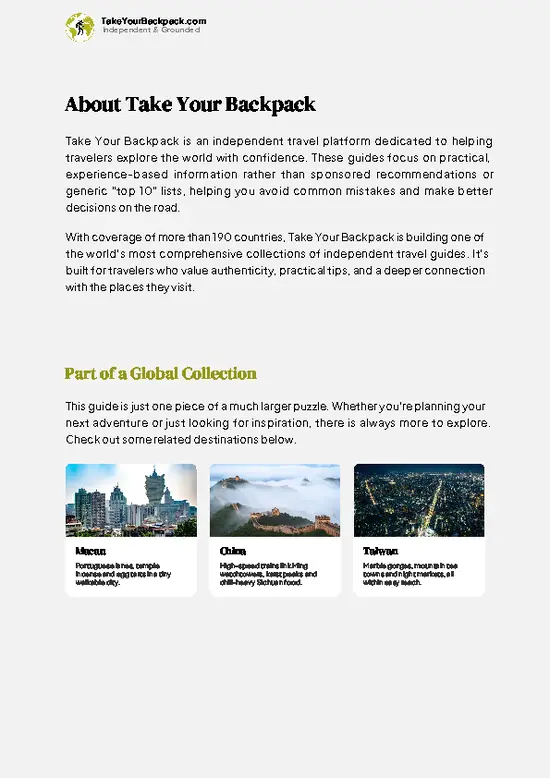
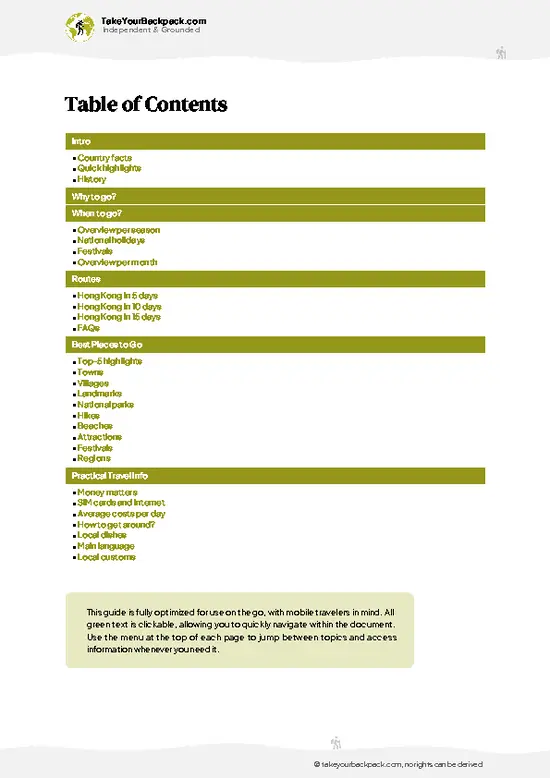
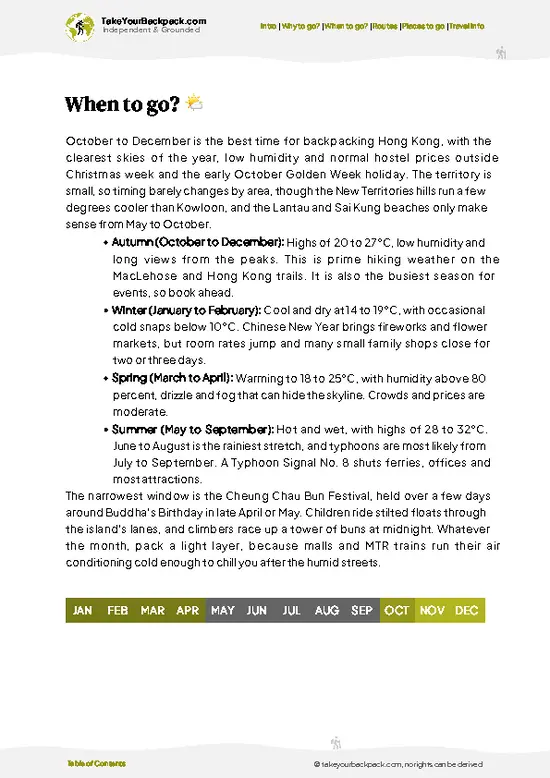
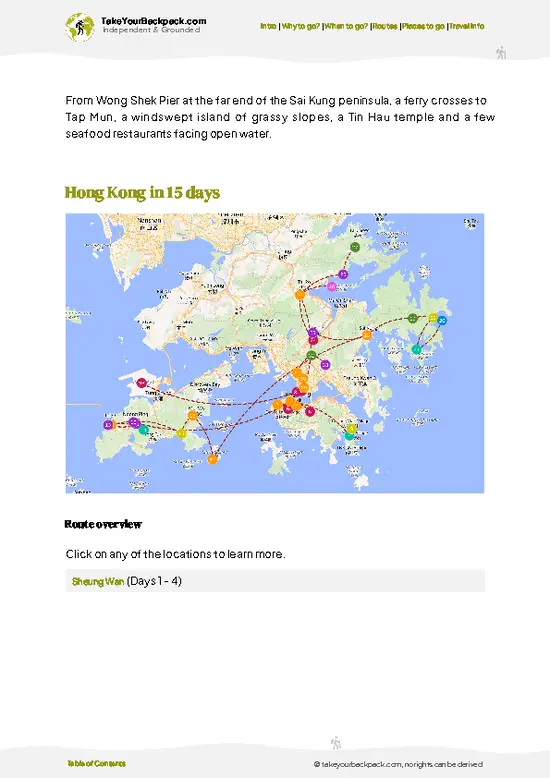
An offline-friendly backpacking guide with optimized travel routes, ranked highlights, transport advice, and the best areas to stay.
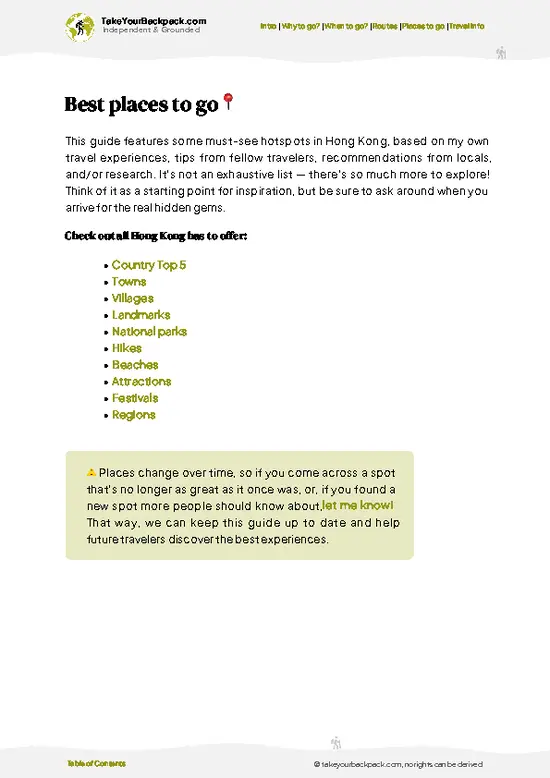
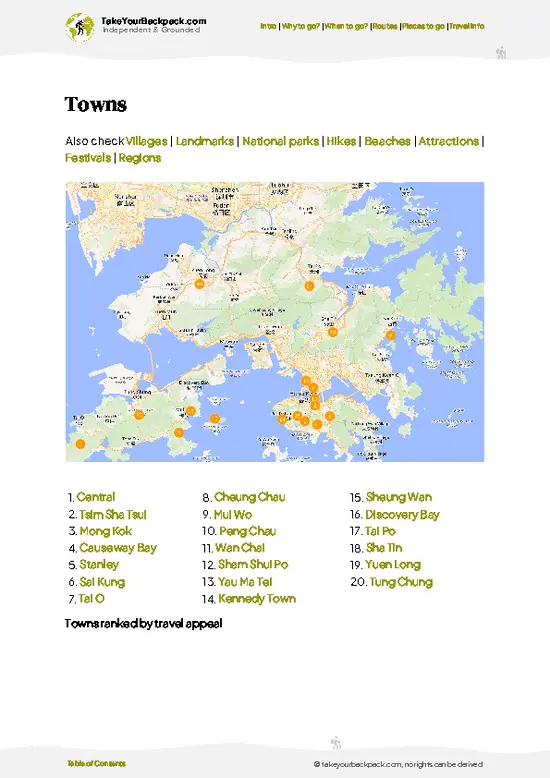
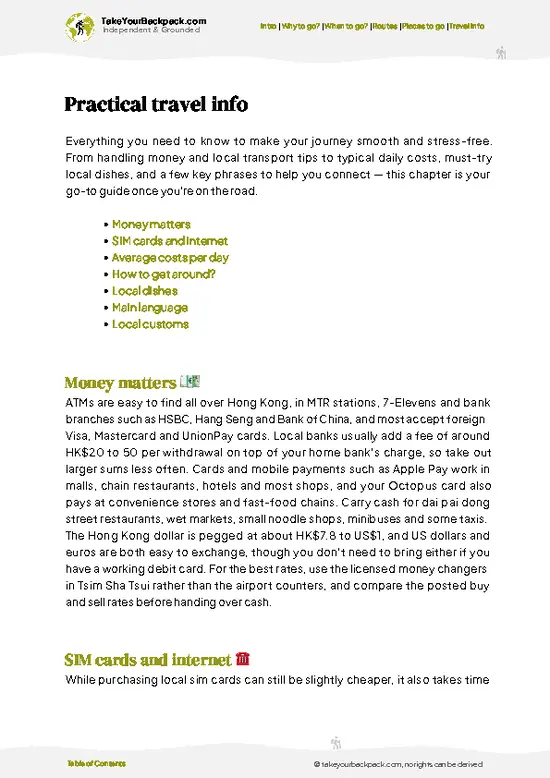
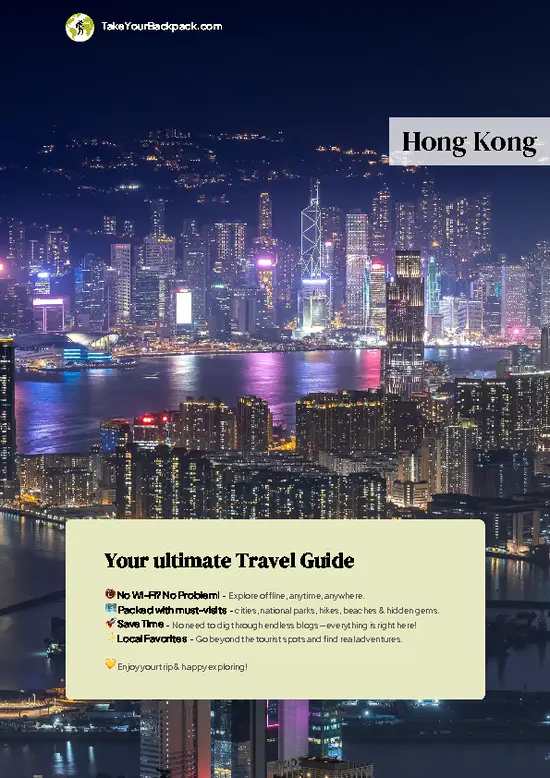
example page 0 from our offline Travel Guide for Hong Kong
example page 1 from our offline Travel Guide for Hong Kong
example page 2 from our offline Travel Guide for Hong Kong
example page 3 from our offline Travel Guide for Hong Kong
example page 4 from our offline Travel Guide for Hong Kong
example page 5 from our offline Travel Guide for Hong Kong
example page 6 from our offline Travel Guide for Hong Kong
example page 7 from our offline Travel Guide for Hong Kong
The digital guide (359 pages) contains:
✅ 97 highlights, ranked by travel appeal
✅ Optimized 5, 10 & 15-day travel routes
✅ Cities, national parks, landmarks, beaches
✅ How to get around
✅ Offline-friendly for travel without Wi-Fi
👉 Click to see all 30+ guide features

📅 Plan smarter in minutes, not weeks
✅ Month by month travel advice
✅ Festivals & national holidays
✅ Budget expectations

🗺️ Go to the right places, skip the overrated ones
✅ Honest pros & cons of destinations
✅ Top hikes, parks & viewpoints
✅ Lesser-known places most travelers miss
✅ Clear “worth it vs skip it” guidance

🛏️ Travel smoothly without rookie mistakes
✅ Best areas to stay
✅ Transport systems explained simply
✅ Common scams & safety advice
✅ SIM cards, money & practical tips

🌍 Understand the country, not just visit it
✅ Culture & traditions
✅ 52 Essential phrases & customs
✅ Festivals worth planning around
✅ Traveler-friendly historical context
✅ Insights that make places more meaningful

📱 Built for real travel conditions
✅ Fully downloadable PDF
✅ Works completely offline
✅ Optimized for phone use
✅ Useful in remote areas & buses
✅ Everything in one place
Stop searching, start planning
Get instant access to your full guide. 30‑day money-back guarantee.
+ Add another guide for just

By proceeding you agree to our terms.
Sent to your inbox immediately after payment • 100% Secure Checkout
Best Backpacking Travel Advisor 2025 tourism awardBest Backpacking
Travel Advisor
2025
What others say about Take Your Backpack Guides:
⭐⭐⭐⭐⭐
Fantastic, amazing amount of information!
⭐⭐⭐⭐⭐
My goodness this is amazing, it's what I've been looking for hats off too you!
⭐⭐⭐⭐⭐
I think this is absolutely BRILLIANT
⭐⭐⭐⭐
Very complete and informative. It's still missing places, but I gotta to commend you
⭐⭐⭐⭐⭐
This is truly amazing, thank you, can't wait to explore it with my kids!
⭐⭐⭐⭐⭐
Awesome resource, thank you!
⭐⭐⭐⭐⭐
This is amazing! Can't wait to explore the ones I haven't seen
⭐⭐⭐⭐
I love this! Well done, great idea.
⭐⭐⭐⭐⭐
Thanks for taking the time to make this gem!
⭐⭐⭐⭐⭐
This might be the best website I've ever seen.
⭐⭐⭐⭐⭐
Congratulations, and thank you so much for your work; it's incredibly valuable.
⭐⭐⭐⭐
In all seriousness I think you did a great job pointing out the important spots
⭐⭐⭐⭐⭐
10/10 very good
⭐⭐⭐⭐⭐
As someone who's only just starting to visit regularly this is awesome, thank you.
⭐⭐⭐⭐
Thank you very much! I'm going to visit my dad, it's going to be very useful!
⭐⭐⭐⭐⭐
This is really cool! We'll be travelling for the first time and this definitely come in handy.
⭐⭐⭐⭐⭐
You are now our minister of culture, congratulations 👨‍💼
⭐⭐⭐⭐⭐
Just wanted to tell you that this is a pearl! Going to follow your recommendations.
⭐⭐⭐⭐⭐
This is so cool. I'll definitely be using the resource for my travels soon.
⭐⭐⭐⭐⭐
This is very impressive! Good work.
⭐⭐⭐⭐⭐
This is an amazing and informative site. Very well done!

🛏️ Where to stay?Top Places to Consider Staying

Hong Kong has plenty of hostels and guesthouses, with dorm beds typically running HK$150 to 350 (US$20 to 45) a night and private rooms often the size of a closet. Tsim Sha Tsui puts you on the harbor promenade with the densest cluster of cheap guesthouses, though the older blocks can feel cramped and hectic, while Mong Kok and Yau Ma Tei are a bit cheaper, close to the night markets and street food, and very loud until late. On Hong Kong Island, Causeway Bay and Wan Chai keep you near shopping and the bar scene, and Sheung Wan is quieter and more local but pricier per bed, and the whole city stays very safe after dark.

If you enjoy meeting fellow travelers, consider choosing hostels with high … read more 👉
Hong Kong has plenty of hostels and guesthouses, with dorm beds typically running HK$150 to 350 (US$20 to 45) a night and private rooms often the size of a closet. Tsim Sha Tsui puts you on the harbor promenade with the densest cluster of cheap guesthouses, though the older blocks can feel cramped and hectic, while Mong Kok and Yau Ma Tei are a bit cheaper, close to the night markets and street food, and very loud until late. On Hong Kong Island, Causeway Bay and Wan Chai keep you near shopping and the bar scene, and Sheung Wan is quieter and more local but pricier per bed, and the whole city stays very safe after dark.

If you enjoy meeting fellow travelers, consider choosing hostels with high ratings for atmosphere. On the other hand, if you prefer having your own space, a hotel might be a better option.

Hong KongMore Places Across Hong Kong

👋 Meet the founderWho’s Behind Take Your Backpack?

Johan, backpacker and founder of TakeYourBackpackHi, I’m Johan (Netherlands 🇳🇱), the creator of TakeYourBackpack. Over the past 3 decades, I’ve backpacked through 90+ countries across six continents, gaining extensive experience with independent travel, long-term trips, and overland routes.

This site is built on a combination of firsthand travel experience and carefully curated insights from other backpackers. Many guides are based on places I’ve personally visited, while others bring together tips, observations, and practical advice shared by trusted travelers I’ve met along the way.

The goal is to provide realistic, experience-driven guidance — not generic itineraries — so you can explore destinations with better context, clearer expectations, and more confidence.