v2.webp)
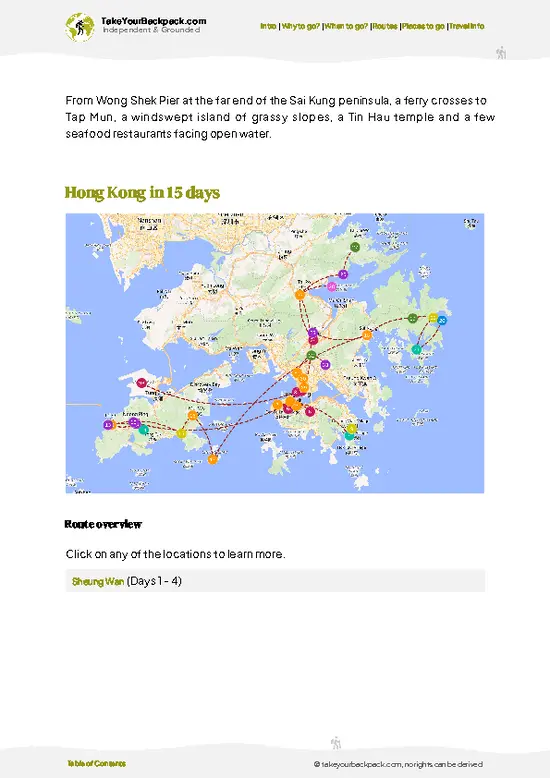
- Main Shrine to Wong Tai Sin — The heart of the complex and the reason most people come: a bright, heavily adorned altar where worshippers come to pray for health and luck. The devotion here is tangible — people burn incense, leave offerings, and the shrine’s reputation for “granting wishes” is what turned the temple into a major pilgrimage spot.
- Kau Cim (Fortune-telling) — The bamboo stick lottery is the classic hands-on tradition: you shake a tube of numbered sticks until one falls out, then exchange that number for a written oracle. It’s noisy, theatrical and surprisingly accessible — walk up, give it a go, and expect a friendly interpreter nearby if you don’t read the classical Chinese text.
- Striking Traditional Chinese Architecture — Think glossy green tiles, red lacquered pillars,
- Main Shrine to Wong Tai Sin — The heart of the complex and the reason most people come: a bright, heavily adorned altar where worshippers come to pray for health and luck. The devotion here is tangible — people burn incense, leave offerings, and the shrine’s reputation for “granting wishes” is what turned the temple into a major pilgrimage spot.
- Kau Cim (Fortune-telling) — The bamboo stick lottery is the classic hands-on tradition: you shake a tube of numbered sticks until one falls out, then exchange that number for a written oracle. It’s noisy, theatrical and surprisingly accessible — walk up, give it a go, and expect a friendly interpreter nearby if you don’t read the classical Chinese text.
- Striking Traditional Chinese Architecture — Think glossy green tiles, red lacquered pillars, layered eaves and carved dragons everywhere. The craftsmanship is vivid and photogenic; the colors and details make it a standout example of 20th-century temple design in Hong Kong.
- Blending of Taoism, Buddhism and Confucianism — Unlike single-sect shrines, Wong Tai Sin shows ritual and iconography from multiple Chinese traditions. That interfaith overlap — different altars, prayers and statues in one compound — gives the site a unique cultural richness.
- Incense-filled Courtyards and Ritual Atmosphere — The sight and smell of hanging incense coils, clouds of smoke drifting through open halls, and rows of devotees create a dense sensory experience. It’s not just visual: the atmosphere feels like an ongoing communal ceremony.
- Calm Gardens and Pavilions — Behind the busy front areas you’ll find quieter ponds, rockeries and small pavilions where locals sit and reflect. It’s a nice contrast to the crowded courtyards and a good place to slow down for a few minutes.
- Festival Energy — Especially Lunar New Year and Pilgrimage Days — On big dates the temple explodes with color, flowers, lion dances and long queues of devotees. If you want the full cultural overload, time your visit for a major festival; if you want peace, visit on a weekday morning instead.
Spotted a mistake or missing something? Contact us.

Half-Day or Full- Day Private Custom Walking Tour of Hong Kong

Private Hong Kong Car Tour - Half Day or Full Day

Full-Day Private Customized Walking Tour of Hong Kong

Hong Kong Layover Private 6-Hour Tour by Public Transport

Hong Kong City Highlights and Hidden Gems by Private Car

Hong Kong|Cruise Terminal Pickup with Sightseeing Private Tour

Experience Hong Kong in 1 day: discover the best

Small-Group/ Private Tour: Temples & Markets Discovering

Private Full Day Sightseeing Tour of Kowloon in Hong Kong


 Best Backpacking
.jpg) Hi, I’m Johan (Netherlands 🇳🇱), the creator of TakeYourBackpack. Over the past 3 decades, I’ve backpacked through 90+ countries across six continents, gaining extensive experience with independent travel, long-term trips, and overland routes.
Hi, I’m Johan (Netherlands 🇳🇱), the creator of TakeYourBackpack. Over the past 3 decades, I’ve backpacked through 90+ countries across six continents, gaining extensive experience with independent travel, long-term trips, and overland routes.