×

Iceland🇮🇸 | national parksHornstrandir Nature Reserveremote cliffs, Arctic fox habitat, wildflower meadows | things to do and best time to go

Explore ÞingvellirExplore Þórsmörk

Backpacking in Hornstrandir Nature Reserve
👍 Recommendednational park ranked #5
By Johan Kruseman 🇳🇱 | Updated September 4, 2026

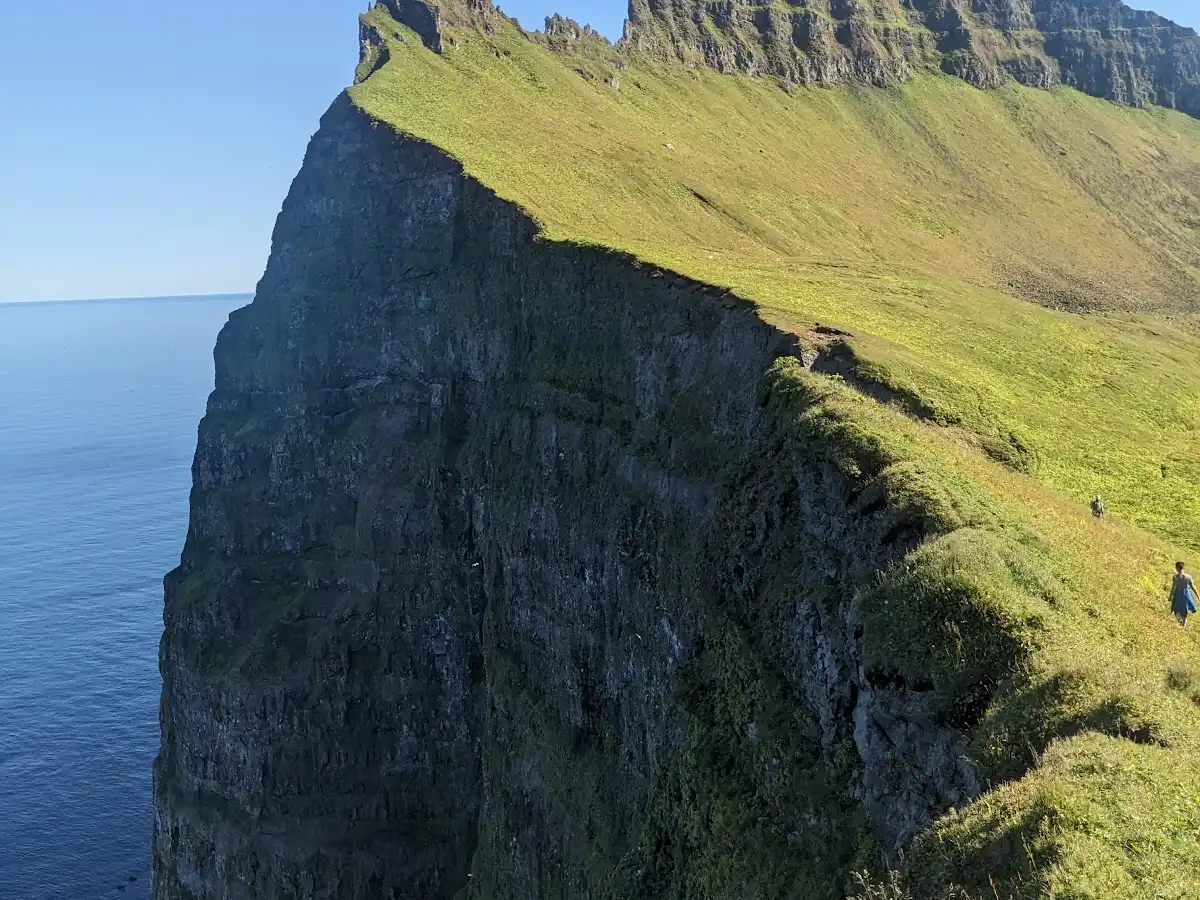
Most people only realize after they leave Hornstrandir that the real luxury there is silence: no roads, no shops, no generators humming through the night, just your own footsteps and the wind. Hornstrandir Nature Reserve sits at the far northern tip of the Westfjords, across the water from Ísafjörður, and it feels like Iceland before tourism became an industry. Trails are rough, often unmarked, and the scenery is harsh in a good way—sheer cliffs, snow patches in July, foxes trotting through camp. Access is the main tax: boat transfers are pricey, departures weather‑dependent, and there are no facilities, just wild camping and a few basic huts that book out early. Compared with Snæfellsjökull or Vatnajökull, Hornstrandir has fewer “wow” viewpoints but far more solitude; it’s less Instagram, more expedition, and that’s exactly its value.

Discover everything you want to know in the 📖 Iceland Travel Guide.


Get your Iceland guide
62 ranked highlights, routes & tips, works offline (240 pages)
Loading the map 🌍
CLICK TO FILTER
cities
towns
villages
landmarks
national parks
hikes
beaches
attractions
festivals
regions
SHOW COUNTRY’S BESTSHOW ALL

✨ Why go?
Ranked #5 national park in Iceland
Reasons people choose to explore here

Hornstrandir Nature Reserve attracts backpackers for several compelling reasons. First, its independent exploration opportunities are unmatched. You can roam freely across rugged landscapes without the constraints of guided tours. This park is a haven for those who thrive on self-guided adventures.

Budget-conscious travelers will appreciate the camping options. There are designated sites where you can pitch your tent, and nearby hostels offer affordable beds for those who prefer a roof over their heads. This flexibility allows you to stretch your budget while soaking in the stunning scenery.

The trail variety is another draw. Whether you’re seeking challenging hikes or leisurely walks, Hornstrandir has something for everyone. You can choose routes that lead to dramatic cliffs or serene beaches, … read more 👉
Hornstrandir Nature Reserve attracts backpackers for several compelling reasons. First, its independent exploration opportunities are unmatched. You can roam freely across rugged landscapes without the constraints of guided tours. This park is a haven for those who thrive on self-guided adventures.

Budget-conscious travelers will appreciate the camping options. There are designated sites where you can pitch your tent, and nearby hostels offer affordable beds for those who prefer a roof over their heads. This flexibility allows you to stretch your budget while soaking in the stunning scenery.

The trail variety is another draw. Whether you’re seeking challenging hikes or leisurely walks, Hornstrandir has something for everyone. You can choose routes that lead to dramatic cliffs or serene beaches, all while enjoying the solitude that comes with being off the beaten path.

In essence, Hornstrandir is perfect for those who want to embrace the wild on their own terms, making it a top choice for self-sufficient backpackers.
Want to include Hornstrandir Nature Reserve in your Iceland route?
Create a personalized Iceland itinerary that includes Hornstrandir Nature Reserve and the places that fit your trip — based on your travel style, budget, and available time. Get your route in seconds.

Generate my trip

💡 HighlightsMust-see experiences and standout moments

  • Hornvík Bay — A horseshoe-shaped, tundra-fringed bay with a long gravel beach and glassy water; it’s the classic Hornstrandir landing and camp spot, perfect for wild camping, watching seals and seabirds from the shore, and starting multi-day hikes. (Personal favorite — it’s just the right mix of scenery, solitude and easy access to trails.)
  • Hornbjarg Cliffs — Sheer basalt cliffs that plunge into the ocean, buzzing with nesting seabirds in summer. The scale and sheer drop-offs are jaw-dropping; great photo angles and an honest reminder this place is properly wild.
  • Hesteyri and the old fishing stations (Ösvör) — Tiny, abandoned settlements with restored boathouses and drying racks that show how people once eked out a living here. They’re atmospheric, useful as shelter/waypoints on hikes,
read more 👉
  • Hornvík Bay — A horseshoe-shaped, tundra-fringed bay with a long gravel beach and glassy water; it’s the classic Hornstrandir landing and camp spot, perfect for wild camping, watching seals and seabirds from the shore, and starting multi-day hikes. (Personal favorite — it’s just the right mix of scenery, solitude and easy access to trails.)
  • Hornbjarg Cliffs — Sheer basalt cliffs that plunge into the ocean, buzzing with nesting seabirds in summer. The scale and sheer drop-offs are jaw-dropping; great photo angles and an honest reminder this place is properly wild.
  • Hesteyri and the old fishing stations (Ösvör) — Tiny, abandoned settlements with restored boathouses and drying racks that show how people once eked out a living here. They’re atmospheric, useful as shelter/waypoints on hikes, and make the human history feel tangible.
  • Arctic fox encounters — Hornstrandir is one of Iceland’s best spots to see arctic foxes in the wild. They’re curious and sometimes unbothered by people, but remember: don’t feed or approach—watch quietly and keep your distance for their safety.
  • Seabird colonies and stacks — Beyond Hornbjarg, smaller headlands and sea stacks are alive with puffins, guillemots, kittiwakes and fulmars in summer. If you’re into birdwatching or photography, the sheer density of nesting birds is unforgettable.
  • Remote hiking routes — Routes like the Hornvík-Hesteyri traverse dramatic coastlines, river crossings, and empty valleys. Trails aren’t formalized everywhere, so navigation and basic wilderness skills matter—bring good maps, boot-in grit, and patience for bogs.
  • Wild tundra, wildflowers and wide light — In summer the low-lying tundra blooms with colorful arctic flowers, and the light feels huge — long golden evenings or midnight sun depending on season. The silence and scale here are as much the attraction as any single viewpoint.
Spotted a mistake or missing something? Contact us.

Things to do near Hornstrandir Nature Reserve

Ratings based on Tripadvisor reviews. When you book through this link, you support our work at no extra cost to you.

🌤️ When to go?Seasonal considerations and timing


  • Weather: Summer months (June to August) bring the most stable weather, but expect sudden shifts—rain and wind are common. Winter is harsh and mostly inaccessible due to snow and ice.

  • Temperature: In summer, temperatures hover between 5°C and 12°C (41°F to 54°F). It rarely gets warmer, so pack layers. Winter temperatures plunge well below freezing, making backpacking impractical.

  • Daylight Hours: Midnight sun dominates June and early July, offering nearly 24 hours of light. This extends hiking time but can disrupt sleep. Late August sees a rapid decrease in daylight, limiting daily trekking hours.

  • Crowds: Peak season in July brings the most visitors, especially on popular trails. Early June and late August offer quieter experiences without sacrificing weather quality.

  • Seasonal Activities:
read more 👉

  • Weather: Summer months (June to August) bring the most stable weather, but expect sudden shifts—rain and wind are common. Winter is harsh and mostly inaccessible due to snow and ice.

  • Temperature: In summer, temperatures hover between 5°C and 12°C (41°F to 54°F). It rarely gets warmer, so pack layers. Winter temperatures plunge well below freezing, making backpacking impractical.

  • Daylight Hours: Midnight sun dominates June and early July, offering nearly 24 hours of light. This extends hiking time but can disrupt sleep. Late August sees a rapid decrease in daylight, limiting daily trekking hours.

  • Crowds: Peak season in July brings the most visitors, especially on popular trails. Early June and late August offer quieter experiences without sacrificing weather quality.

  • Seasonal Activities: Summer is the only viable season for hiking and camping. Birdwatching peaks in June and July, while late summer offers better chances to spot Arctic foxes.

  • Price Fluctuations: Boat transfers to Hornstrandir spike in summer due to demand. Booking early can save money; off-peak months see fewer services and higher logistical costs.


Pro-tip: Aim for early June or late August to dodge crowds and enjoy reasonable weather—your energy and wallet will thank you.


source: climatestotravel.comJANJanuary: below average for travelingFEBFebruary: below average for travelingMARMarch: below average for travelingAPRApril: fair for travelingMAYMay: good for travelingJUNJune: highly recommended for travelingJULJuly: excellent for travelingAUGAugust: highly recommended for travelingSEPSeptember: fair for travelingOCTOctober: below average for travelingNOVNovember: below average for travelingDECDecember: below average for traveling
iceland-national-park-hornstrandir-nature-reserve
© Google |

✈️ The backpacker research shortcutIceland Travel Guide

An offline-friendly backpacking guide with optimized travel routes, ranked highlights, transport advice, and the best areas to stay.
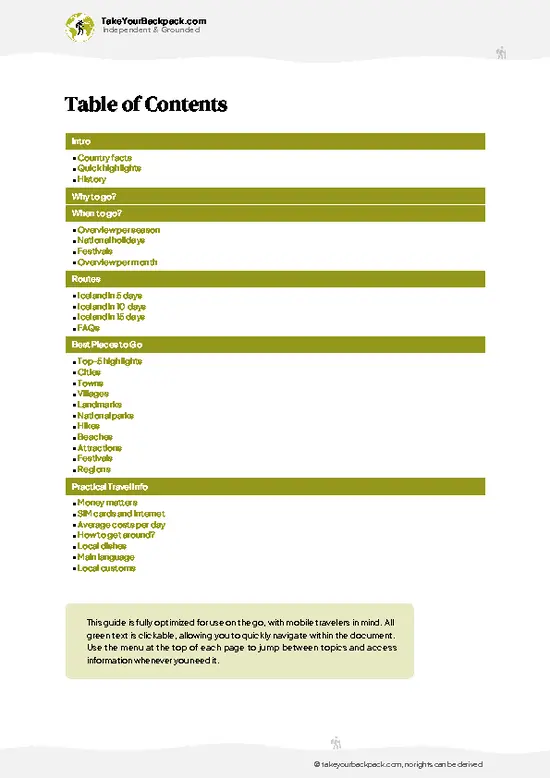
example page 0 from our offline Travel Guide for Iceland
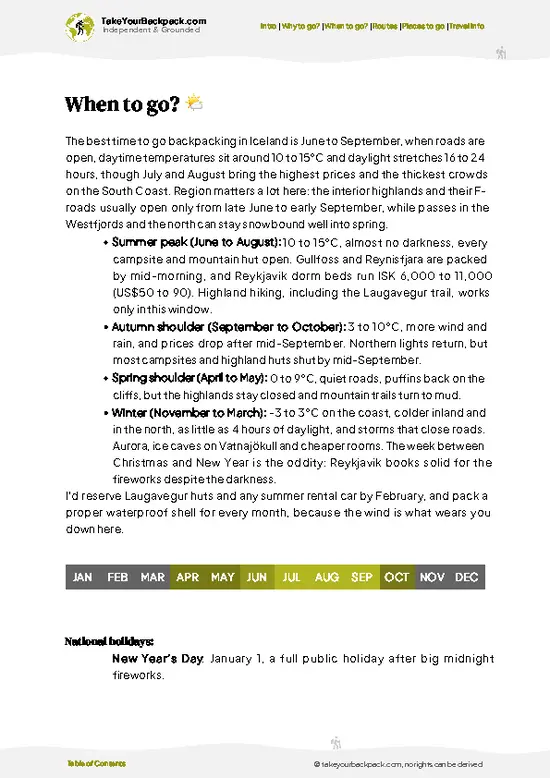
example page 1 from our offline Travel Guide for Iceland
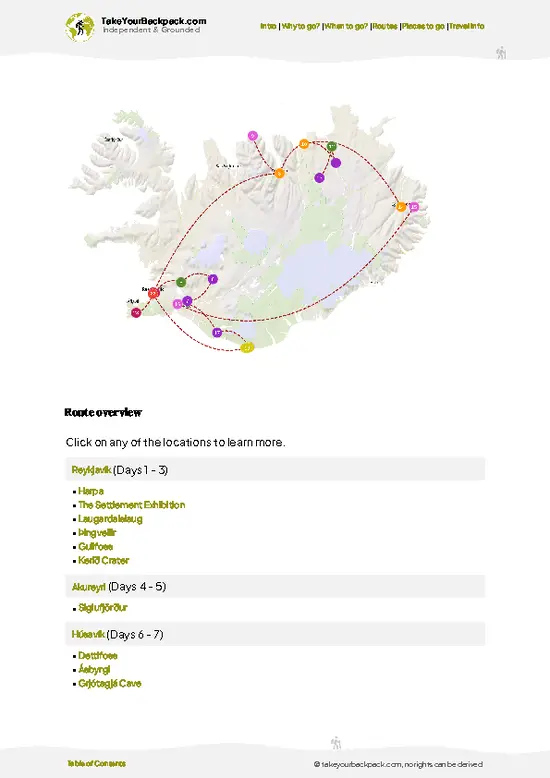
example page 2 from our offline Travel Guide for Iceland
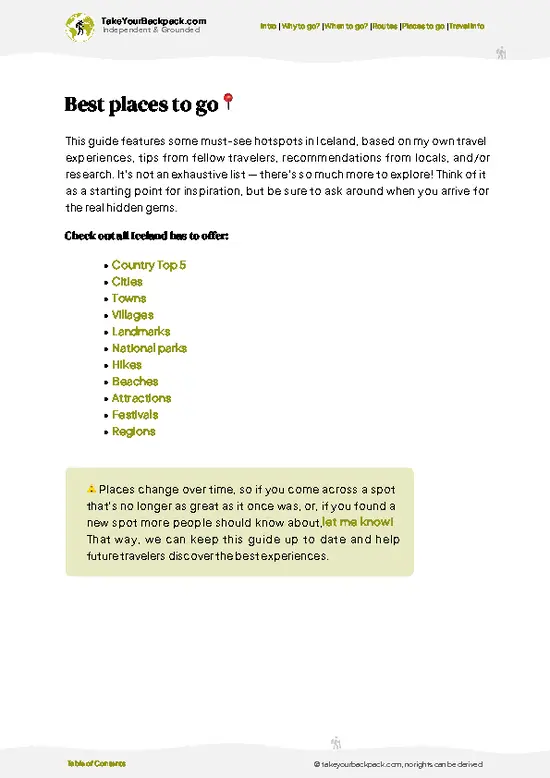
example page 3 from our offline Travel Guide for Iceland
example page 4 from our offline Travel Guide for Iceland
example page 5 from our offline Travel Guide for Iceland
example page 6 from our offline Travel Guide for Iceland
example page 7 from our offline Travel Guide for Iceland
The digital guide (240 pages) contains:
62 highlights, ranked by travel appeal
Optimized 5, 10 & 15-day travel routes
Cities, national parks, landmarks, beaches
How to get around
Offline-friendly for travel without Wi-Fi
👉 Click to see all 30+ guide features

📅 Plan smarter in minutes, not weeks
Month by month travel advice
Festivals & national holidays
Budget expectations

🗺️ Go to the right places, skip the overrated ones
Honest pros & cons of destinations
Top hikes, parks & viewpoints
Lesser-known places most travelers miss
Clear “worth it vs skip it” guidance

🛏️ Travel smoothly without rookie mistakes
Best areas to stay
Transport systems explained simply
Common scams & safety advice
SIM cards, money & practical tips

🌍 Understand the country, not just visit it
Culture & traditions
52 Essential phrases & customs
Festivals worth planning around
Traveler-friendly historical context
Insights that make places more meaningful

📱 Built for real travel conditions
Fully downloadable PDF
Works completely offline
Optimized for phone use
Useful in remote areas & buses
Everything in one place
Save weeks of stressful planning
Get instant access to your full guide. 30‑day money-back guarantee.
+ Add another guide for just US$7.80

By proceeding you agree to our terms.
Sent to your inbox immediately after payment • 100% Secure Checkout
Best Backpacking Travel Advisor 2025 tourism awardBest Backpacking
Travel Advisor
2025
What others say about Take Your Backpack Guides:
⭐⭐⭐⭐⭐
Fantastic, amazing amount of information!
⭐⭐⭐⭐⭐
My goodness this is amazing, it's what I've been looking for hats off too you!
⭐⭐⭐⭐⭐
I think this is absolutely BRILLIANT
⭐⭐⭐⭐
Very complete and informative. It's still missing places, but I gotta to commend you
⭐⭐⭐⭐⭐
This is truly amazing, thank you, can't wait to explore it with my kids!
⭐⭐⭐⭐⭐
Awesome resource, thank you!
⭐⭐⭐⭐⭐
This is amazing! Can't wait to explore the ones I haven't seen
⭐⭐⭐⭐
I love this! Well done, great idea.
⭐⭐⭐⭐⭐
Thanks for taking the time to make this gem!
⭐⭐⭐⭐⭐
This might be the best website I've ever seen.
⭐⭐⭐⭐⭐
Congratulations, and thank you so much for your work; it's incredibly valuable.
⭐⭐⭐⭐
In all seriousness I think you did a great job pointing out the important spots
⭐⭐⭐⭐⭐
10/10 very good
⭐⭐⭐⭐⭐
As someone who's only just starting to visit regularly this is awesome, thank you.
⭐⭐⭐⭐
Thank you very much! I'm going to visit my dad, it's going to be very useful!
⭐⭐⭐⭐⭐
This is really cool! We'll be travelling for the first time and this definitely come in handy.
⭐⭐⭐⭐⭐
You are now our minister of culture, congratulations 👨‍💼
⭐⭐⭐⭐⭐
Just wanted to tell you that this is a pearl! Going to follow your recommendations.
⭐⭐⭐⭐⭐
This is so cool. I'll definitely be using the resource for my travels soon.
⭐⭐⭐⭐⭐
This is very impressive! Good work.
⭐⭐⭐⭐⭐
This is an amazing and informative site. Very well done!

🛏️ Where to stay?Where staying makes the most sense

Hornstrandir Nature Reserve is remote, and that’s part of its charm. There are no formal accommodations within the park itself, so plan accordingly. Most backpackers opt to stay in nearby towns like Ísafjörður or Bolungarvík.

Ísafjörður is your best bet. It’s a vibrant hub for adventurers, with several guesthouses and hostels. Try the Ísafjörður Hostel for a budget-friendly option that offers a communal vibe. If you want something cozier, check out Hotel Horn. It’s a bit pricier but worth it for the comfort after a long day on the trails.

Bolungarvík is smaller but has a few guesthouses, like … read more 👉
Hornstrandir Nature Reserve is remote, and that’s part of its charm. There are no formal accommodations within the park itself, so plan accordingly. Most backpackers opt to stay in nearby towns like Ísafjörður or Bolungarvík.

Ísafjörður is your best bet. It’s a vibrant hub for adventurers, with several guesthouses and hostels. Try the Ísafjörður Hostel for a budget-friendly option that offers a communal vibe. If you want something cozier, check out Hotel Horn. It’s a bit pricier but worth it for the comfort after a long day on the trails.

Bolungarvík is smaller but has a few guesthouses, like the Bolungarvík Guesthouse, which can be a quieter alternative.

Plan your stay carefully. Book ahead, especially in summer, as options fill up quickly. Factor in travel time to the park; the ferry from Ísafjörður is your main access point. Prepare for a rugged experience, and keep your energy for the wild beauty that awaits.

👛 Costs (as of 4 September 2026)What things cost and how to budget

Hornstrandir Nature Reserve is a remote and stunning part of Iceland, but it comes with its own set of costs that can catch you off guard.

First, getting there is a key factor. A round-trip boat ticket from Ísafjörður to Hornstrandir typically ranges from €70 to €100. This is your main access point, and prices can fluctuate based on the season.

Accommodation options are limited. If you’re camping, expect to pay around €10 to €15 per night for a campsite. If you prefer a cabin, prices can soar to €100 or more per night, especially during peak season.

Food is another consideration. There are no shops in the reserve. Bring your own supplies. A week’s worth of groceries can easily run you €50 to €100, depending on your preferences.

Guided tours are available, often costing between €50 … read more 👉
Hornstrandir Nature Reserve is a remote and stunning part of Iceland, but it comes with its own set of costs that can catch you off guard.

First, getting there is a key factor. A round-trip boat ticket from Ísafjörður to Hornstrandir typically ranges from €70 to €100. This is your main access point, and prices can fluctuate based on the season.

Accommodation options are limited. If you’re camping, expect to pay around €10 to €15 per night for a campsite. If you prefer a cabin, prices can soar to €100 or more per night, especially during peak season.

Food is another consideration. There are no shops in the reserve. Bring your own supplies. A week’s worth of groceries can easily run you €50 to €100, depending on your preferences.

Guided tours are available, often costing between €50 and €150, depending on the length and inclusivity of the experience. These can be worth it for the added safety and local knowledge, especially in such a remote area.

Lastly, factor in gear rental if you need it. Renting a tent or hiking equipment can add another €20 to €50 to your budget.

Plan ahead. The costs can add up quickly, but being prepared will help you focus on the breathtaking landscapes and wildlife that make Hornstrandir worth every cent.


source: visiticeland.com
⚠️ Prices can change and everyone travels differently, so take this as a rough guide. Hope it helps you plan your adventure!

🥾 TrailsExploring Hornstrandir Nature Reserve: trails, terrain, and views

Hornstrandir Nature Reserve is a hiker’s dream, with stunning landscapes that feel like they’ve been pulled straight from a postcard. Imagine jagged cliffs plunging into the North Atlantic, lush green valleys, and shimmering fjords. The terrain can be quite varied, ranging from rocky paths to marshy areas, so good footwear is essential. Keep your eyes peeled for wildlife too; you might spot Arctic foxes, puffins, and even whales offshore if you’re lucky.

One of the most popular routes is the Hornbjarg Cliffs Trail. Here are the details:
  • Length: 14 km
  • Estimated Duration: 5-7 hours
  • Difficulty Level:
read more 👉
Hornstrandir Nature Reserve is a hiker’s dream, with stunning landscapes that feel like they’ve been pulled straight from a postcard. Imagine jagged cliffs plunging into the North Atlantic, lush green valleys, and shimmering fjords. The terrain can be quite varied, ranging from rocky paths to marshy areas, so good footwear is essential. Keep your eyes peeled for wildlife too; you might spot Arctic foxes, puffins, and even whales offshore if you’re lucky.

One of the most popular routes is the Hornbjarg Cliffs Trail. Here are the details:
  • Length: 14 km
  • Estimated Duration: 5-7 hours
  • Difficulty Level: Moderate to Difficult
  • Key Features: Dramatic cliff views, birdwatching opportunities, and breathtaking panoramas of the surrounding fjords
  • Terrain: Steep ascents, rocky paths, and some muddy sections

Getting to Hornstrandir can be a bit of an adventure in itself. Most travelers take a boat from Ísafjörður, which is the nearest town with public transport options. It’s not the busiest place, so you’ll find plenty of room to roam without feeling like you’re in a tourist stampede. There’s no entrance fee to the reserve, which is a nice bonus for budget travelers looking to soak in the wild beauty of Iceland. Just pack your gear, bring some snacks, and get ready to explore!
⚠️ Hiking info can sometimes be outdated or inaccurate. Before you hit the trail, check the latest conditions with locals. If you do spot anything that's off, I'd love to hear from you, so I can update it for fellow travelers.

🛡️ SafetyScams, Hazards, and Annoyances

Hornstrandir Nature Reserve offers a rugged beauty that’s both inviting and demanding. Weather can shift rapidly, so be prepared for everything from sunshine to sudden rain. Layer your clothing and pack a reliable waterproof jacket. The terrain varies; some trails are steep and rocky, requiring careful footing. Navigation can be tricky, especially in fog, so a good map and compass are essential.

Wildlife encounters are rare but possible. If you spot a puffin or arctic fox, keep your distance; they’re best appreciated from afar. River crossings can be challenging, particularly after rain, so assess conditions before attempting.

First-timers often underestimate the park’s remoteness. Bring enough food and water, as resupply options are limited. With thoughtful preparation, you can focus on … read more 👉
Hornstrandir Nature Reserve offers a rugged beauty that’s both inviting and demanding. Weather can shift rapidly, so be prepared for everything from sunshine to sudden rain. Layer your clothing and pack a reliable waterproof jacket. The terrain varies; some trails are steep and rocky, requiring careful footing. Navigation can be tricky, especially in fog, so a good map and compass are essential.

Wildlife encounters are rare but possible. If you spot a puffin or arctic fox, keep your distance; they’re best appreciated from afar. River crossings can be challenging, particularly after rain, so assess conditions before attempting.

First-timers often underestimate the park’s remoteness. Bring enough food and water, as resupply options are limited. With thoughtful preparation, you can focus on the stunning landscapes and the tranquility that Hornstrandir offers.

FAQFrequently asked questions about Hornstrandir Nature Reserve

3 to 5 days are recommended to explore Hornstrandir Nature Reserve thoroughly, allowing time for hiking and wildlife observation. The terrain is rugged and remote, so plan for slower travel and possible weather delays.
Yes, you can visit Hornstrandir Nature Reserve without a car by taking a boat from Ísafjörður or nearby towns. These boats operate mainly from June to September and drop visitors at various points around the reserve.
No entrance fee or permit is required to enter Hornstrandir Nature Reserve. However, visitors must respect conservation rules and avoid disturbing wildlife, as it is a protected area.
⚠️ Things can change over time, so always validate details locally before you go.

Other Icelandic national parks near Hornstrandir Nature Reserve

Explore more nearby:

  • Snæfellsjökull—volcanic glacier, lava fields, coastal cliffs| 185 km away
  • Þingvellir—rift valley, tectonic plates, clear lakes| 245 km away
  • Ásbyrgi—horseshoe canyon, birch groves, tranquil ponds| 275 km away

💡 Not sure where to go next?
Create a personalized itinerary for Iceland including Hornstrandir Nature Reserve and the places that fit your trip.

Generate my itinerary

👉 Discover all national parks

Or checkout all Iceland has to offer (think cities, towns, villages, national parks, hikes, beaches, festivals)
Country photo of Iceland

We 💚 feedbackKey takeaways before you go

Hornstrandir Nature Reserve is a raw slice of Iceland that feels like stepping into another world. The solitude and rugged beauty are unmatched, making every hike a personal journey. But be prepared: logistics can be tricky. Limited access means you’ll need to plan carefully, and the weather can turn on a dime. Embrace the unpredictability, and you’ll find the real magic here.

✈️ When did I visit Iceland?
In July 2019 I visited this magical island. For sure in my top-3 for spectacular landscapes. Rented a car and did the whole ring-road.

✍️ Help improve this page!
The information on this page is based on my own backpacking experience in Iceland, supplemented with up-to-date research and feedback from other travelers. Travel details can change, so if you notice anything outdated or incomplete, feel free to let me know.


🙋‍♂️ Give feedback

👋 Meet the founderWho’s Behind Take Your Backpack?

Johan, backpacker and founder of TakeYourBackpackHi, I’m Johan (Netherlands 🇳🇱), the creator of TakeYourBackpack. Over the past decade, I’ve backpacked through 80+ countries across six continents, gaining extensive experience with independent travel, long-term trips, and overland routes.

This site is built on a combination of firsthand travel experience and carefully curated insights from other backpackers. Many guides are based on places I’ve personally visited, while others bring together tips, observations, and practical advice shared by trusted travelers I’ve met along the way.

The goal is to provide realistic, experience-driven guidance — not generic itineraries — so you can explore destinations with better context, clearer expectations, and more confidence.

Get full Iceland guide •
Instant download • 62 highlights • Full Offline guide