×

Iceland🇮🇸 | best national parksDiscover the 7 Best national parks Across Iceland

Iceland has three national parks, and each one answers a different question. Thingvellir sits an hour from Reykjavik and gets the tour buses, with free walking paths between rift walls. Snaefellsjokull is a western peninsula of black lava fields, wind and gull-loud cliffs. Vatnajokull is Europe’s largest glacier park by area, where ice cracks, outwash rivers roar and gravel roads end at the edge of a glacier. Entry to the parks is free, but parking, huts and glacier tours add up fast. For independent travel or backpacking, the real divide is access: paved and easy near the capital, slow and weather-ruled in the east and highlands.

By Johan Kruseman 🇳🇱 | Updated October 18, 2026
Explore the best hikes in Iceland

Why go?Understanding Their Importance

Iceland’s parks exist because the country sits on the Mid-Atlantic Ridge, where two tectonic plates pull apart and the ground is still being made. Lava, steam vents, black sand and moving ice are the main attraction, not a backdrop. The land is also nearly treeless and thinly settled, so there are few fences and few signs. Nature is close, open and uncontrolled. Most areas have no entry fee, and the right to roam is broad, but you pay in other ways: parking fees, expensive food and tours that need a guide.

The weather is the second thing to understand. Wind can turn car doors into hinges, rain arrives sideways, and the light in winter lasts only a few hours. Glacier edges, river crossings and sulfur-smelling thermal ground are all real hazards, and rescue teams are volunteer-run. A traveler … read more 👉
Iceland’s parks exist because the country sits on the Mid-Atlantic Ridge, where two tectonic plates pull apart and the ground is still being made. Lava, steam vents, black sand and moving ice are the main attraction, not a backdrop. The land is also nearly treeless and thinly settled, so there are few fences and few signs. Nature is close, open and uncontrolled. Most areas have no entry fee, and the right to roam is broad, but you pay in other ways: parking fees, expensive food and tours that need a guide.

The weather is the second thing to understand. Wind can turn car doors into hinges, rain arrives sideways, and the light in winter lasts only a few hours. Glacier edges, river crossings and sulfur-smelling thermal ground are all real hazards, and rescue teams are volunteer-run. A traveler choosing Iceland should expect long drives on a single ring road, F-roads that need a 4x4 and are closed for most of the year, and prices among the highest in Europe. The reward is space: empty horizons, moss that squelches underfoot and silence broken only by water and wind.
Our Approach to Ranking
The list of best national parks in Iceland is created based on landscapes, wildlife, adventure opportunities, facilities, and overall experience. If you feel a national park is missing in this list, please let us know.

When to go?Optimal Periods for Travel

Best months: The best months for Iceland’s national parks are June to August, when almost all roads and trails are open and daylight stretches up to 20 or more hours. Daytime temperatures run about 10 to 15°C (50 to 59°F), cool enough that you still want a wind shell, and the air smells of wet moss and cold rock. Highland F-roads usually open only from late June or early July, and often close by September.
Shoulder seasons: May and September are the value months. Temperatures sit around 5 to 10°C (41 to 50°F), crowds thin, and accommodation prices can drop by roughly 20 to 40 percent from July peaks. September adds a real chance of northern lights and golden tundra. Rain is common, with the south coast and Vatnajokull area wettest, often over 1,500 mm a year in places, while the north and east … read more 👉
Best months: The best months for Iceland’s national parks are June to August, when almost all roads and trails are open and daylight stretches up to 20 or more hours. Daytime temperatures run about 10 to 15°C (50 to 59°F), cool enough that you still want a wind shell, and the air smells of wet moss and cold rock. Highland F-roads usually open only from late June or early July, and often close by September.
Shoulder seasons: May and September are the value months. Temperatures sit around 5 to 10°C (41 to 50°F), crowds thin, and accommodation prices can drop by roughly 20 to 40 percent from July peaks. September adds a real chance of northern lights and golden tundra. Rain is common, with the south coast and Vatnajokull area wettest, often over 1,500 mm a year in places, while the north and east are drier.
Winter: From November to March, daylight shrinks to about 4 to 6 hours at midwinter, and temperatures hover around -3 to 3°C (27 to 37°F). Ice makes paths slick, storms close roads without notice, and glacier caves open only in this season. It is moody and beautiful, but only suited to travelers with a well-prepared vehicle and flexible plans. Peak July prices and crowds matter most in the southwest; the east and northeast stay quieter all year.

national park hoppingHow to Combine national parks Into One Trip

How Many Days a Multi-Park Iceland Trip Needs: A trip that strings together several national parks in Iceland needs 8 to 12 days, and the full Ring Road loop wants at least 10 if you plan to leave the car for anything on foot. Fewer than 7 days turns the trip into a windshield tour.
Which Regions Group Together: Start in Reykjavik and Keflavik, where the flights and car rental desks are, and work in one direction. Counterclockwise is the usual choice: the southwest and south coast first, then the southeast glacier belt, the east fjords, the north around Akureyri and Lake Mytvatn, and back through the west. Southwest to southeast is about 4 to 5 hours of driving with stops. The long empty stretch across the east costs another 3 to 4 hours between Hofn and Egilsstadir, and Egilsstadir to the … read more 👉
How Many Days a Multi-Park Iceland Trip Needs: A trip that strings together several national parks in Iceland needs 8 to 12 days, and the full Ring Road loop wants at least 10 if you plan to leave the car for anything on foot. Fewer than 7 days turns the trip into a windshield tour.
Which Regions Group Together: Start in Reykjavik and Keflavik, where the flights and car rental desks are, and work in one direction. Counterclockwise is the usual choice: the southwest and south coast first, then the southeast glacier belt, the east fjords, the north around Akureyri and Lake Mytvatn, and back through the west. Southwest to southeast is about 4 to 5 hours of driving with stops. The long empty stretch across the east costs another 3 to 4 hours between Hofn and Egilsstadir, and Egilsstadir to the Mytvatn area is about 2.5 to 3 hours on a road that crosses lava desert and smells of nothing but cold dust and wet gravel. The north back to Reykjavik runs 5 to 6 hours.
Time Per Stop: Give each park or protected area half a day at minimum and a full day where hiking is the point. Glacier tongues and canyon trails need 3 to 5 hours on foot, and the wind and rain slow everything down more than the map suggests.
Planning Mistakes to Avoid: The classic error is trusting the map. Distances look short, yet single-lane bridges, gravel shoulders, sheep on the road and 90 km/h limits stretch every leg. Plan no more than 3 to 4 hours of driving a day. Another mistake is skipping the Westfjords or the highlands without checking road status: F-roads are closed by snow until roughly mid-June and sometimes later, so check road.is each morning. Build in one spare day for wind and storm closures, which can pin you to a guesthouse with the windows rattling. Book rooms and campsites early for July and August.

The ListThe Best national parks of Iceland

1 Vatnajökull

ice cap, outlet glaciers, geothermal areas

Experience vast icefields, shifting glacier tongues, and steaming geothermal vents in Europe’s largest national park, home to diverse microclimates.

Iceland - Vatnajökull

2 Þingvellir

rift valley, tectonic plates, clear lakes

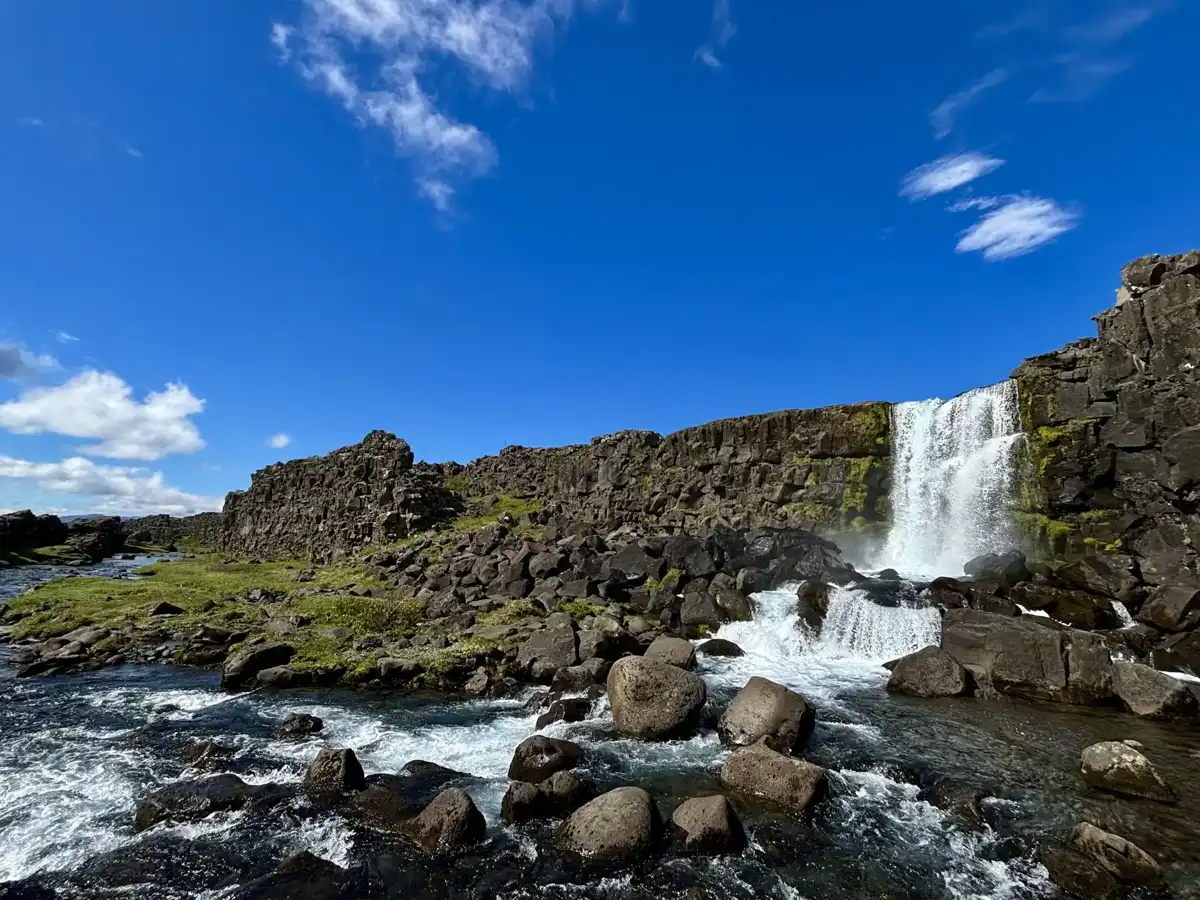
Stand between continents in a valley marked by fissures and crystal waters, where Iceland’s history and geology intersect in open landscapes.

iceland-national-park-thingvellir
© Google | Katerina Kucharova

3 Snæfellsjökull

volcanic glacier, lava fields, coastal cliffs

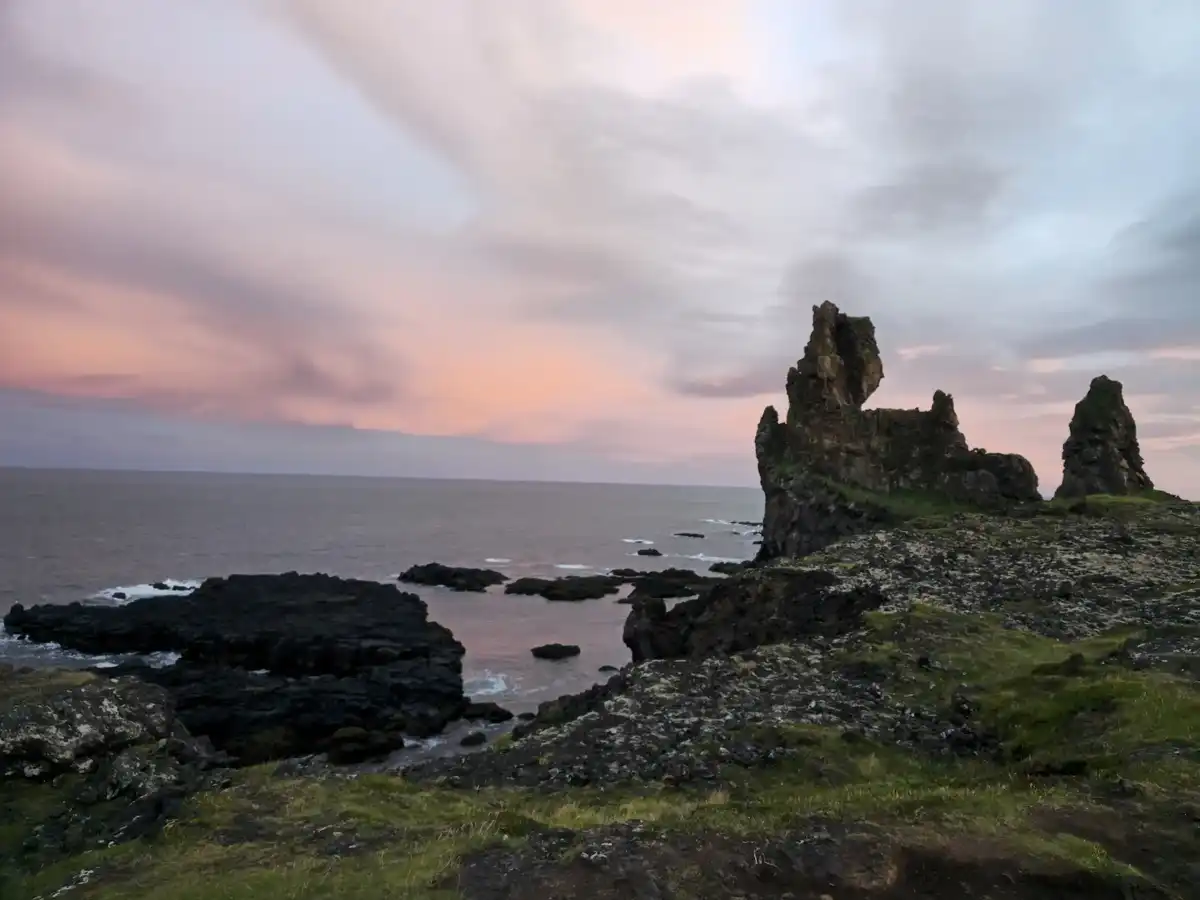
Traverse a peninsula where a glacier-topped volcano rises above rugged lava flows, sea arches, and isolated fishing villages.

iceland-national-park-snaefellsjokull
© Google | Spider Sillery

4 Skaftafell

glacier tongues, birch woodlands, black sand plains

Follow well-marked trails past glacial rivers and mossy forests, with views of ice-capped peaks and sweeping outwash plains at every turn.

iceland-national-park-skaftafell
© Google | Pier Perina

5 Þórsmörk

glacial valleys, braided rivers, mossy ridges

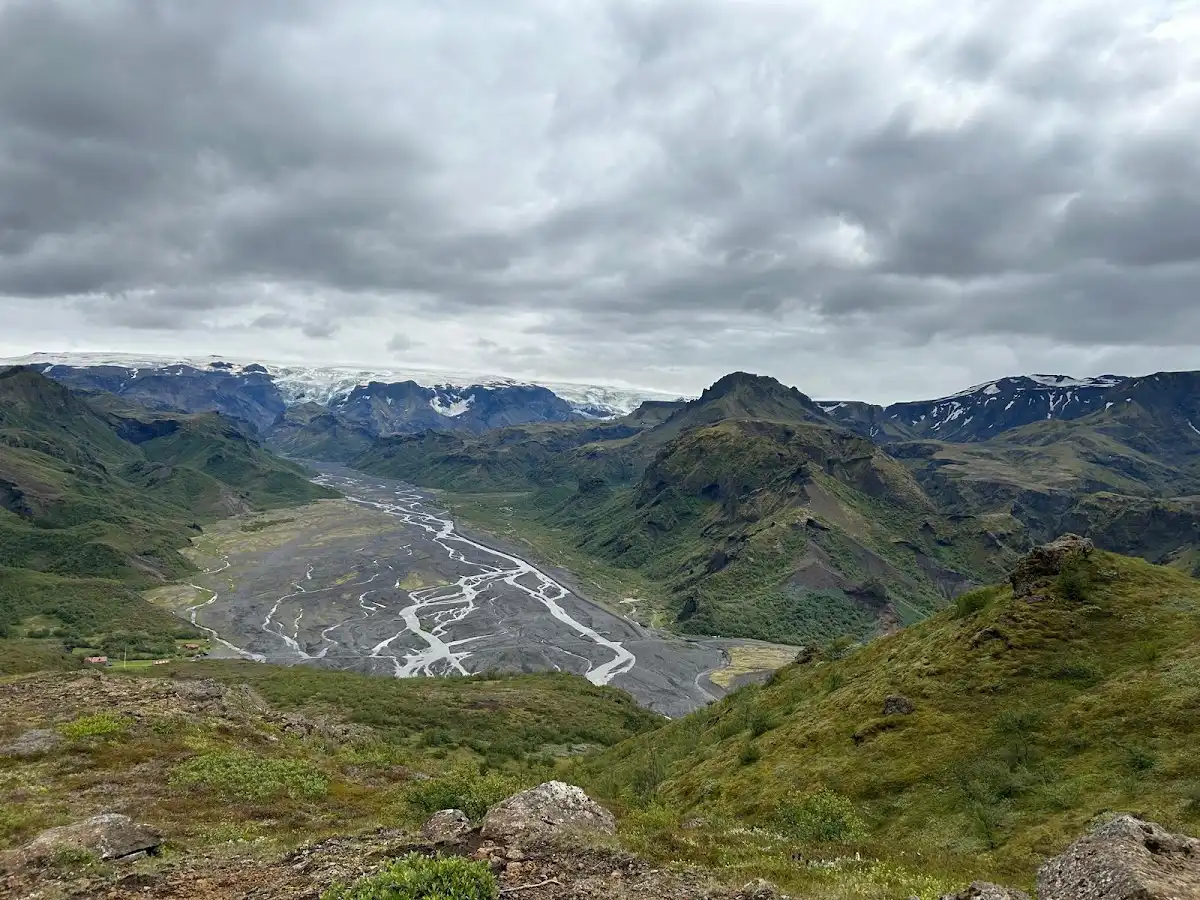
Cross rivers and climb ridgelines in a sheltered valley, surrounded by glaciers and volcanic peaks, with ever-changing weather and terrain.

iceland-national-park-thorsmork
© Google |

6 Ásbyrgi

horseshoe canyon, birch groves, tranquil ponds

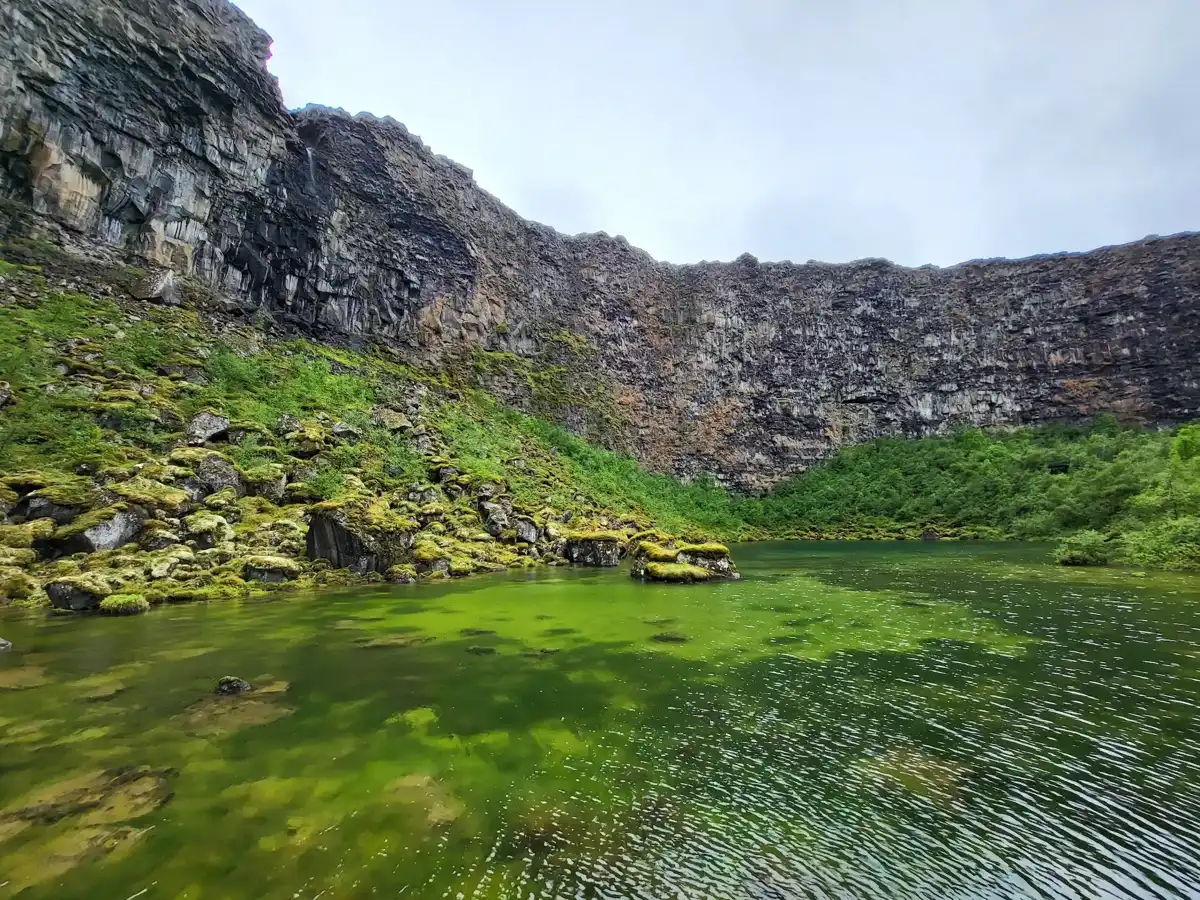
Wander beneath sheer canyon walls and through quiet woodlands, where legends and geology meet in a sheltered, green oasis.

iceland-national-park-asbyrgi
© Google | Jasper Debaere

7 Jökulsárgljúfur

basalt canyons, Dettifoss waterfall, volcanic landscapes

Hike through a dramatic gorge where thundering waterfalls, lava formations, and stark cliffs create a landscape shaped by powerful geological forces.

Iceland - Jökulsárgljúfur
Loading the map 🌍

Expert viewInsights from Locals and Experts

How Many Parks to Visit: Visit three or four of Iceland’s national parks on a single trip, and give each a full day. Iceland has only a handful of formally designated parks, and they sit far apart, so each extra one costs you a half day of driving on roads where gravel, wind and wandering sheep cap your average speed near 60 to 70 km/h. Three to four lets you actually walk, sit on a cold rock, and hear the place: meltwater hissing under ice, wind pulling at your jacket hood, the sulfur smell drifting off a geothermal vent. Five or more turns into a checklist of car park photos.
Choosing Between the Kinds of Parks: The parks split into three types. Glacier and highland parks in the south and southeast suit hikers who want big ice and volcanic landscapes, and they are the busiest from June to … read more 👉
How Many Parks to Visit: Visit three or four of Iceland’s national parks on a single trip, and give each a full day. Iceland has only a handful of formally designated parks, and they sit far apart, so each extra one costs you a half day of driving on roads where gravel, wind and wandering sheep cap your average speed near 60 to 70 km/h. Three to four lets you actually walk, sit on a cold rock, and hear the place: meltwater hissing under ice, wind pulling at your jacket hood, the sulfur smell drifting off a geothermal vent. Five or more turns into a checklist of car park photos.
Choosing Between the Kinds of Parks: The parks split into three types. Glacier and highland parks in the south and southeast suit hikers who want big ice and volcanic landscapes, and they are the busiest from June to August, with tour buses arriving by mid-morning. Rift valley and geothermal sites close to Reykjavik suit short trips and travelers without a car, since day tours reach them, but they are also the most crowded. Remote coastal and northern parks suit those with time and a rental car: fewer people, longer drives, and silence broken mostly by birds and surf. If you are short on days, pick one of each kind. If you are camping, favor the quieter north and west.
What It Costs: Iceland is expensive, but entry to most national parks is free. The money goes elsewhere. Parking at the busiest sites runs about 1,000 to 1,500 ISK (US$7 to 11) per car, and some parks charge for toilets or visitor centers. Guided glacier hikes or ice cave tours cost roughly 12,000 to 30,000 ISK (US$85 to 215) per person. Campsites run 2,000 to 3,500 ISK (US$14 to 25) per person a night. A rental car for a small economy model is about 8,000 to 20,000 ISK (US$55 to 140) a day depending on season, plus fuel. Budget roughly US$110 to 180 a day for a camping, self-catering traveler with a car, and US$60 to 90 a day if you go bus-only and tent. Groceries from Bonus or Kronan save serious money against restaurants.
Safety and Cultural Considerations: Weather turns fast, even in summer. Wind can rip a car door off its hinges, so hold it with both hands. Check safetravel.is and vedur.is daily, and file a travel plan for any remote hike. Never walk on glacier ice without a guide and crampons. Stay behind ropes at geothermal areas, because the ground crust can hide water near boiling, and stay well back from the surf on black sand beaches where sneaker waves have killed visitors. Off-road driving is illegal and fines are steep. Moss grows back over decades, so keep to marked paths. Wild camping is restricted in national parks, so use designated campsites. Pack out all waste, and respect private farmland around the parks.
The hard parts are real: wind, rain, cost, and summer crowds. The payoff is light that lingers past midnight in June, ice that glows blue, and long stretches where you hear nothing at all.

✈️ The backpacker research shortcutIceland Travel Guide

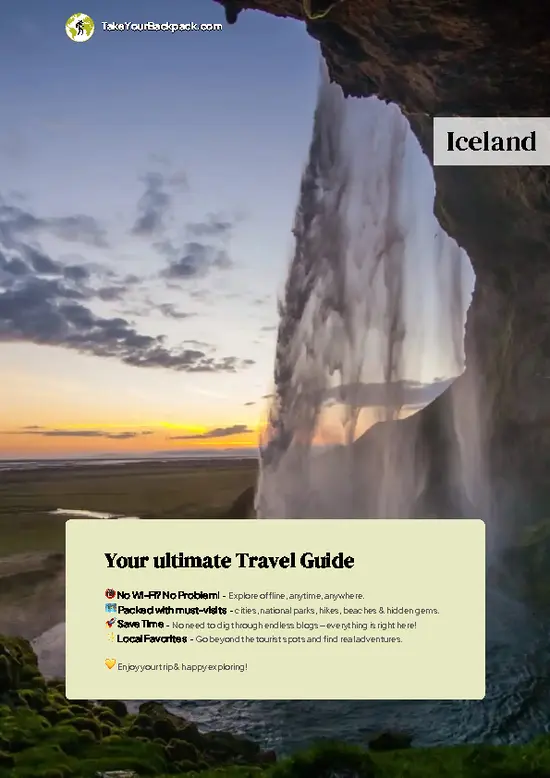
An offline-friendly backpacking guide with optimized travel routes, ranked highlights, transport advice, and the best areas to stay.
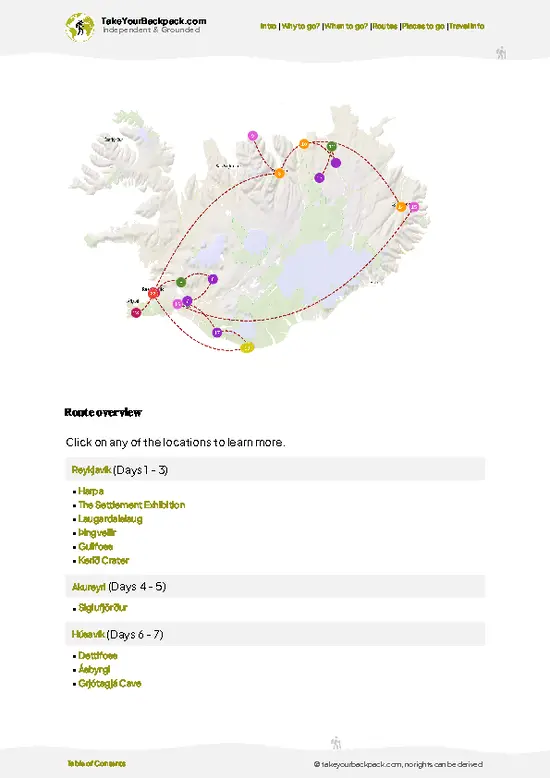
example page 0 from our offline Travel Guide for Iceland
example page 1 from our offline Travel Guide for Iceland
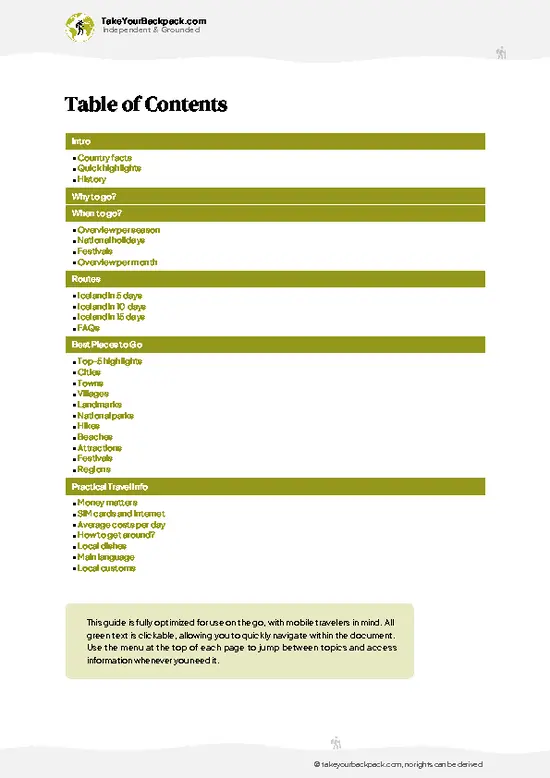
example page 2 from our offline Travel Guide for Iceland
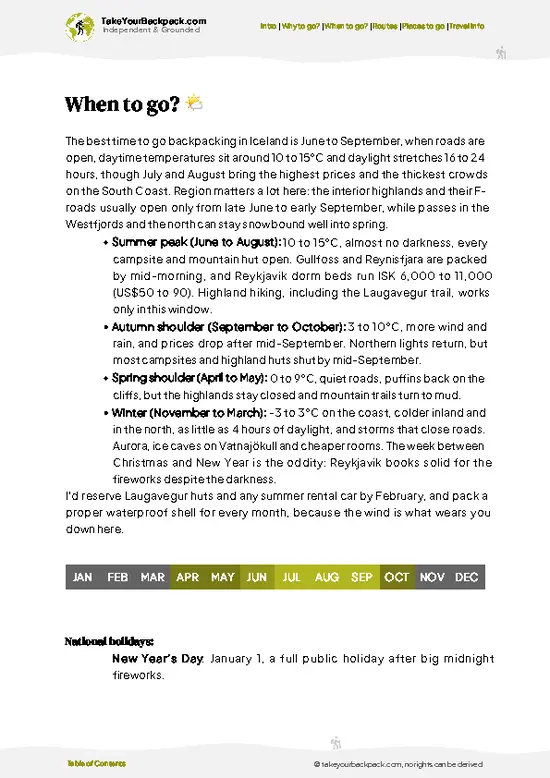
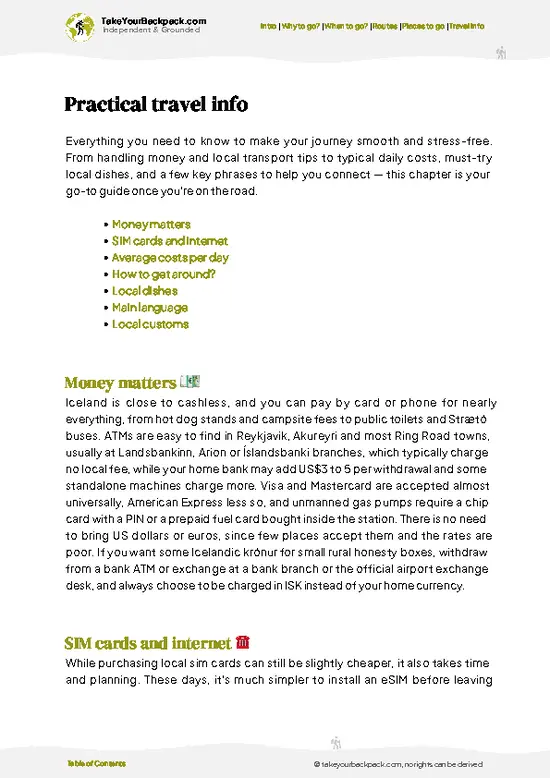
example page 3 from our offline Travel Guide for Iceland
example page 4 from our offline Travel Guide for Iceland
example page 5 from our offline Travel Guide for Iceland
example page 6 from our offline Travel Guide for Iceland
example page 7 from our offline Travel Guide for Iceland
The digital guide (230 pages) contains:
✅ 61 highlights, ranked by travel appeal
✅ Optimized 5, 10 & 15-day travel routes
✅ Cities, national parks, landmarks, beaches
✅ How to get around
✅ Offline-friendly for travel without Wi-Fi
👉 Click to see all 30+ guide features

📅 Plan smarter in minutes, not weeks
✅ Month by month travel advice
✅ Festivals & national holidays
✅ Budget expectations

🗺️ Go to the right places, skip the overrated ones
✅ Honest pros & cons of destinations
✅ Top hikes, parks & viewpoints
✅ Lesser-known places most travelers miss
✅ Clear “worth it vs skip it” guidance

🛏️ Travel smoothly without rookie mistakes
✅ Best areas to stay
✅ Transport systems explained simply
✅ Common scams & safety advice
✅ SIM cards, money & practical tips

🌍 Understand the country, not just visit it
✅ Culture & traditions
✅ 52 Essential phrases & customs
✅ Festivals worth planning around
✅ Traveler-friendly historical context
✅ Insights that make places more meaningful

📱 Built for real travel conditions
✅ Fully downloadable PDF
✅ Works completely offline
✅ Optimized for phone use
✅ Useful in remote areas & buses
✅ Everything in one place
Stop searching, start planning
Get instant access to your full guide. 30‑day money-back guarantee.
+ Add another guide for just

By proceeding you agree to our terms.
Sent to your inbox immediately after payment • 100% Secure Checkout
Best Backpacking Travel Advisor 2025 tourism awardBest Backpacking
Travel Advisor
2025
What others say about Take Your Backpack Guides:
⭐⭐⭐⭐⭐
Fantastic, amazing amount of information!
⭐⭐⭐⭐⭐
My goodness this is amazing, it's what I've been looking for hats off too you!
⭐⭐⭐⭐⭐
I think this is absolutely BRILLIANT
⭐⭐⭐⭐
Very complete and informative. It's still missing places, but I gotta to commend you
⭐⭐⭐⭐⭐
This is truly amazing, thank you, can't wait to explore it with my kids!
⭐⭐⭐⭐⭐
Awesome resource, thank you!
⭐⭐⭐⭐⭐
This is amazing! Can't wait to explore the ones I haven't seen
⭐⭐⭐⭐
I love this! Well done, great idea.
⭐⭐⭐⭐⭐
Thanks for taking the time to make this gem!
⭐⭐⭐⭐⭐
This might be the best website I've ever seen.
⭐⭐⭐⭐⭐
Congratulations, and thank you so much for your work; it's incredibly valuable.
⭐⭐⭐⭐
In all seriousness I think you did a great job pointing out the important spots
⭐⭐⭐⭐⭐
10/10 very good
⭐⭐⭐⭐⭐
As someone who's only just starting to visit regularly this is awesome, thank you.
⭐⭐⭐⭐
Thank you very much! I'm going to visit my dad, it's going to be very useful!
⭐⭐⭐⭐⭐
This is really cool! We'll be travelling for the first time and this definitely come in handy.
⭐⭐⭐⭐⭐
You are now our minister of culture, congratulations 👨‍💼
⭐⭐⭐⭐⭐
Just wanted to tell you that this is a pearl! Going to follow your recommendations.
⭐⭐⭐⭐⭐
This is so cool. I'll definitely be using the resource for my travels soon.
⭐⭐⭐⭐⭐
This is very impressive! Good work.
⭐⭐⭐⭐⭐
This is an amazing and informative site. Very well done!

🛏️ Where to stay?Where to Base Yourself

Iceland has plenty of hostels and guesthouses, with dorm beds typically running ISK 6,000 to 11,000 (about US$45 to 80) a night in summer, and most of them are in Reykjavík. Miðborg (the 101 downtown area around Laugavegur) puts you within walking distance of Hallgrímskirkja, the harbor and the bus terminals, but weekend bar noise lasts until 4 or 5 a.m. Quieter Vesturbær and Laugardalur, home to the city campsite and the biggest public pool, are 15 to 30 minutes on foot from the center and very safe, while up north Akureyri has a small cluster of budget beds near its compact downtown.

If you enjoy meeting fellow travelers, consider choosing hostels with high ratings for atmosphere. On the other … read more 👉
Iceland has plenty of hostels and guesthouses, with dorm beds typically running ISK 6,000 to 11,000 (about US$45 to 80) a night in summer, and most of them are in Reykjavík. Miðborg (the 101 downtown area around Laugavegur) puts you within walking distance of Hallgrímskirkja, the harbor and the bus terminals, but weekend bar noise lasts until 4 or 5 a.m. Quieter Vesturbær and Laugardalur, home to the city campsite and the biggest public pool, are 15 to 30 minutes on foot from the center and very safe, while up north Akureyri has a small cluster of budget beds near its compact downtown.

If you enjoy meeting fellow travelers, consider choosing hostels with high ratings for atmosphere. On the other hand, if you prefer having your own space, a hotel might be a better option.

IcelandExpand Your Journey

👋 Meet the founderWho’s Behind Take Your Backpack?

Johan, backpacker and founder of TakeYourBackpackHi, I’m Johan (Netherlands 🇳🇱), the creator of TakeYourBackpack. Over the past 3 decades, I’ve backpacked through 90+ countries across six continents, gaining extensive experience with independent travel, long-term trips, and overland routes.

This site is built on a combination of firsthand travel experience and carefully curated insights from other backpackers. Many guides are based on places I’ve personally visited, while others bring together tips, observations, and practical advice shared by trusted travelers I’ve met along the way.

The goal is to provide realistic, experience-driven guidance — not generic itineraries — so you can explore destinations with better context, clearer expectations, and more confidence.