×
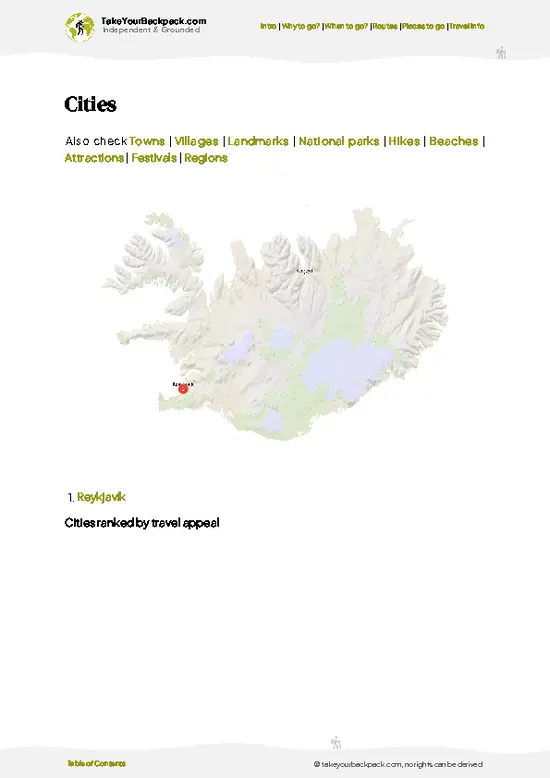
Reykjavik

Iceland🇮🇸 | citiesReykjavikharbor views, street art, geothermal pools, Nordic design | things to do and best time to go

Explore Ytri Tunga BeachExplore Iceland Airwaves

Backpacking in Reykjavik
🏆 Top pickcity ranked #1
By Johan Kruseman 🇳🇱 | Updated September 4, 2026

You land in Reykjavik and hit your first real fork: do you blow half your budget on a Blue Lagoon + pricey downtown bar crawl in one day, or slow down, cook in the hostel kitchen, and save that cash for a glacier hike or multi-day ring-road trip later? That choice matters, because Reykjavik is where Iceland quietly drains your wallet if you don’t play the time–money–comfort game on purpose. The city sits in the southwest corner of Iceland, hugging Faxaflói Bay, and it’s the country’s social, political, and bus-network heart. For backpackers, it’s compact, walkable, and very safe, with easy airport buses and day tours leaving from near Hallgrímskirkja and the central streets around Laugavegur. Hostels are social and it’s simple to meet people in common rooms or on pub quizzes, but nightlife and eating out are expensive enough that I often pre-game with supermarket beers before joining the crowd. Compared with Akureyri or tiny coastal towns, Reykjavik feels like the “hub world” in a video game: not huge, but dense with museums, street art, geothermal pools, and tour departures, more cosmopolitan than pretty, and best used as a launchpad rather than the whole trip.

Discover everything you want to know in the 📖 Iceland Travel Guide.


Get your Iceland guide
62 ranked highlights, routes & tips, works offline (240 pages)
Loading the map 🌍
CLICK TO FILTER
cities
towns
villages
landmarks
national parks
hikes
beaches
attractions
festivals
regions
SHOW COUNTRY’S BESTSHOW ALL

✨ Why go?
Ranked #1 city in Iceland
Reasons people choose to visit here

Reykjavik is a strategic hub for backpackers, blending affordability with a vibrant atmosphere. It’s not just a city; it’s a basecamp for your Icelandic adventures. The walkability of Reykjavik makes it easy to explore on foot, allowing you to soak in the local culture without burning through your budget on transport.

Hostels here are not only plentiful but also foster a sense of community, making it simple to connect with fellow travelers. You’ll find affordable food options that showcase Icelandic cuisine without breaking the bank, from street food to cozy cafes.

The nightlife is lively, offering a mix of bars and clubs where you can unwind after a day of exploration. Plus, Reykjavik serves as a gateway to stunning day trips, whether you’re chasing waterfalls or soaking in hot springs. … read more 👉
Reykjavik is a strategic hub for backpackers, blending affordability with a vibrant atmosphere. It’s not just a city; it’s a basecamp for your Icelandic adventures. The walkability of Reykjavik makes it easy to explore on foot, allowing you to soak in the local culture without burning through your budget on transport.

Hostels here are not only plentiful but also foster a sense of community, making it simple to connect with fellow travelers. You’ll find affordable food options that showcase Icelandic cuisine without breaking the bank, from street food to cozy cafes.

The nightlife is lively, offering a mix of bars and clubs where you can unwind after a day of exploration. Plus, Reykjavik serves as a gateway to stunning day trips, whether you’re chasing waterfalls or soaking in hot springs.

If you’re looking for a city that balances comfort with value, Reykjavik fits the bill. It’s perfect for those who want to dive into Iceland’s natural wonders while enjoying a vibrant urban experience. But if your time is tight, consider whether a quick stop suits your style or if you want to linger longer.
Want to include Reykjavik in your Iceland route?
Create a personalized Iceland itinerary that includes Reykjavik and the places that fit your trip — based on your travel style, budget, and available time. Get your route in seconds.

Generate my trip

💡 HighlightsPlaces and moments you shouldn't skip

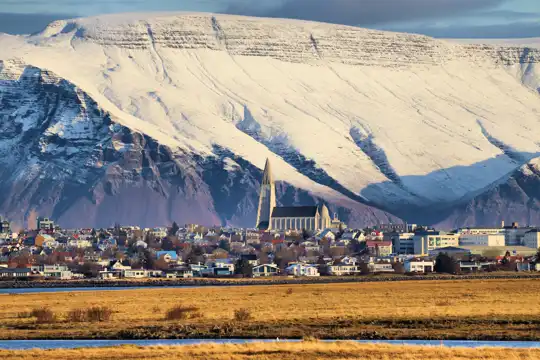
  • Hallgrímskirkja — Iceland’s gargantuan concrete church with a rocket-like silhouette and an elevator up the tower for one of the best panoramic views over the colorful rooftops and mountains.
  • Harpa Concert Hall — a mesmerising honeycomb of glass on the harbour; free to wander inside, catch a concert if you can, and watch the light play off the facade at dusk.
  • Sun Voyager (Sólfar) — a minimalist steel “ship” on the waterfront that feels like Reykjavik’s poetic nod to voyages, perfect for sunset photos and salty wind therapy.
  • The Settlement Exhibition (Reykjavík 871±2) — an archaeological museum built over the remains of a Viking-age longhouse; small but powerful for understanding Iceland’s early settlers.
  • National Museum of Iceland — the best single stop for Icelandic history and culture,
read more 👉
  • Hallgrímskirkja — Iceland’s gargantuan concrete church with a rocket-like silhouette and an elevator up the tower for one of the best panoramic views over the colorful rooftops and mountains.
  • Harpa Concert Hall — a mesmerising honeycomb of glass on the harbour; free to wander inside, catch a concert if you can, and watch the light play off the facade at dusk.
  • Sun Voyager (Sólfar) — a minimalist steel “ship” on the waterfront that feels like Reykjavik’s poetic nod to voyages, perfect for sunset photos and salty wind therapy.
  • The Settlement Exhibition (Reykjavík 871±2) — an archaeological museum built over the remains of a Viking-age longhouse; small but powerful for understanding Iceland’s early settlers.
  • National Museum of Iceland — the best single stop for Icelandic history and culture, from Viking artifacts to modern nation-building, well curated and immersive.
  • Perlan — set on a wooded hill of hot-water tanks: a 360° observation deck, the Wonders of Iceland exhibition, an indoor ice cave and a planetarium — good mix of nature and science without leaving the city.
  • Grótta Lighthouse & Nature Reserve — a short walk to the tip of Seltjarnarnes peninsula (part of Reykjavík municipality); seabirds, dramatic skies, sunset/Northern Lights watching — check the tide so you don’t get cut off.
  • Kolaportið Flea Market — the weekend indoor flea market by the harbor where locals hunt antiques, second-hand books and Icelandic foods (try the fish soup or rye bread); a genuine slice of local life.
  • Ásmundarsafn (Ásmundur Sveinsson Sculpture Museum) — the sculptor’s house and garden tucked in a quiet part of town; a compact, oddly charming museum where Icelandic modern sculpture meets whimsical architecture.
  • Sundhöll Reykjavíkur (the old public pool) — a historic indoor pool complex in the city center where you can soak in hot tubs, use the sauna and join locals in the simple, social Icelandic bathing ritual.
Nearby day trips include the Golden Circle (Þingvellir, Geysir and Gullfoss), the Blue Lagoon and the Reykjanes Peninsula; my personal favorite to visit outside the city is Þingvellir for the history and the rift-valley scenery.
Spotted a mistake or missing something? Contact us.

Things to do in Reykjavik

Ratings based on Tripadvisor reviews. When you book through this link, you support our work at no extra cost to you.

🏘️ NeighborhoodsKey areas and districts to know

Reykjavik is a compact city that packs a punch, making it ideal for backpackers who want to dive into Icelandic culture without breaking the bank. Here’s a breakdown of the key neighborhoods to help you navigate your stay.

Downtown Reykjavik: This is the heart of the city, where you’ll find vibrant street art, quirky cafes, and the iconic Hallgrímskirkja church. It’s walkable, with most attractions within a 15-minute stroll. Expect higher prices here, especially for food and drinks, but the nightlife is buzzing, with plenty of bars and live music. Perfect for short stays where you want to soak up the local vibe.

Vesturbær: A quieter, residential area with a laid-back atmosphere. It’s close to the sea and has a lovely swimming pool, perfect for relaxing after a day of exploring. Prices are … read more 👉
Reykjavik is a compact city that packs a punch, making it ideal for backpackers who want to dive into Icelandic culture without breaking the bank. Here’s a breakdown of the key neighborhoods to help you navigate your stay.

Downtown Reykjavik: This is the heart of the city, where you’ll find vibrant street art, quirky cafes, and the iconic Hallgrímskirkja church. It’s walkable, with most attractions within a 15-minute stroll. Expect higher prices here, especially for food and drinks, but the nightlife is buzzing, with plenty of bars and live music. Perfect for short stays where you want to soak up the local vibe.

Vesturbær: A quieter, residential area with a laid-back atmosphere. It’s close to the sea and has a lovely swimming pool, perfect for relaxing after a day of exploring. Prices are more reasonable here, and it’s still walkable to downtown. Ideal for longer stays if you prefer a more local experience, but nightlife options are limited.

Hlíðar: This neighborhood offers a mix of residential comfort and accessibility. It’s close to the University of Iceland, giving it a youthful energy. Prices are moderate, and it’s a short bus ride to downtown. Great for those who want a balance of quiet and convenience, making it suitable for both short and longer visits.

Grandi: An up-and-coming area by the harbor, known for its trendy eateries and art scene. It’s walkable to downtown but offers a more relaxed vibe. Prices are generally lower than in the city center, making it a smart choice for budget-conscious travelers. Perfect for those looking to explore the local food scene while still being close to the action.

⌛️ 1 dayWhat you can realistically do in a day

Reykjavik is a city that dances between the modern and the ancient, where colorful houses line the streets and the spirit of the Vikings lingers in the air. It’s compact, making it perfect for a day of exploration. You can dive into its rich culture, quirky art scene, and stunning landscapes without feeling rushed.

Start your morning in the vibrant neighborhood of Vesturbær. Grab a coffee and a pastry at Sandholt Bakery, where the smell of freshly baked bread will pull you in. After fueling up, take a stroll along the waterfront to Harpa Concert Hall. Its glass facade reflects the changing skies, and you can often catch a free exhibit inside.

As the morning unfolds, make your way to Hallgrímskirkja, the iconic church that towers over the city. Climb the tower for a panoramic view of Reykjavik’s … read more 👉
Reykjavik is a city that dances between the modern and the ancient, where colorful houses line the streets and the spirit of the Vikings lingers in the air. It’s compact, making it perfect for a day of exploration. You can dive into its rich culture, quirky art scene, and stunning landscapes without feeling rushed.

Start your morning in the vibrant neighborhood of Vesturbær. Grab a coffee and a pastry at Sandholt Bakery, where the smell of freshly baked bread will pull you in. After fueling up, take a stroll along the waterfront to Harpa Concert Hall. Its glass facade reflects the changing skies, and you can often catch a free exhibit inside.

As the morning unfolds, make your way to Hallgrímskirkja, the iconic church that towers over the city. Climb the tower for a panoramic view of Reykjavik’s colorful rooftops and the surrounding mountains. It’s a small investment of time for a big payoff in scenery.

In the afternoon, head to Grandi, a former fishing harbor turned trendy area. Explore the Reykjavik Maritime Museum to learn about the city’s seafaring history. For lunch, try Vogafjós Farm Resort for some local lamb and homemade skyr, a dish that’s a must-try.

After lunch, wander through Hljómskálagarður, a serene park where locals relax. If you’re feeling adventurous, seek out Árbær Open Air Museum, a bit off the beaten path. It’s a living history museum that showcases Icelandic life through the ages, and it’s often overlooked by tourists.

As evening approaches, return to the city center. Dine at Kol Restaurant, where the atmosphere is as delightful as the food. Finish your day with a walk along the harbor, soaking in the crisp air and watching the sunset over the water.

Reykjavik may be small, but it’s packed with experiences that linger long after you leave. Embrace the rhythm of the city, and you’ll find that every moment is worth it.
Turn your Reykjavik visit into an Iceland adventure
Build a complete Iceland route with Reykjavik, hidden gems, must-see destinations, and realistic travel times included.

Generate my trip

🌤️ When to go?Choosing the right time of year


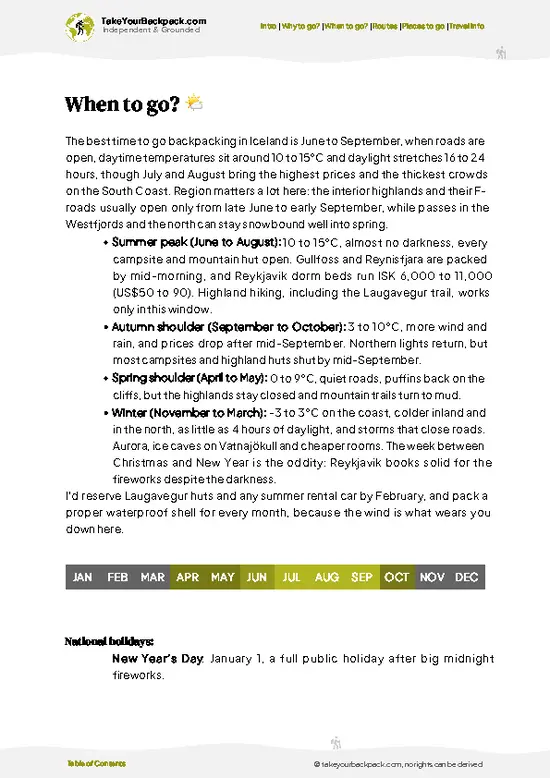
  • Weather: Reykjavik’s weather swings dramatically. Summer (June-August) offers mild conditions, averaging 10-15°C (50-59°F), while winter plunges to -1 to 4°C (30-39°F). Rain and wind are common year-round, but summer is your safest bet for stable hiking and outdoor exploration.

  • Daylight Hours: In summer, expect nearly 24 hours of daylight around the solstice, giving you endless time to roam. Winter flips the script with as little as 4-5 hours of daylight, which can cramp your sightseeing but opens the door for Northern Lights hunting.

  • Crowds: Summer draws the bulk of tourists, especially July, inflating prices and crowding popular spots. Shoulder seasons (May and September) strike a balance—fewer people, decent weather, and still plenty of daylight.

  • Seasonal Activities: Summer unlocks
read more 👉

  • Weather: Reykjavik’s weather swings dramatically. Summer (June-August) offers mild conditions, averaging 10-15°C (50-59°F), while winter plunges to -1 to 4°C (30-39°F). Rain and wind are common year-round, but summer is your safest bet for stable hiking and outdoor exploration.

  • Daylight Hours: In summer, expect nearly 24 hours of daylight around the solstice, giving you endless time to roam. Winter flips the script with as little as 4-5 hours of daylight, which can cramp your sightseeing but opens the door for Northern Lights hunting.

  • Crowds: Summer draws the bulk of tourists, especially July, inflating prices and crowding popular spots. Shoulder seasons (May and September) strike a balance—fewer people, decent weather, and still plenty of daylight.

  • Seasonal Activities: Summer unlocks hiking, puffin watching, and festivals. Winter is prime for ice caving, geothermal pools, and aurora chasing. Your timing hinges on what thrills you want to prioritize.

  • Price Fluctuations: Summer is peak season, so accommodation and flights spike. Winter sees a drop in prices but fewer daylight hours and harsher conditions. Shoulder seasons offer better deals without sacrificing too much comfort.


Pro-tip: Target late May or early September for a smart blend of manageable crowds, decent weather, and wallet-friendly rates—maximizing your Reykjavik backpacking experience without the extremes.


source: climatestotravel.comJANJanuary: fair for travelingFEBFebruary: fair for travelingMARMarch: fair for travelingAPRApril: good for travelingMAYMay: highly recommended for travelingJUNJune: excellent for travelingJULJuly: highly recommended for travelingAUGAugust: excellent for travelingSEPSeptember: highly recommended for travelingOCTOctober: good for travelingNOVNovember: fair for travelingDECDecember: fair for traveling
Iceland - Reykjavik

✈️ The backpacker research shortcutIceland Travel Guide

An offline-friendly backpacking guide with optimized travel routes, ranked highlights, transport advice, and the best areas to stay.
example page 0 from our offline Travel Guide for Iceland
example page 1 from our offline Travel Guide for Iceland
example page 2 from our offline Travel Guide for Iceland
example page 3 from our offline Travel Guide for Iceland
example page 4 from our offline Travel Guide for Iceland
example page 5 from our offline Travel Guide for Iceland
example page 6 from our offline Travel Guide for Iceland
example page 7 from our offline Travel Guide for Iceland
The digital guide (240 pages) contains:
62 highlights, ranked by travel appeal
Optimized 5, 10 & 15-day travel routes
Cities, national parks, landmarks, beaches
How to get around
Offline-friendly for travel without Wi-Fi
👉 Click to see all 30+ guide features

📅 Plan smarter in minutes, not weeks
Month by month travel advice
Festivals & national holidays
Budget expectations

🗺️ Go to the right places, skip the overrated ones
Honest pros & cons of destinations
Top hikes, parks & viewpoints
Lesser-known places most travelers miss
Clear “worth it vs skip it” guidance

🛏️ Travel smoothly without rookie mistakes
Best areas to stay
Transport systems explained simply
Common scams & safety advice
SIM cards, money & practical tips

🌍 Understand the country, not just visit it
Culture & traditions
52 Essential phrases & customs
Festivals worth planning around
Traveler-friendly historical context
Insights that make places more meaningful

📱 Built for real travel conditions
Fully downloadable PDF
Works completely offline
Optimized for phone use
Useful in remote areas & buses
Everything in one place
Save weeks of stressful planning
Get instant access to your full guide. 30‑day money-back guarantee.
+ Add another guide for just €6.50

By proceeding you agree to our terms.
Sent to your inbox immediately after payment • 100% Secure Checkout
Best Backpacking Travel Advisor 2025 tourism awardBest Backpacking
Travel Advisor
2025
What others say about Take Your Backpack Guides:
⭐⭐⭐⭐⭐
Fantastic, amazing amount of information!
⭐⭐⭐⭐⭐
My goodness this is amazing, it's what I've been looking for hats off too you!
⭐⭐⭐⭐⭐
I think this is absolutely BRILLIANT
⭐⭐⭐⭐
Very complete and informative. It's still missing places, but I gotta to commend you
⭐⭐⭐⭐⭐
This is truly amazing, thank you, can't wait to explore it with my kids!
⭐⭐⭐⭐⭐
Awesome resource, thank you!
⭐⭐⭐⭐⭐
This is amazing! Can't wait to explore the ones I haven't seen
⭐⭐⭐⭐
I love this! Well done, great idea.
⭐⭐⭐⭐⭐
Thanks for taking the time to make this gem!
⭐⭐⭐⭐⭐
This might be the best website I've ever seen.
⭐⭐⭐⭐⭐
Congratulations, and thank you so much for your work; it's incredibly valuable.
⭐⭐⭐⭐
In all seriousness I think you did a great job pointing out the important spots
⭐⭐⭐⭐⭐
10/10 very good
⭐⭐⭐⭐⭐
As someone who's only just starting to visit regularly this is awesome, thank you.
⭐⭐⭐⭐
Thank you very much! I'm going to visit my dad, it's going to be very useful!
⭐⭐⭐⭐⭐
This is really cool! We'll be travelling for the first time and this definitely come in handy.
⭐⭐⭐⭐⭐
You are now our minister of culture, congratulations 👨‍💼
⭐⭐⭐⭐⭐
Just wanted to tell you that this is a pearl! Going to follow your recommendations.
⭐⭐⭐⭐⭐
This is so cool. I'll definitely be using the resource for my travels soon.
⭐⭐⭐⭐⭐
This is very impressive! Good work.
⭐⭐⭐⭐⭐
This is an amazing and informative site. Very well done!

🛏️ Where to stay?Choosing the right base

Reykjavik’s heart for backpackers beats strongest in two key neighborhoods: the downtown core around Laugavegur and the adjacent Vesturbær district. Both areas strike a smart balance between safety, social buzz, and budget-friendly lodging, making them the logical hubs for solo travelers and those watching their wallets.

Laugavegur is Reykjavik’s main artery—packed with cafés, bars, and quirky shops. It’s where you’ll find the highest concentration of hostels, which means easy access to fellow backpackers and a built-in social scene. Staying here means you’re never far from the pulse of the city, … read more 👉
Reykjavik’s heart for backpackers beats strongest in two key neighborhoods: the downtown core around Laugavegur and the adjacent Vesturbær district. Both areas strike a smart balance between safety, social buzz, and budget-friendly lodging, making them the logical hubs for solo travelers and those watching their wallets.

Laugavegur is Reykjavik’s main artery—packed with cafés, bars, and quirky shops. It’s where you’ll find the highest concentration of hostels, which means easy access to fellow backpackers and a built-in social scene. Staying here means you’re never far from the pulse of the city, but it comes with a trade-off: it’s busier and a bit pricier than other parts. Still, the convenience and vibe often justify the premium for first-timers or anyone keen on maximizing interaction and nightlife without splurging on taxis.

Vesturbær, just west of downtown, offers a quieter, more residential feel without sacrificing proximity. It’s a smart choice if you want to escape the tourist crush at night but still want to walk or bike into the city center in minutes. Hostels here tend to be smaller and cozier, which can mean a more intimate social experience. Plus, the neighborhood’s calm streets and local eateries give you a taste of everyday Reykjavik life, a subtle but valuable contrast to the downtown buzz.

Compared to the more isolated or upscale districts, these two neighborhoods deliver the best mix of safety, social opportunity, and budget sense. You’re trading a bit of quiet for connection and convenience, but that’s exactly the kind of trade-off that turns a trip from “just visiting” into “living it.”

🚌 Getting aroundHow to get from A to B

Reykjavik moves at its own pace—somewhere between Nordic precision and a laid-back island vibe. The city’s rhythm isn’t about frantic rush or strict timetables; it’s more a dance of predictable routines softened by the unpredictable weather and the ebb of tourists and locals alike. You’ll find that schedules exist, but they’re flexible enough to accommodate the occasional delay caused by a sudden downpour or a spontaneous detour to a cozy café. This balance means your transit choices aren’t just about getting from A to B—they’re about deciding how much time, money, and comfort you’re willing to trade for the experience itself.


  • Walking: Reykjavik’s compact downtown is a walker’s playground. No cost, full control over pace and stops, and the best way to soak in the city’s quirky street art,
read more 👉
Reykjavik moves at its own pace—somewhere between Nordic precision and a laid-back island vibe. The city’s rhythm isn’t about frantic rush or strict timetables; it’s more a dance of predictable routines softened by the unpredictable weather and the ebb of tourists and locals alike. You’ll find that schedules exist, but they’re flexible enough to accommodate the occasional delay caused by a sudden downpour or a spontaneous detour to a cozy café. This balance means your transit choices aren’t just about getting from A to B—they’re about deciding how much time, money, and comfort you’re willing to trade for the experience itself.


  • Walking: Reykjavik’s compact downtown is a walker’s playground. No cost, full control over pace and stops, and the best way to soak in the city’s quirky street art, colorful houses, and waterfront views. Expect 10-20 minutes between most central points. Comfort depends on weather—rain gear is a must in the unpredictable Icelandic climate.


  • Strætó Bus: The city’s public bus system is the budget traveler’s backbone. Tickets cost about 490 ISK (~$3.50), with day passes offering better value if you plan multiple trips. Buses run roughly from 6 AM to midnight, but frequency drops after 9 PM. It’s slower than a taxi but reliable, with decent coverage beyond the core. Comfort is basic—seats are functional, and buses can get crowded during rush hours.


  • City Bikes: Available seasonally, these electric bikes offer a sweet spot between walking and public transit. Rental costs vary but hover around 1500 ISK per hour (~$11). They’re faster than walking, give you freedom to explore beyond the bus routes, and add a bit of exercise without the sweat. Comfort depends on weather and your cycling confidence—helmets are recommended but not always provided.


  • Taxi: The fastest and most comfortable option, but also the priciest. Base fare starts around 800 ISK (~$6), with additional charges per kilometer. Taxis operate 24/7, making them ideal for late-night returns or when you’re hauling heavy gear. They’re a no-brainer if you’re short on time or traveling in a group, but expect to pay a premium for convenience.


  • Airport Shuttle: For the trip to and from Keflavik International Airport, the Flybus is the go-to. It costs about 3500 ISK (~$25) one way, runs on a fixed schedule aligned with flight arrivals, and drops you off at major hotels or the bus terminal. It’s a solid middle ground between pricey taxis and complicated public transit, offering comfort and predictability without breaking the bank.


Understanding these options is like cracking the city’s code. You’re not just choosing transport—you’re deciding how to allocate your time, money, and comfort to maximize what Reykjavik has to offer. Walk when you want to linger, bus when you want to save, bike when you want freedom, and taxi when you need speed. Each choice shapes your experience, turning logistics into a strategic game where you’re always a step ahead.

👛 Costs (as of 4 September 2026)How expensive it really is

Backpacking in Reykjavik demands a clear-eyed view of where your money goes, so you can play the trade-off game smartly between time, comfort, and cost.
  • Dorm Accommodation (High Season): Expect to pay around $40 to $60 per night. Summer months push prices up due to demand, so booking early or opting for less central hostels can save you a chunk.
  • Dorm Accommodation (Off-Season): Prices drop to about $25 to $40 per night. Winter and shoulder seasons offer better deals, but be ready for shorter daylight and colder weather.
  • Meals: Budget roughly $15 to $25 per day if you stick to groceries and occasional street food. Eating out at restaurants quickly doubles that, with a simple meal often costing $20 or more.
  • Local Transport: Single bus rides cost about $4.50. Reykjavik’s compact size means
read more 👉
Backpacking in Reykjavik demands a clear-eyed view of where your money goes, so you can play the trade-off game smartly between time, comfort, and cost.
  • Dorm Accommodation (High Season): Expect to pay around $40 to $60 per night. Summer months push prices up due to demand, so booking early or opting for less central hostels can save you a chunk.
  • Dorm Accommodation (Off-Season): Prices drop to about $25 to $40 per night. Winter and shoulder seasons offer better deals, but be ready for shorter daylight and colder weather.
  • Meals: Budget roughly $15 to $25 per day if you stick to groceries and occasional street food. Eating out at restaurants quickly doubles that, with a simple meal often costing $20 or more.
  • Local Transport: Single bus rides cost about $4.50. Reykjavik’s compact size means you can walk a lot, but buses cover longer distances or bad weather days.
  • City Transport Pass: A 24-hour pass runs around $12, offering unlimited rides. If you plan multiple trips in a day, this is a clear win for saving both money and time.
  • Basic Activities/Entry Fees: Many museums and attractions charge between $10 and $20. Some natural sights are free, but guided tours or geothermal pools push costs higher.
  • Miscellaneous Expenses: Factor in about $5 to $10 daily for essentials like water, snacks, or small souvenirs. Iceland’s prices are generally steep, so these add up faster than you might expect.

Total daily costs for a backpacker in Reykjavik typically range from $60 to $100, depending on season and lifestyle choices. The key trade-off here is between paying more for convenience and comfort or saving by embracing the city’s walkability and cooking your own meals. Mastering this balance turns Reykjavik from an expensive stop into a manageable, rewarding experience.


source: visiticeland.com
⚠️ Prices can change and everyone travels differently, so take this as a rough guide. Hope it helps you plan your adventure!

🚌 Day tripsExploring the surroundings

Reykjavik is a fantastic launchpad for day trips that pack a punch without draining your wallet or time. Here are some standout options that will enrich your Icelandic adventure.

Golden Circle
This classic route is a must-do. You’ll hit three iconic spots: Þingvellir National Park, Geysir Geothermal Area, and Gullfoss Waterfall. The drive is about 3 hours round trip, but you can easily spend a full day exploring. Expect to spend around $50 on a rental car split among friends or $100 on a bus tour. Spring and early fall are ideal for fewer crowds and decent weather. A common rookie mistake? Rushing through each stop. Take your time; the landscapes are mesmerizing.


South Coast Adventure
Head out to see some of Iceland’s most stunning waterfalls and black sand beaches. Seljalandsfoss … read more 👉
Reykjavik is a fantastic launchpad for day trips that pack a punch without draining your wallet or time. Here are some standout options that will enrich your Icelandic adventure.

Golden Circle
This classic route is a must-do. You’ll hit three iconic spots: Þingvellir National Park, Geysir Geothermal Area, and Gullfoss Waterfall. The drive is about 3 hours round trip, but you can easily spend a full day exploring. Expect to spend around $50 on a rental car split among friends or $100 on a bus tour. Spring and early fall are ideal for fewer crowds and decent weather. A common rookie mistake? Rushing through each stop. Take your time; the landscapes are mesmerizing.


South Coast Adventure
Head out to see some of Iceland’s most stunning waterfalls and black sand beaches. Seljalandsfoss and Skógafoss are both breathtaking, and Reynisfjara beach is a sight to behold. The drive takes about 4 hours round trip, and you can do it for around $60 if you’re carpooling. Summer is the best time for this trip, as the days are long and the weather is milder. Don’t forget to check the tides at Reynisfjara; the waves can be unpredictable.


Snæfellsnes Peninsula
This trip is often called “Iceland in Miniature” for its diverse landscapes. You’ll find everything from volcanic craters to charming fishing villages. It’s about a 5-hour round trip, but every minute is worth it. Budget around $70 for gas and snacks. Late spring or early fall offers the best views and fewer tourists. A common pitfall? Skipping the small towns like Arnarstapi; they have unique charm and local culture.


Blue Lagoon
While it’s a bit touristy, the Blue Lagoon is a relaxing treat after days of hiking. It’s only about 45 minutes from Reykjavik, making it an easy half-day trip. Expect to spend around $70 for entry, which includes a towel and a drink. The best time to visit is in the late afternoon when the crowds thin out. A rookie mistake? Not booking in advance; slots fill up quickly, especially in peak season.
👉 Explore Blue Lagoon
Want to know what more Iceland offers?
The Iceland Travel Guide describes 62 highlights, from cities to national parks, from beaches to hikes

Get the Travel Guide -

🍲 FoodEating & Drinking in Reykjavik

In Reykjavik, food is a celebration of the land and sea. You can’t visit without trying hákarl, fermented shark that’s an acquired taste but a rite of passage. Pair it with a shot of brennivín, Icelandic schnapps, for a true local experience. The fresh seafood here is legendary; think buttery cod or succulent langoustine, often served simply to let the flavors shine.

Backpackers will find their culinary haven at local markets. The Kolaportið Flea Market is a treasure trove of street food, where you can sample everything from lamb soup to skyr, a creamy yogurt-like treat. Casual eateries abound, offering hearty portions without breaking the bank. Grab a pylsur, Icelandic hot dog, from a street vendor—it’s a must-try, topped with crispy onions and a tangy remoulade.

Dining customs lean toward … read more 👉
In Reykjavik, food is a celebration of the land and sea. You can’t visit without trying hákarl, fermented shark that’s an acquired taste but a rite of passage. Pair it with a shot of brennivín, Icelandic schnapps, for a true local experience. The fresh seafood here is legendary; think buttery cod or succulent langoustine, often served simply to let the flavors shine.

Backpackers will find their culinary haven at local markets. The Kolaportið Flea Market is a treasure trove of street food, where you can sample everything from lamb soup to skyr, a creamy yogurt-like treat. Casual eateries abound, offering hearty portions without breaking the bank. Grab a pylsur, Icelandic hot dog, from a street vendor—it’s a must-try, topped with crispy onions and a tangy remoulade.

Dining customs lean toward the communal. Sharing plates is common, so don’t hesitate to order a few dishes to pass around. And don’t forget to embrace the cozy café culture; locals linger over coffee and pastries, making it a perfect spot to recharge. The vibe is relaxed, encouraging you to savor each bite and sip while soaking in the friendly atmosphere.

🛡️ SafetySafety Tips and Common Scams in Reykjavik

Reykjavik is generally a safe city, but like any destination, a bit of awareness goes a long way. Most neighborhoods are welcoming, but keep an eye on your belongings in crowded areas, especially around popular tourist spots like the Harpa Concert Hall and Laugavegur street.

If you’re traveling solo, the nightlife can be vibrant but also a bit disorienting. Stick to well-lit areas and trust your instincts. The locals are friendly, so don’t hesitate to ask for help if you feel unsure.

Scams are rare, but watch out for overly persistent street performers or vendors trying to sell you overpriced tours. Everyday annoyances might include the high cost of food and drinks; plan for that in your budget.

Carry yourself confidently and engage with locals. They appreciate genuine curiosity. By … read more 👉
Reykjavik is generally a safe city, but like any destination, a bit of awareness goes a long way. Most neighborhoods are welcoming, but keep an eye on your belongings in crowded areas, especially around popular tourist spots like the Harpa Concert Hall and Laugavegur street.

If you’re traveling solo, the nightlife can be vibrant but also a bit disorienting. Stick to well-lit areas and trust your instincts. The locals are friendly, so don’t hesitate to ask for help if you feel unsure.

Scams are rare, but watch out for overly persistent street performers or vendors trying to sell you overpriced tours. Everyday annoyances might include the high cost of food and drinks; plan for that in your budget.

Carry yourself confidently and engage with locals. They appreciate genuine curiosity. By staying aware and being smart about your choices, you can navigate Reykjavik smoothly and enjoy its unique charm.

FAQTraveler FAQ

3 to 4 days are sufficient to explore Reykjavik thoroughly. This allows time to visit key sites like Hallgrímskirkja, Harpa Concert Hall, and the National Museum, plus a day trip to the Blue Lagoon or Golden Circle. Longer stays are recommended if you plan to explore surrounding nature extensively.
Yes, Reykjavik is safe for solo backpackers. The city has low crime rates and a friendly, welcoming atmosphere. Basic precautions like avoiding poorly lit areas at night are sufficient.
Reykjavik is known for its vibrant arts scene, geothermal pools, and unique Nordic architecture. It is also famous as a gateway to Iceland's natural wonders such as geysers, waterfalls, and volcanic landscapes.
⚠️ Things can change over time, so always validate details locally before you go.

Expanding your trip beyond this stop

Reykjavik isn’t the only highlight in Iceland. Explore all what Iceland has to offer.
Country photo of Iceland

We 💚 feedbackWhat to keep in mind

Reykjavik is a playground for the curious. The vibrant arts scene and quirky cafes invite you to linger, while the nearby landscapes are straight out of a dream. But here’s the kicker: it’s not cheap. Dining and accommodations can hit the wallet hard. Still, if you’re ready to splurge a bit, the unique experiences—like soaking in the Blue Lagoon or chasing the Northern Lights—are worth every króna. Just be prepared to balance your budget with unforgettable moments.

✈️ When did I visit Iceland?
In July 2019 I visited this magical island. For sure in my top-3 for spectacular landscapes. Rented a car and did the whole ring-road.

✍️ Help improve this page!
The information on this page is based on my own backpacking experience in Iceland, supplemented with up-to-date research and feedback from other travelers. Travel details can change, so if you notice anything outdated or incomplete, feel free to let me know.


🙋‍♂️ Give feedback

👋 Meet the founderWho’s Behind Take Your Backpack?

Johan, backpacker and founder of TakeYourBackpackHi, I’m Johan (Netherlands 🇳🇱), the creator of TakeYourBackpack. Over the past decade, I’ve backpacked through 80+ countries across six continents, gaining extensive experience with independent travel, long-term trips, and overland routes.

This site is built on a combination of firsthand travel experience and carefully curated insights from other backpackers. Many guides are based on places I’ve personally visited, while others bring together tips, observations, and practical advice shared by trusted travelers I’ve met along the way.

The goal is to provide realistic, experience-driven guidance — not generic itineraries — so you can explore destinations with better context, clearer expectations, and more confidence.

Get full Iceland guide •
Instant download • 62 highlights • Full Offline guide