How many cities to visit: I advise
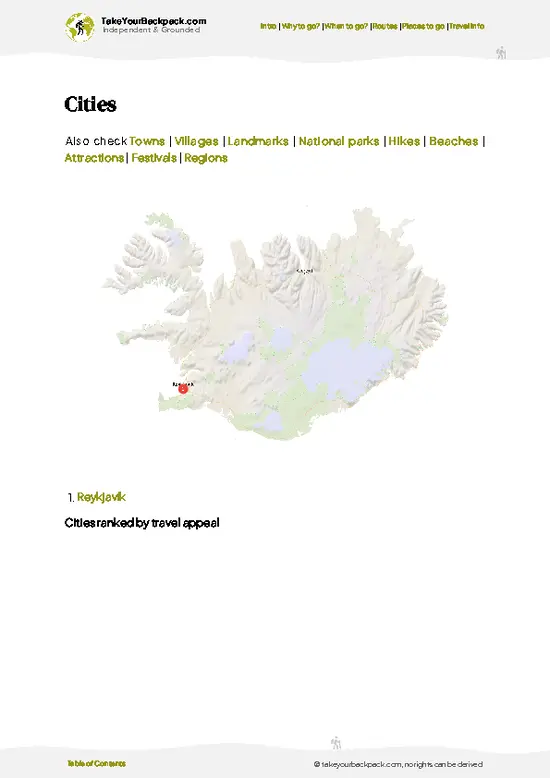
two to four urban bases on a single trip. Iceland's settlements are small enough that you see the core of each in half a day, and the long drives between them eat the hours you would otherwise spend outdoors. Two bases suit a week. Four suit ten days or more. Beyond that you are collecting dots on a map and spending most of the trip in a car or on a bus.
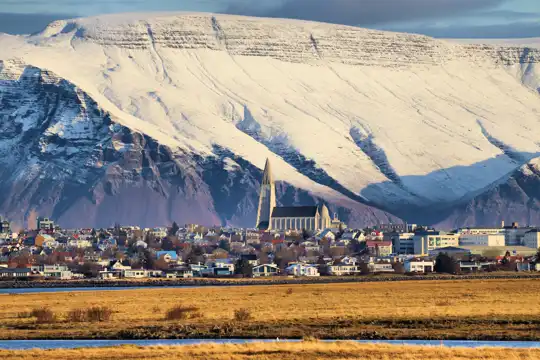
Choosing between kinds: The capital offers the widest range of
hostels, restaurants, music and public transport, so it suits first-timers and anyone without a car. Northern and eastern towns are quieter, smaller and closer to fjords and trailheads, which suits hikers and photographers who want peace more than variety. Fishing villages have the most atmosphere, with salt air, drying racks and harbor cafés, …
read more 👉 How many cities to visit: I advise
two to four urban bases on a single trip. Iceland's settlements are small enough that you see the core of each in half a day, and the long drives between them eat the hours you would otherwise spend outdoors. Two bases suit a week. Four suit ten days or more. Beyond that you are collecting dots on a map and spending most of the trip in a car or on a bus.
Choosing between kinds: The capital offers the widest range of
hostels, restaurants, music and public transport, so it suits first-timers and anyone without a car. Northern and eastern towns are quieter, smaller and closer to fjords and trailheads, which suits hikers and photographers who want peace more than variety. Fishing villages have the most atmosphere, with salt air, drying racks and harbor cafés, but fewer services and shorter opening hours. Pick the capital first, then add one slower town that fits your interests.
What it costs: Iceland is expensive and the numbers add up quickly. A frugal backpacker should budget
US$110 to 170 a day: a dorm bed at US$40 to 70, groceries from Bónus or Krónan at US$15 to 25, and a café or bakery lunch at US$15 to 25. Restaurant dinners start around US$30 to 45 and a pint of beer costs US$9 to 13. Local buses within Reykjavík cost about US$4 per ride. Intercity buses cost roughly US$40 to 70 per leg, while a rental car runs US$60 to 130 a day plus fuel. Geothermal pools charge US$8 to 12 and are worth every króna, as they are the main social space in the country. Museums cost US$15 to 25, and the cheapest options are free walking tours (tip-based) and city-center strolls. Always shower without clothes before entering a pool, as the rule is strictly enforced.
Safety and etiquette: Crime is very low and the cities are safe at night. The danger is
weather. Gusts can rip a car door off its hinges, and ice makes sidewalks slick from November to March, so bring grippy shoes and a windproof shell. Check safetravel.is and vedur.is daily. Tap water is excellent and free, so carry a bottle. Tipping is not expected. Icelanders value quiet, punctuality and personal space, so keep voices down in pools and on the bus. Alcohol is sold only in state Vínbúðin shops, with early closing hours, so plan ahead. Locals drink late on weekends, which means streets in the capital stay loud until 4 a.m.

 Best Backpacking
 Hi, I’m Johan (Netherlands 🇳🇱), the creator of TakeYourBackpack. Over the past 3 decades, I’ve backpacked through 90+ countries across six continents, gaining extensive experience with independent travel, long-term trips, and overland routes.