v2.webp)
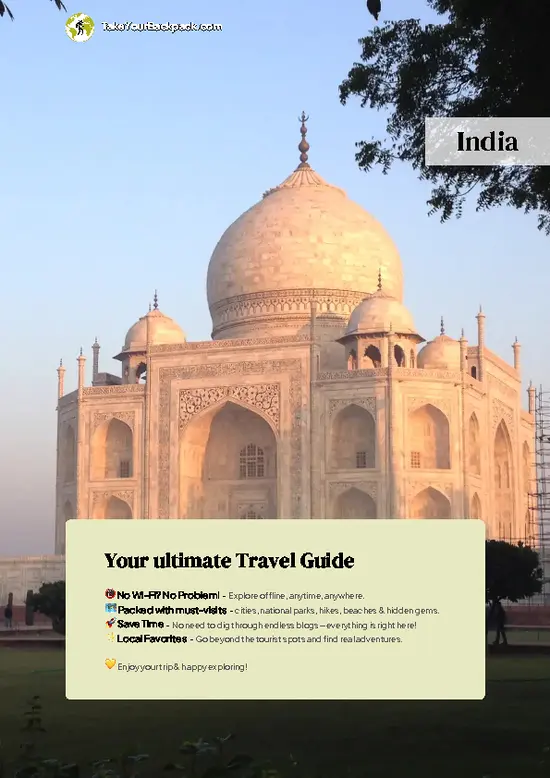
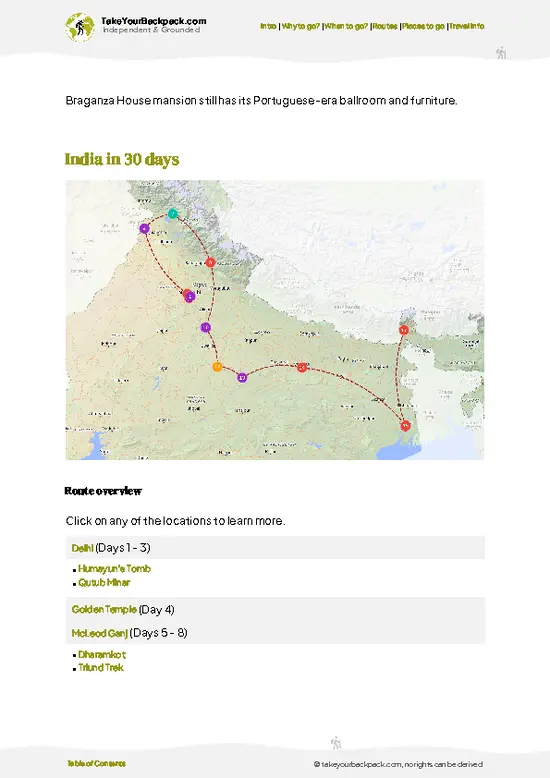
- Goecha La viewpoint: the main show — a jaw-dropping, close-up panorama of Kanchenjunga’s southeast face and the surrounding glaciers. It’s one of the few non-technical viewpoints that makes you feel like you could reach out and touch a 8,500m wall of rock and ice; the scale and blue-ice moraine are what set this apart from most Himalayan treks.
- Dzongri Meadows and viewpoint: vast alpine meadows studded with boulders and wildflowers, with perfect sunrise views of Siniolchu, Pandim and other fluted peaks. It’s surprisingly gentle and accessible compared to other high camps, so you get prime mountain theatre without a gruelling summit day — my personal favorite for the light and peace at dawn.
- Samiti Lake (Chopta Valley): a high-altitude turquoise mirror that, on a calm day, reflects Kanchenjunga
- Goecha La viewpoint: the main show — a jaw-dropping, close-up panorama of Kanchenjunga’s southeast face and the surrounding glaciers. It’s one of the few non-technical viewpoints that makes you feel like you could reach out and touch a 8,500m wall of rock and ice; the scale and blue-ice moraine are what set this apart from most Himalayan treks.
- Dzongri Meadows and viewpoint: vast alpine meadows studded with boulders and wildflowers, with perfect sunrise views of Siniolchu, Pandim and other fluted peaks. It’s surprisingly gentle and accessible compared to other high camps, so you get prime mountain theatre without a gruelling summit day — my personal favorite for the light and peace at dawn.
- Samiti Lake (Chopta Valley): a high-altitude turquoise mirror that, on a calm day, reflects Kanchenjunga like a postcard. The contrast of emerald water against snowy peaks and moraine makes it one of the trek’s most photogenic spots — and oddly intimate compared to the huge vistas at Goecha La.
- Yuksom and Dubdi Monastery: the cultural gateway to the trek — Yuksom was Sikkim’s first capital and Dubdi is one of the oldest monasteries here. It gives context to the whole route: mani stones, prayer flags, and a real slice of Sikkimese history before you disappear into rhododendron forests.
- Rhododendron forests & alpine biodiversity: lower sections burst with rhododendron tunnels in spring, and higher up you cross fragile alpine meadows with marmots, pheasants (blood pheasant, Himalayan monal) and occasional musk deer sign. The variety — temperate forest to sparse high-altitude tundra — makes the trek feel like several ecosystems in one route.
Spotted a mistake or missing something? Contact us.

Highlights of Pelling with Budha Park (Guided Fullday Sightseeing Tour by Car)

Day Trip to Yuksom (Guided Private Sightseeing Tour from Pelling)

Heritage & Cultural Walk of Pelling (2 Hours Guided Walking Tour)

Pelling Food Crawl (2 Hours Guided Local Food Tasting Tour)


 Best Backpacking
.jpg) Hi, I’m Johan (Netherlands 🇳🇱), the creator of TakeYourBackpack. Over the past 3 decades, I’ve backpacked through 90+ countries across six continents, gaining extensive experience with independent travel, long-term trips, and overland routes.
Hi, I’m Johan (Netherlands 🇳🇱), the creator of TakeYourBackpack. Over the past 3 decades, I’ve backpacked through 90+ countries across six continents, gaining extensive experience with independent travel, long-term trips, and overland routes.