×

India🇮🇳 | hikesTarsar Marsar Trekalpine lakes, Kashmir valley, wildflower meadows | things to do and best time to go

Explore Goechala TrekExplore Pin Parvati Pass

Backpacking in Tarsar Marsar Trek
👍 Recommendedhike ranked #9
By Johan Kruseman 🇳🇱 | Updated September 4, 2026

Most people realize too late that the Tarsar Marsar trek gives you big-mountain drama for relatively little altitude pain, so you sleep and hike higher without the usual Himalayan headache tax. Sitting in Kashmir’s Lidder Valley in Jammu & Kashmir, it’s a 4–7 day lake circuit that feels wild but never truly remote. You move through pine forests, Gujjar camps, and huge meadows before those turquoise bowls of Tarsar and Marsar slam into view. It’s moderate, not easy: long days, a couple of stiff passes, and moody weather that can flip from picnic to hailstorm in minutes. Public transport gets you cheaply to Pahalgam or Anantnag, then you bounce by shared cab to Aru. Compared to Kashmir Great Lakes, it’s shorter, quieter, and more intimate, but slightly less varied.

Discover everything you want to know in the 📖 India Travel Guide.
Best time to go: May - October
Duration: 7 days
Distance: 47 kilometers
Total ascent: 2,500 meters


Get your India guide
162 ranked highlights, routes & tips, works offline (498 pages)
Loading the map 🌍
CLICK TO FILTER
cities
towns
villages
landmarks
national parks
hikes
beaches
attractions
festivals
regions
SHOW COUNTRY’S BESTSHOW ALL

✨ Why go?
Ranked #9 hike in India
Why visitors keep coming back

The Tarsar Marsar Trek is a magnet for backpackers craving a mix of stunning scenery and manageable effort. Picture this: lush meadows, shimmering lakes, and towering peaks that seem to cradle the sky. The scenery-to-effort ratio here is off the charts. You’ll sweat a bit, but the payoff is a panorama that makes every step worthwhile.

Getting there? Easy. Public transport whisks you to Aru Valley, the trek’s starting point. From there, you’re on a trail that’s both affordable and flexible. Want to push for a longer day? Go for it. Prefer a leisurely pace? No problem.

This trek fits seamlessly into a longer backpacking route through Kashmir, allowing you to soak in the region’s rich culture and hospitality. After a day of hiking, nothing beats that first cold beer at a local dhaba, where … read more 👉
The Tarsar Marsar Trek is a magnet for backpackers craving a mix of stunning scenery and manageable effort. Picture this: lush meadows, shimmering lakes, and towering peaks that seem to cradle the sky. The scenery-to-effort ratio here is off the charts. You’ll sweat a bit, but the payoff is a panorama that makes every step worthwhile.

Getting there? Easy. Public transport whisks you to Aru Valley, the trek’s starting point. From there, you’re on a trail that’s both affordable and flexible. Want to push for a longer day? Go for it. Prefer a leisurely pace? No problem.

This trek fits seamlessly into a longer backpacking route through Kashmir, allowing you to soak in the region’s rich culture and hospitality. After a day of hiking, nothing beats that first cold beer at a local dhaba, where the warmth of the people matches the beauty of the landscape. It’s not just a trek; it’s an experience that lingers long after you’ve left the trail.
Want to include Tarsar Marsar Trek in your India route?
Create a personalized India itinerary that includes Tarsar Marsar Trek and the places that fit your trip — based on your travel style, budget, and available time. Get your route in seconds.

Generate my trip

💡 HighlightsEssential experiences to have while hiking the Tarsar Marsar Trek

  • Tarsar Lake — The showpiece: a mirror-calm, teal alpine lake tucked into a natural amphitheatre of scree and grassy slopes. Sunrise paints the cirque in soft pastels and you get that rare, silent morning feeling — my personal favorite on this trek because the light and reflections are ridiculously good for doing nothing but staring.
  • Marsar Lake — The quieter twin: greener, a touch more remote and brooding than Tarsar. It’s worth the extra contour for the moodier skies, the wide-open valley that spills away from the lake, and the sense you’ve walked somewhere fewer people bother to go.
  • Lidderwat meadows and waterfalls — Lush, flower-stippled meadows, fast streams and small waterfalls make Lidderwat feel intimate and alive. It’s the “before the high country” camping spot with shepherd huts,
read more 👉
  • Tarsar Lake — The showpiece: a mirror-calm, teal alpine lake tucked into a natural amphitheatre of scree and grassy slopes. Sunrise paints the cirque in soft pastels and you get that rare, silent morning feeling — my personal favorite on this trek because the light and reflections are ridiculously good for doing nothing but staring.
  • Marsar Lake — The quieter twin: greener, a touch more remote and brooding than Tarsar. It’s worth the extra contour for the moodier skies, the wide-open valley that spills away from the lake, and the sense you’ve walked somewhere fewer people bother to go.
  • Lidderwat meadows and waterfalls — Lush, flower-stippled meadows, fast streams and small waterfalls make Lidderwat feel intimate and alive. It’s the “before the high country” camping spot with shepherd huts, rhododendron patches and easy water for cooking — great for low-effort wildlife spotting at dawn.
  • High ridge viewpoints between the lakes — Lots of short, punchy climbs to cols and ridgelines that open up huge panoramas: multiple lakes, serrated peaks, and valley carpets below. These viewpoints are what separate Tarsar-Marsar from the average lake trek — the scale hits you here, and the light at sunset can go cinematic fast.
  • Wildflowers and wildlife encounters — July-August turns the route into a carpet of primulas, buttercups and alpine herbs; marmots whistle from the rocks and you might spot ibex or Himalayan fox prints. Animals are shy, but the mix of flowers, butterflies and occasional birdlife gives the trek a lively, high-altitude feel you don’t get on crowds-heavy trails.
Spotted a mistake or missing something? Contact us.

Things to do near Tarsar Marsar Trek

Ratings based on Tripadvisor reviews. When you book through this link, you support our work at no extra cost to you.

🌤️ When to go?Best time to hike the Tarsar Marsar Trek


  • Weather: The trek thrives in late June through September. Monsoon edges in by July, but the trail weaves through alpine meadows that soak up the rain, turning the landscape lush without turning the path into a mud slog.

  • Temperature: Daytime highs hover around 15-20°C (59-68°F), perfect for steady hiking without overheating. Nights dip to 5-10°C (41-50°F), so pack layers to stay warm after the sun dips.

  • Daylight Hours: Long summer days stretch up to 14-15 hours, giving you plenty of time to cover ground and savor the views without rushing.

  • Crowds: Peak season draws a handful of trekkers, but the trail never feels crowded. Early summer offers solitude; late summer sees more groups but still manageable.

  • Seasonal Activities: Summer bursts with wildflowers and buzzing bees, while autumn
read more 👉

  • Weather: The trek thrives in late June through September. Monsoon edges in by July, but the trail weaves through alpine meadows that soak up the rain, turning the landscape lush without turning the path into a mud slog.

  • Temperature: Daytime highs hover around 15-20°C (59-68°F), perfect for steady hiking without overheating. Nights dip to 5-10°C (41-50°F), so pack layers to stay warm after the sun dips.

  • Daylight Hours: Long summer days stretch up to 14-15 hours, giving you plenty of time to cover ground and savor the views without rushing.

  • Crowds: Peak season draws a handful of trekkers, but the trail never feels crowded. Early summer offers solitude; late summer sees more groups but still manageable.

  • Seasonal Activities: Summer bursts with wildflowers and buzzing bees, while autumn (September) brings crisp air and golden hues, perfect for photographers chasing that perfect shot.

  • Price Fluctuations: Rates for guides and accommodation peak mid-July to August. Booking early or trekking in late June or September can save you a few bucks without sacrificing experience.


Pro-tip: Start your trek early in the season to dodge monsoon mud and cash in on cooler prices, but be ready for a few wet patches that make the journey feel alive.


source: climatestotravel.comJANJanuary: below average for travelingFEBFebruary: below average for travelingMARMarch: fair for travelingAPRApril: fair for travelingMAYMay: good for travelingJUNJune: excellent for travelingJULJuly: highly recommended for travelingAUGAugust: highly recommended for travelingSEPSeptember: excellent for travelingOCTOctober: good for travelingNOVNovember: fair for travelingDECDecember: below average for traveling
india-hike-tarsar-marsar-trek
© Google |

✈️ The backpacker research shortcutIndia Travel Guide

An offline-friendly backpacking guide with optimized travel routes, ranked highlights, transport advice, and the best areas to stay.
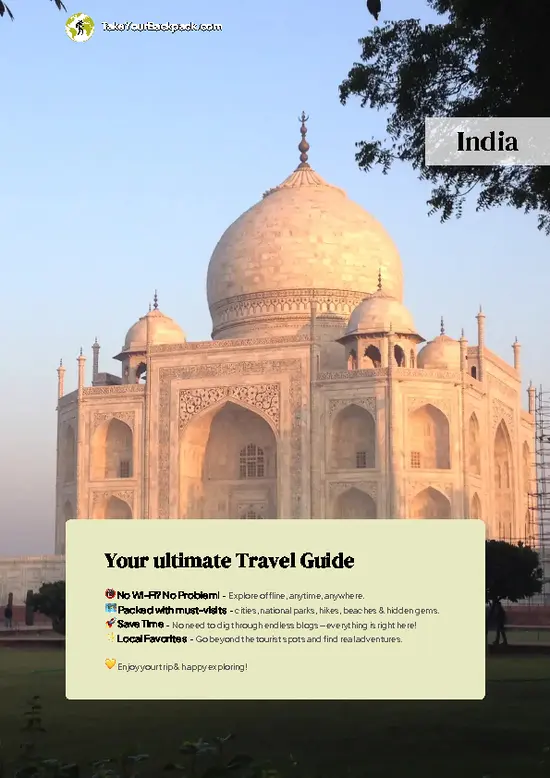
example page 0 from our offline Travel Guide for India
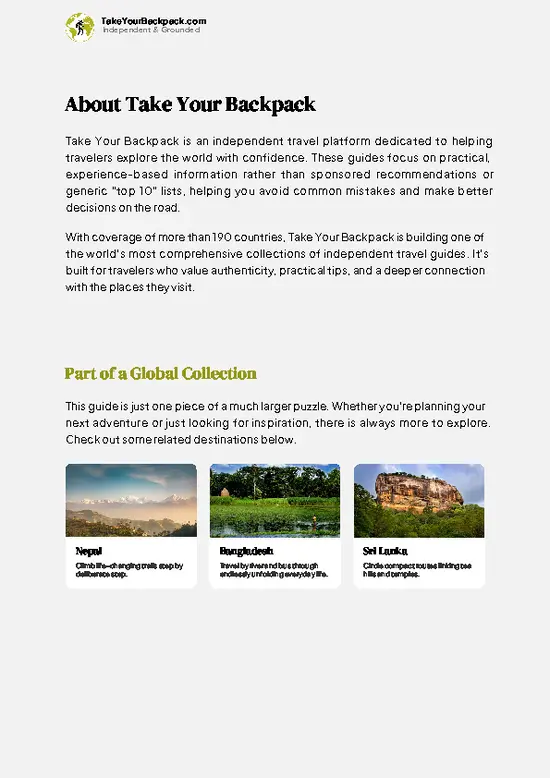
example page 1 from our offline Travel Guide for India
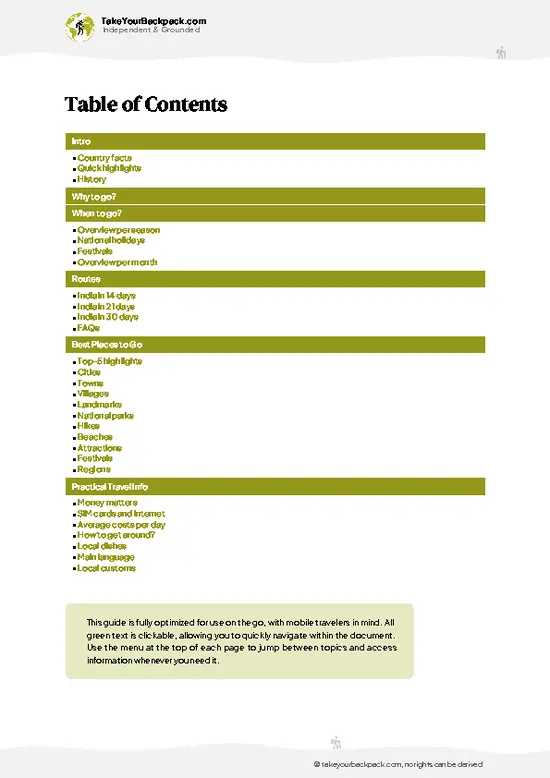
example page 2 from our offline Travel Guide for India
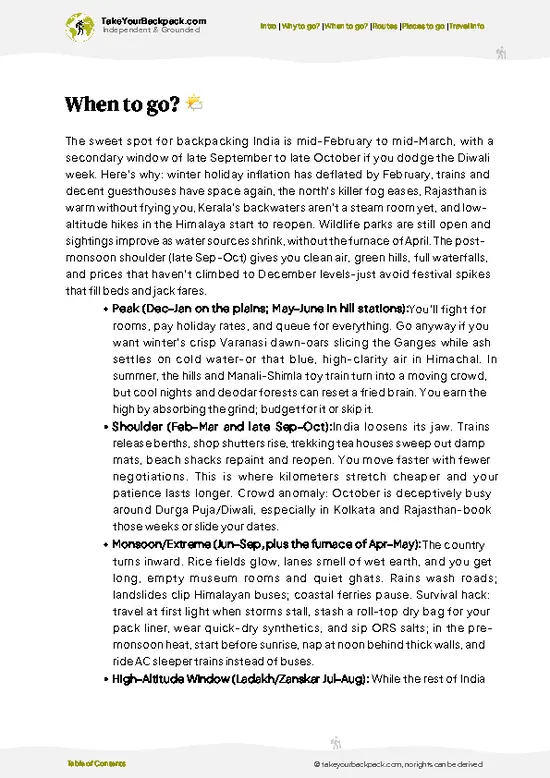
example page 3 from our offline Travel Guide for India
example page 4 from our offline Travel Guide for India
example page 5 from our offline Travel Guide for India
example page 6 from our offline Travel Guide for India
example page 7 from our offline Travel Guide for India
The digital guide (498 pages) contains:
162 highlights, ranked by travel appeal
Optimized 14, 21 & 30-day travel routes
Cities, national parks, landmarks, beaches
How to get around
Offline-friendly for travel without Wi-Fi
👉 Click to see all 30+ guide features

📅 Plan smarter in minutes, not weeks
Month by month travel advice
Festivals & national holidays
Budget expectations

🗺️ Go to the right places, skip the overrated ones
Honest pros & cons of destinations
Top hikes, parks & viewpoints
Lesser-known places most travelers miss
Clear “worth it vs skip it” guidance

🛏️ Travel smoothly without rookie mistakes
Best areas to stay
Transport systems explained simply
Common scams & safety advice
SIM cards, money & practical tips

🌍 Understand the country, not just visit it
Culture & traditions
52 Essential phrases & customs
Festivals worth planning around
Traveler-friendly historical context
Insights that make places more meaningful

📱 Built for real travel conditions
Fully downloadable PDF
Works completely offline
Optimized for phone use
Useful in remote areas & buses
Everything in one place
Save weeks of stressful planning
Get instant access to your full guide. 30‑day money-back guarantee.
+ Add another guide for just US$7.80

By proceeding you agree to our terms.
Sent to your inbox immediately after payment • 100% Secure Checkout
Best Backpacking Travel Advisor 2025 tourism awardBest Backpacking
Travel Advisor
2025
What others say about Take Your Backpack Guides:
⭐⭐⭐⭐⭐
Fantastic, amazing amount of information!
⭐⭐⭐⭐⭐
My goodness this is amazing, it's what I've been looking for hats off too you!
⭐⭐⭐⭐⭐
I think this is absolutely BRILLIANT
⭐⭐⭐⭐
Very complete and informative. It's still missing places, but I gotta to commend you
⭐⭐⭐⭐⭐
This is truly amazing, thank you, can't wait to explore it with my kids!
⭐⭐⭐⭐⭐
Awesome resource, thank you!
⭐⭐⭐⭐⭐
This is amazing! Can't wait to explore the ones I haven't seen
⭐⭐⭐⭐
I love this! Well done, great idea.
⭐⭐⭐⭐⭐
Thanks for taking the time to make this gem!
⭐⭐⭐⭐⭐
This might be the best website I've ever seen.
⭐⭐⭐⭐⭐
Congratulations, and thank you so much for your work; it's incredibly valuable.
⭐⭐⭐⭐
In all seriousness I think you did a great job pointing out the important spots
⭐⭐⭐⭐⭐
10/10 very good
⭐⭐⭐⭐⭐
As someone who's only just starting to visit regularly this is awesome, thank you.
⭐⭐⭐⭐
Thank you very much! I'm going to visit my dad, it's going to be very useful!
⭐⭐⭐⭐⭐
This is really cool! We'll be travelling for the first time and this definitely come in handy.
⭐⭐⭐⭐⭐
You are now our minister of culture, congratulations 👨‍💼
⭐⭐⭐⭐⭐
Just wanted to tell you that this is a pearl! Going to follow your recommendations.
⭐⭐⭐⭐⭐
This is so cool. I'll definitely be using the resource for my travels soon.
⭐⭐⭐⭐⭐
This is very impressive! Good work.
⭐⭐⭐⭐⭐
This is an amazing and informative site. Very well done!

🛏️ Where to stay?Best areas and accommodation options

If you enjoy meeting fellow travelers, consider choosing hostels with high ratings for atmosphere. On the other hand, if you prefer having your own space, a hotel might be a better option.

🥾 Hike detailsTrail overview: what to expect on the hike

Total Distance: Approximately 47 kilometers (about 29 miles) round trip. The trek generally takes you through some stunning landscapes, making every step worth it.

Estimated Duration: Typically, it takes around 5 to 7 days to complete, depending on your pace and how much time you spend soaking in the views or taking side trips.

Difficulty Level: Moderate to challenging. While the trail is well-marked, there are sections with steep ascents and descents, so a decent level of fitness is required.

Starting Point: The trek begins at Aru Valley, which is about 12 kilometers from Pahalgam.
  • Public
read more 👉
Total Distance: Approximately 47 kilometers (about 29 miles) round trip. The trek generally takes you through some stunning landscapes, making every step worth it.

Estimated Duration: Typically, it takes around 5 to 7 days to complete, depending on your pace and how much time you spend soaking in the views or taking side trips.

Difficulty Level: Moderate to challenging. While the trail is well-marked, there are sections with steep ascents and descents, so a decent level of fitness is required.

Starting Point: The trek begins at Aru Valley, which is about 12 kilometers from Pahalgam.
  • Public Transport: You can catch a local bus or taxi from Pahalgam to Aru Valley. The bus ride is quite scenic and will set the tone for your adventure.

Major Landmarks Along the Route:
  • Tarsar Lake: A stunning high-altitude lake, known for its turquoise waters and picturesque surroundings. Perfect for a lunch stop or just to chill and take photos.
  • Marsar Lake: Another gem, slightly less visited but equally beautiful, surrounded by lush meadows and snow-capped peaks.
  • Sheeshnag Lake: A great spot to camp if you’re taking the longer route; the reflections on the water are Instagram-worthy.

Type of Terrain and Scenery: Expect a mix of grassy meadows, rocky paths, and some steep inclines. The scenery shifts from dense forests to open alpine pastures. You’ll be treated to views of snow-capped mountains, gushing streams, and vibrant wildflowers, especially in late spring and summer.

Typical Vegetation and Wildlife:
  • Vegetation: You’ll see a variety of flora, including pine forests, alpine meadows, and wildflowers like bluebells and primulas.
  • Wildlife: Keep an eye out for Himalayan black bears, musk deer, and various bird species. If you’re lucky, you might spot a snow leopard in the distance (though they’re pretty elusive).

This trek is a great way to immerse yourself in the natural beauty of the Indian Himalayas. Just remember to pack enough food, water, and warm clothing, as the weather can change quickly. Happy hiking!
⚠️ Hiking info can sometimes be outdated or inaccurate. Before you hit the trail, check the latest conditions with locals. If you do spot anything that's off, I'd love to hear from you, so I can update it for fellow travelers.

🛡️ SafetyScams, Hazards, and Annoyances

The Tarsar Marsar Trek is a feast for the senses, but it demands respect. Weather can shift quickly; sunny mornings can morph into chilly afternoons. Layer your clothing and be ready for anything. The terrain? Expect steep ascents and rocky paths that require focus. Footing can be tricky, especially after rain, so sturdy boots are non-negotiable.

Wildlife encounters are rare but possible. If you spot a Himalayan black bear or a flock of sheep, keep your distance and let them be. They’re more afraid of you than you are of them.

Preparation is key. Many first-timers underestimate the altitude; take it slow to acclimatize. Hydration is crucial, so drink up. Timing your trek to avoid the monsoon season will save you from muddy trails and swollen rivers. Embrace the challenge, and the breathtaking views will reward your efforts.

FAQFrequently asked questions about Tarsar Marsar Trek

The Tarsar Marsar Trek typically takes 6 to 8 days to complete, covering around 40 to 50 kilometers depending on the route taken. Most trekkers plan for 7 days to allow for acclimatization and a comfortable pace.
The trek is moderately difficult, suitable for experienced hikers with good fitness levels. It involves high-altitude trekking with daily ascents and descents, reaching elevations up to 3,700 meters, so acclimatization is important.
Yes, a guide is recommended for navigation and safety, especially for first-timers. A permit is required as the trek passes through protected areas in Jammu and Kashmir, which can be obtained from local authorities or trekking agencies.
⚠️ Things can change over time, so always validate details locally before you go.

Other Indian hikes near Tarsar Marsar Trek

Explore more nearby:

  • Zanskar Valley Trek—remote gorges, Buddhist villages, arid plateaus| 205 km away
  • Chadar Trek—frozen river, Ladakh winter, ice caves| 248 km away
  • Triund Trek—Dhauladhar foothills, accessible trail, ridge camping| 251 km away

💡 Not sure where to go next?
Create a personalized itinerary for India including Tarsar Marsar Trek and the places that fit your trip.

Generate my itinerary

👉 Discover all hikes

Or checkout all India has to offer (think cities, towns, villages, national parks, hikes, beaches, festivals)
Country photo of India

We 💚 feedbackIs it worth it?

The Tarsar Marsar Trek is a feast for the senses. Picture this: emerald lakes reflecting jagged peaks, and the thrill of spotting a herd of grazing sheep. But here’s the kicker—this trek isn’t a walk in the park. The altitude can hit hard, and the trails can be relentless. Still, when you finally plop down by a lake, sipping that first cold chai, you’ll know every step was worth it.

✈️ When did I visit India?
As part of my 1.5 year travel around the world trip, I visited India in December 2015.

✍️ Help improve this page!
The information on this page is based on my own backpacking experience in India, supplemented with up-to-date research and feedback from other travelers. Travel details can change, so if you notice anything outdated or incomplete, feel free to let me know.


🙋‍♂️ Give feedback

👋 Meet the founderWho’s Behind Take Your Backpack?

Johan, backpacker and founder of TakeYourBackpackHi, I’m Johan (Netherlands 🇳🇱), the creator of TakeYourBackpack. Over the past decade, I’ve backpacked through 80+ countries across six continents, gaining extensive experience with independent travel, long-term trips, and overland routes.

This site is built on a combination of firsthand travel experience and carefully curated insights from other backpackers. Many guides are based on places I’ve personally visited, while others bring together tips, observations, and practical advice shared by trusted travelers I’ve met along the way.

The goal is to provide realistic, experience-driven guidance — not generic itineraries — so you can explore destinations with better context, clearer expectations, and more confidence.

Get full India guide •
Instant download • 162 highlights • Full Offline guide