×

India🇮🇳 | villagesDharamkotforest trails, yoga retreats, mountain cafés | things to do and best time to go

Explore Brihadeeswara TempleExplore Khajjiar

Backpacking in Dharamkot
👌 Worth visitingvillage ranked #3
By Johan Kruseman 🇳🇱 | Updated September 4, 2026

Everyone talks about Dharamkot as “that yoga/meditation hill above McLeod Ganj,” but the real reason it works is simpler: cool pine air, slow mornings in cafés, and easy access to trails without the chaos of town traffic. Perched above McLeod in Himachal Pradesh, it’s basically the quieter balcony of the Dharamsala area. You come here to walk forest paths to Triund or Naddi, linger in Israeli cafés, and actually hear yourself think. It’s small, walkable, and reached by taxi or shared cab from McLeod after a long bus ride up from the plains; once you’re here, your feet do most of the work, with the occasional scooter or taxi for lazy days. Compared to McLeod Ganj, Dharamkot feels more backpacker-commune than Tibetan town: fewer temples and shops, more hostels, long-stay foreigners, and sunset viewpoints where everyone shares chai instead of crowding into bars. Costs are mid-range for the Himalaya—cheaper than Manali’s trendiest corners, pricier than Bhagsu’s scruffier rooms—and safety is mostly about watching your footing on steep, dark lanes at night. As a base, it’s ideal for a few days of hikes, courses, and café life rather than a pure transit stop, a place where you slow down your route instead of just ticking another hill station off the list.

Discover everything you want to know in the 📖 India Travel Guide.


Get your India guide
162 ranked highlights, routes & tips, works offline (498 pages)
Loading the map 🌍
CLICK TO FILTER
cities
towns
villages
landmarks
national parks
hikes
beaches
attractions
festivals
regions
SHOW COUNTRY’S BESTSHOW ALL

✨ Why go?
Ranked #3 village in India
What makes it a must-see village

Dharamkot draws backpackers for its strategic location and laid-back vibe. Nestled in the foothills of the Himalayas, it serves as a gateway to stunning hikes like Triund, where the air is crisp and the views stretch endlessly. The walkable streets are lined with small-scale hostels and guesthouses, offering cozy spots to recharge after a day of exploration. You’ll find local food experiences that tantalize your taste buds, from spicy chai to hearty thalis, all served with a side of warm smiles.

Travelers often linger here for a few days, soaking in the friendly social atmosphere that encourages connection. It’s perfect for solo travelers or those in small groups looking to share stories over a campfire or at a local café. While the town isn’t a nightlife hub, its charm lies in the tranquilityread more 👉
Dharamkot draws backpackers for its strategic location and laid-back vibe. Nestled in the foothills of the Himalayas, it serves as a gateway to stunning hikes like Triund, where the air is crisp and the views stretch endlessly. The walkable streets are lined with small-scale hostels and guesthouses, offering cozy spots to recharge after a day of exploration. You’ll find local food experiences that tantalize your taste buds, from spicy chai to hearty thalis, all served with a side of warm smiles.

Travelers often linger here for a few days, soaking in the friendly social atmosphere that encourages connection. It’s perfect for solo travelers or those in small groups looking to share stories over a campfire or at a local café. While the town isn’t a nightlife hub, its charm lies in the tranquility and the chance to unwind. If you’re a slow traveler or a hiker, Dharamkot offers a meaningful pause, making it a worthwhile stop on your journey.
Want to include Dharamkot in your India route?
Create a personalized India itinerary that includes Dharamkot and the places that fit your trip — based on your travel style, budget, and available time. Get your route in seconds.

Generate my trip

💡 HighlightsDon't-miss highlights and experiences

  1. Triund trek trailhead (from Dharamkot) — The real draw: a well-marked trail that starts in Dharamkot and climbs to the Triund ridge. Steep in parts, hugely rewarding for panoramic Dhauladhar views, day hikes, and overnight camping under clear skies.
  2. Dharamkot Viewpoint / Sunset Point — A compact, easy-to-reach ridge spot that delivers dramatic sunsets and low-cloud plays over the valley. Great for a short walk, photos, and an evening tea with a view.
  3. Tushita Meditation Centre — A respected Tibetan Buddhist centre on the Dharamkot road that runs regular short courses, drop-in meditation sessions and a calm courtyard worth visiting even if you don’t join a program.
  4. Illiterati-style book cafés and independent coffee spots — Dharamkot’s cluster of small cafés and bookshops (the village’s
read more 👉
  1. Triund trek trailhead (from Dharamkot) — The real draw: a well-marked trail that starts in Dharamkot and climbs to the Triund ridge. Steep in parts, hugely rewarding for panoramic Dhauladhar views, day hikes, and overnight camping under clear skies.
  2. Dharamkot Viewpoint / Sunset Point — A compact, easy-to-reach ridge spot that delivers dramatic sunsets and low-cloud plays over the valley. Great for a short walk, photos, and an evening tea with a view.
  3. Tushita Meditation Centre — A respected Tibetan Buddhist centre on the Dharamkot road that runs regular short courses, drop-in meditation sessions and a calm courtyard worth visiting even if you don’t join a program.
  4. Illiterati-style book cafés and independent coffee spots — Dharamkot’s cluster of small cafés and bookshops (the village’s café culture) is where backpackers, yogis and locals converge; perfect for slow mornings, people-watching and meeting other travelers.
  5. Village market and back lanes — Narrow lanes lined with small stalls selling Tibetan handicrafts, incense, local snacks and trekking gear. Walking these lanes gives a real feel for everyday village life and local commerce.
  6. Local gompa / small Tibetan monastery — A quiet, modest gompa tucked into the village where you can observe rituals, prayer flags and a calmer side of Dharamkot’s Tibetan cultural presence—visit respectfully during prayer times.
  7. Rooftop tea houses and tiny viewpoints above homestays — Many homestays and small tea shops have rooftop terraces with uninterrupted mountain views. They’re low-key, friendly places to watch sunrise, chat with hosts and taste local chai.
  8. Terraced orchards and farmhouse walks — Short walks from the core village thread through terraced fields and apple/vegetable plots. It’s a simple, local landscape that changes with the seasons and is great for quiet wandering or sunrise photos.
  9. Community yoga and small retreat shalas — Dharamkot is home to several small yoga/ayurveda teachers who run drop-in classes and short retreats; they’re accessible, affordable and a direct way to tap into the village’s chill, wellness-driven vibe.
  10. Homestays and volunteer initiatives — Staying with a local family or joining a small village volunteer project (teaching, upkeep, community events) is one of the most authentic ways to understand daily life and give back a little while visiting.
For nearby day trips outside Dharamkot, hit McLeod Ganj and Namgyal Monastery, Bhagsu Waterfall & Bhagsunath Temple, and the Norbulingka Institute — all easily reachable by a short walk or taxi; Bhagsu Waterfall is my personal favorite for a quick, refreshing outing.
Spotted a mistake or missing something? Contact us.

Things to do around Dharamkot

Ratings based on Tripadvisor reviews. When you book through this link, you support our work at no extra cost to you.

⌛️ 1 daySeeing the highlights in 24 hours

Dharamkot, perched in the foothills of the Himalayas, is a haven for those seeking tranquility and a taste of local life. The air is crisp, infused with the scent of pine and the distant sound of temple bells. It’s a place where yoga retreats and cozy cafés coexist with vibrant local culture, making it a perfect spot for a day of exploration.

Start your morning with a hike to the nearby Bhagsu Waterfall. The trail winds through lush greenery, and as you ascend, the sound of rushing water grows louder, promising a refreshing reward. The waterfall itself is a sight to behold, cascading over rocks and inviting you to dip your toes in. After soaking in the natural beauty, head back down to the village for a hearty breakfast at a local café. Try the homemade muesli with fresh fruit and yogurt; … read more 👉
Dharamkot, perched in the foothills of the Himalayas, is a haven for those seeking tranquility and a taste of local life. The air is crisp, infused with the scent of pine and the distant sound of temple bells. It’s a place where yoga retreats and cozy cafés coexist with vibrant local culture, making it a perfect spot for a day of exploration.

Start your morning with a hike to the nearby Bhagsu Waterfall. The trail winds through lush greenery, and as you ascend, the sound of rushing water grows louder, promising a refreshing reward. The waterfall itself is a sight to behold, cascading over rocks and inviting you to dip your toes in. After soaking in the natural beauty, head back down to the village for a hearty breakfast at a local café. Try the homemade muesli with fresh fruit and yogurt; it’s a delightful way to fuel up for the day ahead.

In the afternoon, wander through the narrow lanes of Dharamkot. Explore the lesser-known neighborhood of Karthani, where you’ll find charming local shops selling handmade crafts and textiles. Stop by a small tea stall, where the owner brews chai with a secret blend of spices. The warmth of the tea and the friendly chatter will make you feel right at home.

As the sun begins to set, make your way to the Tibetan monastery. The golden light casts a serene glow over the prayer flags fluttering in the breeze. Spend some time meditating or simply absorbing the peaceful atmosphere. For dinner, head to a rooftop restaurant that offers stunning views of the valley. Enjoy a plate of momos while watching the sky turn shades of pink and orange.

Dharamkot is not just a destination; it’s an experience that lingers long after you leave. Embrace the rhythm of the day, and you’ll find that every moment is a step toward something beautiful.
Turn your Dharamkot visit into an India adventure
Build a complete India route with Dharamkot, hidden gems, must-see destinations, and realistic travel times included.

Generate my trip

🌤️ When to go?When to go for the best experience


  • Topic: Weather – The best time to visit Dharamkot is from March to June and September to November. Spring and autumn bring mild temperatures, avoiding the heavy monsoon rains that drench the area from July to August.

  • Topic: Temperature – Expect daytime highs around 20-25°C (68-77°F) in spring and autumn, perfect for trekking without overheating. Winters dip to 5-10°C (41-50°F), which can be chilly but manageable with layers.

  • Topic: Daylight Hours – Around 11-12 hours of daylight in peak seasons, giving you ample time to explore trails and cafes before dusk settles in.

  • Topic: Crowds – Peak tourist season is spring and autumn, so expect more travelers but also a lively atmosphere. Off-season is quieter but some guesthouses may close.

  • Topic: Seasonal Activities – Spring and autumn
read more 👉

  • Topic: Weather – The best time to visit Dharamkot is from March to June and September to November. Spring and autumn bring mild temperatures, avoiding the heavy monsoon rains that drench the area from July to August.

  • Topic: Temperature – Expect daytime highs around 20-25°C (68-77°F) in spring and autumn, perfect for trekking without overheating. Winters dip to 5-10°C (41-50°F), which can be chilly but manageable with layers.

  • Topic: Daylight Hours – Around 11-12 hours of daylight in peak seasons, giving you ample time to explore trails and cafes before dusk settles in.

  • Topic: Crowds – Peak tourist season is spring and autumn, so expect more travelers but also a lively atmosphere. Off-season is quieter but some guesthouses may close.

  • Topic: Seasonal Activities – Spring and autumn offer clear skies for trekking and paragliding; monsoon months bring lush greenery but slippery trails and limited outdoor options.

  • Topic: Price Fluctuations – Accommodation and food prices rise during peak seasons; visiting just before or after peak months can save money without sacrificing weather quality.


Pro-tip: Arrive early in the morning during peak season to catch the soft golden light on the hills and avoid midday crowds on popular trails.


source: climatestotravel.comJANJanuary: good for travelingFEBFebruary: good for travelingMARMarch: excellent for travelingAPRApril: excellent for travelingMAYMay: excellent for travelingJUNJune: highly recommended for travelingJULJuly: fair for travelingAUGAugust: fair for travelingSEPSeptember: excellent for travelingOCTOctober: excellent for travelingNOVNovember: excellent for travelingDECDecember: good for traveling
when-to-go

✈️ The backpacker research shortcutIndia Travel Guide

An offline-friendly backpacking guide with optimized travel routes, ranked highlights, transport advice, and the best areas to stay.
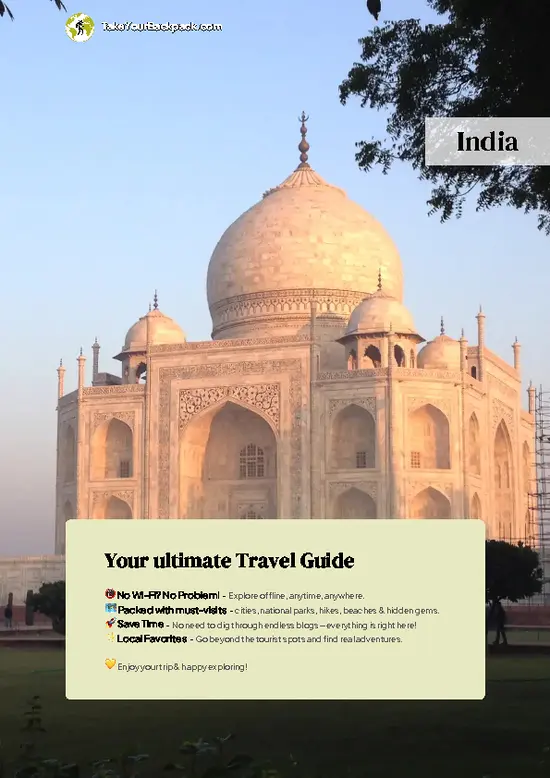
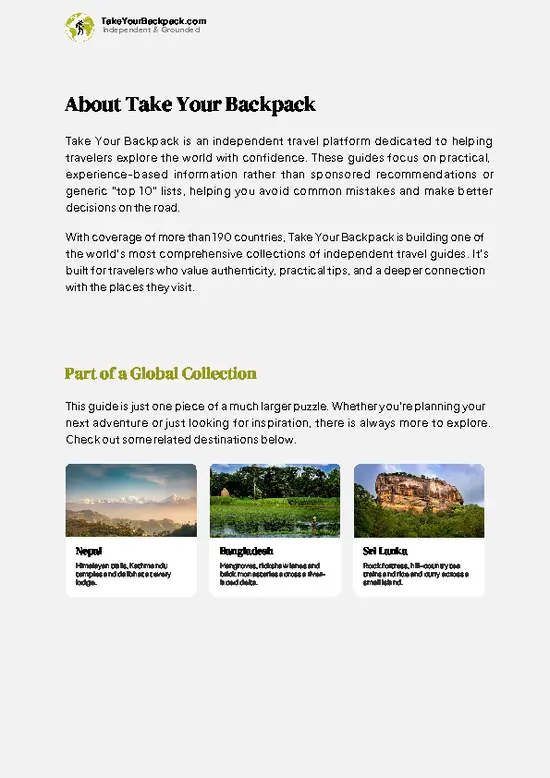
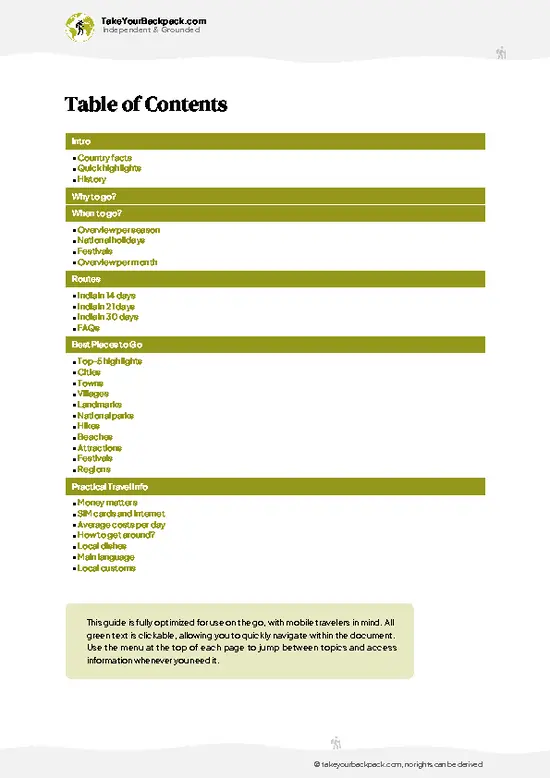
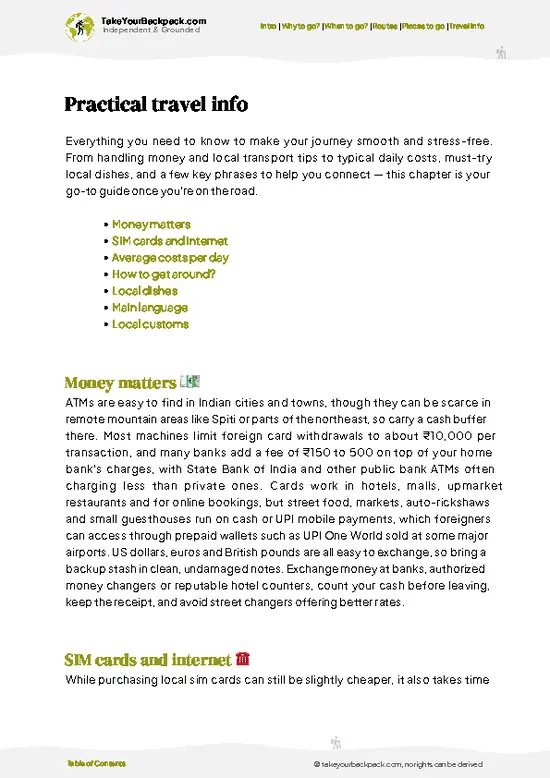
example page 0 from our offline Travel Guide for India
example page 1 from our offline Travel Guide for India
example page 2 from our offline Travel Guide for India
example page 3 from our offline Travel Guide for India
example page 4 from our offline Travel Guide for India
example page 5 from our offline Travel Guide for India
example page 6 from our offline Travel Guide for India
example page 7 from our offline Travel Guide for India
The digital guide (498 pages) contains:
162 highlights, ranked by travel appeal
Optimized 14, 21 & 30-day travel routes
Cities, national parks, landmarks, beaches
How to get around
Offline-friendly for travel without Wi-Fi
👉 Click to see all 30+ guide features

📅 Plan smarter in minutes, not weeks
Month by month travel advice
Festivals & national holidays
Budget expectations

🗺️ Go to the right places, skip the overrated ones
Honest pros & cons of destinations
Top hikes, parks & viewpoints
Lesser-known places most travelers miss
Clear “worth it vs skip it” guidance

🛏️ Travel smoothly without rookie mistakes
Best areas to stay
Transport systems explained simply
Common scams & safety advice
SIM cards, money & practical tips

🌍 Understand the country, not just visit it
Culture & traditions
52 Essential phrases & customs
Festivals worth planning around
Traveler-friendly historical context
Insights that make places more meaningful

📱 Built for real travel conditions
Fully downloadable PDF
Works completely offline
Optimized for phone use
Useful in remote areas & buses
Everything in one place
Save weeks of stressful planning
Get instant access to your full guide. 30‑day money-back guarantee.
+ Add another guide for just US$7.80

By proceeding you agree to our terms.
Sent to your inbox immediately after payment • 100% Secure Checkout
Best Backpacking Travel Advisor 2025 tourism awardBest Backpacking
Travel Advisor
2025
What others say about Take Your Backpack Guides:
⭐⭐⭐⭐⭐
Fantastic, amazing amount of information!
⭐⭐⭐⭐⭐
My goodness this is amazing, it's what I've been looking for hats off too you!
⭐⭐⭐⭐⭐
I think this is absolutely BRILLIANT
⭐⭐⭐⭐
Very complete and informative. It's still missing places, but I gotta to commend you
⭐⭐⭐⭐⭐
This is truly amazing, thank you, can't wait to explore it with my kids!
⭐⭐⭐⭐⭐
Awesome resource, thank you!
⭐⭐⭐⭐⭐
This is amazing! Can't wait to explore the ones I haven't seen
⭐⭐⭐⭐
I love this! Well done, great idea.
⭐⭐⭐⭐⭐
Thanks for taking the time to make this gem!
⭐⭐⭐⭐⭐
This might be the best website I've ever seen.
⭐⭐⭐⭐⭐
Congratulations, and thank you so much for your work; it's incredibly valuable.
⭐⭐⭐⭐
In all seriousness I think you did a great job pointing out the important spots
⭐⭐⭐⭐⭐
10/10 very good
⭐⭐⭐⭐⭐
As someone who's only just starting to visit regularly this is awesome, thank you.
⭐⭐⭐⭐
Thank you very much! I'm going to visit my dad, it's going to be very useful!
⭐⭐⭐⭐⭐
This is really cool! We'll be travelling for the first time and this definitely come in handy.
⭐⭐⭐⭐⭐
You are now our minister of culture, congratulations 👨‍💼
⭐⭐⭐⭐⭐
Just wanted to tell you that this is a pearl! Going to follow your recommendations.
⭐⭐⭐⭐⭐
This is so cool. I'll definitely be using the resource for my travels soon.
⭐⭐⭐⭐⭐
This is very impressive! Good work.
⭐⭐⭐⭐⭐
This is an amazing and informative site. Very well done!

🛏️ Where to stay?Best areas and accommodation options

Dharamkot’s heart for backpackers pulses strongest around the main village stretch just off the road from McLeod Ganj. This area is a magnet for solo travelers and budget adventurers because it balances safety with social buzz—think cozy cafes spilling chai-scented air onto narrow lanes where you’ll bump into fellow wanderers. Hostels cluster here, offering communal spaces that make it easy to swap stories or plan hikes without shouting over traffic. Compared to the quieter, more residential edges, staying near the village center means you’re steps from lively markets and the trailheads that lead … read more 👉
Dharamkot’s heart for backpackers pulses strongest around the main village stretch just off the road from McLeod Ganj. This area is a magnet for solo travelers and budget adventurers because it balances safety with social buzz—think cozy cafes spilling chai-scented air onto narrow lanes where you’ll bump into fellow wanderers. Hostels cluster here, offering communal spaces that make it easy to swap stories or plan hikes without shouting over traffic. Compared to the quieter, more residential edges, staying near the village center means you’re steps from lively markets and the trailheads that lead into the pine-scented hills. It’s the sweet spot where comfort meets connection, without the tourist overload of McLeod Ganj itself.

🚌 Getting aroundHow to get from A to B

Dharamkot moves at its own pace—more a gentle sway than a strict tick of the clock. The air carries the scent of pine and wood smoke, mingling with the distant murmur of the mountains. Here, schedules blur into the rhythm of footsteps on uneven paths and the occasional honk of a shared jeep. It’s a place where intuition guides your timing more than timetables, but knowing the transit options sharpens your edge, turning wandering into purposeful exploration.


  • Walking: The heart of Dharamkot beats on foot. Narrow, steep lanes lined with guesthouses and cafes invite you to explore at your own pace. Walking is free, immersive, and the best way to catch the shifting light through deodar trees, but be ready for some uphill stretches that test your legs.


  • Shared Jeep to McLeod Ganj: Runs roughly
read more 👉
Dharamkot moves at its own pace—more a gentle sway than a strict tick of the clock. The air carries the scent of pine and wood smoke, mingling with the distant murmur of the mountains. Here, schedules blur into the rhythm of footsteps on uneven paths and the occasional honk of a shared jeep. It’s a place where intuition guides your timing more than timetables, but knowing the transit options sharpens your edge, turning wandering into purposeful exploration.


  • Walking: The heart of Dharamkot beats on foot. Narrow, steep lanes lined with guesthouses and cafes invite you to explore at your own pace. Walking is free, immersive, and the best way to catch the shifting light through deodar trees, but be ready for some uphill stretches that test your legs.


  • Shared Jeep to McLeod Ganj: Runs roughly from 7 AM to 7 PM, costing around ₹30-50. These jeeps are the lifeline for locals and travelers alike—fast, frequent, and packed with chatter. They drop you at the main square in McLeod Ganj, perfect for connecting to buses or just diving into town life.


  • Local Bus to Dharamsala: Early morning starts around 6 AM, last bus by 6 PM, fares under ₹40. Slower than jeeps but more spacious and reliable for longer hauls. Expect basic comfort but a window seat offers panoramic views of terraced fields and misty hills.


  • Motorbike Rentals: Available from 300-500 INR per day, giving you freedom to chase sunrise views or hidden trails. Ideal if you want to break free from the crowd, but the winding mountain roads demand respect and steady hands.

👛 Costs (as of 4 September 2026)What things cost and how to budget

Backpacking in Dharamkot, India, feels like stepping into a laid-back mountain retreat where every rupee counts but the experience is rich. Here’s what you’ll typically spend day-to-day, broken down so you can plan smart and savor the vibe without surprises.
  • Dorm Accommodation: Expect to pay around $5 to $10 USD per night for a bed in a basic dorm. These are simple, often with shared bathrooms and a view of the pine forests or the valley. The charm is in the rustic, no-frills setup that keeps you close to nature and fellow travelers.
  • Meals: Local eateries serve hearty, flavorful meals for about $2 to $5 USD each. Breakfast might be a steaming plate of parathas or eggs with chai, while dinner could be dal, rice, and fresh vegetables. Western-style cafes charge a bit more, around $4 to $7
read more 👉
Backpacking in Dharamkot, India, feels like stepping into a laid-back mountain retreat where every rupee counts but the experience is rich. Here’s what you’ll typically spend day-to-day, broken down so you can plan smart and savor the vibe without surprises.
  • Dorm Accommodation: Expect to pay around $5 to $10 USD per night for a bed in a basic dorm. These are simple, often with shared bathrooms and a view of the pine forests or the valley. The charm is in the rustic, no-frills setup that keeps you close to nature and fellow travelers.
  • Meals: Local eateries serve hearty, flavorful meals for about $2 to $5 USD each. Breakfast might be a steaming plate of parathas or eggs with chai, while dinner could be dal, rice, and fresh vegetables. Western-style cafes charge a bit more, around $4 to $7 USD, but they’re worth it for a change of pace or a good coffee fix.
  • Local Transport: Dharamkot is small and walkable, so transport costs are minimal. If you do take a local taxi or shared jeep to nearby Dharamshala or McLeod Ganj, budget about $1 to $3 USD each way. The fresh mountain air and winding roads make walking the best way to soak in the atmosphere.
  • Basic Activities/Entry Fees: Most hikes and natural attractions around Dharamkot are free or ask for a small donation, usually under $1 USD. If you visit a meditation center or yoga class, expect to pay $3 to $10 USD depending on the session length and instructor reputation.
  • Miscellaneous Expenses: This covers things like bottled water, snacks, or a local SIM card. Plan for about $1 to $3 USD daily. Water is best filtered or boiled, so many travelers carry a reusable bottle and use local refill stations.

All told, you’re looking at roughly $10 to $25 USD per day to cover the essentials in Dharamkot. This range lets you stretch your budget with simple meals and dorm stays or indulge a bit with yoga classes and occasional cafe treats. The key is embracing the slow pace and natural surroundings—spending less on transport and more on soaking in the crisp mountain air and quiet trails.
⚠️ Prices can change and everyone travels differently, so take this as a rough guide. Hope it helps you plan your adventure!

🚌 Day tripsEasy escapes and nearby places

Dharamkot is a backpacker’s dream, perfectly positioned for day trips that blend adventure with cultural immersion. The trails and roads leading from this charming hilltop village offer a variety of experiences, each with its own unique flavor.

Triund Trek
This trek is a rite of passage for many travelers. The trail winds through lush forests, with the scent of pine filling the air as you ascend. It takes about 4-5 hours to reach the summit, where you’re rewarded with panoramic views of the Dhauladhar range. The best time to go is between March and June, when the weather is mild. Budget around ₹500 for transportation and snacks. A common mistake? Many underestimate the trek’s difficulty; wear sturdy shoes and carry enough water.


Bhagsu Waterfall
Just a short hike from Dharamkot, the … read more 👉
Dharamkot is a backpacker’s dream, perfectly positioned for day trips that blend adventure with cultural immersion. The trails and roads leading from this charming hilltop village offer a variety of experiences, each with its own unique flavor.

Triund Trek
This trek is a rite of passage for many travelers. The trail winds through lush forests, with the scent of pine filling the air as you ascend. It takes about 4-5 hours to reach the summit, where you’re rewarded with panoramic views of the Dhauladhar range. The best time to go is between March and June, when the weather is mild. Budget around ₹500 for transportation and snacks. A common mistake? Many underestimate the trek’s difficulty; wear sturdy shoes and carry enough water.


Bhagsu Waterfall
Just a short hike from Dharamkot, the Bhagsu Waterfall is a refreshing escape. The sound of rushing water mingles with the chatter of fellow travelers, creating a lively atmosphere. It’s about a 30-minute walk, making it perfect for a quick getaway. The entrance is free, but you might spend ₹200 on a chai and snacks from local stalls. Visit in the early morning to avoid the crowds and soak in the tranquility.


McLeod Ganj
A mere 30-minute walk or a quick bus ride from Dharamkot, McLeod Ganj is the heart of Tibetan culture in India. Explore the bustling markets, where the aroma of momos fills the air, and visit the Dalai Lama’s temple for a dose of serenity. You can easily spend a few hours wandering, and it’s free to enter the temple. Aim for a weekday visit to dodge the weekend tourist rush.
👉 Explore McLeod Ganj

Norbulingka Institute
This cultural center is a hidden treasure, showcasing Tibetan art and craftsmanship. It’s about a 40-minute bus ride from Dharamkot. The serene gardens and intricate sculptures offer a peaceful retreat. Entry is free, but consider spending ₹300 on a handmade souvenir. Many overlook this spot, but it’s a chance to connect with Tibetan culture in a meaningful way.
Want to know what more India offers?
The India Travel Guide describes 162 highlights, from cities to national parks, from beaches to hikes

Get the Travel Guide -

🛡️ SafetyTraveler Safety Guide

Dharamkot is generally safe, but a few practical tips can enhance your experience. The narrow paths winding through the town can get crowded, especially near cafes and shops. Stay aware of your surroundings, particularly when navigating the bustling market areas.

If you’re solo, avoid wandering too far after dark. The dimly lit paths can feel isolating, and it’s easy to lose your way. Stick to well-trodden routes and consider joining a group for evening outings.

Scams are rare, but be cautious with overly friendly locals offering “free” tours or services. Often, they expect a tip that can feel more like a demand. Always agree on prices upfront, especially for taxis or guided hikes.

Keep your belongings close, especially in crowded spots. A simple crossbody bag can deter pickpockets. With … read more 👉
Dharamkot is generally safe, but a few practical tips can enhance your experience. The narrow paths winding through the town can get crowded, especially near cafes and shops. Stay aware of your surroundings, particularly when navigating the bustling market areas.

If you’re solo, avoid wandering too far after dark. The dimly lit paths can feel isolating, and it’s easy to lose your way. Stick to well-trodden routes and consider joining a group for evening outings.

Scams are rare, but be cautious with overly friendly locals offering “free” tours or services. Often, they expect a tip that can feel more like a demand. Always agree on prices upfront, especially for taxis or guided hikes.

Keep your belongings close, especially in crowded spots. A simple crossbody bag can deter pickpockets. With these small adjustments, you’ll navigate Dharamkot like a pro and soak in its vibrant atmosphere.

FAQTraveler FAQ

Dharamkot is best reached by first traveling to McLeod Ganj, which is about 6 kilometers from Dharamkot. From McLeod Ganj, you can take a taxi, scooter, or hike to Dharamkot, which takes around 20-30 minutes. The nearest major airport is Gaggal Airport, approximately 15 kilometers away.
Yes, Dharamkot is worth the trip for its serene atmosphere, scenic views of the Dhauladhar mountains, and vibrant backpacker community. It offers affordable guesthouses and yoga retreats, making it ideal for relaxation and cultural immersion. The best time to visit is between March and June or September and November for pleasant weather.
No, Dharamkot is not ideal for a day trip due to its remote location and the time needed to explore the village and surrounding nature. Most travelers spend at least 2-3 days to fully enjoy the hiking trails, meditation centers, and local cafes. Staying overnight allows for a more relaxed and immersive experience.
⚠️ Things can change over time, so always validate details locally before you go.

Other Indian villages near Dharamkot

Explore more nearby:

  • Khajjiar—alpine meadows, cedar forests, high-altitude lake| 42 km away
  • Gulmarg—alpine meadows, gondola rides, winter snowfields| 270 km away

💡 Not sure where to go next?
Create a personalized itinerary for India including Dharamkot and the places that fit your trip.

Generate my itinerary

👉 Discover all villages

Or checkout all India has to offer (think cities, towns, villages, national parks, hikes, beaches, festivals)
Country photo of India

We 💚 feedbackKey takeaways before you go

Dharamkot has a vibe that pulls you in—the scent of cedar trees mixed with the aroma of chai wafting from local stalls. You’ll find peace in the mountains, but be ready for the steep paths that can leave your legs burning. It’s a trade-off: the effort rewards you with breathtaking views and a sense of accomplishment. Just know that the altitude can hit hard, so take it slow and savor every moment.

✈️ When did I visit India?
As part of my 1.5 year travel around the world trip, I visited India in December 2015.

✍️ Help improve this page!
The information on this page is based on my own backpacking experience in India, supplemented with up-to-date research and feedback from other travelers. Travel details can change, so if you notice anything outdated or incomplete, feel free to let me know.


🙋‍♂️ Give feedback

👋 Meet the founderWho’s Behind Take Your Backpack?

Johan, backpacker and founder of TakeYourBackpackHi, I’m Johan (Netherlands 🇳🇱), the creator of TakeYourBackpack. Over the past decade, I’ve backpacked through 80+ countries across six continents, gaining extensive experience with independent travel, long-term trips, and overland routes.

This site is built on a combination of firsthand travel experience and carefully curated insights from other backpackers. Many guides are based on places I’ve personally visited, while others bring together tips, observations, and practical advice shared by trusted travelers I’ve met along the way.

The goal is to provide realistic, experience-driven guidance — not generic itineraries — so you can explore destinations with better context, clearer expectations, and more confidence.

Get full India guide •
Instant download • 162 highlights • Full Offline guide