v2.webp)
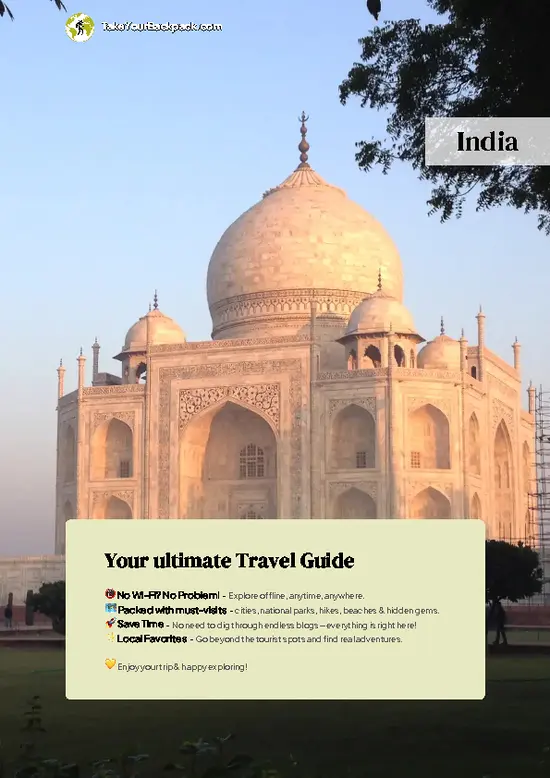
- Tsuglagkhang Complex (Dalai Lama Temple and residence) — The spiritual and social heart of McLeod Ganj: morning prayers, pilgrims, butter lamps and the chance to see the Dalai Lama’s public talks when he’s in town. Even if you don’t attend a teaching, the peaceful courtyard and surrounding shops give a real sense of the place.
- Namgyal Monastery — The Dalai Lama’s personal monastery next door, where monks study and practise daily ritual. Watch debate sessions, catch ritual music, or simply soak up the incense-and-prayers atmosphere; it feels alive, not museum-quiet.
- The Tibet Museum — Compact but powerful: contemporary displays on Tibet’s history, resistance, and exile. Clear narration, real artifacts and photos make it a must for understanding why McLeod Ganj exists as it does.
- Library
- Tsuglagkhang Complex (Dalai Lama Temple and residence) — The spiritual and social heart of McLeod Ganj: morning prayers, pilgrims, butter lamps and the chance to see the Dalai Lama’s public talks when he’s in town. Even if you don’t attend a teaching, the peaceful courtyard and surrounding shops give a real sense of the place.
- Namgyal Monastery — The Dalai Lama’s personal monastery next door, where monks study and practise daily ritual. Watch debate sessions, catch ritual music, or simply soak up the incense-and-prayers atmosphere; it feels alive, not museum-quiet.
- The Tibet Museum — Compact but powerful: contemporary displays on Tibet’s history, resistance, and exile. Clear narration, real artifacts and photos make it a must for understanding why McLeod Ganj exists as it does.
- Library of Tibetan Works & Archives — A surprisingly peaceful scholarly hub with manuscripts, thangkas and a small but well-curated museum. Great for a slow hour of reading or talking to curators about Tibetan literature and preservation efforts.
- Tibetan Institute of Performing Arts (TIPA) — The place to catch authentic Tibetan music, dance and theater. Performances or rehearsals here show living cultural skills, not staged tourist acts — useful if you want deeper cultural context.
- Tibetan Children’s Village (TCV) — A large boarding-school campus where you can observe student life and occasionally buy student-made crafts and baked goods. Visiting supports the community (ask first, be respectful — it’s a school, not a show).
- Bhagsunag Temple & Bhagsu Waterfall — A short walk downhill from the main square: an old Hindu shrine with carved idols, and a refreshingly scenic waterfall. Popular for a reason — swim-ready pools in summer, tea stalls, and good sunset vibes.
- Galu Devi Temple / Triund trailhead — The small temple is where most people begin the Triund trek; it’s a lively, ritual-rich starting point and a great spot to meet guides, buy snacks, and set off into the hills without leaving the town’s character behind.
- McLeod Ganj Market (Jogiwara Road & surroundings) — Not just shopping: Tibetan bakeries, thangka sellers, vegetarian restaurants, herbal shops and rooftop cafés. Walk it slowly; the best cultural exchanges happen over chai and a second-hand book stall.
- Tibetan Parliament-in-Exile and Tibetan administration offices — The political hub where policies for the exile community are debated. You won’t get a guided tour usually, but the buildings and notice boards tell you a lot about modern Tibetan civic life in exile.
Spotted a mistake or missing something? Contact us.


 Best Backpacking
.jpg) Hi, I’m Johan (Netherlands 🇳🇱), the creator of TakeYourBackpack. Over the past 3 decades, I’ve backpacked through 90+ countries across six continents, gaining extensive experience with independent travel, long-term trips, and overland routes.
Hi, I’m Johan (Netherlands 🇳🇱), the creator of TakeYourBackpack. Over the past 3 decades, I’ve backpacked through 90+ countries across six continents, gaining extensive experience with independent travel, long-term trips, and overland routes.