
×

India🇮🇳 | festivalsDiwaliOil lamps, fireworks, sweet exchanges | things to do and best time to go

Explore BaisakhiExplore Durga Puja

Backpacking in Diwali
🏆 Top pickfestival ranked #2
By Johan Kruseman 🇳🇱 | Updated October 4, 2026

Most people picture Diwali as one giant synchronized fireworks show in a single city. It isn’t. Diwali is a pan-India festival, pulsing from big metros like Delhi and Mumbai to small towns in Rajasthan, Gujarat, Uttar Pradesh, and beyond, with each region twisting it into its own version of chaos and charm.

For backpackers, Diwali feels less like a “festival event” and more like the whole country flipping into party mode. Think bhajans and devotional songs at temples, Bollywood hits and Punjabi bangers in the streets, and constant firecrackers as background percussion. Families dominate the scene, plus groups of young locals out late; you’re a guest in their celebration, not the target market. The vibe swings from spiritual and candlelit at dusk to loud, smoky, and slightly feral by night. It runs over several days, but the main night hits hardest. Worth visiting if you can handle sensory overload and don’t need perfect sleep.

Discover everything you want to know in the 📖 India Travel Guide.


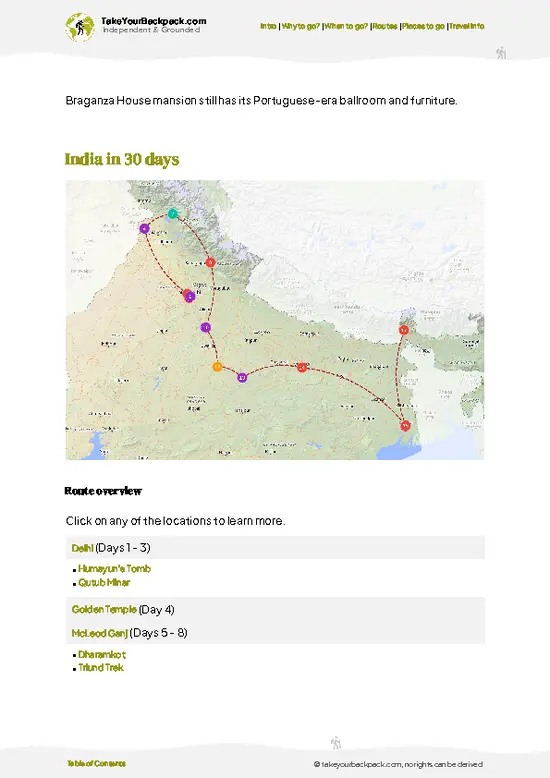
example page 0 from our offline Travel Guide for India
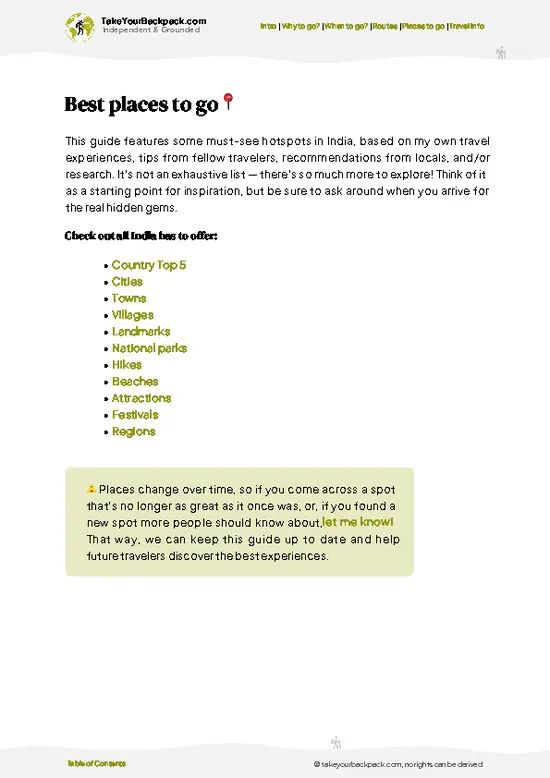
example page 1 from our offline Travel Guide for India
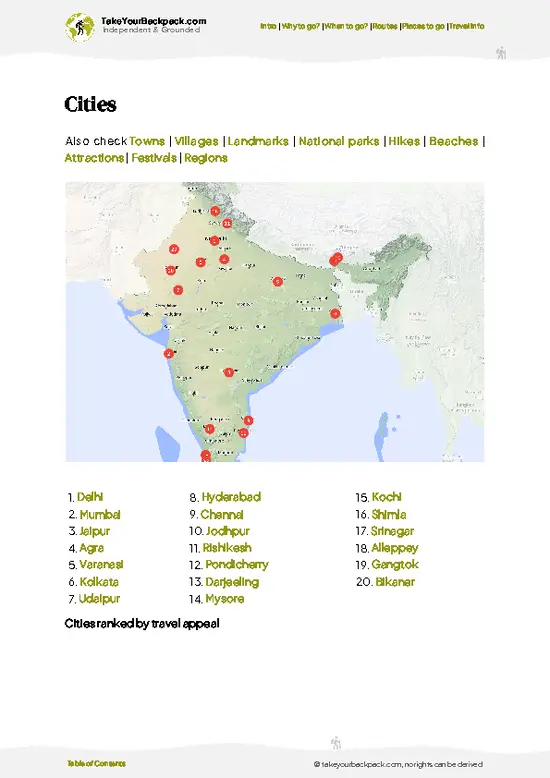
example page 2 from our offline Travel Guide for India
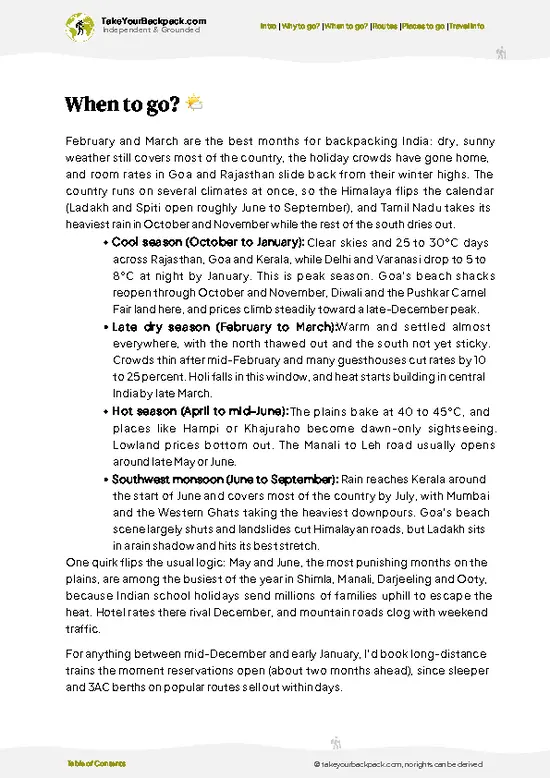
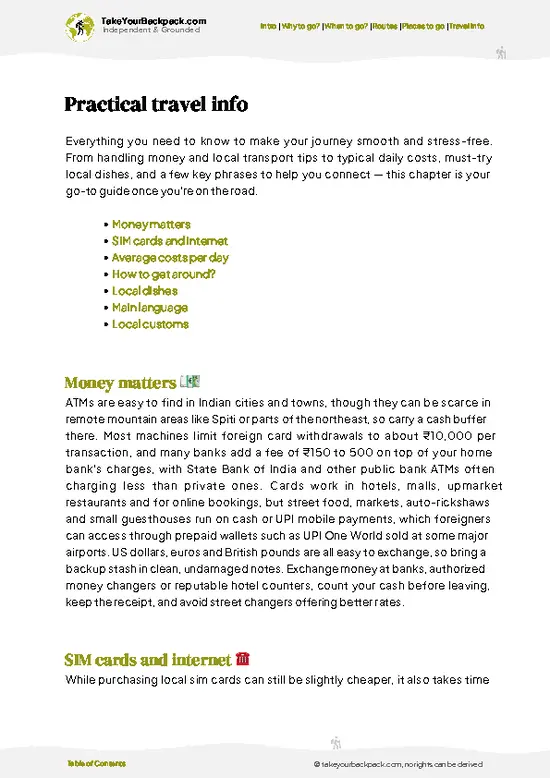
example page 3 from our offline Travel Guide for India
example page 4 from our offline Travel Guide for India
example page 5 from our offline Travel Guide for India
example page 6 from our offline Travel Guide for India
example page 7 from our offline Travel Guide for India
Loading the map 🌍
CLICK TO FILTER
cities
towns
villages
landmarks
national parks
hikes
beaches
attractions
festivals
regions
SHOW COUNTRY’S BESTSHOW ALL

✨ Why go?
Ranked #2 festival in India
Reasons people choose to celebrate the here

Backpackers flock to Diwali in India for a reason. This festival isn’t just a date on the calendar; it’s a social energy explosion. Imagine streets alive with lights, laughter, and the aroma of sweets wafting through the air. You’re not just a spectator; you’re part of a temporary community that embraces you with open arms.

Planning your route around Diwali means diving headfirst into cultural immersion. You’ll witness rituals, share meals, and maybe even join in the fireworks. It’s an experience that transcends typical tourist traps, offering a genuine connection to local life.

Plus, it’s surprisingly affordable compared to similar global events. You can find budget-friendly accommodations and street food that won’t break the bank. This allows you to save your cash for the moments that … read more 👉
Backpackers flock to Diwali in India for a reason. This festival isn’t just a date on the calendar; it’s a social energy explosion. Imagine streets alive with lights, laughter, and the aroma of sweets wafting through the air. You’re not just a spectator; you’re part of a temporary community that embraces you with open arms.

Planning your route around Diwali means diving headfirst into cultural immersion. You’ll witness rituals, share meals, and maybe even join in the fireworks. It’s an experience that transcends typical tourist traps, offering a genuine connection to local life.

Plus, it’s surprisingly affordable compared to similar global events. You can find budget-friendly accommodations and street food that won’t break the bank. This allows you to save your cash for the moments that truly matter—like that epic night of dancing under the stars.

Incorporating Diwali into your travel plans isn’t just smart; it’s a way to amplify your journey. Embrace the chaos, soak up the joy, and let the festival guide your adventure.

💡 HighlightsWhat this place is best known for

  1. Rows of diyas and whole neighborhoods lit up — Clay lamps on windowsills, balconies and in courtyards turn entire streets into warm rivers of light. Walking around after dusk to see houses competing (politely) for the brightest display is simple, peaceful, and oddly addictive. (Personal favorite: nothing beats drifting through that glow with a cup of chai.)
  2. Lakshmi puja and the ritual hush — The heart of Diwali for many: the evening prayers to the goddess of wealth, carefully arranged offerings, incense and the sound of bells. It’s where the festival’s meaning—renewal, gratitude and family—gets its most sincere expression, and you’ll see traditions that change from home to home.
  3. Rangoli and kolam at every doorstep — Intricate floor art made from colored powders, rice or flower petals.
… read more 👉
  1. Rows of diyas and whole neighborhoods lit up — Clay lamps on windowsills, balconies and in courtyards turn entire streets into warm rivers of light. Walking around after dusk to see houses competing (politely) for the brightest display is simple, peaceful, and oddly addictive. (Personal favorite: nothing beats drifting through that glow with a cup of chai.)
  2. Lakshmi puja and the ritual hush — The heart of Diwali for many: the evening prayers to the goddess of wealth, carefully arranged offerings, incense and the sound of bells. It’s where the festival’s meaning—renewal, gratitude and family—gets its most sincere expression, and you’ll see traditions that change from home to home.
  3. Rangoli and kolam at every doorstep — Intricate floor art made from colored powders, rice or flower petals. These designs are personal, regional and often communal; watching neighbors add their touches or compete in good humor gives the street real character and makes for great photos (ask first).
  4. Fireworks, sparklers and loud joyful chaos — The booms and glitter are part spectacle, part communal catharsis. From kids with sparklers to neighborhood bonfires and bigger displays, the noise and color raise the energy level to peak festival mode. Be ready, be safe, and expect it to get loud.
  5. Mithai stalls, festive bazaars and visiting meals — Markets packed with sweets, lanterns, new clothes and tiny decorative things you’ll inevitably buy. Sampling (and swapping) boxes of mithai, joining impromptu feasts, and haggling in a fluorescent-lit bazaar are as much a part of Diwali as the lights.
Spotted a mistake or missing something? Contact us.

🌤️ When to go?When is the celebration of Diwali?

  • Topic: Weather - Diwali usually falls between October and November, right when India shifts from the oppressive monsoon to dry, pleasant conditions. Expect daytime temps around 25-30°C (77-86°F), perfect for wandering without sweating buckets or freezing your fingers off.
  • Topic: Temperature - Nights can dip to 15-20°C (59-68°F), so pack a light jacket for evening festivities. The cool air actually adds to the crispness of the fireworks and lamps lighting up the night.
  • Topic: Daylight Hours - Days are still comfortably long, roughly 10-11 hours of light, giving you ample time to explore markets, temples, and street food stalls before the main celebrations kick off after sunset.
  • Topic: Crowds - Diwali draws massive local crowds, especially in major cities like Delhi and Mumbai. Arriving
… read more 👉
  • Topic: Weather - Diwali usually falls between October and November, right when India shifts from the oppressive monsoon to dry, pleasant conditions. Expect daytime temps around 25-30°C (77-86°F), perfect for wandering without sweating buckets or freezing your fingers off.
  • Topic: Temperature - Nights can dip to 15-20°C (59-68°F), so pack a light jacket for evening festivities. The cool air actually adds to the crispness of the fireworks and lamps lighting up the night.
  • Topic: Daylight Hours - Days are still comfortably long, roughly 10-11 hours of light, giving you ample time to explore markets, temples, and street food stalls before the main celebrations kick off after sunset.
  • Topic: Crowds - Diwali draws massive local crowds, especially in major cities like Delhi and Mumbai. Arriving a few days early or staying in smaller towns can help you dodge the worst congestion while still soaking in the atmosphere.
  • Topic: Seasonal Activities - This period is packed with cultural events, from temple rituals to street performances. Timing your visit to overlap with these can turn a simple festival trip into a deep dive into Indian traditions.
  • Topic: Price Fluctuations - Accommodation and flights spike sharply during Diwali. Booking well in advance or choosing less touristy hubs can save you serious cash, leaving more budget for street food and souvenirs.
Pro-tip: Lock in your travel dates early and aim for the days just before Diwali’s peak night—this way, you catch the build-up energy without getting crushed by crowds or sky-high prices.


source: climatestotravel.comJANJanuary: not recommended for travelingFEBFebruary: not recommended for travelingMARMarch: not recommended for travelingAPRApril: not recommended for travelingMAYMay: not recommended for travelingJUNJune: not recommended for travelingJULJuly: not recommended for travelingAUGAugust: not recommended for travelingSEPSeptember: not recommended for travelingOCTOctober: highly recommended for travelingNOVNovember: highly recommended for travelingDECDecember: not recommended for traveling

✈️ The backpacker research shortcutIndia Travel Guide

An offline-friendly backpacking guide with optimized travel routes, ranked highlights, transport advice, and the best areas to stay.
example page 0 from our offline Travel Guide for India
example page 1 from our offline Travel Guide for India
example page 2 from our offline Travel Guide for India
example page 3 from our offline Travel Guide for India
example page 4 from our offline Travel Guide for India
example page 5 from our offline Travel Guide for India
example page 6 from our offline Travel Guide for India
example page 7 from our offline Travel Guide for India
The digital guide (483 pages) contains:
✅ 157 highlights, ranked by travel appeal
✅ Optimized 14, 21 & 30-day travel routes
✅ Cities, national parks, landmarks, beaches
✅ How to get around
✅ Offline-friendly for travel without Wi-Fi
👉 Click to see all 30+ guide features

📅 Plan smarter in minutes, not weeks
✅ Month by month travel advice
✅ Festivals & national holidays
✅ Budget expectations

🗺️ Go to the right places, skip the overrated ones
✅ Honest pros & cons of destinations
✅ Top hikes, parks & viewpoints
✅ Lesser-known places most travelers miss
✅ Clear “worth it vs skip it” guidance

🛏️ Travel smoothly without rookie mistakes
✅ Best areas to stay
✅ Transport systems explained simply
✅ Common scams & safety advice
✅ SIM cards, money & practical tips

🌍 Understand the country, not just visit it
✅ Culture & traditions
✅ 52 Essential phrases & customs
✅ Festivals worth planning around
✅ Traveler-friendly historical context
✅ Insights that make places more meaningful

📱 Built for real travel conditions
✅ Fully downloadable PDF
✅ Works completely offline
✅ Optimized for phone use
✅ Useful in remote areas & buses
✅ Everything in one place
Stop searching, start planning
Get instant access to your full guide. 30‑day money-back guarantee.
+ Add another guide for just

By proceeding you agree to our terms.
Sent to your inbox immediately after payment • 100% Secure Checkout
Best Backpacking Travel Advisor 2025 tourism awardBest Backpacking
Travel Advisor
2025
What others say about Take Your Backpack Guides:
⭐⭐⭐⭐⭐
Fantastic, amazing amount of information!
⭐⭐⭐⭐⭐
My goodness this is amazing, it's what I've been looking for hats off too you!
⭐⭐⭐⭐⭐
I think this is absolutely BRILLIANT
⭐⭐⭐⭐
Very complete and informative. It's still missing places, but I gotta to commend you
⭐⭐⭐⭐⭐
This is truly amazing, thank you, can't wait to explore it with my kids!
⭐⭐⭐⭐⭐
Awesome resource, thank you!
⭐⭐⭐⭐⭐
This is amazing! Can't wait to explore the ones I haven't seen
⭐⭐⭐⭐
I love this! Well done, great idea.
⭐⭐⭐⭐⭐
Thanks for taking the time to make this gem!
⭐⭐⭐⭐⭐
This might be the best website I've ever seen.
⭐⭐⭐⭐⭐
Congratulations, and thank you so much for your work; it's incredibly valuable.
⭐⭐⭐⭐
In all seriousness I think you did a great job pointing out the important spots
⭐⭐⭐⭐⭐
10/10 very good
⭐⭐⭐⭐⭐
As someone who's only just starting to visit regularly this is awesome, thank you.
⭐⭐⭐⭐
Thank you very much! I'm going to visit my dad, it's going to be very useful!
⭐⭐⭐⭐⭐
This is really cool! We'll be travelling for the first time and this definitely come in handy.
⭐⭐⭐⭐⭐
You are now our minister of culture, congratulations 👨‍💼
⭐⭐⭐⭐⭐
Just wanted to tell you that this is a pearl! Going to follow your recommendations.
⭐⭐⭐⭐⭐
This is so cool. I'll definitely be using the resource for my travels soon.
⭐⭐⭐⭐⭐
This is very impressive! Good work.
⭐⭐⭐⭐⭐
This is an amazing and informative site. Very well done!

🛏️ Where to stay?How to pick the right area

When you’re gearing up for Diwali in India, the right base can make all the difference. Head to Varanasi, where the Ganges comes alive with lights and rituals. The narrow lanes are buzzing with energy, and you’ll find plenty of budget-friendly guesthouses. This city isn’t just a backdrop; it’s a living, breathing celebration.

Next, consider Jaipur. The Pink City is a hub for backpackers, with hostels that foster camaraderie. You’ll want to be near the City Palace or Hawa Mahal, where the festivities spill into the streets. The vibrant bazaars are perfect for snagging last-minute Diwali decorations … read more 👉
When you’re gearing up for Diwali in India, the right base can make all the difference. Head to Varanasi, where the Ganges comes alive with lights and rituals. The narrow lanes are buzzing with energy, and you’ll find plenty of budget-friendly guesthouses. This city isn’t just a backdrop; it’s a living, breathing celebration.

Next, consider Jaipur. The Pink City is a hub for backpackers, with hostels that foster camaraderie. You’ll want to be near the City Palace or Hawa Mahal, where the festivities spill into the streets. The vibrant bazaars are perfect for snagging last-minute Diwali decorations or sweets.

Don’t overlook Rishikesh. While known for yoga, it transforms during Diwali. The banks of the Ganges become a canvas of lights and prayers. Stay close to the river for a mix of tranquility and celebration.

Lastly, Mumbai offers a different flavor. Areas like Colaba or Bandra are packed with hostels and a lively atmosphere. The city’s energy during Diwali is electric, with street parties and fireworks lighting up the skyline.

Choose wisely, and you’ll preserve your energy and budget for the moments that truly matter.

👛 Costs (as of 4 October 2026)Travel costs and budget guide for Diwali

Diwali in India is a vibrant explosion of lights, culture, and celebration, but navigating the costs can feel like a maze. Here’s how to break it down so you can keep your energy and budget intact for the real experiences.
  • Festival Tickets: While many Diwali events are free, some organized celebrations or cultural shows may charge entry fees. Expect to pay between €5 to €20 ($5 to $25) for special events, especially in major cities like Delhi or Mumbai. Keep an eye out for local festivities that don’t cost a dime; they often offer the most authentic experiences.
  • Accommodation: Prices can vary wildly depending on where you stay. Budget hostels start around €10 to €15 ($10 to $18) per night, while mid-range hotels can range from €30 to €70 ($35 to $80). Book early, as places fill up fast during
… read more 👉
Diwali in India is a vibrant explosion of lights, culture, and celebration, but navigating the costs can feel like a maze. Here’s how to break it down so you can keep your energy and budget intact for the real experiences.
  • Festival Tickets: While many Diwali events are free, some organized celebrations or cultural shows may charge entry fees. Expect to pay between €5 to €20 ($5 to $25) for special events, especially in major cities like Delhi or Mumbai. Keep an eye out for local festivities that don’t cost a dime; they often offer the most authentic experiences.
  • Accommodation: Prices can vary wildly depending on where you stay. Budget hostels start around €10 to €15 ($10 to $18) per night, while mid-range hotels can range from €30 to €70 ($35 to $80). Book early, as places fill up fast during the festival. If you want to splurge, luxury hotels can go from €100 ($120) and up, but they often provide a unique Diwali experience.
  • Local Transport: Getting around can be affordable if you stick to public transport. Buses and metro rides typically cost less than €1 ($1) per trip. For more convenience, consider using rideshare apps; expect to pay around €2 to €10 ($2 to $12) for short distances. Just remember, traffic can be chaotic during the festival, so factor in extra time.
  • Food & Drinks: Street food is a must during Diwali, and it’s budget-friendly. You can feast on local delicacies for as little as €1 to €5 ($1 to $6) per meal. If you prefer dining in restaurants, expect to spend around €10 to €20 ($12 to $25) for a decent meal. Don’t forget to try the sweets; they’re a Diwali staple!
  • Miscellaneous Expenses: This includes everything from shopping for festive attire to buying gifts. Set aside around €20 to €50 ($25 to $60) for souvenirs and local crafts. Fireworks can also be a fun addition, but they can add up, so budget accordingly. Keep some extra cash handy for spontaneous experiences that might catch your eye.

Planning ahead will keep your wallet happy and your spirit high. Embrace the chaos, and let the festival sweep you off your feet!


source: incredibleindia.org
⚠️ Prices can change and everyone travels differently, so take this as a rough guide. Hope it helps you plan your adventure!

🍲 FoodLocal Cuisine & Drinks

At Diwali, the air crackles with the aroma of sweets and spices. Street stalls burst with colorful treats like jalebi, those crispy, syrup-soaked spirals, and barfi, a rich, fudge-like confection. Don’t miss out on samosas—crispy pastries stuffed with spiced potatoes and peas. They’re a festival staple, perfect for munching while you soak in the vibrant chaos.

Drinks are equally enticing. Try masala chai, a spiced tea that warms you from the inside out, or lassi, a creamy yogurt drink that balances the heat of the spices. Both are refreshing and essential for the festival vibe.

When diving into the food scene, remember the etiquette. Sharing is a big part of the experience; locals often encourage you to try their favorites. Lines can be long, but that’s part of the fun—chat with fellow festival-goers … read more 👉
At Diwali, the air crackles with the aroma of sweets and spices. Street stalls burst with colorful treats like jalebi, those crispy, syrup-soaked spirals, and barfi, a rich, fudge-like confection. Don’t miss out on samosas—crispy pastries stuffed with spiced potatoes and peas. They’re a festival staple, perfect for munching while you soak in the vibrant chaos.

Drinks are equally enticing. Try masala chai, a spiced tea that warms you from the inside out, or lassi, a creamy yogurt drink that balances the heat of the spices. Both are refreshing and essential for the festival vibe.

When diving into the food scene, remember the etiquette. Sharing is a big part of the experience; locals often encourage you to try their favorites. Lines can be long, but that’s part of the fun—chat with fellow festival-goers while you wait. Cash is king here; many stalls don’t accept cards, so keep some rupees handy.

Serving sizes can be generous, so pace yourself. This isn’t just about filling your belly; it’s about savoring the moment. Each bite is a celebration, a taste of the festival’s spirit.

FAQFrequently asked questions about Diwali

Diwali usually takes place in October or November, depending on the lunar calendar, lasting for five days with the main celebrations on the third day.
Attending Diwali is generally free as it is a public festival celebrated widely across India, but costs can vary if you join organized events or buy fireworks, which can range from a few dollars to around 20 USD.
No, you do not need tickets in advance to participate in Diwali celebrations since it is a public festival celebrated openly in homes, streets, and temples.
⚠️ Things can change over time, so always validate details locally before you go.

Other Indian festivals near Diwali

Explore more nearby:

  • Holi—Colored powders, water splashing, street revelry
  • Kumbh Mela—Mass pilgrimage, river confluence, sadhus
  • Pushkar Camel Fair—Camel trading, livestock contests, desert carnival

💡 Not sure where to go next?
Create a personalized itinerary for India including Diwali and the places that fit your trip.

Generate my itinerary

👉 Discover all festivals

Or checkout all India has to offer (think cities, towns, villages, national parks, hikes, beaches, festivals)
Country photo of India

We 💚 feedbackFinal thoughts on celebrating the Diwali

Diwali in India is a sensory explosion—think vibrant lights, mouthwatering sweets, and the thrill of fireworks lighting up the night sky. But brace yourself: the crowds can be overwhelming. Navigating through throngs of people can drain your energy and patience. Embrace the chaos, though; it’s part of the experience. Focus on the joy of connection and celebration, and you’ll find that the energy spent is worth every moment of magic.

✈️ When did I visit India?
As part of my 1.5 year travel around the world trip, I visited India in December 2015.

✍️ Help improve this page!
The information on this page is based on my own backpacking experience in India, supplemented with up-to-date research and feedback from other travelers. Travel details can change, so if you notice anything outdated or incomplete, feel free to let me know.


🙋‍♂️ Give feedback

👋 Meet the founderWho’s Behind Take Your Backpack?

Johan, backpacker and founder of TakeYourBackpackHi, I’m Johan (Netherlands 🇳🇱), the creator of TakeYourBackpack. Over the past 3 decades, I’ve backpacked through 90+ countries across six continents, gaining extensive experience with independent travel, long-term trips, and overland routes.

This site is built on a combination of firsthand travel experience and carefully curated insights from other backpackers. Many guides are based on places I’ve personally visited, while others bring together tips, observations, and practical advice shared by trusted travelers I’ve met along the way.

The goal is to provide realistic, experience-driven guidance — not generic itineraries — so you can explore destinations with better context, clearer expectations, and more confidence.