v2.webp)


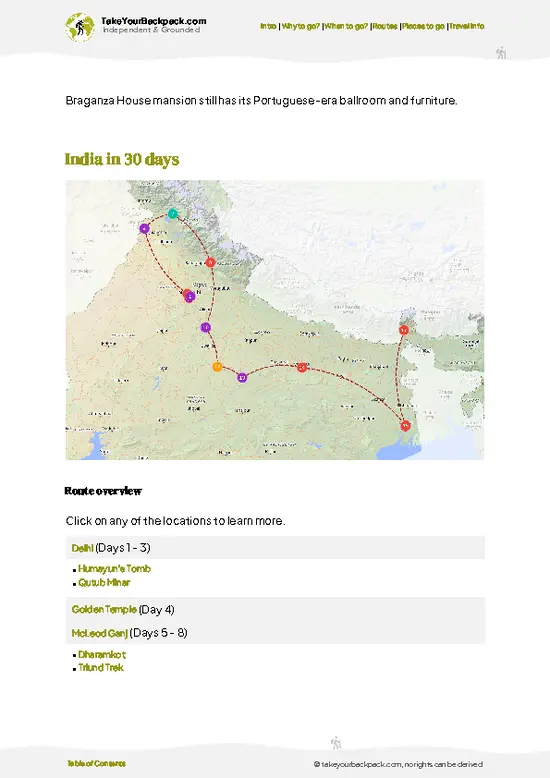
The Facade from the Street
Let’s get real: the best view of Hawa Mahal is not from inside, but from the chaos of the street. Five stories of honeycomb windows, all pink and peach, rising like a royal beehive above the honking rickshaws and sari shops. You’ll dodge selfie sticks and school groups, but there’s a reason everyone stops here. It’s theatrical—almost absurdly so—and it’s the only place in Jaipur where the outside is the main event. Don’t bother with the ticket window if you’re short on time; the magic is right here, in the swirl of city life and sandstone.
The Jharokhas (Windows)
There are 953 of these tiny, latticed windows, and no, that’s not a typo. They’re not just for show: royal women used them to watch the world without being seen. Stick your face close and you’ll catch a … read more 👉
Let’s get real: the best view of Hawa Mahal is not from inside, but from the chaos of the street. Five stories of honeycomb windows, all pink and peach, rising like a royal beehive above the honking rickshaws and sari shops. You’ll dodge selfie sticks and school groups, but there’s a reason everyone stops here. It’s theatrical—almost absurdly so—and it’s the only place in Jaipur where the outside is the main event. Don’t bother with the ticket window if you’re short on time; the magic is right here, in the swirl of city life and sandstone.
The Jharokhas (Windows)
There are 953 of these tiny, latticed windows, and no, that’s not a typo. They’re not just for show: royal women used them to watch the world without being seen. Stick your face close and you’ll catch a … read more 👉
The Facade from the Street
Let’s get real: the best view of Hawa Mahal is not from inside, but from the chaos of the street. Five stories of honeycomb windows, all pink and peach, rising like a royal beehive above the honking rickshaws and sari shops. You’ll dodge selfie sticks and school groups, but there’s a reason everyone stops here. It’s theatrical—almost absurdly so—and it’s the only place in Jaipur where the outside is the main event. Don’t bother with the ticket window if you’re short on time; the magic is right here, in the swirl of city life and sandstone.
The Jharokhas (Windows)
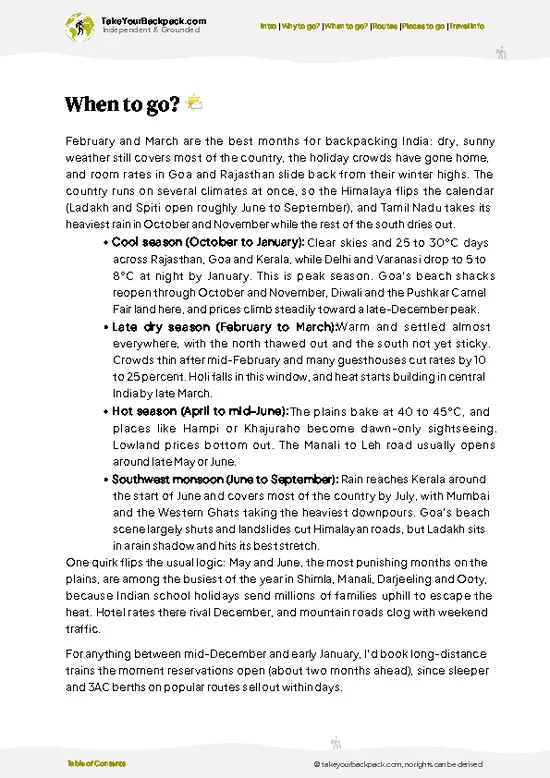
There are 953 of these tiny, latticed windows, and no, that’s not a typo. They’re not just for show: royal women used them to watch the world without being seen. Stick your face close and you’ll catch a breeze even in the dead heat of May. The play of light and shadow through these jharokhas is hypnotic—like a living kaleidoscope. It’s a masterclass in passive cooling, centuries before air conditioning.
The Rooftop View
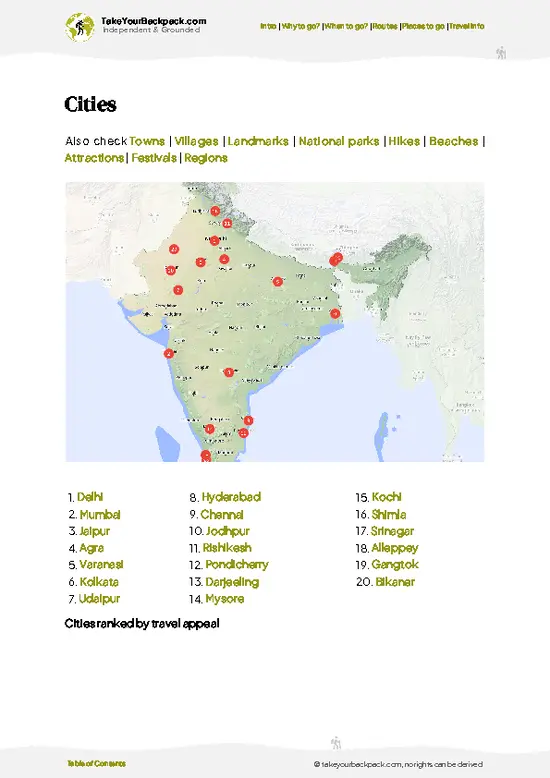
Climb the narrow ramps (not stairs—thank the architects for that) to the top. The city sprawls below, with Nahargarh Fort looming in the distance and the old city’s pink chaos at your feet. It’s not peaceful—expect elbows and camera flashes—but it’s a Jaipur panorama you won’t get anywhere else. My personal favorite, because up here, you’re eye-level with the city’s pulse.
The Inner Courtyards
Inside, the courtyards are a surprise: quiet, shaded, and oddly intimate after the street’s frenzy. The geometry is sharp, the colors faded but dignified. You’ll find locals escaping the sun, and if you’re lucky, a stray peacock strutting through. It’s a rare pocket of calm in a city that rarely stops moving.
The Museum Rooms
Skip the expectation of grand palatial interiors; Hawa Mahal is hollow and functional, not opulent. But tucked inside are a few small museum rooms with relics of Jaipur’s royal past—miniature paintings, armor, and old photographs. It’s not the Louvre, but it’s a quick, quirky history lesson that grounds the fantasy in reality.
Let’s get real: the best view of Hawa Mahal is not from inside, but from the chaos of the street. Five stories of honeycomb windows, all pink and peach, rising like a royal beehive above the honking rickshaws and sari shops. You’ll dodge selfie sticks and school groups, but there’s a reason everyone stops here. It’s theatrical—almost absurdly so—and it’s the only place in Jaipur where the outside is the main event. Don’t bother with the ticket window if you’re short on time; the magic is right here, in the swirl of city life and sandstone.
The Jharokhas (Windows)
There are 953 of these tiny, latticed windows, and no, that’s not a typo. They’re not just for show: royal women used them to watch the world without being seen. Stick your face close and you’ll catch a breeze even in the dead heat of May. The play of light and shadow through these jharokhas is hypnotic—like a living kaleidoscope. It’s a masterclass in passive cooling, centuries before air conditioning.
The Rooftop View
Climb the narrow ramps (not stairs—thank the architects for that) to the top. The city sprawls below, with Nahargarh Fort looming in the distance and the old city’s pink chaos at your feet. It’s not peaceful—expect elbows and camera flashes—but it’s a Jaipur panorama you won’t get anywhere else. My personal favorite, because up here, you’re eye-level with the city’s pulse.
The Inner Courtyards
Inside, the courtyards are a surprise: quiet, shaded, and oddly intimate after the street’s frenzy. The geometry is sharp, the colors faded but dignified. You’ll find locals escaping the sun, and if you’re lucky, a stray peacock strutting through. It’s a rare pocket of calm in a city that rarely stops moving.
The Museum Rooms
Skip the expectation of grand palatial interiors; Hawa Mahal is hollow and functional, not opulent. But tucked inside are a few small museum rooms with relics of Jaipur’s royal past—miniature paintings, armor, and old photographs. It’s not the Louvre, but it’s a quick, quirky history lesson that grounds the fantasy in reality.
Spotted a mistake or missing something? Contact us.


 Best Backpacking
.jpg) Hi, I’m Johan (Netherlands 🇳🇱), the creator of TakeYourBackpack. Over the past 3 decades, I’ve backpacked through 90+ countries across six continents, gaining extensive experience with independent travel, long-term trips, and overland routes.
Hi, I’m Johan (Netherlands 🇳🇱), the creator of TakeYourBackpack. Over the past 3 decades, I’ve backpacked through 90+ countries across six continents, gaining extensive experience with independent travel, long-term trips, and overland routes.