
×

India🇮🇳 | regionsKerala Backwaterscanal networks, houseboats, village life | things to do and best time to go

Explore Himachal PradeshExplore Ladakh

Backpacking in Kerala Backwaters
🏆 Top pickregion ranked #2
By Johan Kruseman 🇳🇱 | Updated October 15, 2026

Everyone shows up to the Kerala Backwaters for “the houseboat experience,” right? Floating hotel, three meals, a thousand selfies. Honestly, that’s the least interesting part. What actually matters is how close you can get to daily canal life: dawn ferries full of schoolkids, women washing pots at the ghats, toddy shops clinging to the banks.

Kerala’s backwaters sit along the Arabian Sea side of southern India, mostly around Alleppey (Alappuzha), Kollam, and up toward Kochi. For backpackers, it’s gorgeous and surprisingly easy: cheap local ferries, homestays right on the water, mellow beaches like Marari a short hop away. But it can feel over-curated in Alleppey, with pushy houseboat touts and prices that jump the second you say “sunset cruise.” Compared with hill stations like Munnar or the wilder Western Ghats, the backwaters are slower, softer, more about people-watching than peak-bagging—and that’s exactly why a couple of days here can be gold if you play it right.

Discover everything you want to know in the 📖 India Travel Guide.


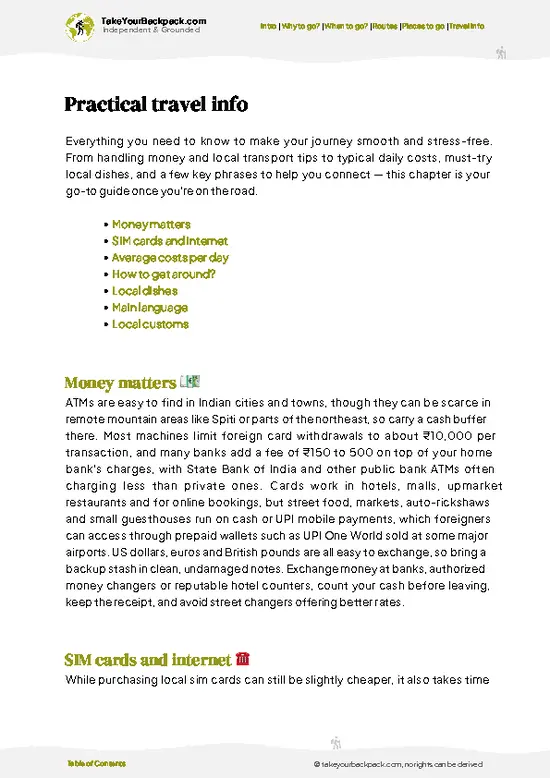
example page 0 from our offline Travel Guide for India
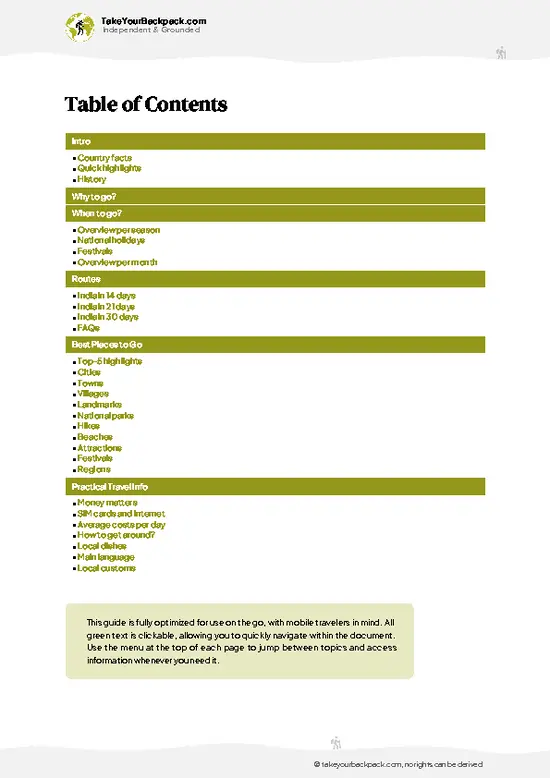
example page 1 from our offline Travel Guide for India
example page 2 from our offline Travel Guide for India
example page 3 from our offline Travel Guide for India
example page 4 from our offline Travel Guide for India
example page 5 from our offline Travel Guide for India
example page 6 from our offline Travel Guide for India
example page 7 from our offline Travel Guide for India
Loading the map 🌍
CLICK TO FILTER
cities
towns
villages
landmarks
national parks
hikes
beaches
attractions
festivals
regions
SHOW COUNTRY’S BESTSHOW ALL

✨ Why go?
Ranked #2 region in India
Reasons people choose to visit here

In the Kerala Backwaters, backpackers find a unique blend of nature and culture that’s hard to resist. You can glide through serene lagoons and lush rice paddies without the hassle of constant relocation. This region offers a variety of landscapes, from tranquil waterways to vibrant villages, all within a short distance.

Transport here is flexible. You can hop on a houseboat for a leisurely cruise or rent a bike to explore the backroads. This means you can savor the slow travel vibe, soaking in the sights and sounds without feeling rushed.

Mixing local experiences with stunning scenery is a major draw. You can witness traditional fishing practices, sample authentic cuisine, and even participate in local festivals. Each day can unfold like a new chapter, allowing you to dive deep into the … read more 👉
In the Kerala Backwaters, backpackers find a unique blend of nature and culture that’s hard to resist. You can glide through serene lagoons and lush rice paddies without the hassle of constant relocation. This region offers a variety of landscapes, from tranquil waterways to vibrant villages, all within a short distance.

Transport here is flexible. You can hop on a houseboat for a leisurely cruise or rent a bike to explore the backroads. This means you can savor the slow travel vibe, soaking in the sights and sounds without feeling rushed.

Mixing local experiences with stunning scenery is a major draw. You can witness traditional fishing practices, sample authentic cuisine, and even participate in local festivals. Each day can unfold like a new chapter, allowing you to dive deep into the rich culture while surrounded by breathtaking views.

So, if you’re looking for a place where you can truly unwind and connect with both nature and people, the Kerala Backwaters are calling your name.

💡 HighlightsWhat this place is best known for

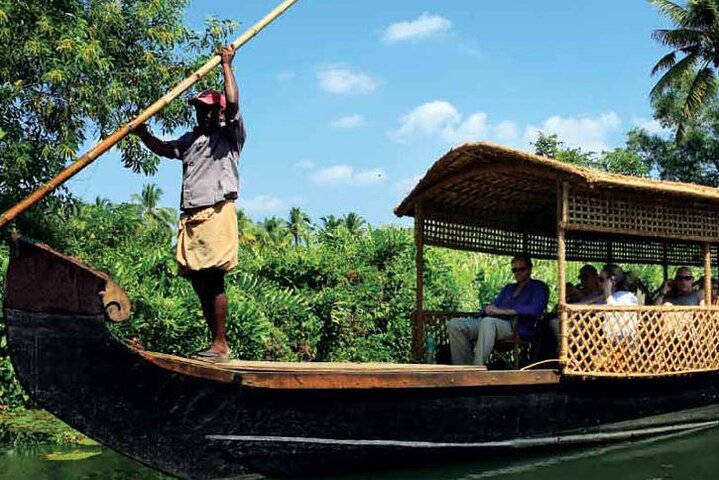
  1. Alappuzha (Alleppey) kettuvallam overnight — The classic slow-boat experience, but skip the tourist ferry feel: book a small traditional kettuvallam with a local captain and cook, float through palm-edged canals past rice paddies, and sleep to the gentle slap of water against the hull. Real food from the boat’s galley and the soundscape of village life make this uniquely backwatersy and hard to recreate anywhere else.
  2. Kumarakom Bird Sanctuary — A compact reed-and-mangrove reserve on the Vembanad shores where spotters find backwater specialties: egrets, herons, migratory Siberian birds in season and the rare waterfowl that rely on these marshes. Early-morning boat rides and quiet hides here are prime for photos and bird calls, not just scenery.
  3. Punnamada Lake & Nehru Trophy boat culture
… read more 👉
  1. Alappuzha (Alleppey) kettuvallam overnight — The classic slow-boat experience, but skip the tourist ferry feel: book a small traditional kettuvallam with a local captain and cook, float through palm-edged canals past rice paddies, and sleep to the gentle slap of water against the hull. Real food from the boat’s galley and the soundscape of village life make this uniquely backwatersy and hard to recreate anywhere else.
  2. Kumarakom Bird Sanctuary — A compact reed-and-mangrove reserve on the Vembanad shores where spotters find backwater specialties: egrets, herons, migratory Siberian birds in season and the rare waterfowl that rely on these marshes. Early-morning boat rides and quiet hides here are prime for photos and bird calls, not just scenery.
  3. Punnamada Lake & Nehru Trophy boat culture — The flat expanse of Punnamada is where Kerala’s snake-boat tradition comes alive: boathouses, practice runs, and (if you time it) the Nehru Trophy Regatta. Even outside race week you can watch crews train, see the long wooden boats being cared for, and witness a local sporting culture rooted in the waterways.
  4. Kuttanad paddy fields and village boat routes — This is one of the few places in the world where farming happens below sea level. The patchwork of flooded ricefields, low-arched bridges and tiny ferry crossings gives a landscape-and-livelihood combo you won’t find elsewhere—take a slow village boat or rent a kayak to move through the fields and meet the people who work them.
  5. Pathiramanal Island (Hidden gem) — A small, bird-rich island mid-Vembanad that gets far fewer visitors than the main backwater hubs. It’s peaceful, with easy walking trails, good birding, and a true “middle of the lake” vibe; perfect for a half-day escape from busier houseboat lanes.
  6. Munroe Island (Hidden gem) — my personal favorite — A cluster of tiny islands and canals at the confluence of rivers and backwater lagoons. Locals still use kettuvallam-style ferries, coir-making and toddy-curing are visible, and you can take narrow canoe rides through reed-lined channels. It’s slow, photogenic, almost abandoned by mass tourism—ideal if you want genuine village life on water.
  7. Champakulam boatyards and vallamkali craft (Hidden gem) — Small, working yards where traditional snake boats are built, patched and oiled. Watching craftsmen bend and join the long planks, and seeing crews prepping and training, gives real insight into the engineering and communal effort behind the famous races.
  8. Thaneermukkom Salt Water Barrier — The concrete regulator that separates saline estuary from freshwater Vembanad—massive, odd to see, and locally important for agriculture and fisheries. Visit at sunset to see fishing boats, juvenile fisheries, and local landing spots where you can talk to fishermen about how the barrier changed livelihoods.
  9. Kainakary village homestays & canoe trails (Hidden gem) — A backwater village where homestays are run by farmers and fishers rather than big operators. Ride small country canoes down skinny canals at dawn, visit toddy shops and rice barns, and experience hands-on activities like net-mending or rice-threshing if you time it right.
  10. Alappuzha coir villages and fish-landing jetty — Walk the early-morning fish landings and the adjacent coir-working lanes: rope-making, mat-weaving and small boat repair are daily, gritty crafts that sustain the backwater economy. It’s noisy, oily, and real—great for street-level photos and for seeing the production behind the postcards.
Spotted a mistake or missing something? Contact us.

Things to do around Kerala Backwaters

Ratings based on Tripadvisor reviews. When you book through this link, you support our work at no extra cost to you.

⌛️ 5 daysWhat you can realistically do in a week

Day 1: Kochi
Kochi is your gateway to the backwaters. Start here to soak in the colonial charm and vibrant local markets. The transport system is a mix of ferries and tuk-tuks, so you’ll want to get familiar with it. Spend the day exploring Fort Kochi’s narrow lanes, the Chinese fishing nets, and the spice markets. Grab a sunset cruise on the harbor; it’s a perfect introduction to the region.

Day 2: Alleppey
From Kochi, hop on a bus or a train to Alleppey. This is where the backwaters truly begin. The journey takes about two hours, and you’ll see the landscape shift from urban to lush greenery. Once in Alleppey, rent a houseboat for an overnight stay. This is the quintessential Kerala experience. Glide through the serene canals, and don’t forget to indulge in the local cuisine prepared … read more 👉
Day 1: Kochi
Kochi is your gateway to the backwaters. Start here to soak in the colonial charm and vibrant local markets. The transport system is a mix of ferries and tuk-tuks, so you’ll want to get familiar with it. Spend the day exploring Fort Kochi’s narrow lanes, the Chinese fishing nets, and the spice markets. Grab a sunset cruise on the harbor; it’s a perfect introduction to the region.

Day 2: Alleppey
From Kochi, hop on a bus or a train to Alleppey. This is where the backwaters truly begin. The journey takes about two hours, and you’ll see the landscape shift from urban to lush greenery. Once in Alleppey, rent a houseboat for an overnight stay. This is the quintessential Kerala experience. Glide through the serene canals, and don’t forget to indulge in the local cuisine prepared on board.

Day 3: Kumarakom
A short ride from Alleppey, Kumarakom is your next stop. The transport here is straightforward—just a quick boat ride. Spend the day birdwatching at the Kumarakom Bird Sanctuary or simply relax by Vembanad Lake. The pace slows down, allowing you to truly absorb the tranquility.

Day 4: Pathiramanal
Take a detour to Pathiramanal Island. A short boat ride from Kumarakom, this off-path reward is a serene escape. Walk the trails, enjoy the untouched beauty, and maybe spot some rare birds. It’s a peaceful contrast to the busier spots.

Day 5: Return to Kochi
Head back to Kochi for your final day. Use this time to revisit your favorite spots or explore new ones. The transport back is easy, and you’ll feel the rhythm of the region in your bones.

The must-do day? Day 2 in Alleppey. The houseboat experience is the heart of the backwaters, and it’s what makes this trip truly special.

🌤️ When to go?Weather, crowds, and seasonal trade-offs

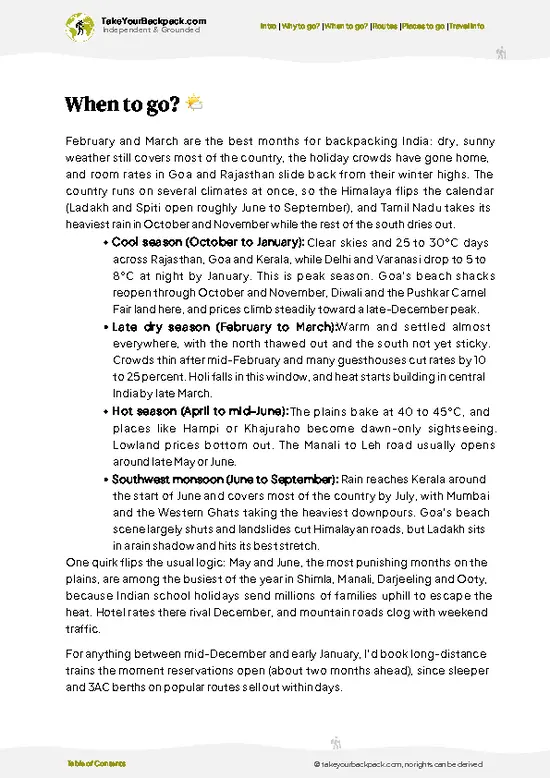
  • Weather: The sweet spot is from November to February. That’s when the monsoon has packed up, leaving behind lush greenery and clear skies. Expect dry days and a refreshing breeze—perfect for cruising the backwaters without getting drenched.
  • Temperature: During these months, temperatures hover between 20°C to 30°C (68°F to 86°F). Comfortable enough to explore all day without sweating buckets or shivering at night.
  • Daylight Hours: You get roughly 11 to 12 hours of daylight, which means more time to soak in the scenery and less rushing around. Sunrise and sunset are particularly magical on the water.
  • Crowds: Peak season means more tourists, especially around Christmas and New Year. If you want to dodge the selfie sticks, aim for November or late February—still great weather, fewer people.
… read more 👉
  • Weather: The sweet spot is from November to February. That’s when the monsoon has packed up, leaving behind lush greenery and clear skies. Expect dry days and a refreshing breeze—perfect for cruising the backwaters without getting drenched.
  • Temperature: During these months, temperatures hover between 20°C to 30°C (68°F to 86°F). Comfortable enough to explore all day without sweating buckets or shivering at night.
  • Daylight Hours: You get roughly 11 to 12 hours of daylight, which means more time to soak in the scenery and less rushing around. Sunrise and sunset are particularly magical on the water.
  • Crowds: Peak season means more tourists, especially around Christmas and New Year. If you want to dodge the selfie sticks, aim for November or late February—still great weather, fewer people.
  • Seasonal Activities: Post-monsoon is prime time for houseboat rides, village tours, and spice plantation visits. The landscape is vibrant, and local festivals like the snake boat races kick off around August, but that’s wetter and hotter.
  • Price Fluctuations: Expect rates to spike during peak season (December to January). Booking just before or after this window can save you a chunk without sacrificing comfort.
Pro-tip: Book your houseboat for a weekday morning cruise in November—fewer crowds, cooler temps, and you’ll catch the backwaters waking up in a way most tourists miss.


source: climatestotravel.comJANJanuary: excellent for travelingFEBFebruary: highly recommended for travelingMARMarch: fair for travelingAPRApril: fair for travelingMAYMay: below average for travelingJUNJune: below average for travelingJULJuly: below average for travelingAUGAugust: fair for travelingSEPSeptember: fair for travelingOCTOctober: good for travelingNOVNovember: excellent for travelingDECDecember: excellent for traveling
when-to-go

✈️ The backpacker research shortcutIndia Travel Guide

An offline-friendly backpacking guide with optimized travel routes, ranked highlights, transport advice, and the best areas to stay.
example page 0 from our offline Travel Guide for India
example page 1 from our offline Travel Guide for India
example page 2 from our offline Travel Guide for India
example page 3 from our offline Travel Guide for India
example page 4 from our offline Travel Guide for India
example page 5 from our offline Travel Guide for India
example page 6 from our offline Travel Guide for India
example page 7 from our offline Travel Guide for India
The digital guide (483 pages) contains:
✅ 157 highlights, ranked by travel appeal
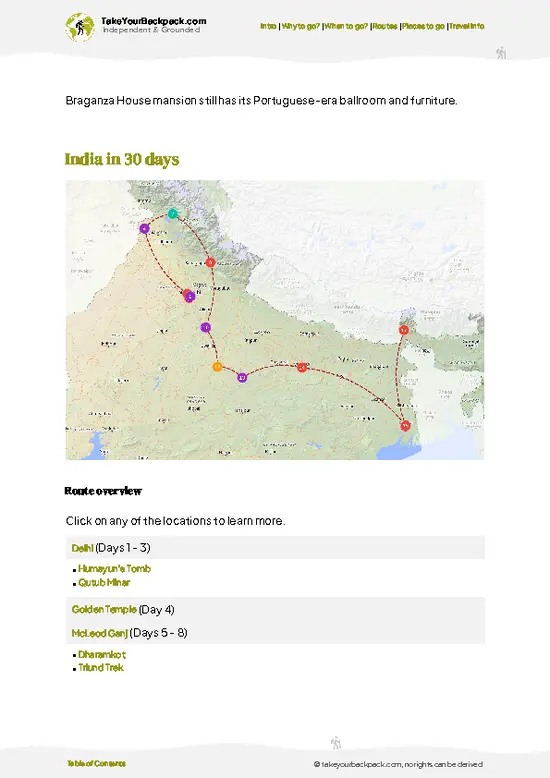
✅ Optimized 14, 21 & 30-day travel routes
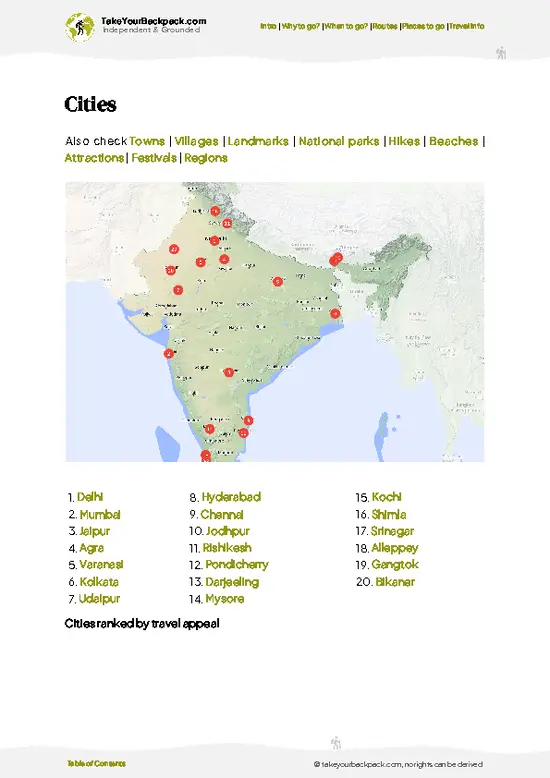
✅ Cities, national parks, landmarks, beaches
✅ How to get around
✅ Offline-friendly for travel without Wi-Fi
👉 Click to see all 30+ guide features

📅 Plan smarter in minutes, not weeks
✅ Month by month travel advice
✅ Festivals & national holidays
✅ Budget expectations

🗺️ Go to the right places, skip the overrated ones
✅ Honest pros & cons of destinations
✅ Top hikes, parks & viewpoints
✅ Lesser-known places most travelers miss
✅ Clear “worth it vs skip it” guidance

🛏️ Travel smoothly without rookie mistakes
✅ Best areas to stay
✅ Transport systems explained simply
✅ Common scams & safety advice
✅ SIM cards, money & practical tips

🌍 Understand the country, not just visit it
✅ Culture & traditions
✅ 52 Essential phrases & customs
✅ Festivals worth planning around
✅ Traveler-friendly historical context
✅ Insights that make places more meaningful

📱 Built for real travel conditions
✅ Fully downloadable PDF
✅ Works completely offline
✅ Optimized for phone use
✅ Useful in remote areas & buses
✅ Everything in one place
Stop searching, start planning
Get instant access to your full guide. 30‑day money-back guarantee.
+ Add another guide for just

By proceeding you agree to our terms.
Sent to your inbox immediately after payment • 100% Secure Checkout
Best Backpacking Travel Advisor 2025 tourism awardBest Backpacking
Travel Advisor
2025
What others say about Take Your Backpack Guides:
⭐⭐⭐⭐⭐
Fantastic, amazing amount of information!
⭐⭐⭐⭐⭐
My goodness this is amazing, it's what I've been looking for hats off too you!
⭐⭐⭐⭐⭐
I think this is absolutely BRILLIANT
⭐⭐⭐⭐
Very complete and informative. It's still missing places, but I gotta to commend you
⭐⭐⭐⭐⭐
This is truly amazing, thank you, can't wait to explore it with my kids!
⭐⭐⭐⭐⭐
Awesome resource, thank you!
⭐⭐⭐⭐⭐
This is amazing! Can't wait to explore the ones I haven't seen
⭐⭐⭐⭐
I love this! Well done, great idea.
⭐⭐⭐⭐⭐
Thanks for taking the time to make this gem!
⭐⭐⭐⭐⭐
This might be the best website I've ever seen.
⭐⭐⭐⭐⭐
Congratulations, and thank you so much for your work; it's incredibly valuable.
⭐⭐⭐⭐
In all seriousness I think you did a great job pointing out the important spots
⭐⭐⭐⭐⭐
10/10 very good
⭐⭐⭐⭐⭐
As someone who's only just starting to visit regularly this is awesome, thank you.
⭐⭐⭐⭐
Thank you very much! I'm going to visit my dad, it's going to be very useful!
⭐⭐⭐⭐⭐
This is really cool! We'll be travelling for the first time and this definitely come in handy.
⭐⭐⭐⭐⭐
You are now our minister of culture, congratulations 👨‍💼
⭐⭐⭐⭐⭐
Just wanted to tell you that this is a pearl! Going to follow your recommendations.
⭐⭐⭐⭐⭐
This is so cool. I'll definitely be using the resource for my travels soon.
⭐⭐⭐⭐⭐
This is very impressive! Good work.
⭐⭐⭐⭐⭐
This is an amazing and informative site. Very well done!

🛏️ Where to stay?Best areas to stay in India

When diving into the Kerala Backwaters, you’ll want to land in spots that balance safety, social vibes, and budget-friendliness.

Start with Alleppey. This town is the heart of the backwaters, where you can hop on a houseboat or just chill by the canals. The local scene is vibrant, with plenty of cafes and eateries where you can swap stories with fellow travelers. Timing your visit during the off-peak season can snag you better deals and a more intimate experience.

Next up is Kumarakom. It’s a bit quieter but offers stunning views and a laid-back atmosphere. You’ll find friendly locals and a … read more 👉
When diving into the Kerala Backwaters, you’ll want to land in spots that balance safety, social vibes, and budget-friendliness.

Start with Alleppey. This town is the heart of the backwaters, where you can hop on a houseboat or just chill by the canals. The local scene is vibrant, with plenty of cafes and eateries where you can swap stories with fellow travelers. Timing your visit during the off-peak season can snag you better deals and a more intimate experience.

Next up is Kumarakom. It’s a bit quieter but offers stunning views and a laid-back atmosphere. You’ll find friendly locals and a chance to connect with nature. The bird sanctuary here is a must-see, especially if you’re into photography or just want to soak in the tranquility.

Don’t overlook Vypin Island. It’s less touristy, which means you can mingle with locals and experience authentic Kerala life. The beaches are less crowded, and you can rent a bike to explore the island at your own pace.

Each of these spots has its own charm, so pick one that resonates with your vibe. You’ll be trading comfort for local flavor, but that’s where the magic happens.

🚌 Getting aroundHow to get around Kerala Backwaters

The Kerala Backwaters flow like a lazy river, a world where time bends and schedules dissolve into the gentle lapping of water against wooden boats. Here, chaos and intuition dance together. You might find a local ferry running late, but that’s just part of the charm. It’s a place where you can embrace the unexpected, where the rhythm of life is dictated by the sun and the tides rather than a rigid timetable. You’ll want to navigate this watery labyrinth with a mix of savvy planning and a willingness to go with the flow.
  • Local Ferries: These are the lifeblood of the backwaters, connecting villages and towns. They run from early morning until sunset, with fares as low as ₹10-20. Expect a slow ride, but the views are worth every minute.
  • Houseboats: For a splurge that’s worth it, consider renting
… read more 👉
The Kerala Backwaters flow like a lazy river, a world where time bends and schedules dissolve into the gentle lapping of water against wooden boats. Here, chaos and intuition dance together. You might find a local ferry running late, but that’s just part of the charm. It’s a place where you can embrace the unexpected, where the rhythm of life is dictated by the sun and the tides rather than a rigid timetable. You’ll want to navigate this watery labyrinth with a mix of savvy planning and a willingness to go with the flow.
  • Local Ferries: These are the lifeblood of the backwaters, connecting villages and towns. They run from early morning until sunset, with fares as low as ₹10-20. Expect a slow ride, but the views are worth every minute.
  • Houseboats: For a splurge that’s worth it, consider renting a houseboat. Prices start around ₹6,000 for a day, including meals. You’ll glide through the canals in comfort, with the option to explore at your leisure. Just remember, they usually set sail around 12 PM and return by 5 PM.
  • Auto Rickshaws: For short hops between towns, these three-wheeled wonders are your best bet. Fares are negotiable, typically starting at ₹30. They’re fast, fun, and a great way to feel the pulse of local life.
  • Bicycles: Rent a bike for about ₹200 a day and pedal through the lush landscapes. It’s a fantastic way to discover hidden spots and local eateries. Just be ready for some uneven paths and the occasional curious cow.
  • Private Taxis: If you’re in a hurry or traveling with a group, hire a taxi. Rates vary, but expect to pay around ₹1,500 for a full day. It’s comfortable and allows you to cover more ground quickly, but it’s the priciest option.

To navigate the backwaters efficiently, consider timing your travels around the local ferry schedules. They’re not just a mode of transport; they’re a cultural experience. If you can, catch the early morning ferries to avoid crowds and soak in the serene beauty of the dawn breaking over the water. This way, you’ll not only save time but also get a taste of the local life that most tourists miss.

🍲 FoodEating & Drinking in Kerala Backwaters

In the Kerala Backwaters, food is a celebration of local flavors and vibrant culture. You can’t miss the Karimeen Pollichathu, a whole fish marinated in spices and wrapped in banana leaves, grilled to perfection. Pair that with Appam, soft, lacy pancakes that soak up the rich coconut stew, and you’re in for a treat. Don’t overlook the Puttu, a steamed rice cake layered with coconut, often enjoyed with banana or curry.

For drinks, dive into a glass of Toddy, a local palm wine that’s slightly sweet and a bit tangy. It’s best enjoyed at a roadside shack, where you can chat with locals and soak in the atmosphere.

When it comes to dining, skip the tourist traps. Head to bustling markets where street vendors serve up idli and sambar in the morning, or find a cozy café along the water where you … read more 👉
In the Kerala Backwaters, food is a celebration of local flavors and vibrant culture. You can’t miss the Karimeen Pollichathu, a whole fish marinated in spices and wrapped in banana leaves, grilled to perfection. Pair that with Appam, soft, lacy pancakes that soak up the rich coconut stew, and you’re in for a treat. Don’t overlook the Puttu, a steamed rice cake layered with coconut, often enjoyed with banana or curry.

For drinks, dive into a glass of Toddy, a local palm wine that’s slightly sweet and a bit tangy. It’s best enjoyed at a roadside shack, where you can chat with locals and soak in the atmosphere.

When it comes to dining, skip the tourist traps. Head to bustling markets where street vendors serve up idli and sambar in the morning, or find a cozy café along the water where you can sip chai while watching the boats glide by.

Remember, meals are often communal. Don’t hesitate to share a table or try what others are having. It’s all part of the experience. Just be ready to eat with your hands; it’s not just encouraged, it’s the norm. Enjoy the flavors, and let the local vibe wash over you.

FAQFrequently asked questions about Kerala Backwaters

3 to 4 days are sufficient to explore the Kerala Backwaters thoroughly. This allows time for a houseboat cruise, visits to local villages, and exploring nearby towns like Alleppey and Kumarakom. Longer stays can be planned if you want to include more activities like bird watching or fishing.
You get around the Kerala Backwaters primarily by boat, including houseboats, canoes, and motorized ferries. Local boats connect villages and towns, and many travelers use houseboats for overnight stays. Walking and cycling are common in villages along the backwaters where boats dock.
Kerala Backwaters are known for their interconnected network of lagoons, lakes, and canals, creating a unique ecosystem. The region is famous for houseboat cruises, traditional fishing methods, and lush green landscapes. It is also recognized for its rich biodiversity and tranquil rural life.
⚠️ Things can change over time, so always validate details locally before you go.

Other Indian regions near Kerala Backwaters

Explore more nearby:

  • Wayanad—tropical rainforests, spice plantations, tribal hamlets| 198 km away
  • Chikmagalur—coffee estates, misty hills, forest trails| 389 km away
  • Goa—coastal villages, seafood markets, Portuguese-era streets| 651 km away

💡 Not sure where to go next?
Create a personalized itinerary for India including Kerala Backwaters and the places that fit your trip.

Generate my itinerary

👉 Discover all regions

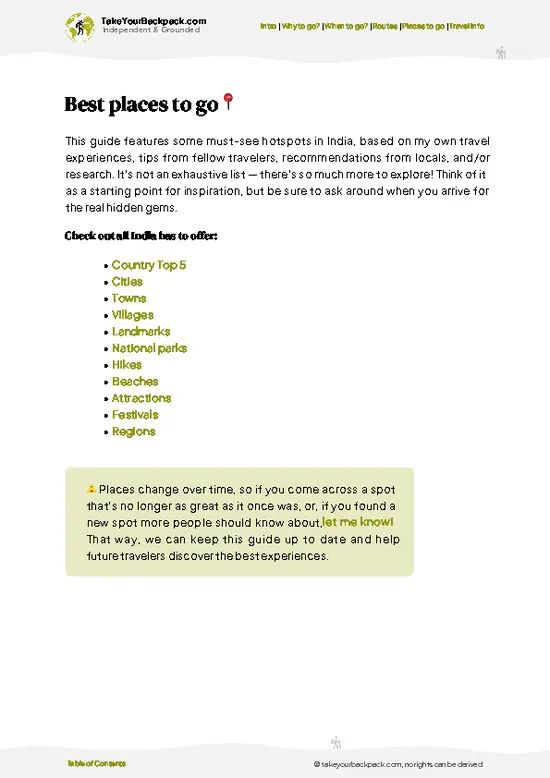
Or checkout all India has to offer (think cities, towns, villages, national parks, hikes, beaches, festivals)
Country photo of India

We 💚 feedbackSumming up the experience

The Kerala Backwaters are a slice of paradise, where the slow pace of life invites you to breathe deeply and soak in the lush surroundings. You’ll find yourself drifting past vibrant villages and palm-fringed shores, feeling like you’ve stepped into another world. But here’s the catch: the humidity can be relentless, especially in peak season. Pack your patience and embrace the sweat; it’s all part of the experience. Trust me, it’s worth it.

✈️ When did I visit India?
As part of my 1.5 year travel around the world trip, I visited India in December 2015.

✍️ Help improve this page!
The information on this page is based on my own backpacking experience in India, supplemented with up-to-date research and feedback from other travelers. Travel details can change, so if you notice anything outdated or incomplete, feel free to let me know.


🙋‍♂️ Give feedback

👋 Meet the founderWho’s Behind Take Your Backpack?

Johan, backpacker and founder of TakeYourBackpackHi, I’m Johan (Netherlands 🇳🇱), the creator of TakeYourBackpack. Over the past 3 decades, I’ve backpacked through 90+ countries across six continents, gaining extensive experience with independent travel, long-term trips, and overland routes.

This site is built on a combination of firsthand travel experience and carefully curated insights from other backpackers. Many guides are based on places I’ve personally visited, while others bring together tips, observations, and practical advice shared by trusted travelers I’ve met along the way.

The goal is to provide realistic, experience-driven guidance — not generic itineraries — so you can explore destinations with better context, clearer expectations, and more confidence.