


×

India🇮🇳 | landmarksKhajurahoerotic sculpture, sandstone temples, Chandela dynasty | things to do and best time to go

Explore Humayun’s TombExplore Meenakshi Temple

Backpacking in Khajuraho
🌟 Highlightunique site ranked #7
By Johan Kruseman 🇳🇱 | Updated October 15, 2026

Everyone shows up to Khajuraho for the “erotic temples” they saw in a clickbait reel, but that’s the least interesting thing about the place. What actually lands is how human these temples feel when you’re standing under them at sunrise, with parrots screeching overhead and the stone glowing gold. Khajuraho sits in Madhya Pradesh, roughly between Jhansi and Satna, a bit out of the way but reachable by train and bus if you’re patient. As a backpacker destination, it’s low-pressure: small town, walkable, cheap guesthouses, and temple tickets that won’t wreck your budget. The wow-factor is real if you care about sculpture, symbolism, and medieval Indian history; less so if you just want a quick selfie. Crowds are manageable outside peak season, but touts can be clingy. Still, give it 24-48 hours and it feels like India on “slow mode,” in a good way.

Discover everything you want to know in the 📖 India Travel Guide.


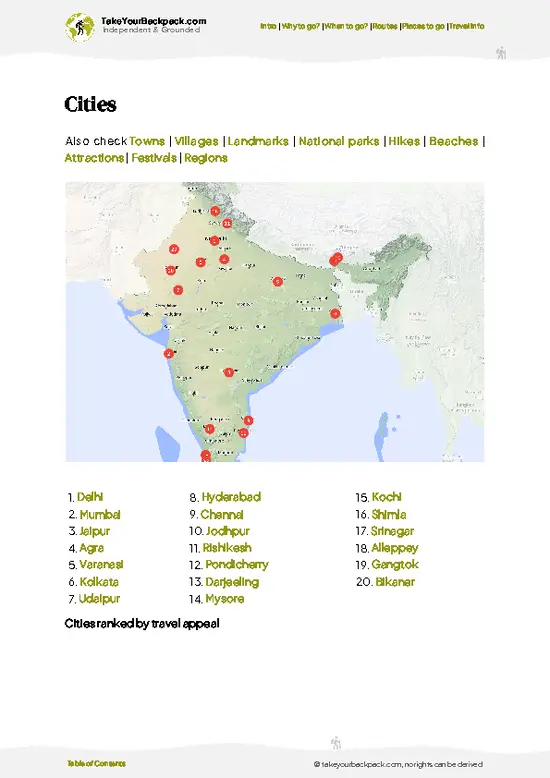
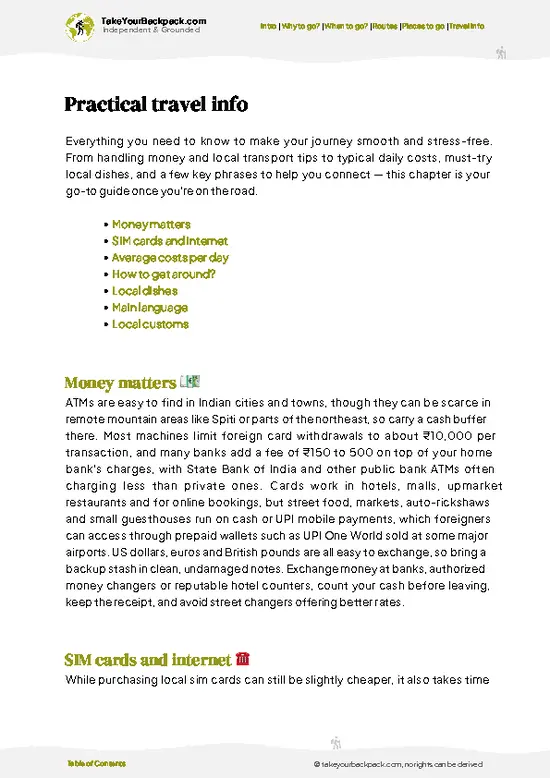
example page 0 from our offline Travel Guide for India
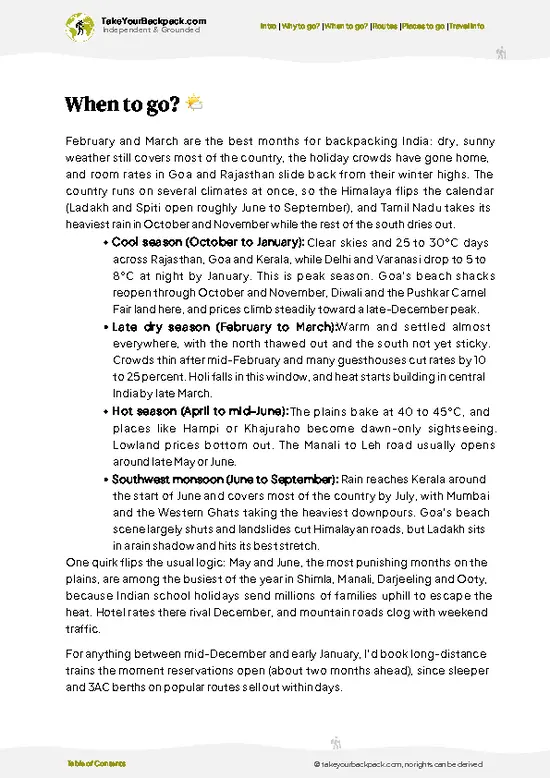
example page 1 from our offline Travel Guide for India
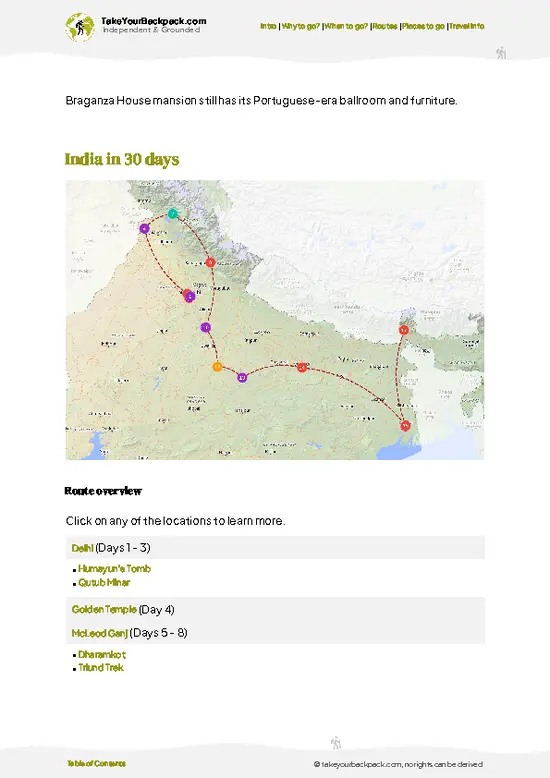
example page 2 from our offline Travel Guide for India
example page 3 from our offline Travel Guide for India
example page 4 from our offline Travel Guide for India
example page 5 from our offline Travel Guide for India
example page 6 from our offline Travel Guide for India
example page 7 from our offline Travel Guide for India
Loading the map 🌍
CLICK TO FILTER
cities
towns
villages
landmarks
national parks
hikes
beaches
attractions
festivals
regions
SHOW COUNTRY’S BESTSHOW ALL

✨ Why go?
Ranked #7 unique site in India
What makes it a must-see unique site

Khajuraho isn’t just another stop; it’s a must-see for backpackers chasing the real essence of India. Sure, the crowds can be overwhelming, especially during peak season, but the intricate sculptures on these temples tell stories that resonate deeply. You’re not just looking at art; you’re witnessing a celebration of life, love, and spirituality carved in stone.

The cost is a breeze—entry fees are low, and you can find budget accommodations nearby. Plus, it fits seamlessly into a broader route through central India, making it easy to combine with other gems like Orchha or Varanasi.

Don’t let the Instagram hype fool you; the real magic lies in the details. Spend time wandering, absorbing the atmosphere, and you’ll discover why this UNESCO site is worth every moment.

💡 HighlightsThe experiences that define the visit

  • Kandariya Mahadeva Temple — the high point of Khajuraho’s sandstone drama: the tallest shikhara (tower), dense layers of sculptures and impossible-looking spires. For me it’s the standout — personal favorite — because the scale and intricacy hit you from every angle; it feels like the Chandela dynasty’s best flex in stone.
  • Erotic sculptures and narrative friezes — the famous carvings everyone talks about, but don’t write off as mere titillation: they’re carved with superb detail and sit alongside panels of gods, dancers and everyday life, creating a full cultural program about desire, duty and society. The skill and storytelling in miniature make Khajuraho unique.
  • Lakshmana Temple — one of the earliest and best-preserved temples here, useful for seeing the evolution of Nagara architecture
… read more 👉
  • Kandariya Mahadeva Temple — the high point of Khajuraho’s sandstone drama: the tallest shikhara (tower), dense layers of sculptures and impossible-looking spires. For me it’s the standout — personal favorite — because the scale and intricacy hit you from every angle; it feels like the Chandela dynasty’s best flex in stone.
  • Erotic sculptures and narrative friezes — the famous carvings everyone talks about, but don’t write off as mere titillation: they’re carved with superb detail and sit alongside panels of gods, dancers and everyday life, creating a full cultural program about desire, duty and society. The skill and storytelling in miniature make Khajuraho unique.
  • Lakshmana Temple — one of the earliest and best-preserved temples here, useful for seeing the evolution of Nagara architecture and a continuous band of carved narratives. It’s compact, very readable, and a great spot to study how themes repeat across the complex.
  • Vishvanatha Temple — noted for its elegant proportions and exquisite sculptures of gods and celestial beings (apsaras). The polish on the stone and the rhythm of its columns make it a quieter place to appreciate craftsmanship without the bigger crowds.
  • Varaha Temple — home to the impressive boar-incarnation of Vishnu and some of the clearest mythological panels in the western group. Great if you want to see narrative reliefs where a single large sculpture anchors the whole temple’s story.
  • Eastern Group (Jain temples: Parsvanath & Adinath) — a striking contrast to the Hindu temples: calmer, more restrained carving, and beautifully preserved Tirthankara images. If you care about religious history and different aesthetics in the same site, this is a must-see.
  • Evening light-and-sound show & sunset views — the night storytelling ties the Chandela history together (and the sunset across the Western Group is a photographer’s favorite). The show is a touristy bit, but it brings context to the ruins and feels worth it if you’ve enjoyed the daytime walk.
Spotted a mistake or missing something? Contact us.

Things to do around Khajuraho

Ratings based on Tripadvisor reviews. When you book through this link, you support our work at no extra cost to you.

🌤️ When to go?When to go for the best experience

  • Weather: The best time to visit Khajuraho is between October and March when the weather is dry and pleasant. Temperatures hover around 15-30°C (59-86°F), perfect for wandering the temples without melting into a puddle.
  • Temperature: Summers scorch with highs hitting 40°C (104°F) or more, making midday exploration brutal. Winters can dip to 5°C (41°F) at night, so pack layers if you’re camping out for sunrise shots.
  • Daylight Hours: Expect roughly 10-11 hours of daylight during peak season, giving you ample time to explore the sprawling temple complex without rushing.
  • Crowds: Peak tourist season (October to February) means busloads of visitors, especially around weekends and festivals. If you want fewer people, aim for early mornings or late afternoons.
  • Seasonal Activities: The Khajuraho
… read more 👉
  • Weather: The best time to visit Khajuraho is between October and March when the weather is dry and pleasant. Temperatures hover around 15-30°C (59-86°F), perfect for wandering the temples without melting into a puddle.
  • Temperature: Summers scorch with highs hitting 40°C (104°F) or more, making midday exploration brutal. Winters can dip to 5°C (41°F) at night, so pack layers if you’re camping out for sunrise shots.
  • Daylight Hours: Expect roughly 10-11 hours of daylight during peak season, giving you ample time to explore the sprawling temple complex without rushing.
  • Crowds: Peak tourist season (October to February) means busloads of visitors, especially around weekends and festivals. If you want fewer people, aim for early mornings or late afternoons.
  • Seasonal Activities: The Khajuraho Dance Festival in February is a cultural highlight but expect inflated prices and packed accommodations.
  • Price Fluctuations: Accommodation and flights spike during peak season and festival times. Off-season (April to September) offers bargains but brace for heat and occasional monsoon showers.
Pro-tip: Visit just before or after peak season—late September or early March—to dodge crowds and price hikes while still enjoying decent weather.


source: climatestotravel.comJANJanuary: excellent for travelingFEBFebruary: highly recommended for travelingMARMarch: highly recommended for travelingAPRApril: fair for travelingMAYMay: below average for travelingJUNJune: below average for travelingJULJuly: fair for travelingAUGAugust: fair for travelingSEPSeptember: good for travelingOCTOctober: excellent for travelingNOVNovember: excellent for travelingDECDecember: excellent for traveling
when-to-go

✈️ The backpacker research shortcutIndia Travel Guide

An offline-friendly backpacking guide with optimized travel routes, ranked highlights, transport advice, and the best areas to stay.
example page 0 from our offline Travel Guide for India
example page 1 from our offline Travel Guide for India
example page 2 from our offline Travel Guide for India
example page 3 from our offline Travel Guide for India
example page 4 from our offline Travel Guide for India
example page 5 from our offline Travel Guide for India
example page 6 from our offline Travel Guide for India
example page 7 from our offline Travel Guide for India
The digital guide (483 pages) contains:
✅ 157 highlights, ranked by travel appeal
✅ Optimized 14, 21 & 30-day travel routes
✅ Cities, national parks, landmarks, beaches
✅ How to get around
✅ Offline-friendly for travel without Wi-Fi
👉 Click to see all 30+ guide features

📅 Plan smarter in minutes, not weeks
✅ Month by month travel advice
✅ Festivals & national holidays
✅ Budget expectations

🗺️ Go to the right places, skip the overrated ones
✅ Honest pros & cons of destinations
✅ Top hikes, parks & viewpoints
✅ Lesser-known places most travelers miss
✅ Clear “worth it vs skip it” guidance

🛏️ Travel smoothly without rookie mistakes
✅ Best areas to stay
✅ Transport systems explained simply
✅ Common scams & safety advice
✅ SIM cards, money & practical tips

🌍 Understand the country, not just visit it
✅ Culture & traditions
✅ 52 Essential phrases & customs
✅ Festivals worth planning around
✅ Traveler-friendly historical context
✅ Insights that make places more meaningful

📱 Built for real travel conditions
✅ Fully downloadable PDF
✅ Works completely offline
✅ Optimized for phone use
✅ Useful in remote areas & buses
✅ Everything in one place
Stop searching, start planning
Get instant access to your full guide. 30‑day money-back guarantee.
+ Add another guide for just

By proceeding you agree to our terms.
Sent to your inbox immediately after payment • 100% Secure Checkout
Best Backpacking Travel Advisor 2025 tourism awardBest Backpacking
Travel Advisor
2025
What others say about Take Your Backpack Guides:
⭐⭐⭐⭐⭐
Fantastic, amazing amount of information!
⭐⭐⭐⭐⭐
My goodness this is amazing, it's what I've been looking for hats off too you!
⭐⭐⭐⭐⭐
I think this is absolutely BRILLIANT
⭐⭐⭐⭐
Very complete and informative. It's still missing places, but I gotta to commend you
⭐⭐⭐⭐⭐
This is truly amazing, thank you, can't wait to explore it with my kids!
⭐⭐⭐⭐⭐
Awesome resource, thank you!
⭐⭐⭐⭐⭐
This is amazing! Can't wait to explore the ones I haven't seen
⭐⭐⭐⭐
I love this! Well done, great idea.
⭐⭐⭐⭐⭐
Thanks for taking the time to make this gem!
⭐⭐⭐⭐⭐
This might be the best website I've ever seen.
⭐⭐⭐⭐⭐
Congratulations, and thank you so much for your work; it's incredibly valuable.
⭐⭐⭐⭐
In all seriousness I think you did a great job pointing out the important spots
⭐⭐⭐⭐⭐
10/10 very good
⭐⭐⭐⭐⭐
As someone who's only just starting to visit regularly this is awesome, thank you.
⭐⭐⭐⭐
Thank you very much! I'm going to visit my dad, it's going to be very useful!
⭐⭐⭐⭐⭐
This is really cool! We'll be travelling for the first time and this definitely come in handy.
⭐⭐⭐⭐⭐
You are now our minister of culture, congratulations 👨‍💼
⭐⭐⭐⭐⭐
Just wanted to tell you that this is a pearl! Going to follow your recommendations.
⭐⭐⭐⭐⭐
This is so cool. I'll definitely be using the resource for my travels soon.
⭐⭐⭐⭐⭐
This is very impressive! Good work.
⭐⭐⭐⭐⭐
This is an amazing and informative site. Very well done!

🛏️ Where to stay?Where staying makes the most sense

Staying near Khajuraho is all about balancing comfort with the local vibe. The area around the Western Group of Temples is your best bet. It’s buzzing with backpackers, making it easy to connect with fellow travelers. You’ll find guesthouses and budget lodges that are safe and welcoming, often run by locals who can share insider tips.

Head a bit further into the village for a more authentic experience. Here, you’ll encounter homestays that offer a glimpse into daily life. The food is homemade and delicious, and you might even join a cooking class.

Avoid the tourist traps that inflate prices … read more 👉
Staying near Khajuraho is all about balancing comfort with the local vibe. The area around the Western Group of Temples is your best bet. It’s buzzing with backpackers, making it easy to connect with fellow travelers. You’ll find guesthouses and budget lodges that are safe and welcoming, often run by locals who can share insider tips.

Head a bit further into the village for a more authentic experience. Here, you’ll encounter homestays that offer a glimpse into daily life. The food is homemade and delicious, and you might even join a cooking class.

Avoid the tourist traps that inflate prices and dilute the experience. Instead, seek out places where you can hear the stories of the temples from those who know them best. The real magic of Khajuraho lies in its culture, and staying close to the heart of it will enrich your journey.

👛 Costs (as of 15 October 2026)How expensive it really is

Visiting Khajuraho is a journey into a world of intricate temples and rich history, but it comes with its own set of costs. Here’s a breakdown to help you navigate the financial side of this unique destination.
  • Entry Fees: Expect to pay around $10 to $15 (about €9 to €14) for entry to the Western Group of Temples, which is the most famous. Other groups may have separate fees, so check ahead. The ticket includes access to multiple temples, making it a decent deal.
  • Accommodation: Budget options start at $10 to $20 (about €9 to €18) for hostels or guesthouses. Mid-range hotels can range from $30 to $70 (about €27 to €63). Luxury stays can go upwards of $100 (about €90), but they often come with amenities that enhance your experience.
  • Food: Street food is a steal at around $1 to $3 (about €0.90 to
… read more 👉
Visiting Khajuraho is a journey into a world of intricate temples and rich history, but it comes with its own set of costs. Here’s a breakdown to help you navigate the financial side of this unique destination.
  • Entry Fees: Expect to pay around $10 to $15 (about €9 to €14) for entry to the Western Group of Temples, which is the most famous. Other groups may have separate fees, so check ahead. The ticket includes access to multiple temples, making it a decent deal.
  • Accommodation: Budget options start at $10 to $20 (about €9 to €18) for hostels or guesthouses. Mid-range hotels can range from $30 to $70 (about €27 to €63). Luxury stays can go upwards of $100 (about €90), but they often come with amenities that enhance your experience.
  • Food: Street food is a steal at around $1 to $3 (about €0.90 to €2.70) for a meal. Restaurants vary, with local eateries charging $5 to $15 (about €4.50 to €14) for a full meal. If you’re craving international cuisine, expect to pay more, around $15 to $30 (about €14 to €27).
  • Transportation: Local transport is affordable. Auto-rickshaws typically charge $1 to $3 (about €0.90 to €2.70) for short rides. If you’re considering a taxi for a longer trip, budget around $10 to $20 (about €9 to €18). Renting a bicycle is also a great way to explore, costing about $2 to $5 (about €1.80 to €4.50) per day.
  • Guided Tours: If you want to dive deeper into the history and architecture, guided tours can range from $15 to $50 (about €14 to €45) depending on the length and inclusions. Private guides may charge more, but they can offer insights that enhance your visit.

Understanding these costs will help you plan effectively. Khajuraho is worth every penny, especially when you consider the depth of culture and history waiting for you.


source: incredibleindia.org
⚠️ Prices can change and everyone travels differently, so take this as a rough guide. Hope it helps you plan your adventure!

FAQCommon questions from travelers

Khajuraho is a group of Hindu and Jain temples famous for their intricate erotic sculptures, built between 950 and 1050 AD by the Chandela dynasty. The site is a UNESCO World Heritage Site located in Madhya Pradesh, India. It is renowned for its architectural symbolism and detailed carvings.
You need about one full day to visit Khajuraho to see the main Western Group of Temples and the smaller Eastern and Southern groups. Most travelers spend 4 to 6 hours exploring the site, plus additional time for the museum and light show in the evening if interested.
You can get to Khajuraho by air, train, or road. The nearest airport is Khajuraho Airport, with flights from Delhi and Varanasi. The town is also connected by train to major cities like Jhansi and Satna, and regular buses and taxis are available from nearby cities such as Jhansi, which is about 175 km away.
⚠️ Things can change over time, so always validate details locally before you go.

Other Indian landmarks near Khajuraho

Explore more nearby:

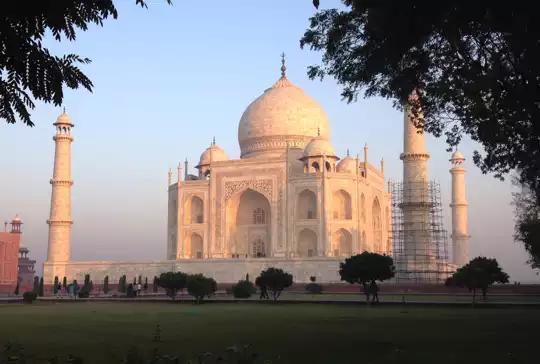
  • Taj Mahal—white marble dome, reflecting pool, symmetrical gardens| 321 km away
  • Agra Fort—red sandstone ramparts, Mughal palaces, royal courtyards| 323 km away
  • Fatehpur Sikri—abandoned capital, red sandstone pavilions, imperial mosque| 338 km away

💡 Not sure where to go next?
Create a personalized itinerary for India including Khajuraho and the places that fit your trip.

Generate my itinerary

👉 Discover all landmarks

Or checkout all India has to offer (think cities, towns, villages, national parks, hikes, beaches, festivals)
Country photo of India

We 💚 feedbackSumming up the experience

Khajuraho’s temples are a jaw-dropping testament to artistry and spirituality, with intricate carvings that tell stories of love, life, and everything in between. But let’s be real: the crowds can be overwhelming, especially during peak season. If you can navigate that chaos, you’ll find a depth here that’s worth every moment. Just be ready for the hustle.

✈️ When did I visit India?
As part of my 1.5 year travel around the world trip, I visited India in December 2015.

✍️ Help improve this page!
The information on this page is based on my own backpacking experience in India, supplemented with up-to-date research and feedback from other travelers. Travel details can change, so if you notice anything outdated or incomplete, feel free to let me know.


🙋‍♂️ Give feedback

👋 Meet the founderWho’s Behind Take Your Backpack?

Johan, backpacker and founder of TakeYourBackpackHi, I’m Johan (Netherlands 🇳🇱), the creator of TakeYourBackpack. Over the past 3 decades, I’ve backpacked through 90+ countries across six continents, gaining extensive experience with independent travel, long-term trips, and overland routes.

This site is built on a combination of firsthand travel experience and carefully curated insights from other backpackers. Many guides are based on places I’ve personally visited, while others bring together tips, observations, and practical advice shared by trusted travelers I’ve met along the way.

The goal is to provide realistic, experience-driven guidance — not generic itineraries — so you can explore destinations with better context, clearer expectations, and more confidence.