v2.webp)

- Shore Temple — The picture everyone has in their head: twin temples on the rocks facing the sea. Visit at sunrise or high tide to feel how the Pallavas framed temple architecture against the ocean; the carvings and the seaside setting are the real deal, not a stage set.
- Arjuna’s Penance (Descent of the Ganges) — A massive open-air bas-relief carved into a single rock face. It’s an art history lesson you can walk up to: gods, animals, and everyday people frozen in stone, with details that keep revealing themselves the longer you stare.
- Pancha Rathas (Five Rathas) — Five monolithic ”chariot” temples, each a different plan and personality. These unmoved, unfinished rock temples are great for comparing Pallava experimentation in one compact spot.
- Krishna’s Butter Ball — That enormous precarious
- Shore Temple — The picture everyone has in their head: twin temples on the rocks facing the sea. Visit at sunrise or high tide to feel how the Pallavas framed temple architecture against the ocean; the carvings and the seaside setting are the real deal, not a stage set.
- Arjuna’s Penance (Descent of the Ganges) — A massive open-air bas-relief carved into a single rock face. It’s an art history lesson you can walk up to: gods, animals, and everyday people frozen in stone, with details that keep revealing themselves the longer you stare.
- Pancha Rathas (Five Rathas) — Five monolithic ”chariot” temples, each a different plan and personality. These unmoved, unfinished rock temples are great for comparing Pallava experimentation in one compact spot.
- Krishna’s Butter Ball — That enormous precarious boulder that looks like someone left a giant egg on the slope. It’s absurd, photogenic, and surprisingly tactile; locals have stories, kids love it, and it’s a quick, fun stop between the monuments.
- Varaha Cave (Varaha Mandapa) — A small cave temple with crisply carved panels showing Vishnu’s boar avatar and mythic scenes. It’s quieter than the open reliefs and gives a sense of how intimate worship spaces were carved into living rock.
- Mahishasuramardini Cave — Compact but rich: a cave shrine with a powerful Durga/Chamunda relief and other narrative panels. Visit if you want to see evocative iconography without the crowds that gather at the shore-facing sites.
- Mahabalipuram Lighthouse — Climb the steps for a different perspective: the town, the temple rocks and the coastline laid out beneath you. It’s short, breezy, and especially nice late afternoon when the light softens the rocks.
- Archaeological Survey of India (ASI) Museum — A small museum that packs the region’s stone fragments, inscriptions and finished sculpture into one place. Seeing the original pieces here helps decode the carvings scattered across the town.
- Main Beach & Fishermen’s Shore — Not just a beach: watch nets hauled, vendors selling fresh catch, families gathering at dusk and fishermen mending boats. It’s good for a slow evening, a swim (mind the currents), and people-watching that feels local, not staged.
- Stone-Carver Workshops / Sculptors’ Street — Walk the lanes where artisans still chip away at granite using traditional techniques. You can watch craftsmen make replicas, ask about tools and techniques, and (if you’re careful) take home a small, locally carved keepsake.
Spotted a mistake or missing something? Contact us.

Mahabalipuram tour by Tourism Ministry approved company
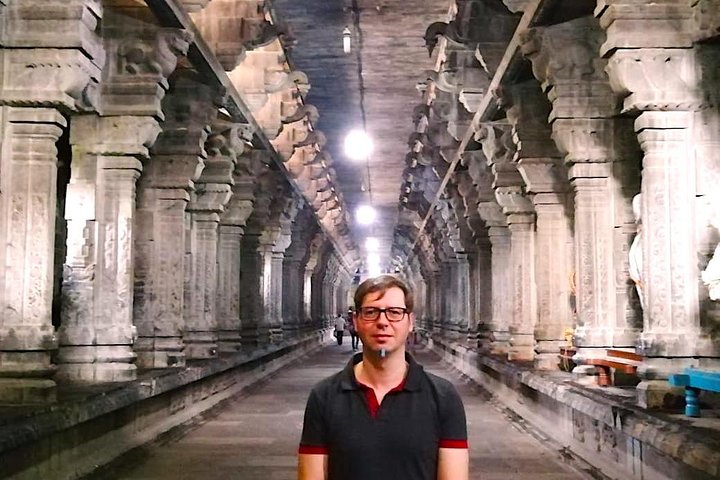
Mahabalipuram & Kanchipuram by tourism ministry approved company

Mahabalipuram Private Tour with Lunch and Guide from Chennai

Mahabalipuram walking tour by tourism ministry approved company

Private Kanchipuram & Mahabalipuram Day Trip from Chennai

Top Rated Day trip Mahabalipuram and Pondicherry with Guide Lunch

Private Day Trip to Mahabalipuram from Chennai with Expert Guide

Best of Kanchipuram & Mahabalipuram: Private Day Tour

Best of Chennai and Mahabalipuram Full Day Private Guided Tour


 Best Backpacking
.jpg) Hi, I’m Johan (Netherlands 🇳🇱), the creator of TakeYourBackpack. Over the past 3 decades, I’ve backpacked through 90+ countries across six continents, gaining extensive experience with independent travel, long-term trips, and overland routes.
Hi, I’m Johan (Netherlands 🇳🇱), the creator of TakeYourBackpack. Over the past 3 decades, I’ve backpacked through 90+ countries across six continents, gaining extensive experience with independent travel, long-term trips, and overland routes.