



×

India🇮🇳 | national parksNeora Valley National ParkEastern Himalayas, cloud forest, red panda habitat | things to do and best time to go

Explore Desert National ParkExplore Balphakram National Park

Backpacking in Neora Valley
👌 Worth visitingnational park ranked #22
By Johan Kruseman 🇳🇱 | Updated October 15, 2026

Mist hangs in the rhododendrons, your boots squelch on a leech-slick trail, and somewhere below the cloud a laughing thrush cuts through the silence. Neora Valley National Park sits in northern West Bengal, brushing the Sikkim and Bhutan borders, and it feels far wilder than better-known Indian parks. Trails are steep, muddy, and often vague; wildlife is more about possibility than sightings, but that red panda “maybe” keeps you alert. Access is slow, permits and fees can be confusing, and basic homestays replace classic campgrounds, yet costs stay reasonable if you’re patient. Compared with Singalila or Khangchendzonga, Neora is quieter, less organized, and more demanding, with mossy forest tunnels instead of big mountain panoramas, and it rewards backpackers who prefer raw, slightly inconvenient forest over easy safaris or Instagram viewpoints.

Discover everything you want to know in the 📖 India Travel Guide.


example page 0 from our offline Travel Guide for India
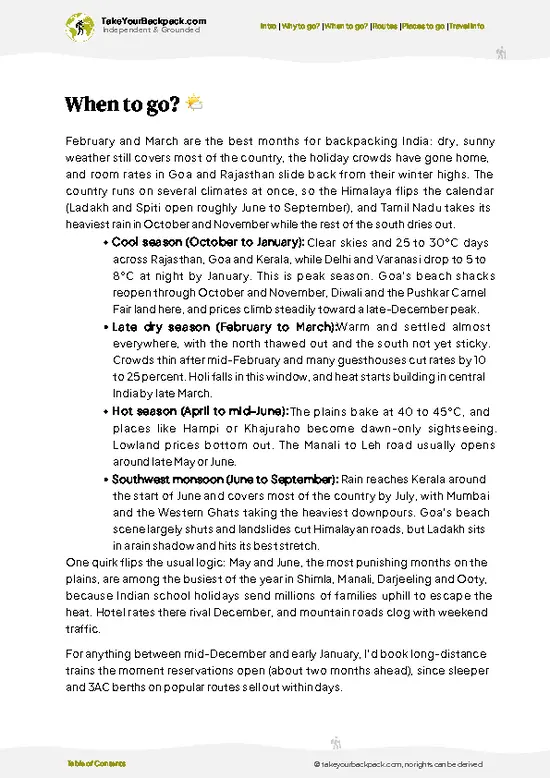
example page 1 from our offline Travel Guide for India
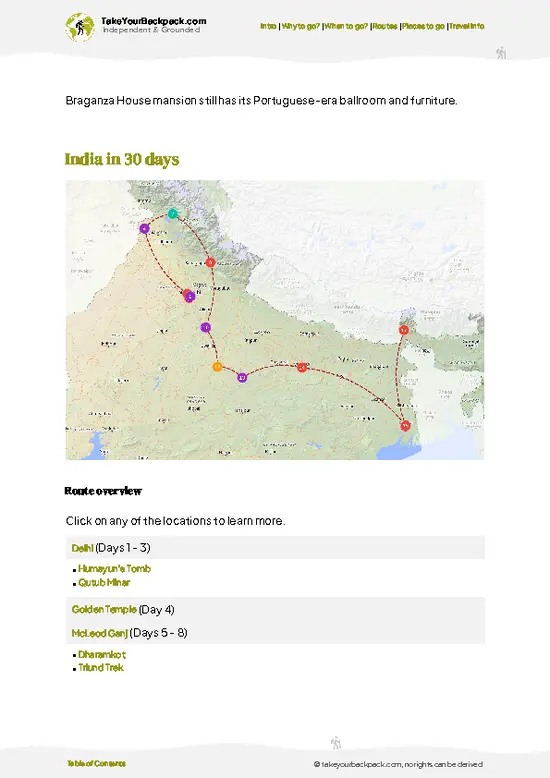
example page 2 from our offline Travel Guide for India
example page 3 from our offline Travel Guide for India
example page 4 from our offline Travel Guide for India
example page 5 from our offline Travel Guide for India
example page 6 from our offline Travel Guide for India
example page 7 from our offline Travel Guide for India
Loading the map 🌍
CLICK TO FILTER
cities
towns
villages
landmarks
national parks
hikes
beaches
attractions
festivals
regions
SHOW COUNTRY’S BESTSHOW ALL

✨ Why go?
Ranked #22 national park in India
What sets this place apart

Backpackers flock to Neora Valley National Park for its independent exploration opportunities. The park offers a range of trail variety, from easy walks to challenging treks, making it ideal for self-guided travelers. Budget-conscious adventurers appreciate the camping options and nearby hostels, which keep costs low without sacrificing experience. Unlike many tourist-heavy spots, Neora Valley allows you to connect with nature on your own terms. Just be prepared for some rugged terrain and occasional wildlife encounters—they’re part of the charm. This park is about embracing the wild, not following the crowd.

💡 HighlightsPlaces and moments you shouldn't skip

  • Red panda habitat: One of the park’s biggest draws — old-growth bamboo, thick canopy and quiet valleys make it one of the few places in West Bengal where red pandas still hang on. Sightings are rare and magical; bring patience, a guide, and a tele lens if you want a chance.
  • Mossy rhododendron and oak forests: Dense, dripping moss, giant oaks and carpets of rhododendron paint the slopes in spring. The layered forest (subtropical to temperate) feels primeval and is spectacular for close-up nature walks and photography.
  • Birdlife hotspot: Eastern Himalayan species turn up here — pheasants, laughingthrushes, warblers and other mountain specialists. It’s small-park scale birding: intimate, rewarding, and noisy at dawn. Bring binoculars and be ready for surprise calls in the understory.
  • Neora
… read more 👉
  • Red panda habitat: One of the park’s biggest draws — old-growth bamboo, thick canopy and quiet valleys make it one of the few places in West Bengal where red pandas still hang on. Sightings are rare and magical; bring patience, a guide, and a tele lens if you want a chance.
  • Mossy rhododendron and oak forests: Dense, dripping moss, giant oaks and carpets of rhododendron paint the slopes in spring. The layered forest (subtropical to temperate) feels primeval and is spectacular for close-up nature walks and photography.
  • Birdlife hotspot: Eastern Himalayan species turn up here — pheasants, laughingthrushes, warblers and other mountain specialists. It’s small-park scale birding: intimate, rewarding, and noisy at dawn. Bring binoculars and be ready for surprise calls in the understory.
  • Neora River gorges and waterfalls: Clear streams cut deep, rocky gullies with little cascades and natural pools. Great spots for a break on a hot day, and the sound of water under the canopy is a mood-setter for the whole park.
  • Elusive mammals beyond the red panda: Camera-trap records and local reports note Himalayan black bear, barking deer, serow and occasionally big cat activity. You won’t casually bump into them, but the sense that you’re in real, functioning wilderness is part of the appeal.
  • Classic multi-day treks: Trails from Lava, Rishyap and Lolegaon thread into the core valleys — expect steep climbs, mixed terrain, and sections of primitive trail. Permits and a local guide are recommended; the payoff is raw forest, stream crossings, and very few hikers.
  • High ridges and clearing viewpoints: On clear days some exposed ridges give sweeping eastern Himalayan glimpses and dramatic sunrise colors. It’s not a guaranteed parade of peaks, but when the clouds part the views are unexpectedly grand for a park this compact.
  • Personal favorite:Mossy rhododendron and oak forests — I love starting early, walking slow through dripping moss and listening to birds; those quiet, green corridors feel like the heart of Neora.
Spotted a mistake or missing something? Contact us.

Things to do near Neora Valley National Park

Ratings based on Tripadvisor reviews. When you book through this link, you support our work at no extra cost to you.

🌤️ When to go?When to go for the best experience

  • Topic: Weather - The best window is late March to early June and September to November. Avoid monsoon months (June to August) when heavy rains make trails slippery and risky.
  • Topic: Temperature - Spring and autumn offer mild temps, ranging 10-25°C (50-77°F). Winters dip below 5°C (41°F), which can be harsh without proper gear.
  • Topic: Daylight Hours - Expect roughly 11-12 hours of daylight in peak seasons, enough for full-day hikes without rushing.
  • Topic: Crowds - Peak tourist season is spring and autumn; expect more visitors. Off-season means solitude but tougher conditions.
  • Topic: Seasonal Activities - Spring brings wildflowers and birdwatching; autumn is prime for clear views and trekking.
  • Topic: Price Fluctuations - Accommodation and permits cost more during peak months; off-season
… read more 👉
  • Topic: Weather - The best window is late March to early June and September to November. Avoid monsoon months (June to August) when heavy rains make trails slippery and risky.
  • Topic: Temperature - Spring and autumn offer mild temps, ranging 10-25°C (50-77°F). Winters dip below 5°C (41°F), which can be harsh without proper gear.
  • Topic: Daylight Hours - Expect roughly 11-12 hours of daylight in peak seasons, enough for full-day hikes without rushing.
  • Topic: Crowds - Peak tourist season is spring and autumn; expect more visitors. Off-season means solitude but tougher conditions.
  • Topic: Seasonal Activities - Spring brings wildflowers and birdwatching; autumn is prime for clear views and trekking.
  • Topic: Price Fluctuations - Accommodation and permits cost more during peak months; off-season rates drop but services may be limited.
Pro-tip: Plan for shoulder seasons—early spring or late autumn—when weather is stable, crowds thin, and costs stay reasonable.


source: climatestotravel.comJANJanuary: fair for travelingFEBFebruary: good for travelingMARMarch: highly recommended for travelingAPRApril: excellent for travelingMAYMay: excellent for travelingJUNJune: below average for travelingJULJuly: below average for travelingAUGAugust: below average for travelingSEPSeptember: excellent for travelingOCTOctober: excellent for travelingNOVNovember: highly recommended for travelingDECDecember: fair for traveling
when-to-go

✈️ The backpacker research shortcutIndia Travel Guide

An offline-friendly backpacking guide with optimized travel routes, ranked highlights, transport advice, and the best areas to stay.
example page 0 from our offline Travel Guide for India
example page 1 from our offline Travel Guide for India
example page 2 from our offline Travel Guide for India
example page 3 from our offline Travel Guide for India
example page 4 from our offline Travel Guide for India
example page 5 from our offline Travel Guide for India
example page 6 from our offline Travel Guide for India
example page 7 from our offline Travel Guide for India
The digital guide (483 pages) contains:
✅ 157 highlights, ranked by travel appeal
✅ Optimized 14, 21 & 30-day travel routes
✅ Cities, national parks, landmarks, beaches
✅ How to get around
✅ Offline-friendly for travel without Wi-Fi
👉 Click to see all 30+ guide features

📅 Plan smarter in minutes, not weeks
✅ Month by month travel advice
✅ Festivals & national holidays
✅ Budget expectations

🗺️ Go to the right places, skip the overrated ones
✅ Honest pros & cons of destinations
✅ Top hikes, parks & viewpoints
✅ Lesser-known places most travelers miss
✅ Clear “worth it vs skip it” guidance

🛏️ Travel smoothly without rookie mistakes
✅ Best areas to stay
✅ Transport systems explained simply
✅ Common scams & safety advice
✅ SIM cards, money & practical tips

🌍 Understand the country, not just visit it
✅ Culture & traditions
✅ 52 Essential phrases & customs
✅ Festivals worth planning around
✅ Traveler-friendly historical context
✅ Insights that make places more meaningful

📱 Built for real travel conditions
✅ Fully downloadable PDF
✅ Works completely offline
✅ Optimized for phone use
✅ Useful in remote areas & buses
✅ Everything in one place
Stop searching, start planning
Get instant access to your full guide. 30‑day money-back guarantee.
+ Add another guide for just

By proceeding you agree to our terms.
Sent to your inbox immediately after payment • 100% Secure Checkout
Best Backpacking Travel Advisor 2025 tourism awardBest Backpacking
Travel Advisor
2025
What others say about Take Your Backpack Guides:
⭐⭐⭐⭐⭐
Fantastic, amazing amount of information!
⭐⭐⭐⭐⭐
My goodness this is amazing, it's what I've been looking for hats off too you!
⭐⭐⭐⭐⭐
I think this is absolutely BRILLIANT
⭐⭐⭐⭐
Very complete and informative. It's still missing places, but I gotta to commend you
⭐⭐⭐⭐⭐
This is truly amazing, thank you, can't wait to explore it with my kids!
⭐⭐⭐⭐⭐
Awesome resource, thank you!
⭐⭐⭐⭐⭐
This is amazing! Can't wait to explore the ones I haven't seen
⭐⭐⭐⭐
I love this! Well done, great idea.
⭐⭐⭐⭐⭐
Thanks for taking the time to make this gem!
⭐⭐⭐⭐⭐
This might be the best website I've ever seen.
⭐⭐⭐⭐⭐
Congratulations, and thank you so much for your work; it's incredibly valuable.
⭐⭐⭐⭐
In all seriousness I think you did a great job pointing out the important spots
⭐⭐⭐⭐⭐
10/10 very good
⭐⭐⭐⭐⭐
As someone who's only just starting to visit regularly this is awesome, thank you.
⭐⭐⭐⭐
Thank you very much! I'm going to visit my dad, it's going to be very useful!
⭐⭐⭐⭐⭐
This is really cool! We'll be travelling for the first time and this definitely come in handy.
⭐⭐⭐⭐⭐
You are now our minister of culture, congratulations 👨‍💼
⭐⭐⭐⭐⭐
Just wanted to tell you that this is a pearl! Going to follow your recommendations.
⭐⭐⭐⭐⭐
This is so cool. I'll definitely be using the resource for my travels soon.
⭐⭐⭐⭐⭐
This is very impressive! Good work.
⭐⭐⭐⭐⭐
This is an amazing and informative site. Very well done!

🛏️ Where to stay?Choosing the right base

Neora Valley National Park doesn’t have accommodations directly inside its boundaries, but you’re not left high and dry. The nearby town of Kalimpong is your best bet. It offers a range of budget-friendly guesthouses and homestays that provide a cozy base. Look for places like the Himalayan Homestay or the quaint Hotel Silver Oak.

If you’re feeling adventurous, consider staying in the village of Lava. It’s a charming spot with basic lodgings and a direct route to the park. Just remember, booking ahead is wise, especially during peak seasons. This way, you can focus your energy on exploring rather than scrambling for a place to sleep.

👛 Costs (as of 15 October 2026)How expensive it really is

Visiting Neora Valley National Park in India requires some budgeting awareness. Entry fees for Indian citizens are around ₹100 (approximately $1.20), while foreign tourists pay about ₹600 (around $7.20).

If you plan to camp or stay overnight, expect to pay between ₹1,000 to ₹2,500 ($12 to $30) for basic accommodations. Local guides are recommended for a richer experience. Their fees can range from ₹1,500 to ₹3,000 ($18 to $36) per day, depending on the length of your trek and the services included.

Transportation costs can vary significantly. If you’re coming from nearby towns like Kalimpong or Darjeeling, a taxi might set you back ₹2,000 to ₹3,500 ($24 to $42) for a round trip. Public transport is cheaper but less convenient.

Food options are limited within the park. Budget around ₹200 … read more 👉
Visiting Neora Valley National Park in India requires some budgeting awareness. Entry fees for Indian citizens are around ₹100 (approximately $1.20), while foreign tourists pay about ₹600 (around $7.20).

If you plan to camp or stay overnight, expect to pay between ₹1,000 to ₹2,500 ($12 to $30) for basic accommodations. Local guides are recommended for a richer experience. Their fees can range from ₹1,500 to ₹3,000 ($18 to $36) per day, depending on the length of your trek and the services included.

Transportation costs can vary significantly. If you’re coming from nearby towns like Kalimpong or Darjeeling, a taxi might set you back ₹2,000 to ₹3,500 ($24 to $42) for a round trip. Public transport is cheaper but less convenient.

Food options are limited within the park. Budget around ₹200 to ₹500 ($2.40 to $6) per meal at local eateries.

Keep in mind that costs can fluctuate based on the season and availability. Planning ahead will help you avoid surprises and ensure you have the energy and funds for the experiences that truly matter.


source: incredibleindia.org
⚠️ Prices can change and everyone travels differently, so take this as a rough guide. Hope it helps you plan your adventure!

🥾 TrailsScenic routes and wildlife spotting in Neora Valley

Neora Valley National Park is a hidden gem in India, perfect for those who love lush landscapes and a bit of adventure. The park offers a range of hiking opportunities that let you soak in the beauty of the Eastern Himalayas. You’ll find yourself surrounded by dense forests, vibrant flora, and the occasional glimpse of wildlife, like the elusive Red Panda or various species of birds.

One of the standout trails is the Neora Valley Trek. Here are the details:
  • Length: 10 km
  • Estimated Duration: 6-8 hours
  • Difficulty Level: Moderate
  • Key Features: Stunning views of the valley, diverse plant life, and potential
… read more 👉
Neora Valley National Park is a hidden gem in India, perfect for those who love lush landscapes and a bit of adventure. The park offers a range of hiking opportunities that let you soak in the beauty of the Eastern Himalayas. You’ll find yourself surrounded by dense forests, vibrant flora, and the occasional glimpse of wildlife, like the elusive Red Panda or various species of birds.

One of the standout trails is the Neora Valley Trek. Here are the details:
  • Length: 10 km
  • Estimated Duration: 6-8 hours
  • Difficulty Level: Moderate
  • Key Features: Stunning views of the valley, diverse plant life, and potential wildlife sightings
  • Terrain: A mix of steep ascents and gentle slopes, with some rocky paths

The park is relatively less crowded compared to other tourist spots, making it a peaceful retreat. Public transport options are available, but you might need to take a combination of buses and shared taxis to get to the park entrance. As for the entrance fee, it’s quite reasonable, so you won’t break the bank just getting in. Just remember to pack some snacks and water; the trails can be a bit demanding, and you’ll want to keep your energy up while you enjoy the scenery.
⚠️ Hiking info can sometimes be outdated or inaccurate. Before you hit the trail, check the latest conditions with locals. If you do spot anything that's off, I'd love to hear from you, so I can update it for fellow travelers.

🛡️ SafetyTraveler Safety Guide

Neora Valley National Park offers a generally manageable experience for backpackers, but a few realities can catch you off guard. Weather can shift quickly, so pack layers and be ready for rain, especially during the monsoon season. The trails vary; some sections are steep and require careful footing, particularly after rainfall when they can become slippery.

Wildlife encounters are rare, but if you spot animals, keep your distance and don’t feed them. Navigation is straightforward, yet a good map or GPS is wise. Stay hydrated and pace yourself, especially on longer hikes, to enjoy the park’s beauty without exhausting yourself.

FAQCommon questions from travelers

3 to 4 days are ideal for exploring Neora Valley National Park thoroughly, allowing time for trekking and wildlife spotting. The main trek routes can take 2 to 3 days depending on your pace and itinerary. Extra days may be needed if you plan to visit remote areas or camp overnight.
Yes, you can visit Neora Valley National Park without a car. Public transport options like shared jeeps or buses are available from nearby towns such as Kalimpong or Lava. From these points, local taxis or walking can get you to the park entrance.
Yes, an entry permit is required to visit Neora Valley National Park. The permit fee is approximately 100 to 200 INR per person, depending on the season and nationality. Permits are issued at the park entrance or through local forest department offices.
⚠️ Things can change over time, so always validate details locally before you go.

Other Indian national parks near Neora Valley

Explore more nearby:


💡 Not sure where to go next?
Create a personalized itinerary for India including Neora Valley and the places that fit your trip.

Generate my itinerary

👉 Discover all national parks

Or checkout all India has to offer (think cities, towns, villages, national parks, hikes, beaches, festivals)
Country photo of India

We 💚 feedbackParting advice and final tips

Neora Valley National Park is a treasure for those who crave solitude and lush biodiversity. You’ll find peace among the towering trees and vibrant wildlife. Just be ready for the unpredictable weather; it can shift from sunny to rainy in a heartbeat, so pack accordingly.

✈️ When did I visit India?
As part of my 1.5 year travel around the world trip, I visited India in December 2015.

✍️ Help improve this page!
The information on this page is based on my own backpacking experience in India, supplemented with up-to-date research and feedback from other travelers. Travel details can change, so if you notice anything outdated or incomplete, feel free to let me know.


🙋‍♂️ Give feedback

👋 Meet the founderWho’s Behind Take Your Backpack?

Johan, backpacker and founder of TakeYourBackpackHi, I’m Johan (Netherlands 🇳🇱), the creator of TakeYourBackpack. Over the past 3 decades, I’ve backpacked through 90+ countries across six continents, gaining extensive experience with independent travel, long-term trips, and overland routes.

This site is built on a combination of firsthand travel experience and carefully curated insights from other backpackers. Many guides are based on places I’ve personally visited, while others bring together tips, observations, and practical advice shared by trusted travelers I’ve met along the way.

The goal is to provide realistic, experience-driven guidance — not generic itineraries — so you can explore destinations with better context, clearer expectations, and more confidence.