×

India🇮🇳 | best national parksExplore the 10 Best national parks in India

India’s national parks are a treasure trove for backpackers seeking wildlife, adventure, and cultural immersion. Each park offers a unique experience shaped by its landscape, climate, and biodiversity. From the dense jungles of Bandhavgarh to the arid beauty of Rann of Kutch, the selection you make will dictate not just what you see, but how you feel while exploring.

Understanding what defines national parks in India is crucial. These parks are protected areas aimed at conserving wildlife and their habitats, but they vary significantly by region. For instance, northern parks like Jim Corbett are accessible year-round, while southern parks like Periyar are best visited during the cooler months. This seasonal nuance can affect your budget and safety.

Choosing the right park impacts your travel pace and vibe. Some parks are designed for leisurely exploration, while others demand a more adventurous spirit. Accessibility varies, too; some parks are well-connected by public transport, while others require private vehicles or guided tours.

For independent travelers, understanding these differences is key to maximizing your experience and minimizing unexpected costs. Prioritize parks that align with your interests and travel style to ensure your journey through India’s natural wonders is as enriching as it is exhilarating.

By Johan Kruseman 🇳🇱 | Updated September 4, 2026
Explore the best hikes in India

Why go?Why These national park Stand Out

National parks in India are a unique tapestry of biodiversity, culture, and geography, setting them apart from parks in other countries. With over 100 national parks, India boasts a staggering variety of ecosystems, from the Himalayan heights to the tropical jungles of the Western Ghats. This diversity is not just a backdrop; it’s a living, breathing entity that supports countless species, some of which are found nowhere else on Earth. The rich flora and fauna are complemented by a cultural heritage that intertwines with the land, making these parks not just places to visit, but experiences to immerse in.

However, the infrastructure can be a double-edged sword. While some parks are relatively accessible, others require significant travel time, often on rough roads. This can lead to a trade-off … read more 👉
National parks in India are a unique tapestry of biodiversity, culture, and geography, setting them apart from parks in other countries. With over 100 national parks, India boasts a staggering variety of ecosystems, from the Himalayan heights to the tropical jungles of the Western Ghats. This diversity is not just a backdrop; it’s a living, breathing entity that supports countless species, some of which are found nowhere else on Earth. The rich flora and fauna are complemented by a cultural heritage that intertwines with the land, making these parks not just places to visit, but experiences to immerse in.

However, the infrastructure can be a double-edged sword. While some parks are relatively accessible, others require significant travel time, often on rough roads. This can lead to a trade-off between accessibility and the quality of the experience. The more remote parks often offer a deeper connection to nature, but reaching them can be a test of patience and planning. Travelers should be prepared for long journeys, which can sap energy but ultimately reward with solitude and unspoiled landscapes.

The climatic conditions also play a crucial role in shaping the park experience. India’s diverse climate means that some parks are best visited during specific seasons. The monsoon can transform lush landscapes but also make certain areas inaccessible. Understanding these patterns is essential for planning a trip that maximizes enjoyment while minimizing frustration.

Culturally, the parks are often situated near communities that have coexisted with wildlife for generations. This relationship can enhance the experience, offering insights into local traditions and conservation efforts. However, it also means that visitors must navigate the complexities of human-wildlife interaction. Respecting local customs and understanding the challenges faced by these communities is vital for a responsible visit.

In summary, India’s national parks offer an unparalleled opportunity to engage with nature and culture, but they come with their own set of challenges. The balance between travel time and depth of exploration, along with the need to adapt to varying climatic conditions and infrastructure limitations, is crucial for a fulfilling experience. By embracing these complexities, travelers can unlock the true essence of India’s wild heart.
Our Approach to Ranking
The list of best national parks in India is created based on landscapes, wildlife, adventure opportunities, facilities, and overall experience. If you feel a national park is missing in this list, please let us know.

When to go?Best Time to Visit India for national parks

Seasonality plays a crucial role in the experience of visiting national parks in India. The country’s diverse climate means that conditions can vary significantly from one region to another. Generally, the best time for wildlife visibility is during the dry season, which typically spans from late fall to early spring. This period offers clearer skies and less foliage, making it easier to spot animals.

Optimal Months for exploration usually fall between November and March. During these months, temperatures are more moderate, and wildlife is more active, as animals venture out in search of water and food. This is also when many parks host their peak visitor numbers. Expect crowded trails and higher accommodation costs, but the trade-off is the chance to see animals in their natural habitat. … read more 👉
Seasonality plays a crucial role in the experience of visiting national parks in India. The country’s diverse climate means that conditions can vary significantly from one region to another. Generally, the best time for wildlife visibility is during the dry season, which typically spans from late fall to early spring. This period offers clearer skies and less foliage, making it easier to spot animals.

Optimal Months for exploration usually fall between November and March. During these months, temperatures are more moderate, and wildlife is more active, as animals venture out in search of water and food. This is also when many parks host their peak visitor numbers. Expect crowded trails and higher accommodation costs, but the trade-off is the chance to see animals in their natural habitat.

Shoulder Seasons can be a mixed bag. Visiting just before or after the peak season—around October and April—can yield benefits. Fewer tourists mean quieter trails and potentially lower prices. However, conditions can be unpredictable. October may still have lingering rains, while April can see rising temperatures that might make midday treks uncomfortable. Wildlife visibility may also be less reliable during these transitional months.

Rainfall is another critical factor. The monsoon season, typically from June to September, brings heavy rains that can lead to park closures and muddy trails. While the landscape transforms into a lush paradise, wildlife is often harder to spot, as many animals seek shelter. If visiting during this time, be prepared for limited access and challenging conditions.

Temperature Extremes should also be considered. In some regions, summer temperatures can soar, making daytime excursions exhausting. Conversely, winter nights can be frigid, requiring appropriate gear. Planning for these extremes can enhance comfort and safety during visits.

Peak Periods often coincide with holidays and festivals, leading to increased foot traffic. If the goal is to avoid crowds, it’s wise to steer clear of these times. However, experiencing local culture can be rewarding if managed well.

Understanding these seasonal patterns is essential for effective trip planning. Balancing the desire for wildlife encounters with comfort and budget considerations will lead to a more fulfilling experience in India’s national parks.

national park hoppingOptimizing Your Multi-Stop Itinerary

Combining national parks in India requires strategic planning and a keen understanding of regional clusters. Start by grouping parks based on geography. For instance, the northern parks like Jim Corbett and Nainital can be paired easily due to their proximity. In the west, Ranthambore and Sariska make a natural duo. This clustering minimizes travel time and maximizes exploration.

Consider the direction of travel. If starting in the north, a logical route could be Jim Corbett, followed by Ranthambore, and then head south to the Western Ghats for parks like Periyar. This approach not only saves time but also allows for a gradual transition in landscapes and wildlife experiences.

Time management is crucial. Allocate at least two to three days per park to soak in the environment. This timeframe read more 👉
Combining national parks in India requires strategic planning and a keen understanding of regional clusters. Start by grouping parks based on geography. For instance, the northern parks like Jim Corbett and Nainital can be paired easily due to their proximity. In the west, Ranthambore and Sariska make a natural duo. This clustering minimizes travel time and maximizes exploration.

Consider the direction of travel. If starting in the north, a logical route could be Jim Corbett, followed by Ranthambore, and then head south to the Western Ghats for parks like Periyar. This approach not only saves time but also allows for a gradual transition in landscapes and wildlife experiences.

Time management is crucial. Allocate at least two to three days per park to soak in the environment. This timeframe allows for multiple safaris, guided treks, and downtime to appreciate the surroundings. Rushing through parks can lead to missed opportunities—wildlife sightings often require patience and luck.

Common mistakes include underestimating travel distances and over-scheduling. India’s roads can be unpredictable, and travel times can stretch longer than anticipated. Factor in rest days or flexible travel plans to avoid burnout. A rigid itinerary can lead to frustration, especially when wildlife sightings are unpredictable.

Trade-offs are inevitable. Spending longer in one park can deepen the experience, allowing for more intimate encounters with nature. However, covering multiple parks offers a broader perspective on India’s biodiversity. Weigh the benefits of comfort against budget constraints; sometimes, splurging on a guided tour or a comfortable stay can enhance the experience significantly.

Flexibility is key. Weather conditions can change rapidly, affecting wildlife activity and accessibility. Be prepared to adjust plans based on local advice or conditions. This adaptability can lead to unexpected rewards, like discovering a lesser-known trail or a unique wildlife sighting.

Ultimately, the goal is to create a balanced itinerary that respects both time and the richness of each park. Prioritize what matters most—whether it’s the thrill of spotting a tiger or the tranquility of a serene landscape. This approach ensures that the journey through India’s national parks is not just a checklist, but a meaningful adventure.

The ListMust-Visit national parks in India

1 Jim Corbett National Park

river valleys, Sal forest, wild elephants

Join dawn jeep rides through misty riverine forests, where elephants, tigers, and crocodiles thrive along the Ramganga’s banks.

2 Kaziranga National Park

flooded grasslands, one-horned rhino, wild buffalo

Ride atop elephants or drive through tall grass, spotting rhinos, wild buffalo, and storks in a landscape shaped by the Brahmaputra.

3 Ranthambore National Park

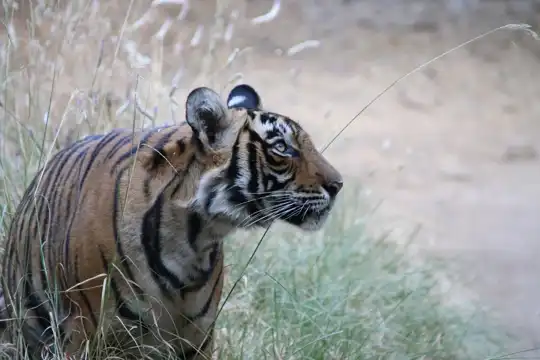
ruined fort, dry scrub forest, tiger sightings

Drive past ancient ruins and rocky hills, where tigers and leopards patrol open grasslands dotted with lakes and banyan trees.

India - Ranthambore National Park

4 Gir National Park

dry teak woodland, Asiatic lion, Maldhari settlements

Drive through arid forests and open scrub, observing the world’s last wild Asiatic lions and traditional pastoral communities.

5 Kanha National Park

meadow clearings, Barasingha deer, bamboo forest

Watch herds of Barasingha graze in open meadows, while tigers and leopards move quietly through bamboo thickets and forest.

6 Bandhavgarh National Park

steep ridges, ancient fort, high tiger density

Ascend forested hills and explore ruined fortifications, where frequent tiger sightings draw wildlife enthusiasts from across the world.

7 Periyar National Park

hill reservoir, spice plantations, wild elephant herds

Glide across a scenic lake ringed by forested hills, watching elephants and sambar deer emerge from the trees near Kerala’s spice country.

8 Sundarbans

mangrove delta, tidal creeks, Royal Bengal tiger

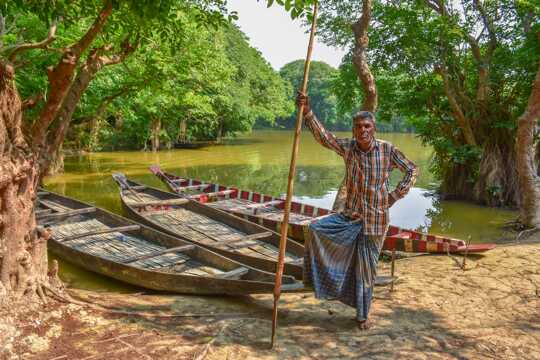
Navigate narrow waterways and shifting mudflats, where tigers, crocodiles, and fishing villages coexist in a vast tidal wilderness.

Bangladesh&India - Sundarbans

9 Valley of Flowers National Parks

alpine blooms, glacier-fed streams, monsoon meadows

Trek into high-altitude meadows that burst into color after the rains, with rare plants and mountain views at every turn.

10 Keoladeo National Park

wetland sanctuary, migratory birds, man-made marshes

Cycle or walk along dykes and shallow pools, observing thousands of migratory birds in a carefully managed wetland reserve.

11 Nagarhole National Park

dense teak forests, Kabini River, elephant herds

Navigate winding tracks through thick woodland, where riverbanks and open meadows reveal elephants, deer, and elusive predators in their natural routines.

12 Bandipur National Park

dry deciduous forest, tiger habitat, open grasslands

Experience early morning safaris across sunlit plains, where tigers, wild dogs, and herds of spotted deer move between forest and open terrain.

13 Manas Wildlife Sanctuary

foothill grasslands, golden langur, riverine islands

Travel by raft or jeep through grasslands and forested islands, searching for golden langurs, wild buffalo, and riverine birds.

14 Great Himalayan National Park Conservation Area

alpine meadows, glacial rivers, Himalayan tahr

Trek above the tree line into wildflower meadows and icy streams, encountering rare mountain wildlife in a remote Himalayan setting.

15 Mudumalai National Park

Nilgiri foothills, bamboo groves, birdlife

Follow forest trails along the Nilgiri slopes, spotting hornbills, langurs, and grazing deer in a patchwork of grassland and bamboo thickets.

16 Pench National Park

Teak woodland, Pench River, leopard territory

Travel through riverine landscapes and undulating hills, observing leopards, jackals, and a variety of birds in a setting that inspired Kipling’s tales.

17 Panna National Park

Ken River gorge, diamond mines, vulture cliffs

Travel along dramatic cliffs and river gorges, where vultures soar and tigers roam near ancient diamond mining sites.

18 Satpura National Park

sandstone escarpments, river canyons, walking safaris

Join guided walks through rugged hills and river gorges, tracking wildlife on foot in one of India’s few parks allowing walking safaris.

19 Rajaji National Park

Shivalik foothills, riverine forest, Asian elephants

Cross rocky riverbeds and forested hills, where elephants, leopards, and gharials coexist along the Ganges’ upper reaches.

20 Silent Valley National Park

evergreen rainforest, Nilgiri langur, Kuntipuzha River

Walk beneath towering trees in a pristine rainforest, listening for rare primates and the constant rush of a clear mountain river.

21 Hemis National Park

high-altitude desert, snow leopards, Buddhist monasteries

Trek across stark valleys and rocky slopes, scanning for snow leopards and blue sheep against a backdrop of remote Ladakhi culture.

22 Neora Valley National Park

Eastern Himalayas, cloud forest, red panda habitat

Climb misty ridges and mossy trails, where red pandas and rare birds inhabit dense, untouched forests along the Bhutan border.

23 Dudhwa National Park

Terai grasslands, swamp deer, Sal forests

Venture into tall grass and dense forest, where rare swamp deer graze and rhinos browse in a landscape shaped by seasonal floods.

24 Simlipal National Park

rolling hills, waterfalls, wild orchids

Hike through misty hills and past cascading falls, discovering orchids and tracking the movements of tigers and elephants in the Eastern Ghats.

25 Desert National Park

Thar dunes, Great Indian Bustard, fossil beds

Traverse sweeping sand dunes and arid plains, searching for rare birds and ancient fossils in a landscape shaped by wind and time.

26 Balphakram National Park

canyon landscape, Meghalaya plateau, pitcher plants

Descend into deep gorges and forested plateaus, encountering carnivorous plants and unique limestone formations in a remote corner of northeast India.

27 Gulf of Mannar Marine National Park

coral reefs, seagrass beds, dugong habitat

Snorkel above vibrant reefs and seagrass meadows, encountering sea turtles and dugongs in India’s richest marine biodiversity zone.

28 Mahatma Gandhi Marine National Park

Andaman Islands, mangrove creeks, snorkeling sites

Paddle through clear waters and tangled mangroves, discovering colorful fish and coral gardens around remote Andaman islets.

29 Khangchendzonga National Park

glacial valleys, sacred peaks, Himalayan biodiversity

Hike through rhododendron forests and high-altitude valleys, with views of sacred mountains and encounters with rare Himalayan wildlife.

30 Pachmarhi Biosphere Reserve

Satpura hills, sandstone caves, endemic flora

Explore forested plateaus and ancient rock shelters, where unique plants and prehistoric art reveal the region’s natural and cultural history.

31 Sanjay National Park

Central Indian plateau, mixed forest, sloth bear territory

Roam through undulating forests and rocky outcrops, keeping an eye out for sloth bears and herds of antelope in a rarely visited region.

32 Kalesar National Park

Shivalik hills, Sal forest, sambar deer

Wander through quiet Sal forests and grassy clearings, where sambar and barking deer graze beneath the Himalayan foothills.

33 Dibru-Saikhowa National Park

floodplain islands, feral horses, river dolphins

Explore shifting river islands by boat, watching for wild horses and freshwater dolphins in a dynamic wetland ecosystem.

Think you know India?

Prove you’re a true local — uncover 23 lesser-known national parks in India that locals tend to keep to themselves.
Loading the map 🌍

Expert viewInsights from Locals and Experts

Terrain
India’s national parks are a patchwork of diverse terrains, from the towering Himalayas to the dense jungles of the Western Ghats. Each park offers a unique landscape that shapes the wildlife you’ll encounter. In the north, you’ll find rugged mountains and alpine meadows, while the south boasts lush rainforests and rolling hills. This variety means that your experience will differ dramatically based on where you choose to go.

However, this diversity comes with trade-offs. If you’re keen on seeing a range of wildlife, you might be tempted to hop from park to park. But remember, travel times can be deceptive. Distances may seem short on a map, but winding roads and local traffic can stretch your travel time significantly. Prioritize parks that align with your interests, whether that’s … read more 👉
Terrain
India’s national parks are a patchwork of diverse terrains, from the towering Himalayas to the dense jungles of the Western Ghats. Each park offers a unique landscape that shapes the wildlife you’ll encounter. In the north, you’ll find rugged mountains and alpine meadows, while the south boasts lush rainforests and rolling hills. This variety means that your experience will differ dramatically based on where you choose to go.

However, this diversity comes with trade-offs. If you’re keen on seeing a range of wildlife, you might be tempted to hop from park to park. But remember, travel times can be deceptive. Distances may seem short on a map, but winding roads and local traffic can stretch your travel time significantly. Prioritize parks that align with your interests, whether that’s tigers, elephants, or birdwatching. Focus on two to three parks in a region to maximize your experience without exhausting yourself.

Park Infrastructure
Infrastructure varies widely across India’s national parks. Some parks, like Jim Corbett and Ranthambore, are well-equipped with lodges and guided tours, making it easier for first-timers to navigate. Others, such as those in the northeastern states, may lack basic amenities, requiring more planning and flexibility.

This disparity can impact your overall experience. If you’re not comfortable with roughing it, stick to the more developed parks. But if you’re up for an adventure, the less commercialized parks can offer a more authentic experience. Just be prepared for limited access to services and possibly fewer guided options. Always check the availability of accommodations and tours in advance, as they can fill up quickly, especially during peak seasons.

Wildlife Activity
Wildlife activity is another crucial factor to consider. Many parks have specific seasons when wildlife is most active. For instance, the dry months often see animals congregating around water sources, making sightings more likely. However, this is also when parks can be crowded. If you’re looking for solitude, consider visiting during the shoulder seasons, but be aware that wildlife may be less visible.

Timing your visit can be a balancing act. If you’re keen on seeing specific animals, research their behavior patterns and plan accordingly. But don’t overlook the beauty of the landscape itself; sometimes, the journey is as rewarding as the destination.

Trade-offs Between Time and Coverage
When planning your itinerary, think about how many parks you realistically want to visit. Covering multiple parks can be tempting, but it often leads to rushed experiences. Instead of trying to see five parks in ten days, consider focusing on two or three. This allows you to immerse yourself in each park’s unique atmosphere and wildlife.

Traveling between parks can eat into your time. Factor in travel days and the potential for delays. If you’re on a tight schedule, it might be worth it to choose parks that are geographically close to each other. This way, you can spend more time exploring and less time on the road.

Regional Variation
Regional variations in culture and wildlife also play a significant role in your experience. Northern parks often have a different vibe compared to those in the south. In the north, you might encounter local tribes and their customs, while southern parks may offer a more laid-back atmosphere with a focus on conservation.

Understanding these cultural nuances can enhance your visit. Engage with local guides who can provide insights into the area’s history and ecology. This not only enriches your experience but also supports local communities. Just be mindful of cultural sensitivities; respect local customs and practices, especially in tribal areas.

Safety & Cultural Considerations
Safety is paramount when exploring national parks. While wildlife encounters can be thrilling, they also come with risks. Always follow park guidelines and listen to your guides. They know the terrain and the animals better than anyone.

Cultural considerations are equally important. Some parks are located near indigenous communities. Approach these areas with respect and an open mind. Engaging with local cultures can be rewarding, but it’s essential to be aware of your impact. Avoid taking photos without permission and be respectful of local traditions.

Final Thoughts
In summary, India’s national parks offer a rich tapestry of experiences, but planning is key. Focus on a few parks that resonate with your interests, and be mindful of the trade-offs between time, wildlife activity, and cultural engagement. The journey through these parks can be as transformative as the wildlife you’ll encounter. Embrace the adventure, and let the landscapes and creatures inspire you.

✈️ The backpacker research shortcutIndia Travel Guide

An offline-friendly backpacking guide with optimized travel routes, ranked highlights, transport advice, and the best areas to stay.
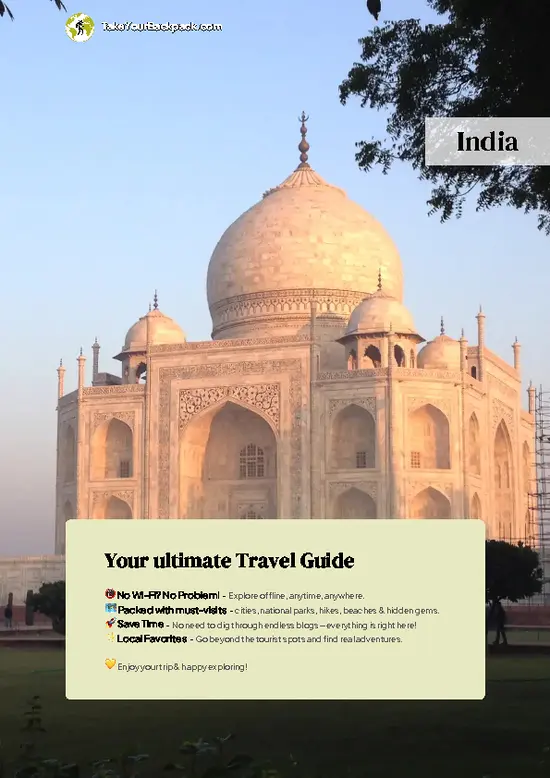
example page 0 from our offline Travel Guide for India
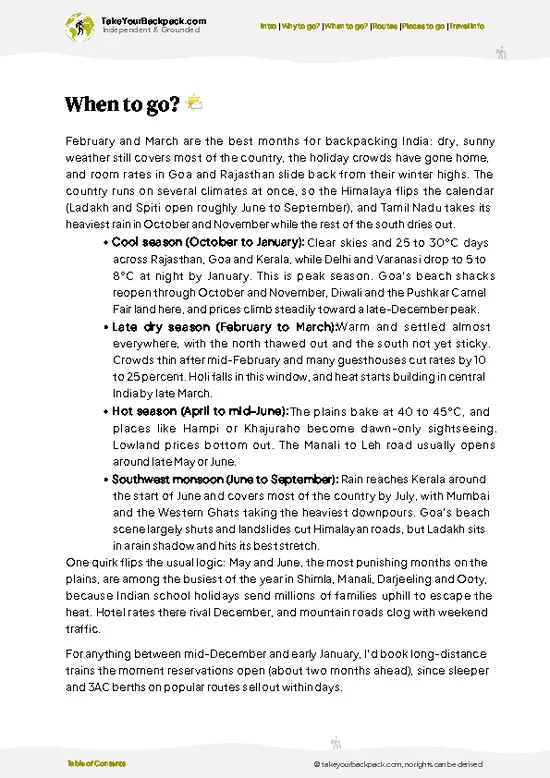
example page 1 from our offline Travel Guide for India
example page 2 from our offline Travel Guide for India
example page 3 from our offline Travel Guide for India
example page 4 from our offline Travel Guide for India
example page 5 from our offline Travel Guide for India
example page 6 from our offline Travel Guide for India
example page 7 from our offline Travel Guide for India
The digital guide (498 pages) contains:
162 highlights, ranked by travel appeal
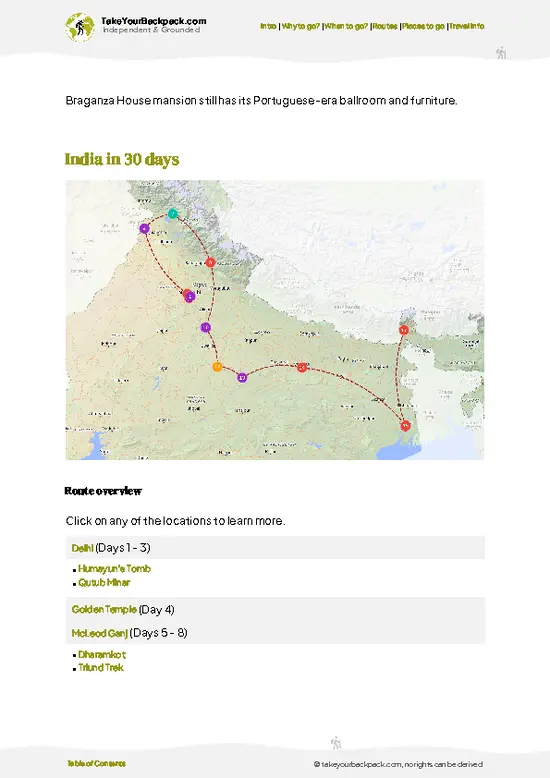
Optimized 14, 21 & 30-day travel routes
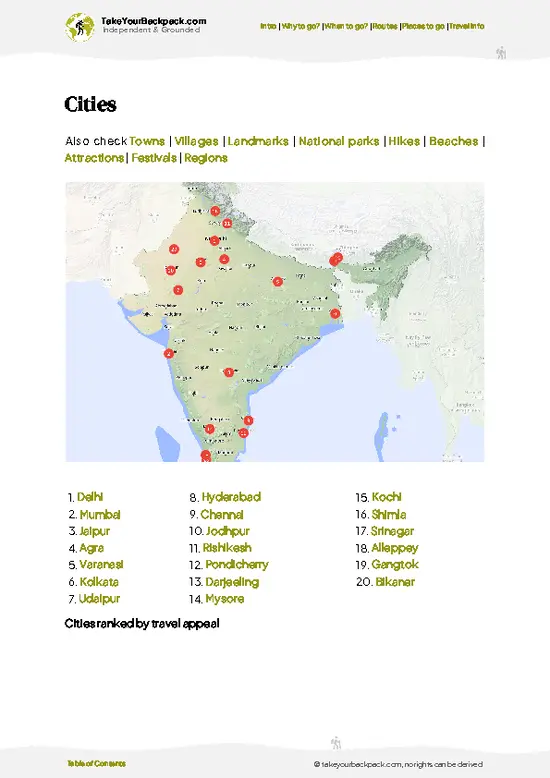
Cities, national parks, landmarks, beaches
How to get around
Offline-friendly for travel without Wi-Fi
👉 Click to see all 30+ guide features

📅 Plan smarter in minutes, not weeks
Month by month travel advice
Festivals & national holidays
Budget expectations

🗺️ Go to the right places, skip the overrated ones
Honest pros & cons of destinations
Top hikes, parks & viewpoints
Lesser-known places most travelers miss
Clear “worth it vs skip it” guidance

🛏️ Travel smoothly without rookie mistakes
Best areas to stay
Transport systems explained simply
Common scams & safety advice
SIM cards, money & practical tips

🌍 Understand the country, not just visit it
Culture & traditions
52 Essential phrases & customs
Festivals worth planning around
Traveler-friendly historical context
Insights that make places more meaningful

📱 Built for real travel conditions
Fully downloadable PDF
Works completely offline
Optimized for phone use
Useful in remote areas & buses
Everything in one place
Save weeks of stressful planning
Get instant access to your full guide. 30‑day money-back guarantee.
+ Add another guide for just US$7.80

By proceeding you agree to our terms.
Sent to your inbox immediately after payment • 100% Secure Checkout
Best Backpacking Travel Advisor 2025 tourism awardBest Backpacking
Travel Advisor
2025
What others say about Take Your Backpack Guides:
⭐⭐⭐⭐⭐
Fantastic, amazing amount of information!
⭐⭐⭐⭐⭐
My goodness this is amazing, it's what I've been looking for hats off too you!
⭐⭐⭐⭐⭐
I think this is absolutely BRILLIANT
⭐⭐⭐⭐
Very complete and informative. It's still missing places, but I gotta to commend you
⭐⭐⭐⭐⭐
This is truly amazing, thank you, can't wait to explore it with my kids!
⭐⭐⭐⭐⭐
Awesome resource, thank you!
⭐⭐⭐⭐⭐
This is amazing! Can't wait to explore the ones I haven't seen
⭐⭐⭐⭐
I love this! Well done, great idea.
⭐⭐⭐⭐⭐
Thanks for taking the time to make this gem!
⭐⭐⭐⭐⭐
This might be the best website I've ever seen.
⭐⭐⭐⭐⭐
Congratulations, and thank you so much for your work; it's incredibly valuable.
⭐⭐⭐⭐
In all seriousness I think you did a great job pointing out the important spots
⭐⭐⭐⭐⭐
10/10 very good
⭐⭐⭐⭐⭐
As someone who's only just starting to visit regularly this is awesome, thank you.
⭐⭐⭐⭐
Thank you very much! I'm going to visit my dad, it's going to be very useful!
⭐⭐⭐⭐⭐
This is really cool! We'll be travelling for the first time and this definitely come in handy.
⭐⭐⭐⭐⭐
You are now our minister of culture, congratulations 👨‍💼
⭐⭐⭐⭐⭐
Just wanted to tell you that this is a pearl! Going to follow your recommendations.
⭐⭐⭐⭐⭐
This is so cool. I'll definitely be using the resource for my travels soon.
⭐⭐⭐⭐⭐
This is very impressive! Good work.
⭐⭐⭐⭐⭐
This is an amazing and informative site. Very well done!

🛏️ Where to stay?Top Places to Consider Staying

Yes — hostels and budget accommodation in India are widespread, concentrated in backpacker hubs like Delhi (Paharganj, Hauz Khas), Mumbai (Colaba, Bandra), Goa (Anjuna/Arambol, Calangute), Jaipur (Old City), Varanasi (Ghats), Rishikesh (Laxman Jhula), Manali (Old Manali) and Hampi (Hampi Bazaar).

Paharganj is very cheap and next to the main station but chaotic and dusty; Hauz Khas is safer with nightlife and pricier; Colaba puts you by major sights and transport but has fewer low-cost beds and higher rates while Bandra offers nightlife and cafes at a premium; Anjuna/Arambol have the biggest hostel scene and beach parties but get noisy and seasonal, Calangute is crowded and touristy; Old City … read more 👉
Yes — hostels and budget accommodation in India are widespread, concentrated in backpacker hubs like Delhi (Paharganj, Hauz Khas), Mumbai (Colaba, Bandra), Goa (Anjuna/Arambol, Calangute), Jaipur (Old City), Varanasi (Ghats), Rishikesh (Laxman Jhula), Manali (Old Manali) and Hampi (Hampi Bazaar).

Paharganj is very cheap and next to the main station but chaotic and dusty; Hauz Khas is safer with nightlife and pricier; Colaba puts you by major sights and transport but has fewer low-cost beds and higher rates while Bandra offers nightlife and cafes at a premium; Anjuna/Arambol have the biggest hostel scene and beach parties but get noisy and seasonal, Calangute is crowded and touristy; Old City Jaipur is ideal for forts and markets but busy and hot; Varanasi ghats give unmatched river access and ritual atmosphere but are noisy with basic facilities; Rishikesh near Laxman Jhula is quiet, yoga-focused and alcohol-restricted; Old Manali is the trekking base with lively nightlife in season; Hampi Bazaar is cheap and peaceful but very limited in services.

If you enjoy meeting fellow travelers, consider choosing hostels with high ratings for atmosphere. On the other hand, if you prefer having your own space, a hotel might be a better option.

IndiaMore Places Across India

👋 Meet the founderWho’s Behind Take Your Backpack?

Johan, backpacker and founder of TakeYourBackpackHi, I’m Johan (Netherlands 🇳🇱), the creator of TakeYourBackpack. Over the past decade, I’ve backpacked through 80+ countries across six continents, gaining extensive experience with independent travel, long-term trips, and overland routes.

This site is built on a combination of firsthand travel experience and carefully curated insights from other backpackers. Many guides are based on places I’ve personally visited, while others bring together tips, observations, and practical advice shared by trusted travelers I’ve met along the way.

The goal is to provide realistic, experience-driven guidance — not generic itineraries — so you can explore destinations with better context, clearer expectations, and more confidence.

Get full India guide •
Instant download • 162 highlights • Full Offline guide