×

India🇮🇳 | citiesShimlaColonial architecture, pine forests, hillside bazaars | things to do and best time to go

Explore JodhpurExplore Pondicherry

Backpacking in Shimla
🌟 Highlightcity ranked #17
By Johan Kruseman 🇳🇱 | Updated September 23, 2026

Shimla’s weird backpacker truth: for a “hill station,” it’s less about wild nature and more about a long, walkable ridge town that feels like a small European high street dropped in the Indian Himalaya. It sits in Himachal Pradesh, north India, on a forested spine above deep valleys. You get colonial architecture, the Ridge and Mall Road for people-watching, Jakhu Temple with monkey chaos, and cool air that saves you from the plains. It’s safe, easy to navigate, and mid-range expensive for India, with more honeymooners and families than hostel kids. Compared to Manali or Dharamshala, Shimla is tamer, more polished, and less “scene,” but logistically simple and a good soft landing.

Discover everything you want to know in the 📖 India Travel Guide.


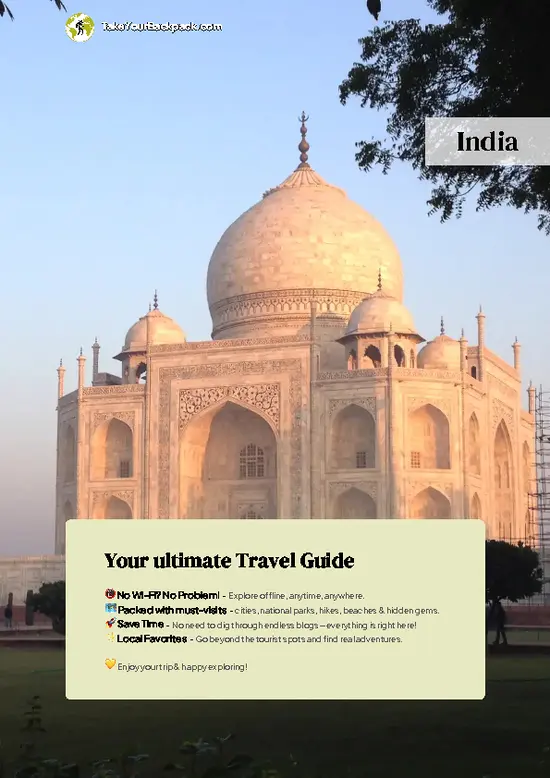
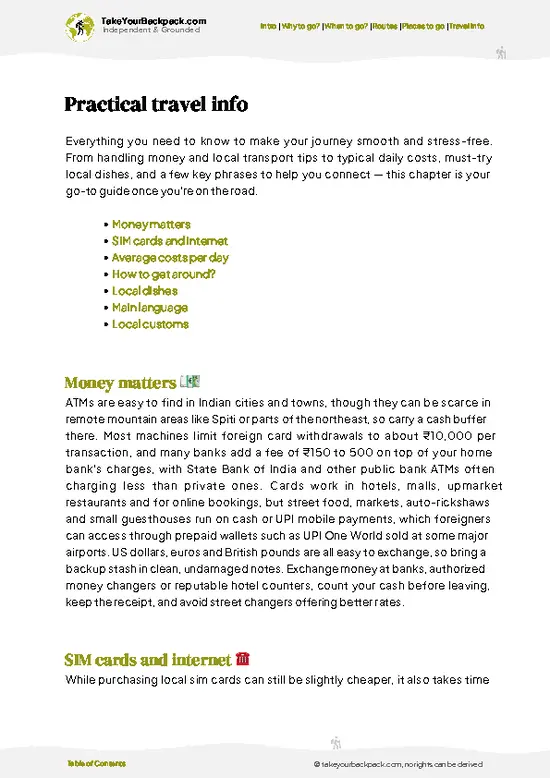
example page 0 from our offline Travel Guide for India
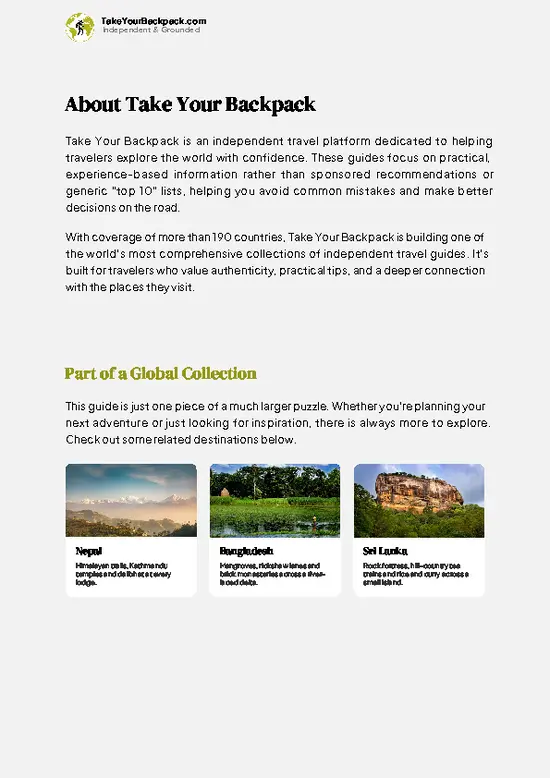
example page 1 from our offline Travel Guide for India
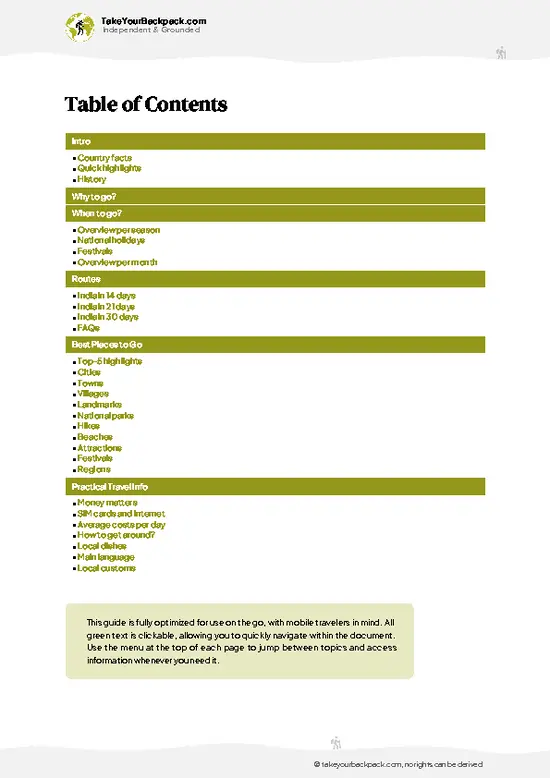
example page 2 from our offline Travel Guide for India
example page 3 from our offline Travel Guide for India
example page 4 from our offline Travel Guide for India
example page 5 from our offline Travel Guide for India
example page 6 from our offline Travel Guide for India
example page 7 from our offline Travel Guide for India
Loading the map 🌍
CLICK TO FILTER
cities
towns
villages
landmarks
national parks
hikes
beaches
attractions
festivals
regions
SHOW COUNTRY’S BESTSHOW ALL

✨ Why go?
Ranked #17 city in India
Why Shimla should be on your travel list

Shimla is a strategic stop for backpackers weaving through northern India. Its walkability makes it easy to explore on foot, with charming streets that invite you to linger. The hostel scene is vibrant, offering budget-friendly options that foster a sense of community. You’ll find delicious local food that won’t break the bank, from street snacks to cozy cafés.

As a basecamp, Shimla opens doors to day trips into the surrounding hills, perfect for those craving adventure without the hassle of constant travel. The nightlife is laid-back yet lively, with spots to unwind after a day of exploration. Plus, its easy onward travel options mean you can seamlessly continue your journey. Whether you stay for a few days or just a night, Shimla offers a blend of comfort and value that enhances your backpacking experience.

💡 HighlightsThe experiences that define the visit

  • The Ridge: That wide, open promenade above town where you get panoramic views, local life, festivals, street artists, and the best starting point to understand Shimla’s colonial layout—perfect for people-watching and slow mornings.
  • Mall Road: Shimla’s main artery of shops, bakeries, and chai stalls; architectural leftovers from the Raj rub shoulders with modern cafés. Walk it to feel the city’s rhythm and pick up woodcrafts or simple hill snacks.
  • Christ Church: The iconic neo-Gothic church on the Ridge with stained glass windows and a striking façade. It’s a peaceful historical anchor in the town and a great photo stop, especially at sunset.
  • Jakhu Temple & Hanuman Statue: Perched on Shimla’s highest hill, the enormous Hanuman statue and the temple offer great views and a short, rewarding
… read more 👉
  • The Ridge: That wide, open promenade above town where you get panoramic views, local life, festivals, street artists, and the best starting point to understand Shimla’s colonial layout—perfect for people-watching and slow mornings.
  • Mall Road: Shimla’s main artery of shops, bakeries, and chai stalls; architectural leftovers from the Raj rub shoulders with modern cafés. Walk it to feel the city’s rhythm and pick up woodcrafts or simple hill snacks.
  • Christ Church: The iconic neo-Gothic church on the Ridge with stained glass windows and a striking façade. It’s a peaceful historical anchor in the town and a great photo stop, especially at sunset.
  • Jakhu Temple & Hanuman Statue: Perched on Shimla’s highest hill, the enormous Hanuman statue and the temple offer great views and a short, rewarding climb (or a ropeway/road ride). Monkeys and pilgrims make it lively—bring water and common sense around the macaques.
  • Indian Institute of Advanced Study (Viceregal Lodge): The grand Tudor-style Viceregal Lodge is where history and architecture meet—guided tours take you through opulent rooms and well-kept gardens, giving a real sense of Shimla’s colonial importance.
  • Summer Hill: A quieter neighbourhood on the western fringe of central Shimla, part of the university campus. It’s great for mellow walks, Himalayan views, and mingling with students—especially lovely at dawn or late afternoon.
  • Lakkar Bazaar: The wooden-crafts market near the Ridge—rows of shops selling hand-carved walking sticks, souvenirs, and local goods. It’s kitschy in a good way and a practical place to grab a unique (and usually affordable) keepsake.
  • Gaiety Theatre: A beautifully preserved Victorian theatre on Mall Road that still hosts plays, concerts and occasional cultural events. Even if you don’t catch a show, the faç̧ade and interiors tell a story of old Shimla’s social life.
  • Annandale Ground: A surprising flat patch in the hills—used as a playground, golf course and helicopter pad—where you can stroll, picnic and visit the small war memoral museum. It’s an oddly peaceful open space compared to the crowded Ridge.
  • Himachal State Museum: Compact but well curated, this museum gives context to the region—folk art, costumes, and artefacts that explain Himachal’s cultural diversity. A short, informative stop if you want background beyond the colonial buildings.
A few great day trips just outside Shimla: Kufri (tiny adventure hub with trails and views — my personal favorite), Mashobra and Naldehra for quiet forests and golf/horse rides, and Chail for sweeping vistas and a relaxed hill-town vibe.
Spotted a mistake or missing something? Contact us.

Things to do in Shimla

Ratings based on Tripadvisor reviews. When you book through this link, you support our work at no extra cost to you.

🏘️ NeighborhoodsKey areas and districts to know

Shimla offers a unique blend of colonial charm and vibrant local life, making it a fascinating stop for backpackers. Here’s how the neighborhoods stack up:

The Mall Road: This is the heartbeat of Shimla. Bustling with shops and eateries, it’s perfect for people-watching. Costs can be higher here, but the walkability is unbeatable. Nightlife is lively, with cafes open late. Ideal for short stays, as everything is within reach.

Lower Bazaar: A maze of local markets and street food stalls. It’s budget-friendly and offers a genuine taste of local life. Walkable but can get crowded. Nightlife is minimal, making it quieter at night. Great for longer stays if you want to immerse yourself in the culture.

Chhota Shimla: A residential area with a laid-back vibe. It’s less touristy, offering a more … read more 👉
Shimla offers a unique blend of colonial charm and vibrant local life, making it a fascinating stop for backpackers. Here’s how the neighborhoods stack up:

The Mall Road: This is the heartbeat of Shimla. Bustling with shops and eateries, it’s perfect for people-watching. Costs can be higher here, but the walkability is unbeatable. Nightlife is lively, with cafes open late. Ideal for short stays, as everything is within reach.

Lower Bazaar: A maze of local markets and street food stalls. It’s budget-friendly and offers a genuine taste of local life. Walkable but can get crowded. Nightlife is minimal, making it quieter at night. Great for longer stays if you want to immerse yourself in the culture.

Chhota Shimla: A residential area with a laid-back vibe. It’s less touristy, offering a more authentic experience. Costs are lower, and it’s walkable, though some hills can be steep. Nightlife is sparse, making it suitable for those seeking peace. Good for longer stays to escape the hustle.

Jakhoo Hill: For the adventurous, this area offers stunning views and hiking trails. It’s a bit of a trek to get there, so transport access is limited. Costs can vary based on accommodation. Perfect for those looking to stay longer and enjoy nature.

⌛️ 1 dayWhat you can realistically do in a day

Shimla, the capital of Himachal Pradesh, is a charming hill station that blends colonial architecture with stunning mountain views. Its cool climate and lush landscapes make it a refreshing escape from the heat of the plains.

Start your day at the iconic Mall Road, where you can sip chai at a local stall while soaking in the morning buzz. Stroll past the historic Christ Church, its stained glass windows catching the early light. From there, head to Jakhoo Hill. The hike is steep, but the panoramic views of the Himalayas are worth every step. Don’t forget to check out the giant Hanuman statue at the top; it’s a great spot for a selfie.

In the afternoon, wander through the quieter lanes of Lakkar Bazaar. This market is famous for wooden handicrafts and offers a chance to pick up unique souvenirs. … read more 👉
Shimla, the capital of Himachal Pradesh, is a charming hill station that blends colonial architecture with stunning mountain views. Its cool climate and lush landscapes make it a refreshing escape from the heat of the plains.

Start your day at the iconic Mall Road, where you can sip chai at a local stall while soaking in the morning buzz. Stroll past the historic Christ Church, its stained glass windows catching the early light. From there, head to Jakhoo Hill. The hike is steep, but the panoramic views of the Himalayas are worth every step. Don’t forget to check out the giant Hanuman statue at the top; it’s a great spot for a selfie.

In the afternoon, wander through the quieter lanes of Lakkar Bazaar. This market is famous for wooden handicrafts and offers a chance to pick up unique souvenirs. Grab a bite at one of the local eateries—try the chole bhature for a taste of authentic North Indian cuisine.

As evening approaches, make your way to the Ridge. The sunset here is a spectacle, with the sky painted in hues of orange and pink. For a less touristy experience, visit the nearby village of Mashobra. It’s a short drive away and offers serene walking trails through pine forests.

End your day with a cozy dinner at a local dhaba, where you can enjoy homemade-style dishes. Shimla may be small, but it’s packed with character, making every moment feel like a treasure.

🌤️ When to go?When to go for the best experience

  • Topic: Weather - The best window is March to June when Shimla enjoys mild, pleasant weather, around 15-25°C (59-77°F). Avoid the monsoon months (July-September) due to heavy rains and slippery trails.
  • Topic: Temperature - Winters (December-February) can dip to freezing, 0-5°C (32-41°F), which is great if you want snow but tough for budget gear and comfort.
  • Topic: Daylight Hours - Summers offer longer days, up to 12-13 hours of daylight, perfect for extended hikes and exploring without rushing.
  • Topic: Crowds - Peak tourist season is April to June and December holidays, so expect busy markets and higher prices. Shoulder seasons like March and October offer fewer crowds.
  • Topic: Seasonal Activities - Summer brings trekking and nature walks; winter attracts snow sports enthusiasts. Monsoon
… read more 👉
  • Topic: Weather - The best window is March to June when Shimla enjoys mild, pleasant weather, around 15-25°C (59-77°F). Avoid the monsoon months (July-September) due to heavy rains and slippery trails.
  • Topic: Temperature - Winters (December-February) can dip to freezing, 0-5°C (32-41°F), which is great if you want snow but tough for budget gear and comfort.
  • Topic: Daylight Hours - Summers offer longer days, up to 12-13 hours of daylight, perfect for extended hikes and exploring without rushing.
  • Topic: Crowds - Peak tourist season is April to June and December holidays, so expect busy markets and higher prices. Shoulder seasons like March and October offer fewer crowds.
  • Topic: Seasonal Activities - Summer brings trekking and nature walks; winter attracts snow sports enthusiasts. Monsoon is best avoided unless you love lush greenery and solitude.
  • Topic: Price Fluctuations - Accommodation and transport costs spike during peak seasons and holidays. Off-season months like October-November offer better deals but cooler weather.
Pro-tip: Aim for late spring (April-May) to balance weather, daylight, and crowd size—maximizing comfort and value without paying a premium.


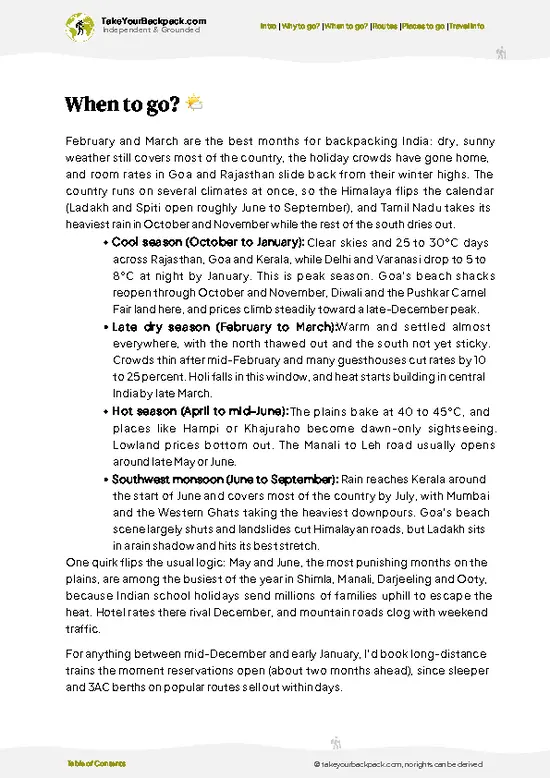
source: climatestotravel.comJANJanuary: good for travelingFEBFebruary: good for travelingMARMarch: highly recommended for travelingAPRApril: excellent for travelingMAYMay: excellent for travelingJUNJune: highly recommended for travelingJULJuly: fair for travelingAUGAugust: fair for travelingSEPSeptember: fair for travelingOCTOctober: highly recommended for travelingNOVNovember: good for travelingDECDecember: good for traveling
when-to-go

✈️ The backpacker research shortcutIndia Travel Guide

An offline-friendly backpacking guide with optimized travel routes, ranked highlights, transport advice, and the best areas to stay.
example page 0 from our offline Travel Guide for India
example page 1 from our offline Travel Guide for India
example page 2 from our offline Travel Guide for India
example page 3 from our offline Travel Guide for India
example page 4 from our offline Travel Guide for India
example page 5 from our offline Travel Guide for India
example page 6 from our offline Travel Guide for India
example page 7 from our offline Travel Guide for India
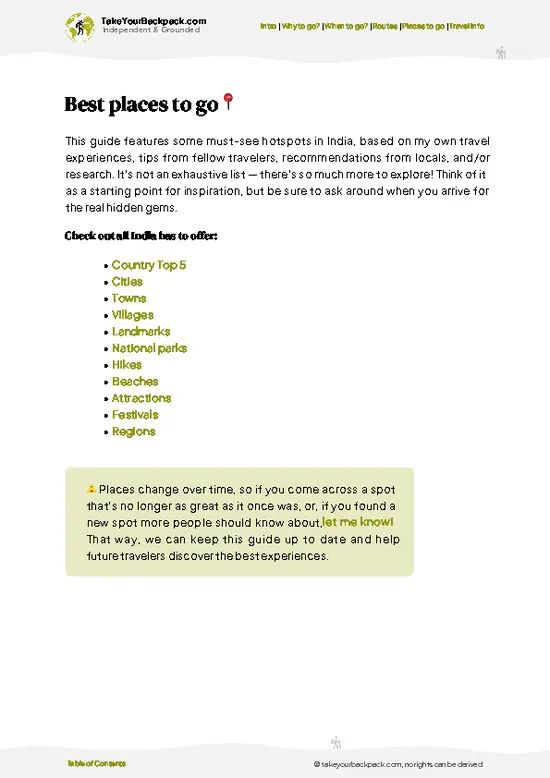
The digital guide (483 pages) contains:
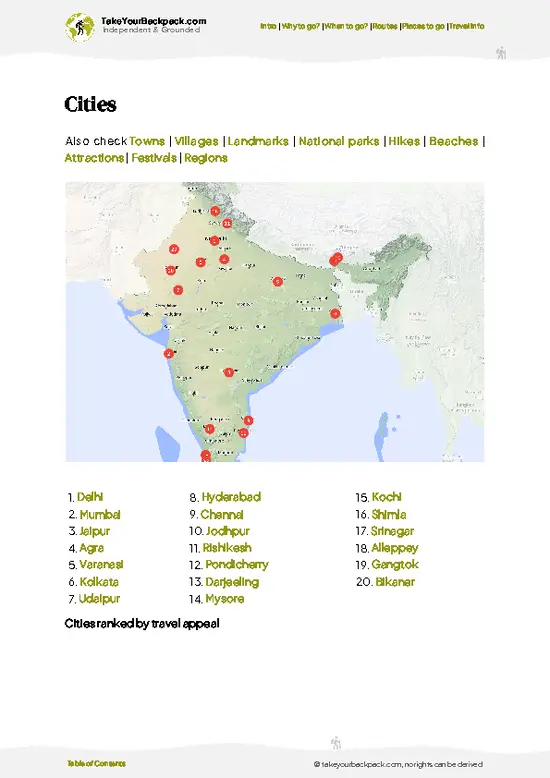
✅ 157 highlights, ranked by travel appeal
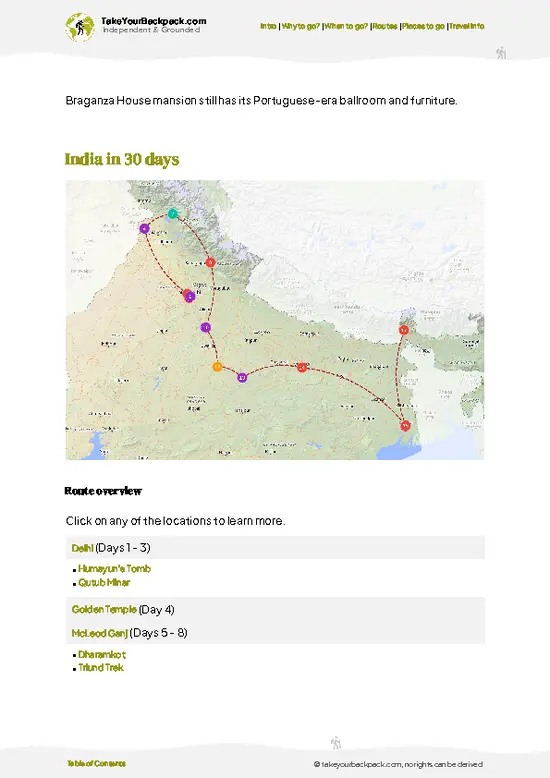
✅ Optimized 14, 21 & 30-day travel routes
✅ Cities, national parks, landmarks, beaches
✅ How to get around
✅ Offline-friendly for travel without Wi-Fi
👉 Click to see all 30+ guide features

📅 Plan smarter in minutes, not weeks
✅ Month by month travel advice
✅ Festivals & national holidays
✅ Budget expectations

🗺️ Go to the right places, skip the overrated ones
✅ Honest pros & cons of destinations
✅ Top hikes, parks & viewpoints
✅ Lesser-known places most travelers miss
✅ Clear “worth it vs skip it” guidance

🛏️ Travel smoothly without rookie mistakes
✅ Best areas to stay
✅ Transport systems explained simply
✅ Common scams & safety advice
✅ SIM cards, money & practical tips

🌍 Understand the country, not just visit it
✅ Culture & traditions
✅ 52 Essential phrases & customs
✅ Festivals worth planning around
✅ Traveler-friendly historical context
✅ Insights that make places more meaningful

📱 Built for real travel conditions
✅ Fully downloadable PDF
✅ Works completely offline
✅ Optimized for phone use
✅ Useful in remote areas & buses
✅ Everything in one place
Stop searching, start planning
Get instant access to your full guide. 30‑day money-back guarantee.
+ Add another guide for just

By proceeding you agree to our terms.
Sent to your inbox immediately after payment • 100% Secure Checkout
Best Backpacking Travel Advisor 2025 tourism awardBest Backpacking
Travel Advisor
2025
What others say about Take Your Backpack Guides:
⭐⭐⭐⭐⭐
Fantastic, amazing amount of information!
⭐⭐⭐⭐⭐
My goodness this is amazing, it's what I've been looking for hats off too you!
⭐⭐⭐⭐⭐
I think this is absolutely BRILLIANT
⭐⭐⭐⭐
Very complete and informative. It's still missing places, but I gotta to commend you
⭐⭐⭐⭐⭐
This is truly amazing, thank you, can't wait to explore it with my kids!
⭐⭐⭐⭐⭐
Awesome resource, thank you!
⭐⭐⭐⭐⭐
This is amazing! Can't wait to explore the ones I haven't seen
⭐⭐⭐⭐
I love this! Well done, great idea.
⭐⭐⭐⭐⭐
Thanks for taking the time to make this gem!
⭐⭐⭐⭐⭐
This might be the best website I've ever seen.
⭐⭐⭐⭐⭐
Congratulations, and thank you so much for your work; it's incredibly valuable.
⭐⭐⭐⭐
In all seriousness I think you did a great job pointing out the important spots
⭐⭐⭐⭐⭐
10/10 very good
⭐⭐⭐⭐⭐
As someone who's only just starting to visit regularly this is awesome, thank you.
⭐⭐⭐⭐
Thank you very much! I'm going to visit my dad, it's going to be very useful!
⭐⭐⭐⭐⭐
This is really cool! We'll be travelling for the first time and this definitely come in handy.
⭐⭐⭐⭐⭐
You are now our minister of culture, congratulations 👨‍💼
⭐⭐⭐⭐⭐
Just wanted to tell you that this is a pearl! Going to follow your recommendations.
⭐⭐⭐⭐⭐
This is so cool. I'll definitely be using the resource for my travels soon.
⭐⭐⭐⭐⭐
This is very impressive! Good work.
⭐⭐⭐⭐⭐
This is an amazing and informative site. Very well done!

🛏️ Where to stay?Choosing the right base

Shimla’s best backpacker zones cluster around Mall Road and the adjacent Lower Bazaar. Mall Road is the city’s social spine—safe, lively, and packed with budget hostels that double as social hubs. Staying here means you’re steps from cafes, street food stalls, and the pulse of local life. It’s where solo travelers find instant company and easy access to transport for day treks.

Lower Bazaar offers a grittier, more authentic vibe with cheaper stays and a bustling market atmosphere. It’s less polished but more real, perfect if you want to stretch your rupees and dive into local rhythms. Both areas … read more 👉
Shimla’s best backpacker zones cluster around Mall Road and the adjacent Lower Bazaar. Mall Road is the city’s social spine—safe, lively, and packed with budget hostels that double as social hubs. Staying here means you’re steps from cafes, street food stalls, and the pulse of local life. It’s where solo travelers find instant company and easy access to transport for day treks.

Lower Bazaar offers a grittier, more authentic vibe with cheaper stays and a bustling market atmosphere. It’s less polished but more real, perfect if you want to stretch your rupees and dive into local rhythms. Both areas balance safety with social energy, unlike the quieter, more expensive Ridge or the isolated suburbs, which sacrifice social ease for comfort or calm.

Choosing Mall Road or Lower Bazaar means trading a bit of luxury for connection and convenience—exactly the currency backpackers want when time and money are tight but experience is king.

🚌 Getting aroundHow to get around Shimla

Shimla moves at its own pace—neither a frantic rush nor a lazy drift. It’s a city where the clock matters, but the hills and narrow lanes often rewrite the schedule. You’ll find moments where buses and taxis stick to timetables, but just as often, you’ll be nudged by the rhythm of local intuition: a shared ride that leaves when full, a vendor’s call that pulls you off the main street. Understanding this flow is your first win. It’s about balancing time, money, and comfort in a place where the terrain itself demands flexibility.
  • Walking: The most reliable and free way to explore Shimla’s core. The compact town center and Mall Road are best experienced on foot, but be ready for steep climbs and uneven paths. It’s slow but immersive, with zero cost and maximum control over your pace.
  • HRTC Buses:
… read more 👉
Shimla moves at its own pace—neither a frantic rush nor a lazy drift. It’s a city where the clock matters, but the hills and narrow lanes often rewrite the schedule. You’ll find moments where buses and taxis stick to timetables, but just as often, you’ll be nudged by the rhythm of local intuition: a shared ride that leaves when full, a vendor’s call that pulls you off the main street. Understanding this flow is your first win. It’s about balancing time, money, and comfort in a place where the terrain itself demands flexibility.
  • Walking: The most reliable and free way to explore Shimla’s core. The compact town center and Mall Road are best experienced on foot, but be ready for steep climbs and uneven paths. It’s slow but immersive, with zero cost and maximum control over your pace.
  • HRTC Buses: State-run buses connect Shimla to nearby towns and the railway station. They start early, around 6 AM, and run until early evening. Tickets are cheap (under ₹50 for short trips), but expect basic comfort and occasional delays due to narrow mountain roads. Ideal if you’re prioritizing budget over speed.
  • Shared Taxis: These are the backbone of local transit. They leave only when full, which means unpredictable departure times but faster trips than buses. Prices vary but generally hover around ₹20-₹50 per ride within town. Comfort is modest—expect tight seating and frequent stops—but they offer a direct route to less accessible spots.
  • Private Taxis: For those who want to save time and avoid the unpredictability of shared rides, private taxis are available but pricier (₹300-₹600 for short trips). They offer door-to-door service and flexibility in timing, making them the comfort choice if your budget allows.
  • Shimla-Kalka Toy Train: Not a daily commuter option but worth mentioning for its charm and scenic value. It runs a few times a day, tickets are affordable, and the pace is slow—more about the experience than efficiency.

Mastering Shimla’s transit means knowing when to walk, when to wait, and when to pay for convenience. Each choice is a trade-off—time saved or spent, money conserved or splurged, comfort sacrificed or gained. Play these options smartly, and you’re not just getting around—you’re winning the game.

👛 Costs (as of 23 September 2026)How expensive it really is

Backpacking in Shimla offers a fascinating trade-off between cost, comfort, and time, and understanding the daily expenses helps you play this game smartly.
  • Dorm Accommodation (High Season): Expect to pay around $8 to $12 per night. Shimla’s peak months (April to June, and October to November) push prices up due to demand, especially in popular hostels near Mall Road.
  • Dorm Accommodation (Off-Season): During the quieter months, prices drop to about $5 to $8 per night. You might find better deals but fewer options, so booking ahead can still be wise.
  • Meals: Street food and local dhabas serve filling meals for $1.50 to $3 each. If you opt for a mid-range café or restaurant, expect to spend $4 to $7 per meal. Breakfast tends to be cheaper, while dinner can push the upper end.
  • Local Transport:
… read more 👉
Backpacking in Shimla offers a fascinating trade-off between cost, comfort, and time, and understanding the daily expenses helps you play this game smartly.
  • Dorm Accommodation (High Season): Expect to pay around $8 to $12 per night. Shimla’s peak months (April to June, and October to November) push prices up due to demand, especially in popular hostels near Mall Road.
  • Dorm Accommodation (Off-Season): During the quieter months, prices drop to about $5 to $8 per night. You might find better deals but fewer options, so booking ahead can still be wise.
  • Meals: Street food and local dhabas serve filling meals for $1.50 to $3 each. If you opt for a mid-range café or restaurant, expect to spend $4 to $7 per meal. Breakfast tends to be cheaper, while dinner can push the upper end.
  • Local Transport: Short rides on shared jeeps or buses cost roughly $0.30 to $0.70. These are the lifeline for hopping between neighborhoods or reaching nearby viewpoints.
  • City Transport Pass: Shimla doesn’t have a formal city transport pass system. Budget around $1 to $2 daily if you rely heavily on local shared transport or taxis for convenience.
  • Basic Activities/Entry Fees: Visiting key spots like the Jakhoo Temple or the Viceregal Lodge usually costs between $0.50 and $2. Some museums or guided tours might push this to $5, but most natural attractions are free.
  • Miscellaneous Expenses: This covers bottled water, snacks, occasional laundry, or small souvenirs. Set aside about $1 to $3 daily to stay comfortably covered.

Shimla’s daily backpacking budget typically ranges from $12 to $25, depending on season and your comfort choices. The real trick is balancing the higher accommodation costs in peak season with cheaper meals and transport options. Knowing where to save and where to splurge turns your trip into a smooth, rewarding experience rather than a constant scramble.
⚠️ Prices can change and everyone travels differently, so take this as a rough guide. Hope it helps you plan your adventure!

🚌 Day tripsShort trips worth adding

Shimla is a fantastic base for day trips that offer a mix of adventure, culture, and stunning landscapes. Here are some standout options.

Kufri
Just a 30-minute drive from Shimla, Kufri is a must for those craving a taste of the Himalayas. Known for its panoramic views and lush greenery, you can hike or rent a pony to explore the area. Winter brings snow, making it a popular spot for skiing. Budget around ₹500 for transport and a bit more if you want to try some local snacks. Avoid weekends if you can; the crowds can be overwhelming.


Chail
About an hour from Shimla, Chail is a serene escape with a rich history. Famous for its cricket ground—one of the highest in the world—this town also boasts a beautiful palace and stunning views. The journey is scenic, and you can easily spend a day … read more 👉
Shimla is a fantastic base for day trips that offer a mix of adventure, culture, and stunning landscapes. Here are some standout options.

Kufri
Just a 30-minute drive from Shimla, Kufri is a must for those craving a taste of the Himalayas. Known for its panoramic views and lush greenery, you can hike or rent a pony to explore the area. Winter brings snow, making it a popular spot for skiing. Budget around ₹500 for transport and a bit more if you want to try some local snacks. Avoid weekends if you can; the crowds can be overwhelming.


Chail
About an hour from Shimla, Chail is a serene escape with a rich history. Famous for its cricket ground—one of the highest in the world—this town also boasts a beautiful palace and stunning views. The journey is scenic, and you can easily spend a day wandering through the pine forests. Expect to spend around ₹600 for transport and a meal. The best time to visit is during the spring or fall when the weather is mild.


Mashobra
Only 30 minutes away, Mashobra offers a quieter alternative to Shimla. This charming village is perfect for nature lovers. You can hike to the nearby Jakhoo Temple or simply enjoy the tranquility. Costs are minimal, around ₹400 for transport, and you can pack a lunch to save money. First-timers often miss the chance to explore the apple orchards; don’t skip this!


Naldehra
Roughly 22 kilometers from Shimla, Naldehra is famous for its golf course and lush landscapes. The drive is short, making it an easy half-day trip. You can stroll through the cedar forests or enjoy a round of golf if you’re feeling sporty. Budget around ₹500 for transport. The best time to visit is during the summer months when the weather is pleasant. Many overlook the small local eateries; try them for authentic flavors.


Tuttikandi
Just 15 kilometers from Shimla, Tuttikandi is a hidden spot for those seeking adventure. Known for its trekking trails and beautiful vistas, it’s a quick escape into nature. You can spend a few hours hiking and soaking in the views. Expect to spend about ₹300 for transport. The monsoon can make trails slippery, so plan your trip for the dry season.

🍲 FoodEating & Drinking in Shimla

Shimla’s food scene is a delightful maze of flavors that beckons you to explore. Start with chole bhature, a hearty dish of spicy chickpeas paired with fluffy fried bread. The samosas here are crispy, often stuffed with spiced potatoes, and perfect for a quick snack from a street vendor. Don’t miss the siddu, a local bread steamed to perfection, often enjoyed with ghee and chutney.

As you wander through the bustling Lakkar Bazaar, the aroma of chai wafts through the air, inviting you to sip on this milky, spiced tea. Cafés dot the landscape, offering a cozy spot to unwind with a cup while soaking in the views.

Eating is a communal affair; locals often share dishes, so don’t hesitate to join in. Remember, it’s customary to eat with your right hand, a gesture of respect. Embrace the vibrant … read more 👉
Shimla’s food scene is a delightful maze of flavors that beckons you to explore. Start with chole bhature, a hearty dish of spicy chickpeas paired with fluffy fried bread. The samosas here are crispy, often stuffed with spiced potatoes, and perfect for a quick snack from a street vendor. Don’t miss the siddu, a local bread steamed to perfection, often enjoyed with ghee and chutney.

As you wander through the bustling Lakkar Bazaar, the aroma of chai wafts through the air, inviting you to sip on this milky, spiced tea. Cafés dot the landscape, offering a cozy spot to unwind with a cup while soaking in the views.

Eating is a communal affair; locals often share dishes, so don’t hesitate to join in. Remember, it’s customary to eat with your right hand, a gesture of respect. Embrace the vibrant street food culture—it’s where the heart of Shimla truly beats.

🛡️ SafetyStaying Safe: What Travelers Should Know

Shimla is generally safe for backpackers, but a few situational awareness tips can enhance your experience. Stick to well-lit areas at night, especially around the Mall Road, where crowds are lively but can also attract pickpockets. If you’re solo, keep your belongings close and avoid overly friendly strangers offering unsolicited help; they might be leading you into a scam.

Common annoyances include aggressive touts at popular sites, so a firm “no” usually suffices. Be cautious with taxi fares; always agree on a price beforehand or use a reliable app. Carry yourself confidently, and you’ll navigate the city with ease, turning potential pitfalls into mere bumps on your adventure.

FAQFrequently asked questions about Shimla

3 to 4 days are sufficient to explore Shimla thoroughly. This allows time to visit key attractions like The Ridge, Mall Road, Jakhoo Temple, and nearby spots such as Kufri. Extra days are useful if planning treks or day trips to surrounding hills.
Yes, Shimla is generally safe for solo backpackers. The city has a low crime rate, and locals are friendly and helpful, especially around tourist areas. Basic precautions like avoiding isolated places at night and securing belongings are advised.
Shimla is known for its colonial architecture, scenic mountain views, and as a popular hill station in the Indian Himalayas. It was the summer capital of British India and features landmarks like the Viceregal Lodge and Christ Church. The pleasant climate and pine forests also attract many visitors.
⚠️ Things can change over time, so always validate details locally before you go.

Other Indian cities near Shimla

Explore more nearby:

  • Rishikesh—Ganges banks, yoga ashrams, suspension bridges| 154 km away
  • Delhi—Red Fort, street food lanes, Mughal gardens| 278 km away
  • Srinagar—Houseboats, Mughal gardens, Dal Lake| 399 km away

💡 Not sure where to go next?
Create a personalized itinerary for India including Shimla and the places that fit your trip.

Generate my itinerary

👉 Discover all cities

Or checkout all India has to offer (think cities, towns, villages, national parks, hikes, beaches, festivals)
Country photo of India

We 💚 feedbackParting advice and final tips

Shimla’s charm lies in its colonial architecture and the crisp mountain air that makes every stroll feel like a step back in time. But be ready for crowds, especially during peak season; it can feel more like a bustling market than a serene getaway. Embrace the chaos, and you’ll find the magic in the mix.

✈️ When did I visit India?
As part of my 1.5 year travel around the world trip, I visited India in December 2015.

✍️ Help improve this page!
The information on this page is based on my own backpacking experience in India, supplemented with up-to-date research and feedback from other travelers. Travel details can change, so if you notice anything outdated or incomplete, feel free to let me know.


🙋‍♂️ Give feedback

👋 Meet the founderWho’s Behind Take Your Backpack?

Johan, backpacker and founder of TakeYourBackpackHi, I’m Johan (Netherlands 🇳🇱), the creator of TakeYourBackpack. Over the past 3 decades, I’ve backpacked through 90+ countries across six continents, gaining extensive experience with independent travel, long-term trips, and overland routes.

This site is built on a combination of firsthand travel experience and carefully curated insights from other backpackers. Many guides are based on places I’ve personally visited, while others bring together tips, observations, and practical advice shared by trusted travelers I’ve met along the way.

The goal is to provide realistic, experience-driven guidance — not generic itineraries — so you can explore destinations with better context, clearer expectations, and more confidence.