×

India🇮🇳 | best citiesExplore the 10 Best cities in India

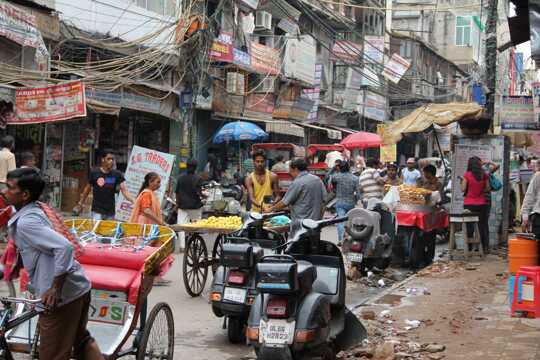
In India, cities pulse with a unique rhythm, each one a microcosm of the country’s vast cultural tapestry. From the frenetic energy of Delhi to the laid-back charm of Pondicherry, your choice of city can dramatically shape your backpacking experience. Major hubs like Mumbai and Bangalore offer robust transport connections and vibrant nightlife, but they can also drain your budget and energy if you’re not careful. Smaller urban centers, on the other hand, often provide a more intimate glimpse into local life, though they may lack some conveniences.

Understanding regional nuances is crucial. For example, the monsoon season can transform bustling streets into chaotic rivers, impacting travel plans and safety. In contrast, winter months draw travelers to cities like Jaipur and Varanasi, where cultural festivals come alive.

Choosing the right city affects everything from your budget to your level of cultural immersion. Some cities are more tourist-friendly, while others demand a bit more grit and adaptability. This balance between comfort and authenticity is what makes independent travel in India both rewarding and challenging. The right city can elevate your journey, allowing you to soak in the essence of this diverse nation without unnecessary stress.

By Johan Kruseman 🇳🇱 | Updated September 4, 2026
Explore the best towns in India

Why go?Why These city Stand Out

India’s cities are a microcosm of the country’s vast cultural diversity and historical depth. Each urban center tells a story shaped by centuries of trade, conquest, and migration. Unlike many countries where cities may feel homogenized, Indian cities pulsate with distinct regional identities. The languages, cuisines, and festivals vary dramatically from one city to another, offering travelers a rich tapestry of experiences that reflect the country’s complex social fabric.

However, this diversity comes with its own set of challenges. The transport networks can be a double-edged sword. While major cities are often well-connected by trains and flights, the sheer size of the country means that travel times can be lengthy. A journey from one city to another might take hours, if not days, depending … read more 👉
India’s cities are a microcosm of the country’s vast cultural diversity and historical depth. Each urban center tells a story shaped by centuries of trade, conquest, and migration. Unlike many countries where cities may feel homogenized, Indian cities pulsate with distinct regional identities. The languages, cuisines, and festivals vary dramatically from one city to another, offering travelers a rich tapestry of experiences that reflect the country’s complex social fabric.

However, this diversity comes with its own set of challenges. The transport networks can be a double-edged sword. While major cities are often well-connected by trains and flights, the sheer size of the country means that travel times can be lengthy. A journey from one city to another might take hours, if not days, depending on the distance. This can lead to a trade-off: the more time spent traveling, the less time available for immersive exploration. Understanding this balance is crucial for maximizing your experience.

Geographically, India’s cities are influenced by their surroundings, from the Himalayan foothills to the coastal plains. This geographical diversity affects not only the climate but also the lifestyle and culture of the urban populace. For instance, cities in the north may experience harsh winters, while southern cities bask in tropical warmth year-round. Such climatic variations can dictate the best times to visit and the types of activities available, impacting your overall experience.

Infrastructurally, while some cities boast modern amenities, others may still grapple with issues like overcrowding and pollution. This disparity can affect accessibility and comfort, particularly for travelers seeking a more relaxed experience. It’s essential to weigh the benefits of visiting a bustling metropolis against the potential discomforts that come with it.

Moreover, the historical context of Indian cities adds another layer of complexity. Many urban areas are steeped in colonial history, with remnants of past empires visible in architecture and urban planning. This depth can enrich your understanding of the present-day culture but may also require a willingness to navigate through layers of history that can be overwhelming.

Ultimately, India’s cities are not just destinations; they are living entities that reflect the country’s multifaceted identity. The key is to approach them with an open mind and a clear understanding of the trade-offs involved. Embrace the chaos, but also be prepared for the realities that come with it. This balance will ensure that your journey through India’s urban landscapes is not just a trip, but a profound exploration of what makes this country truly unique.
Why These Made the Cut
The list of best cities in India is created based on culture, vibe, attractions, transport ease, and local charm. If you feel a city is missing in this list, please let us know.

When to go?Best Time to Visit India for cities

Seasonality in India significantly influences the experience of visiting its cities. The country has distinct seasons: winter, summer, and monsoon. Each season brings its own set of challenges and rewards.

Winter, from November to February, is often considered the best time to visit. Temperatures are cooler, making it comfortable for exploration. However, this is also peak tourist season. Crowds swell, and prices for accommodations can skyrocket. Festivals like Diwali and Holi fall within this timeframe, offering vibrant cultural experiences. But be prepared for the hustle and bustle; the energy is palpable, and finding solitude can be a challenge.

Summer, from March to June, brings intense heat, especially in northern cities. Daytime temperatures can soar, making outdoor activities less … read more 👉
Seasonality in India significantly influences the experience of visiting its cities. The country has distinct seasons: winter, summer, and monsoon. Each season brings its own set of challenges and rewards.

Winter, from November to February, is often considered the best time to visit. Temperatures are cooler, making it comfortable for exploration. However, this is also peak tourist season. Crowds swell, and prices for accommodations can skyrocket. Festivals like Diwali and Holi fall within this timeframe, offering vibrant cultural experiences. But be prepared for the hustle and bustle; the energy is palpable, and finding solitude can be a challenge.

Summer, from March to June, brings intense heat, especially in northern cities. Daytime temperatures can soar, making outdoor activities less enjoyable. However, this is the shoulder season for many travelers. Fewer tourists mean lower prices and more availability. If you can handle the heat, you might find a more authentic experience, albeit with the trade-off of sweltering afternoons. Early mornings or late evenings become prime times for exploration.

Monsoon, from June to September, transforms the landscape. Rainfall can be heavy, leading to lush greenery but also potential travel disruptions. Many cities experience a drop in tourist numbers, which can mean better deals on accommodations. However, navigating through rain-soaked streets can be tricky. Festivals like Ganesh Chaturthi occur during this season, showcasing local culture in a unique way. The trade-off here is between experiencing vibrant local life and dealing with the unpredictability of weather.

Shoulder seasons—the periods just before and after peak seasons—offer a blend of benefits. Traveling during these times can provide a balance between favorable weather and manageable crowds. However, some cultural events may be missed, and certain attractions might have limited hours or be closed for maintenance.

Peak periods are essential to consider. Major festivals attract crowds, and accommodations can fill up quickly. Prices may surge, and the atmosphere can become overwhelming. Understanding these rhythms helps in planning effectively.

In summary, the best time to visit Indian cities hinges on personal preferences for weather, crowd levels, and cultural experiences. Each season has its unique flavor, and the right choice can enhance the journey significantly.

city hoppingOptimizing Your Multi-Stop Itinerary

Combining cities in India requires a strategic approach to maximize experiences while minimizing stress. Start by clustering cities by region. The north offers a rich tapestry of history and culture, while the south boasts stunning landscapes and unique traditions. This regional clustering not only saves time but also enhances the travel experience, allowing for a deeper understanding of local customs.

When planning, consider the direction of travel. A logical route might begin in the north, moving southward or vice versa, depending on your entry point. For instance, starting in Delhi, then heading to Agra and Jaipur, creates a classic Golden Triangle experience. From there, a flight or train south to cities like Mumbai or Bangalore can keep the momentum going. This sequencing helps avoid read more 👉
Combining cities in India requires a strategic approach to maximize experiences while minimizing stress. Start by clustering cities by region. The north offers a rich tapestry of history and culture, while the south boasts stunning landscapes and unique traditions. This regional clustering not only saves time but also enhances the travel experience, allowing for a deeper understanding of local customs.

When planning, consider the direction of travel. A logical route might begin in the north, moving southward or vice versa, depending on your entry point. For instance, starting in Delhi, then heading to Agra and Jaipur, creates a classic Golden Triangle experience. From there, a flight or train south to cities like Mumbai or Bangalore can keep the momentum going. This sequencing helps avoid backtracking, which can waste precious time.

Time management is crucial. Allocate at least two to three days per major city to soak in the sights and sounds. This pacing allows for exploration without the rush. However, if the goal is to see more cities quickly, be prepared for a whirlwind experience. Shorter stays can lead to a superficial understanding of each place, which may not be worth the effort and cost of travel. Prioritize quality over quantity.

Common planning mistakes include underestimating travel times and overloading itineraries. India’s vastness means that distances can be deceptive. A train ride that looks short on a map can take several hours due to delays or stops. Always factor in buffer time for unexpected delays. Flexibility is key; having a loose schedule allows for spontaneous adventures or necessary downtime.

Trade-offs are inevitable. Speed often comes at the expense of depth. If budget allows, consider flights for longer distances to save time, but be aware of the hidden costs like airport transfers and baggage fees. Conversely, trains and buses offer a more immersive experience but can be less comfortable and slower. Weigh these options carefully based on personal preferences and travel style.

Ultimately, the goal is to strike a balance between effort and reward. A well-planned trip through India can be a tapestry of unforgettable experiences, but it requires thoughtful consideration of logistics, pacing, and the willingness to adapt. Embrace the journey, and let the vibrant culture unfold at its own pace.

The ListMust-Visit cities in India

1 Delhi

Red Fort, street food lanes, Mughal gardens

Navigate layered neighborhoods, taste diverse cuisines, and explore relics from empires that shaped the capital.

India - Delhi

2 Mumbai

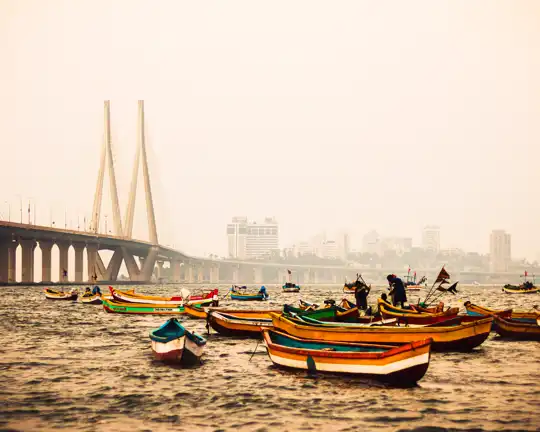
Marine Drive, film studios, art deco buildings

Walk the city’s seaside curve, spot film shoots, and admire architecture from a century of rapid change.

India - Mumbai

3 Jaipur

Pink facades, palace complexes, gemstone bazaars

Walk through rose-hued streets, visit ornate halls, and shop for stones in a city built for royalty.

4 Agra

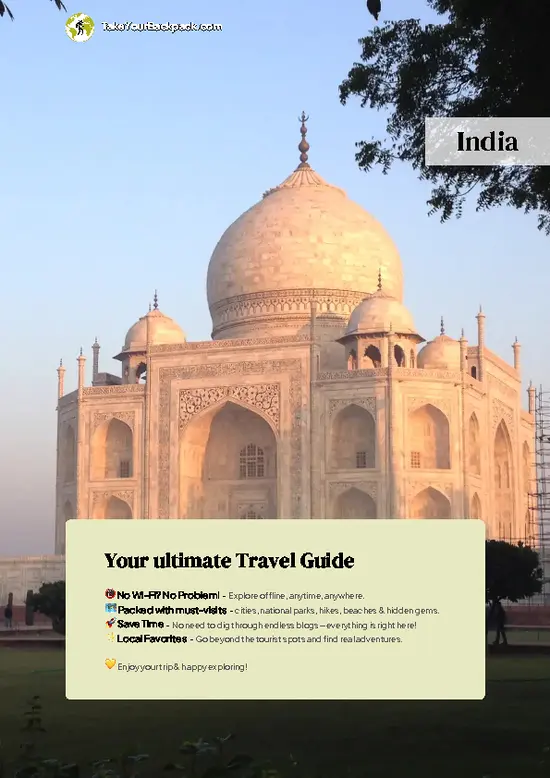
Taj Mahal, Mughal tombs, river views

Stand before marble monuments, explore lesser-known mausoleums, and trace the Yamuna’s curve through the city.

5 Varanasi

Ghats, cremation fires, winding alleys

Witness dawn rituals on the river, navigate labyrinthine streets, and observe traditions that have endured for centuries.

6 Kolkata

Book markets, tram lines, Bengali sweets

Ride vintage trams, browse endless bookstalls, and savor desserts in a city shaped by literature and debate.

7 Udaipur

Lake palaces, whitewashed lanes, rooftop cafés

Dine above shimmering waters, explore narrow alleys, and watch sunsets reflected in city lakes.

8 Hyderabad

Charminar, biryani stalls, pearl markets

Sample aromatic rice dishes, browse for jewelry, and wander through neighborhoods shaped by centuries of trade.

9 Chennai

colonial architecture, Marina Beach, classical music, filter coffee

Absorb coastal rhythms in a city known for its artistic traditions, seaside promenades, and a distinctive South Indian culinary scene.

10 Jodhpur

Blue houses, hilltop fort, desert edge

Climb narrow lanes between indigo homes, gaze from ancient ramparts, and feel the desert’s influence in every corner.

11 Rishikesh

Ganges banks, yoga ashrams, suspension bridges

Join sunrise rituals on the river, cross iconic footbridges, and experience a town where spiritual practice shapes daily life.

12 Pondicherry

French quarter, seaside promenade, Tamil heritage

Cycle quiet boulevards, sample fusion cuisine, and notice the blend of colonial and local influences in daily routines.

13 Darjeeling

Toy train, tea estates, colonial schools

Ride narrow-gauge tracks, walk among tea pickers, and sense the legacy of hill station life.

14 Mysore

Royal palace, sandalwood markets, yoga schools

Wander through ornate palace halls, browse fragrant bazaars, and discover a city where tradition and wellness quietly intersect.

15 Kochi

Chinese fishing nets, spice warehouses, colonial quarters

Watch fishermen at work, trace spice routes through old godowns, and notice the city’s layered influences.

16 Shimla

Colonial architecture, pine forests, hillside bazaars

Stroll along ridge-top promenades, shop in sloping markets, and breathe crisp air under cedar canopies.

17 Srinagar

Houseboats, Mughal gardens, Dal Lake

Sleep on floating homes, wander manicured gardens, and watch daily routines unfold on the water.

18 Alleppey

Backwaters, houseboat stays, rice barges

Drift through canals lined with palms, sleep aboard converted boats, and watch village life from the water.

19 Gangtok

Monastery views, MG Marg, Himalayan backdrop

Sip tea with mountain vistas, stroll pedestrian avenues, and explore a city where Buddhist culture shapes the pace.

20 Bikaner

Sandstone havelis, camel breeding farm, desert fort

Roam through ornate mansions, encounter herds of camels, and explore a city shaped by arid landscapes.

21 Bundi

Stepwells, painted walls, hillside fort

Descend into ancient wells, admire faded murals, and climb to a fort overlooking blue-roofed houses.

22 Shillong

Pine hills, colonial cottages, live music venues

Hike misty ridges, relax in cozy cafés, and catch local bands in a city known for its creative energy.

23 Ahmedabad

stepwells, textile markets, Jain temples, pol houses

Navigate a city where centuries-old neighborhoods, intricate religious sites, and a thriving textile trade shape daily life and local identity.

24 Thanjavur

Chola temples, bronze workshops, rice fields

Admire monumental temple carvings, watch artisans at work, and explore a landscape shaped by centuries of cultivation.

25 Madurai

Temple towers, jasmine markets, ancient streets

Navigate bustling alleys, witness temple rituals, and sense the city’s deep-rooted devotion in every gathering.

26 Bhopal

Lakes, mosques, tribal museums

Relax by broad waters, visit striking religious sites, and learn about indigenous cultures in a city of contrasts.

27 Lucknow

Nawabi architecture, kebab alleys, Urdu culture

Sample legendary street food, admire intricate facades, and sense the city’s refined traditions in daily interactions.

28 Bhubaneswar

Temple clusters, ancient caves, IT parks

Wander among stone shrines, explore rock-cut sanctuaries, and notice the city’s modern growth alongside its heritage.

29 Surat

Textile markets, diamond workshops, riverfront parks

Browse bustling cloth bazaars, observe skilled gem cutters, and relax in green spaces along the Tapi.

30 Indore

Food markets, Rajwada palace, textile industry

Taste local specialties at night stalls, explore historic squares, and observe the city’s role as a regional hub.

31 Vadodara

Royal palace, art museums, university town

Explore grand halls filled with art, stroll leafy campuses, and notice the city’s academic and cultural pulse.

32 Nashik

Vineyards, river ghats, Kumbh Mela site

Tour hillside wineries, join riverside rituals, and witness a city where agriculture and pilgrimage coexist.

33 Patna

Ganga riverfront, Buddhist sites, colonial remains

Trace ancient histories along the river, visit relics from multiple faiths, and experience a city at the crossroads of eras.

34 Rajkot

Gandhi landmarks, clock towers, street snacks

Visit sites linked to Gandhi’s early years, sample local treats, and experience a city shaped by commerce and reform.

35 Cuttack

Barabati fort, silver filigree, river islands

Walk through old fort ruins, shop for intricate jewelry, and cross bridges linking the city’s many islands.

36 Jabalpur

Marble rocks, river gorges, colonial cantonment

Take boat rides through dramatic cliffs, walk shaded avenues, and see a city defined by its natural setting.

37 Raipur

Steel plants, tribal crafts, city lakes

See industry meet tradition, browse handicraft markets, and unwind by urban lakes scattered across the city.

38 Imphal

Kangla fort, floating market, war cemeteries

Visit historic citadels, shop at women-run bazaars, and reflect at sites shaped by conflict and resilience.

39 Aizawl

Hilltop churches, bamboo houses, winding lanes

Navigate steep streets, observe daily life in elevated neighborhoods, and notice the city’s strong community ties.

40 Guwahati

Brahmaputra river, hilltop temples, tea auctions

Watch ferries cross wide waters, climb to shrines with sweeping views, and experience Assam’s tea trade firsthand.

Think you know India?

Prove you’re a true local — uncover 30 lesser-known cities in India that locals tend to keep to themselves.
Loading the map 🌍

Expert viewInsights from Locals and Experts

Transport Hubs

India’s transport network is a sprawling beast. Major cities serve as transport hubs, connecting you to the rest of the country. Trains are the backbone, but don’t expect luxury. They range from basic to overcrowded, and delays are common. If you’re on a tight schedule, factor in extra time. Flights can be a lifesaver for long distances, but they come with hidden costs—airport transfers, baggage fees, and often, a hefty price tag.

Buses are another option, especially for shorter distances. They can be a mixed bag; some are comfortable, while others feel like a game of sardines. Always check reviews before booking. If you’re planning to hop between cities, consider the overnight trains or buses. They save you a night’s accommodation and can be an adventure in themselves. Just … read more 👉

Transport Hubs

India’s transport network is a sprawling beast. Major cities serve as transport hubs, connecting you to the rest of the country. Trains are the backbone, but don’t expect luxury. They range from basic to overcrowded, and delays are common. If you’re on a tight schedule, factor in extra time. Flights can be a lifesaver for long distances, but they come with hidden costs—airport transfers, baggage fees, and often, a hefty price tag.

Buses are another option, especially for shorter distances. They can be a mixed bag; some are comfortable, while others feel like a game of sardines. Always check reviews before booking. If you’re planning to hop between cities, consider the overnight trains or buses. They save you a night’s accommodation and can be an adventure in themselves. Just be prepared for the reality of shared spaces and the occasional snoring neighbor.

Urban Pacing

India’s cities pulse with energy, but that can be overwhelming. The pace varies dramatically. Some cities are frenetic, while others offer a slower rhythm. If you’re the type who thrives on constant stimulation, you might want to hit several cities in a short span. But here’s the catch: you’ll miss the nuances. The local food stalls, the street art, the conversations with locals—they all require time.

Aim for three to five cities if you want a taste of diversity without burning out. Spend at least three days in each to soak in the culture. This isn’t just about ticking boxes; it’s about connecting with the soul of each place. If you rush, you’ll end up with a collection of photos and no real experiences.

Local Costs

Costs can vary wildly depending on where you are. In major cities, you might find yourself paying a premium for accommodations and meals. Street food is cheap and delicious, but don’t skimp on hygiene—choose vendors with a line. In smaller towns, your budget stretches further, but amenities may be limited.

Expect to spend more in tourist-heavy areas. If you’re looking to save, consider staying in hostels or guesthouses rather than hotels. They offer a chance to meet fellow travelers and often provide local insights you won’t find in guidebooks. Just remember, the cheapest option isn’t always the best. Sometimes, a slightly higher price means better safety and comfort.

Exploring More vs. Deeper Immersion

The trade-off between exploring more cities quickly versus diving deep into fewer is real. If you’re a first-timer, it’s tempting to want to see everything. But India is vast and diverse. Each region has its own culture, cuisine, and customs. If you skim the surface, you’ll miss the richness.

Focus on quality over quantity. Choose a few cities that intrigue you and immerse yourself. Spend time in local markets, attend festivals, or take cooking classes. These experiences often lead to the most memorable moments. If you’re short on time, prioritize cities that offer a range of experiences—historical sites, nature, and local life.

Safety & Cultural Considerations

Safety is a valid concern, especially for solo travelers. While many areas are safe, some require extra caution. Always stay aware of your surroundings, especially in crowded places. Dress modestly to respect local customs, and learn a few basic phrases in the local language. It goes a long way in building rapport.

Cultural sensitivity is crucial. India is a tapestry of religions and traditions. What’s acceptable in one region may not be in another. Be respectful of local customs, especially when visiting temples or religious sites. If you’re unsure, observe what locals do.

Planning & Prioritizing Cities

When planning your trip, consider regional clusters. This minimizes travel time and maximizes your experience. For example, if you’re in the north, explore the Himalayan foothills and nearby cities. In the south, the coastal towns offer a different vibe.

Use local festivals as a guide for timing your visit. They can provide a unique glimpse into the culture but also mean larger crowds and higher prices. Balance your itinerary with a mix of popular attractions and off-the-beaten-path experiences.

In summary, India is a land of contrasts. The key is to find your rhythm. Whether you’re racing through cities or savoring each moment, the journey is what you make of it. Embrace the chaos, respect the culture, and you’ll find that the real treasures lie in the connections you make along the way.

✈️ The backpacker research shortcutIndia Travel Guide

An offline-friendly backpacking guide with optimized travel routes, ranked highlights, transport advice, and the best areas to stay.
example page 0 from our offline Travel Guide for India
example page 1 from our offline Travel Guide for India
example page 2 from our offline Travel Guide for India
example page 3 from our offline Travel Guide for India
example page 4 from our offline Travel Guide for India
example page 5 from our offline Travel Guide for India
example page 6 from our offline Travel Guide for India
example page 7 from our offline Travel Guide for India
The digital guide (498 pages) contains:
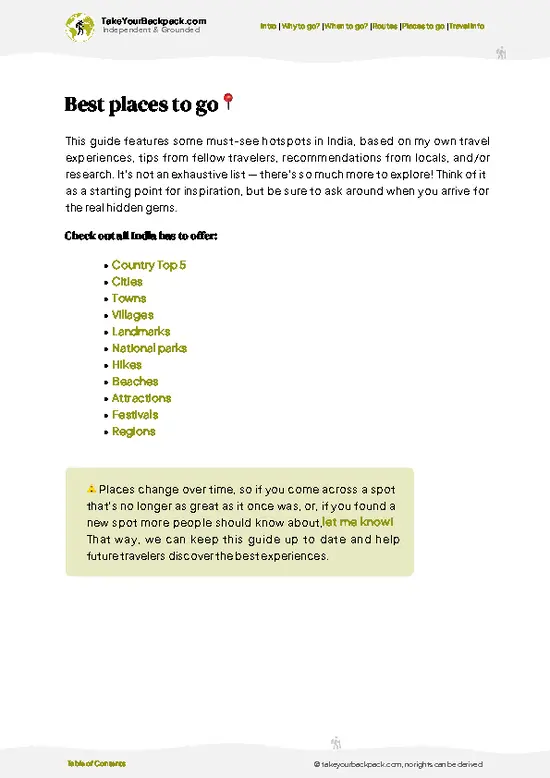
162 highlights, ranked by travel appeal
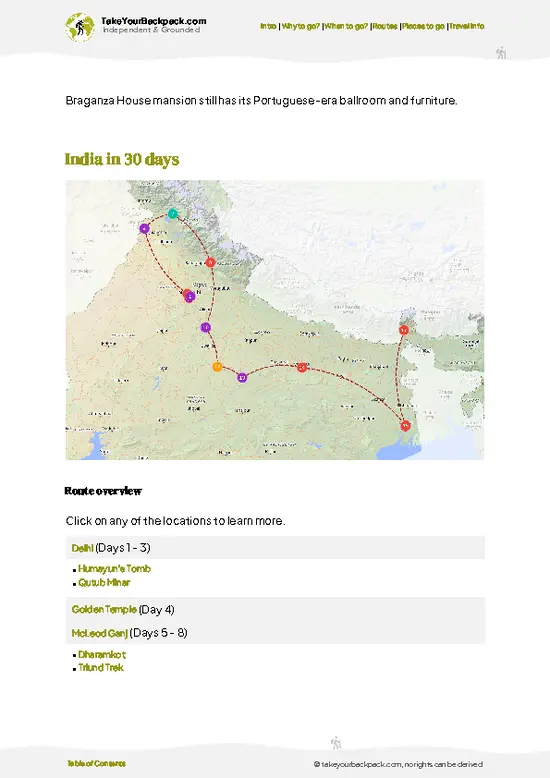
Optimized 14, 21 & 30-day travel routes
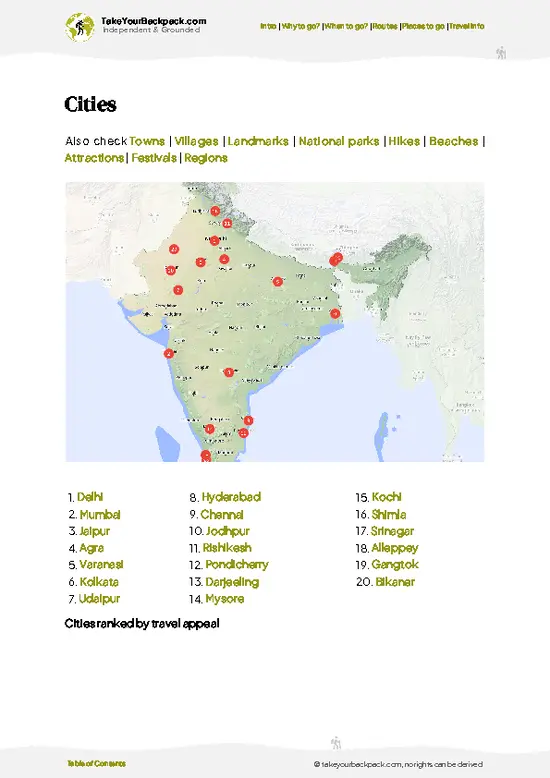
Cities, national parks, landmarks, beaches
How to get around
Offline-friendly for travel without Wi-Fi
👉 Click to see all 30+ guide features

📅 Plan smarter in minutes, not weeks
Month by month travel advice
Festivals & national holidays
Budget expectations

🗺️ Go to the right places, skip the overrated ones
Honest pros & cons of destinations
Top hikes, parks & viewpoints
Lesser-known places most travelers miss
Clear “worth it vs skip it” guidance

🛏️ Travel smoothly without rookie mistakes
Best areas to stay
Transport systems explained simply
Common scams & safety advice
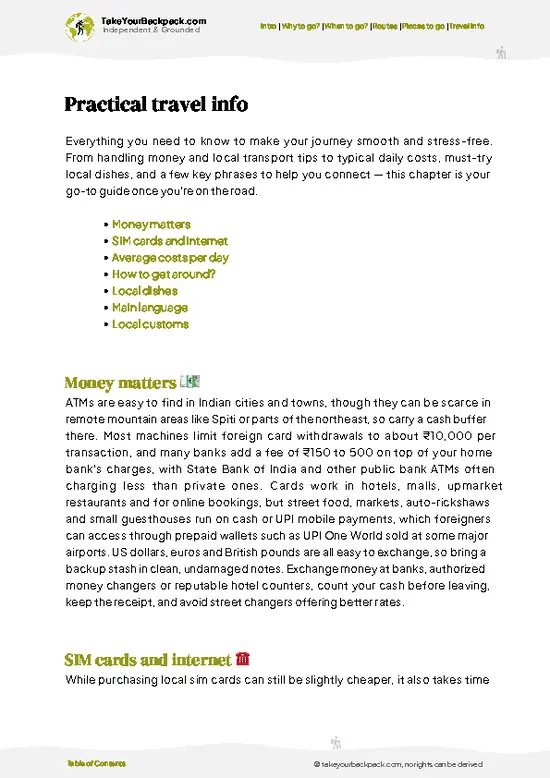
SIM cards, money & practical tips

🌍 Understand the country, not just visit it
Culture & traditions
52 Essential phrases & customs
Festivals worth planning around
Traveler-friendly historical context
Insights that make places more meaningful

📱 Built for real travel conditions
Fully downloadable PDF
Works completely offline
Optimized for phone use
Useful in remote areas & buses
Everything in one place
Save weeks of stressful planning
Get instant access to your full guide. 30‑day money-back guarantee.
+ Add another guide for just US$7.80

By proceeding you agree to our terms.
Sent to your inbox immediately after payment • 100% Secure Checkout
Best Backpacking Travel Advisor 2025 tourism awardBest Backpacking
Travel Advisor
2025
What others say about Take Your Backpack Guides:
⭐⭐⭐⭐⭐
Fantastic, amazing amount of information!
⭐⭐⭐⭐⭐
My goodness this is amazing, it's what I've been looking for hats off too you!
⭐⭐⭐⭐⭐
I think this is absolutely BRILLIANT
⭐⭐⭐⭐
Very complete and informative. It's still missing places, but I gotta to commend you
⭐⭐⭐⭐⭐
This is truly amazing, thank you, can't wait to explore it with my kids!
⭐⭐⭐⭐⭐
Awesome resource, thank you!
⭐⭐⭐⭐⭐
This is amazing! Can't wait to explore the ones I haven't seen
⭐⭐⭐⭐
I love this! Well done, great idea.
⭐⭐⭐⭐⭐
Thanks for taking the time to make this gem!
⭐⭐⭐⭐⭐
This might be the best website I've ever seen.
⭐⭐⭐⭐⭐
Congratulations, and thank you so much for your work; it's incredibly valuable.
⭐⭐⭐⭐
In all seriousness I think you did a great job pointing out the important spots
⭐⭐⭐⭐⭐
10/10 very good
⭐⭐⭐⭐⭐
As someone who's only just starting to visit regularly this is awesome, thank you.
⭐⭐⭐⭐
Thank you very much! I'm going to visit my dad, it's going to be very useful!
⭐⭐⭐⭐⭐
This is really cool! We'll be travelling for the first time and this definitely come in handy.
⭐⭐⭐⭐⭐
You are now our minister of culture, congratulations 👨‍💼
⭐⭐⭐⭐⭐
Just wanted to tell you that this is a pearl! Going to follow your recommendations.
⭐⭐⭐⭐⭐
This is so cool. I'll definitely be using the resource for my travels soon.
⭐⭐⭐⭐⭐
This is very impressive! Good work.
⭐⭐⭐⭐⭐
This is an amazing and informative site. Very well done!

🛏️ Where to stay?Top Areas to Stay

Yes — hostels and budget accommodation in India are widespread, concentrated in backpacker hubs like Delhi (Paharganj, Hauz Khas), Mumbai (Colaba, Bandra), Goa (Anjuna/Arambol, Calangute), Jaipur (Old City), Varanasi (Ghats), Rishikesh (Laxman Jhula), Manali (Old Manali) and Hampi (Hampi Bazaar).

Paharganj is very cheap and next to the main station but chaotic and dusty; Hauz Khas is safer with nightlife and pricier; Colaba puts you by major sights and transport but has fewer low-cost beds and higher rates while Bandra offers nightlife and cafes at a premium; Anjuna/Arambol have the biggest hostel scene and beach parties but get noisy and seasonal, Calangute is crowded and touristy; Old City … read more 👉
Yes — hostels and budget accommodation in India are widespread, concentrated in backpacker hubs like Delhi (Paharganj, Hauz Khas), Mumbai (Colaba, Bandra), Goa (Anjuna/Arambol, Calangute), Jaipur (Old City), Varanasi (Ghats), Rishikesh (Laxman Jhula), Manali (Old Manali) and Hampi (Hampi Bazaar).

Paharganj is very cheap and next to the main station but chaotic and dusty; Hauz Khas is safer with nightlife and pricier; Colaba puts you by major sights and transport but has fewer low-cost beds and higher rates while Bandra offers nightlife and cafes at a premium; Anjuna/Arambol have the biggest hostel scene and beach parties but get noisy and seasonal, Calangute is crowded and touristy; Old City Jaipur is ideal for forts and markets but busy and hot; Varanasi ghats give unmatched river access and ritual atmosphere but are noisy with basic facilities; Rishikesh near Laxman Jhula is quiet, yoga-focused and alcohol-restricted; Old Manali is the trekking base with lively nightlife in season; Hampi Bazaar is cheap and peaceful but very limited in services.

If you enjoy meeting fellow travelers, consider choosing hostels with high ratings for atmosphere. On the other hand, if you prefer having your own space, a hotel might be a better option.

IndiaDiscover the Country

👋 Meet the founderWho’s Behind Take Your Backpack?

Johan, backpacker and founder of TakeYourBackpackHi, I’m Johan (Netherlands 🇳🇱), the creator of TakeYourBackpack. Over the past decade, I’ve backpacked through 80+ countries across six continents, gaining extensive experience with independent travel, long-term trips, and overland routes.

This site is built on a combination of firsthand travel experience and carefully curated insights from other backpackers. Many guides are based on places I’ve personally visited, while others bring together tips, observations, and practical advice shared by trusted travelers I’ve met along the way.

The goal is to provide realistic, experience-driven guidance — not generic itineraries — so you can explore destinations with better context, clearer expectations, and more confidence.

Get full India guide •
Instant download • 162 highlights • Full Offline guide