×

India🇮🇳 | regionsSpiti Valleybarren plateaus, cliffside monasteries, cold desert villages | things to do and best time to go

Explore RajasthanExplore Wayanad

Backpacking in Spiti Valley
👍 Recommendedregion ranked #7
By Johan Kruseman 🇳🇱 | Updated October 15, 2026

Your breath comes out in little white ghosts as the bus grinds up another switchback, prayer flags snapping in the wind, dust sneaking in through the cracked window and settling on your lips like fine salt. The sun is brutal, but the air is thin and cold; diesel and juniper smoke mix as you roll into a village of flat-roofed houses and a monastery clinging to a cliff that looks one rockslide away from oblivion.

Spiti Valley sits in Himachal Pradesh, high in India’s Trans-Himalaya between Kinnaur and Ladakh. It’s raw, dry, and addictive. Cheaper than Ladakh, quieter than Manali, with bone-rattling roads, slow shared jeeps, and towns like Kaza, Dhankar, and Kibber that still feel like actual communities, not Instagram sets. You trade comfort and easy transport for big skies, stark monasteries, and a pace that forces you to actually be there.

Discover everything you want to know in the 📖 India Travel Guide.


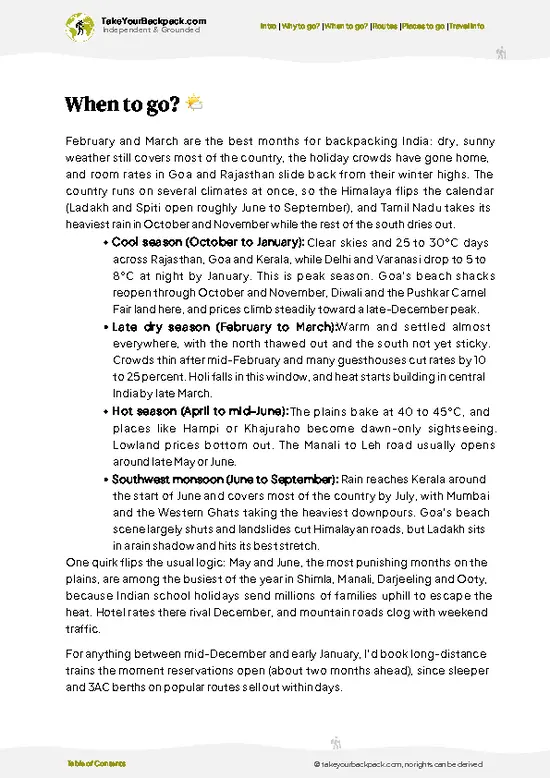
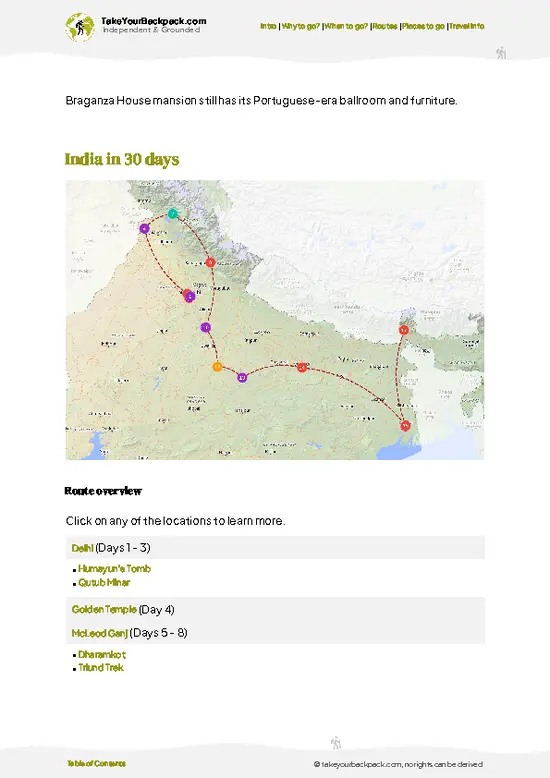
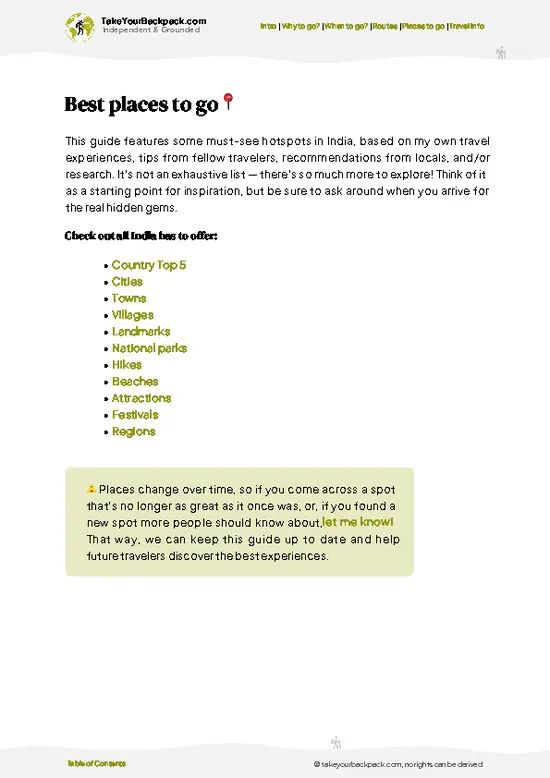
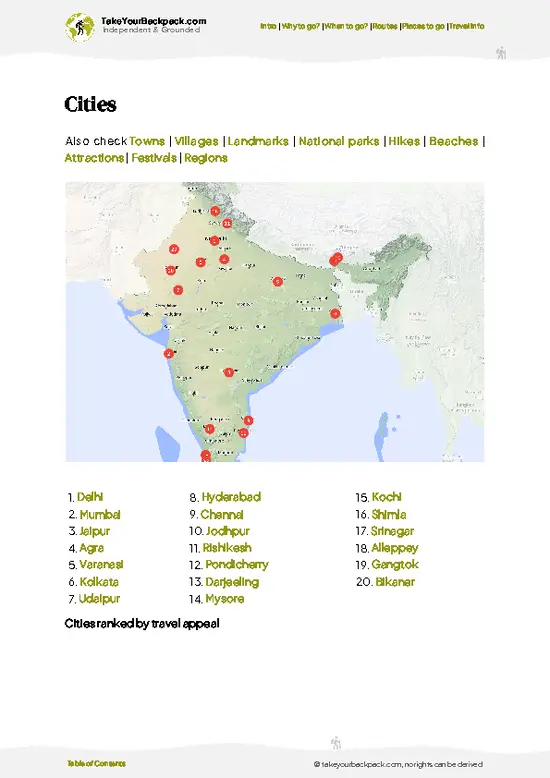
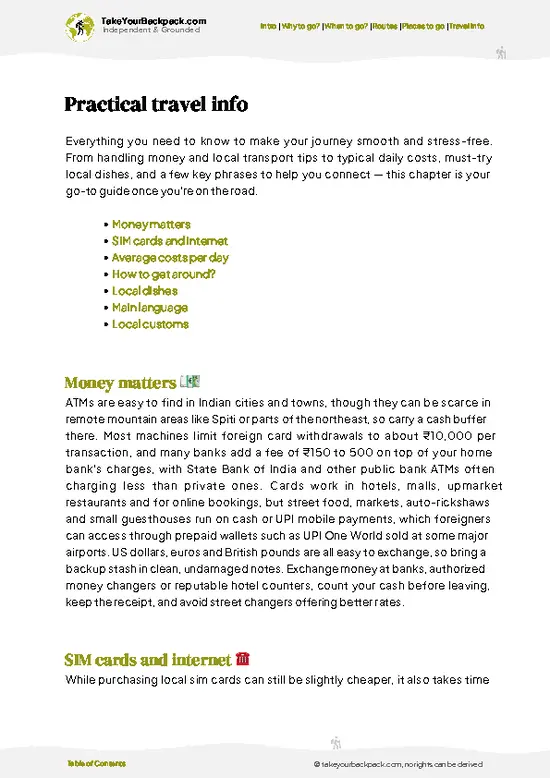
example page 0 from our offline Travel Guide for India
example page 1 from our offline Travel Guide for India
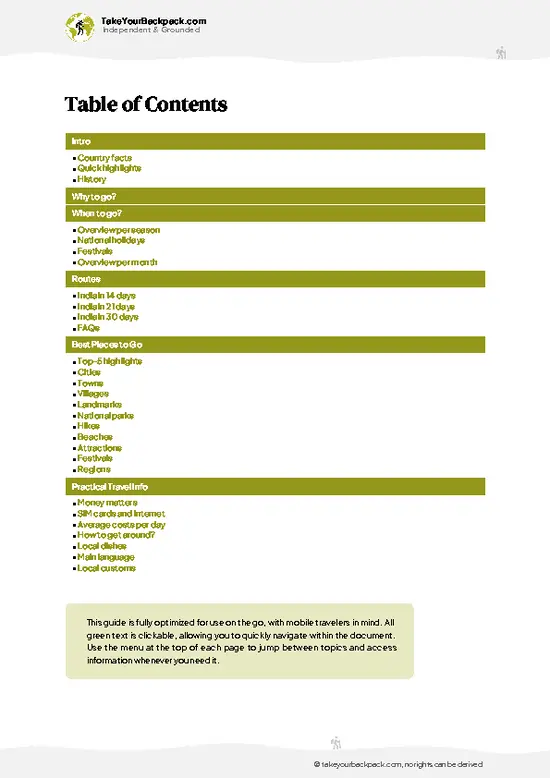
example page 2 from our offline Travel Guide for India
example page 3 from our offline Travel Guide for India
example page 4 from our offline Travel Guide for India
example page 5 from our offline Travel Guide for India
example page 6 from our offline Travel Guide for India
example page 7 from our offline Travel Guide for India
Loading the map 🌍
CLICK TO FILTER
cities
towns
villages
landmarks
national parks
hikes
beaches
attractions
festivals
regions
SHOW COUNTRY’S BESTSHOW ALL

✨ Why go?
Ranked #7 region in India
The unique appeal for travelers

In Spiti Valley, backpackers find a treasure trove of experiences that blend nature and culture seamlessly. The variety of landscapes here is jaw-dropping. One moment you’re gazing at towering peaks, the next you’re wandering through ancient monasteries. This region offers multiple experiences without the hassle of constant relocation. You can set up camp in one spot and dive deep into local life, soaking in the slow travel vibe.

Transport flexibility is a game-changer. Shared taxis and local buses make it easy to hop between villages, allowing you to explore at your own pace. Want to linger in a quaint hamlet or chase the sunset at a remote monastery? Go for it.

The mix of adventure and culture is what keeps backpackers coming back. Trekking, biking, and cultural festivals all coexist … read more 👉
In Spiti Valley, backpackers find a treasure trove of experiences that blend nature and culture seamlessly. The variety of landscapes here is jaw-dropping. One moment you’re gazing at towering peaks, the next you’re wandering through ancient monasteries. This region offers multiple experiences without the hassle of constant relocation. You can set up camp in one spot and dive deep into local life, soaking in the slow travel vibe.

Transport flexibility is a game-changer. Shared taxis and local buses make it easy to hop between villages, allowing you to explore at your own pace. Want to linger in a quaint hamlet or chase the sunset at a remote monastery? Go for it.

The mix of adventure and culture is what keeps backpackers coming back. Trekking, biking, and cultural festivals all coexist here, giving you the chance to immerse yourself fully. In Spiti, every moment is a chance to connect with the land and its people, making it a high-value destination for those in the know.

💡 HighlightsDon't-miss highlights and experiences

  1. Key (Ki) Monastery — The big, crumbling gompa perched above Kaza that looks like it grew out of the cliff. Centuries of murals, monks’ debates in the courtyard, and panoramic views of the Spiti gorge make it the cultural heartbeat of the valley.
  2. Tabo Monastery — Often called the “Ajanta of the Himalaya,” this thousand-year-old complex has intact frescoes and cave-like chapels you won’t find anywhere else in the region. It feels like stepping into a living museum of Tibetan Buddhist art.
  3. Dhankar Monastery & Dhankar Lake — A dramatic cliff-perched fortress/gompa that was once the capital of old Spiti. The hike up to the monastery and the small alpine Dhankar Lake above offer raw views and a sense of real isolation. Personal favorite — the light hitting the whitewashed walls at dusk is unforgettable.
… read more 👉
  1. Key (Ki) Monastery — The big, crumbling gompa perched above Kaza that looks like it grew out of the cliff. Centuries of murals, monks’ debates in the courtyard, and panoramic views of the Spiti gorge make it the cultural heartbeat of the valley.
  2. Tabo Monastery — Often called the “Ajanta of the Himalaya,” this thousand-year-old complex has intact frescoes and cave-like chapels you won’t find anywhere else in the region. It feels like stepping into a living museum of Tibetan Buddhist art.
  3. Dhankar Monastery & Dhankar Lake — A dramatic cliff-perched fortress/gompa that was once the capital of old Spiti. The hike up to the monastery and the small alpine Dhankar Lake above offer raw views and a sense of real isolation. Personal favorite — the light hitting the whitewashed walls at dusk is unforgettable.
  4. Chandratal (Moon Lake) — A crescent-shaped high-altitude lake with surreal turquoise water and a lunar basin of scree and ridges around it. It’s campsite-perfect and the landscape here is unmistakably Spiti: stark, huge, and oddly intimate.
  5. Pin Valley National Park & Kibber Village — One of the few places in India where you can see wild ibex, bharal and maybe a snow leopard (if you’re lucky). Kibber is a genuine high-altitude farming village with stone houses and access to wildflower meadows — wildlife and village life rolled into one.
  6. Langza Village — Fossil central. Langza sits on an ancient seabed and people still find marine fossils in the fields; the huge Buddha statue overlooking the village gives the whole place a surreal, other-worldly vibe. If you like geology with your tea, this is it.
  7. Komik (Komic) Village — Hidden gem. One of the highest inhabited villages in the world, with a tiny monastery and daily life that hasn’t been industrialized into a “tourist experience.” Great for short walks, sunrise views and seeing how hardy mountain communities actually live.
  8. Gue Mummy — Hidden gem. A small, off-the-beaten-path village with the preserved mummy of a Buddhist monk on display in a local house/chapel. Morbid curiosity aside, it’s a rare, tangible link to the valley’s past and very different from the usual sightseeing stops.
  9. Chicham Bridge & Gorge Viewpoint — Hidden gem. A dramatic suspension bridge and viewpoint above one of the steepest drops in Spiti; the angle of the gorge, the layered villages and the road snaking down are photographer candy, but it’s still mostly a local haunt rather than a tourist cluster.
  10. Kardang Monastery — Less noisy than Ki but culturally rich: a compact gompa with frescoes, a small museum, and festivals that attract local families from miles around. It’s a good place to see authentic ritual and community gatherings without the crowds.
Spotted a mistake or missing something? Contact us.

⌛️ 5 daysHow to make the most of Spiti Valley

Day 1: Manali
The journey begins in Manali, a bustling hub that serves as the gateway to Spiti Valley. You’ll want to acclimatize here, not just to the altitude but to the vibe. Spend the day exploring local cafes and markets. The real magic happens when you hop on a shared taxi or bus to Kaza the next morning. This leg is crucial; it sets the pace for your entire trip. The winding roads and breathtaking views will leave you breathless—literally and figuratively.

Day 2: Kaza
Arriving in Kaza, you’ll feel the shift from touristy to authentic. This is where the real Spiti begins. Spend the day visiting nearby villages like Kibber and Langza. The transport here is limited, so embrace the local buses or hitch a ride with fellow travelers. This is a chance to connect with the landscape and its … read more 👉
Day 1: Manali
The journey begins in Manali, a bustling hub that serves as the gateway to Spiti Valley. You’ll want to acclimatize here, not just to the altitude but to the vibe. Spend the day exploring local cafes and markets. The real magic happens when you hop on a shared taxi or bus to Kaza the next morning. This leg is crucial; it sets the pace for your entire trip. The winding roads and breathtaking views will leave you breathless—literally and figuratively.

Day 2: Kaza
Arriving in Kaza, you’ll feel the shift from touristy to authentic. This is where the real Spiti begins. Spend the day visiting nearby villages like Kibber and Langza. The transport here is limited, so embrace the local buses or hitch a ride with fellow travelers. This is a chance to connect with the landscape and its people. The slower pace allows you to soak in the stark beauty of the high-altitude desert.

Day 3: Hikkim & Komik
Take a detour to Hikkim, home to the world’s highest post office. Send a postcard to a friend—trust me, they’ll love it. Then, head to Komik, where you can visit a monastery and enjoy stunning views. This off-path reward adds a layer of experience without straying too far from your route. The transport can be tricky, but the locals are friendly and often willing to help.

Day 4: Dhankar
Onward to Dhankar, where the ancient monastery clings to a cliff. The hike up is worth every step. Spend the night here to fully absorb the serenity. The transport options are limited, but that’s part of the charm. You’re not just a tourist; you’re part of the rhythm of Spiti.

Day 5: Tabo
Finish your journey in Tabo, known for its stunning murals and peaceful atmosphere. The bus ride from Dhankar is short but scenic. Reflect on your trip as you explore the monastery. This day encapsulates the essence of Spiti—tranquility amidst rugged beauty.

The must-do day? Day 2 in Kaza. It’s where you truly feel the pulse of Spiti, connecting with its culture and landscape. Don’t rush it; let it sink in.

🌤️ When to go?Seasonal considerations and timing

  • Weather: The sweet spot is late May to early October. Outside this window, Spiti locks down in snow and ice, with roads often impassable. Summers bring dry, crisp air perfect for trekking.
  • Temperature: Daytime highs hover around 15-20°C (59-68°F) in summer, dropping sharply at night to near freezing. Winters plunge to -20°C (-4°F) or colder—only for the hardcore.
  • Daylight Hours: Peak season offers 12-14 hours of daylight, giving you plenty of time to explore without rushing. Winter days shrink to 8-9 hours, making long treks tougher.
  • Crowds: June to September sees a modest influx of travelers, but nothing like the tourist crush elsewhere in India. Early June and late September are quieter, letting you savor the solitude.
  • Seasonal Activities: Summer is prime for trekking, mountain biking,
… read more 👉
  • Weather: The sweet spot is late May to early October. Outside this window, Spiti locks down in snow and ice, with roads often impassable. Summers bring dry, crisp air perfect for trekking.
  • Temperature: Daytime highs hover around 15-20°C (59-68°F) in summer, dropping sharply at night to near freezing. Winters plunge to -20°C (-4°F) or colder—only for the hardcore.
  • Daylight Hours: Peak season offers 12-14 hours of daylight, giving you plenty of time to explore without rushing. Winter days shrink to 8-9 hours, making long treks tougher.
  • Crowds: June to September sees a modest influx of travelers, but nothing like the tourist crush elsewhere in India. Early June and late September are quieter, letting you savor the solitude.
  • Seasonal Activities: Summer is prime for trekking, mountain biking, and cultural festivals like Ladarcha. Winter shuts most trails but opens up frozen landscapes for hardcore adventurers.
  • Price Fluctuations: Expect a jump in guesthouse rates during peak months, especially July and August. Off-season means cheaper stays but brace for limited services and harsher conditions.
Pro-tip: Arrive just before the main season kicks in—late May or early June—to snag lower prices, beat the crowds, and enjoy the valley waking up from winter’s grip.


source: climatestotravel.comJANJanuary: below average for travelingFEBFebruary: below average for travelingMARMarch: below average for travelingAPRApril: fair for travelingMAYMay: highly recommended for travelingJUNJune: excellent for travelingJULJuly: excellent for travelingAUGAugust: excellent for travelingSEPSeptember: highly recommended for travelingOCTOctober: good for travelingNOVNovember: fair for travelingDECDecember: below average for traveling
when-to-go

✈️ The backpacker research shortcutIndia Travel Guide

An offline-friendly backpacking guide with optimized travel routes, ranked highlights, transport advice, and the best areas to stay.
example page 0 from our offline Travel Guide for India
example page 1 from our offline Travel Guide for India
example page 2 from our offline Travel Guide for India
example page 3 from our offline Travel Guide for India
example page 4 from our offline Travel Guide for India
example page 5 from our offline Travel Guide for India
example page 6 from our offline Travel Guide for India
example page 7 from our offline Travel Guide for India
The digital guide (483 pages) contains:
✅ 157 highlights, ranked by travel appeal
✅ Optimized 14, 21 & 30-day travel routes
✅ Cities, national parks, landmarks, beaches
✅ How to get around
✅ Offline-friendly for travel without Wi-Fi
👉 Click to see all 30+ guide features

📅 Plan smarter in minutes, not weeks
✅ Month by month travel advice
✅ Festivals & national holidays
✅ Budget expectations

🗺️ Go to the right places, skip the overrated ones
✅ Honest pros & cons of destinations
✅ Top hikes, parks & viewpoints
✅ Lesser-known places most travelers miss
✅ Clear “worth it vs skip it” guidance

🛏️ Travel smoothly without rookie mistakes
✅ Best areas to stay
✅ Transport systems explained simply
✅ Common scams & safety advice
✅ SIM cards, money & practical tips

🌍 Understand the country, not just visit it
✅ Culture & traditions
✅ 52 Essential phrases & customs
✅ Festivals worth planning around
✅ Traveler-friendly historical context
✅ Insights that make places more meaningful

📱 Built for real travel conditions
✅ Fully downloadable PDF
✅ Works completely offline
✅ Optimized for phone use
✅ Useful in remote areas & buses
✅ Everything in one place
Stop searching, start planning
Get instant access to your full guide. 30‑day money-back guarantee.
+ Add another guide for just

By proceeding you agree to our terms.
Sent to your inbox immediately after payment • 100% Secure Checkout
Best Backpacking Travel Advisor 2025 tourism awardBest Backpacking
Travel Advisor
2025
What others say about Take Your Backpack Guides:
⭐⭐⭐⭐⭐
Fantastic, amazing amount of information!
⭐⭐⭐⭐⭐
My goodness this is amazing, it's what I've been looking for hats off too you!
⭐⭐⭐⭐⭐
I think this is absolutely BRILLIANT
⭐⭐⭐⭐
Very complete and informative. It's still missing places, but I gotta to commend you
⭐⭐⭐⭐⭐
This is truly amazing, thank you, can't wait to explore it with my kids!
⭐⭐⭐⭐⭐
Awesome resource, thank you!
⭐⭐⭐⭐⭐
This is amazing! Can't wait to explore the ones I haven't seen
⭐⭐⭐⭐
I love this! Well done, great idea.
⭐⭐⭐⭐⭐
Thanks for taking the time to make this gem!
⭐⭐⭐⭐⭐
This might be the best website I've ever seen.
⭐⭐⭐⭐⭐
Congratulations, and thank you so much for your work; it's incredibly valuable.
⭐⭐⭐⭐
In all seriousness I think you did a great job pointing out the important spots
⭐⭐⭐⭐⭐
10/10 very good
⭐⭐⭐⭐⭐
As someone who's only just starting to visit regularly this is awesome, thank you.
⭐⭐⭐⭐
Thank you very much! I'm going to visit my dad, it's going to be very useful!
⭐⭐⭐⭐⭐
This is really cool! We'll be travelling for the first time and this definitely come in handy.
⭐⭐⭐⭐⭐
You are now our minister of culture, congratulations 👨‍💼
⭐⭐⭐⭐⭐
Just wanted to tell you that this is a pearl! Going to follow your recommendations.
⭐⭐⭐⭐⭐
This is so cool. I'll definitely be using the resource for my travels soon.
⭐⭐⭐⭐⭐
This is very impressive! Good work.
⭐⭐⭐⭐⭐
This is an amazing and informative site. Very well done!

🛏️ Where to stay?Best areas to stay in India

When you hit Spiti Valley, your choice of where to stay can make or break your experience. Let’s break it down.

Kaza is the main hub. It’s got a lively vibe, with plenty of cafes and shops. You’ll find fellow backpackers here, swapping stories over chai. Plus, it’s a great base for day trips to nearby monasteries and stunning landscapes.

Langza is a quieter option. This village is famous for its fossil hunting and breathtaking views of the Himalayas. Staying here means you’ll wake up to serene mornings and starry nights. It’s perfect for those looking to escape the hustle and connect with nature. … read more 👉
When you hit Spiti Valley, your choice of where to stay can make or break your experience. Let’s break it down.

Kaza is the main hub. It’s got a lively vibe, with plenty of cafes and shops. You’ll find fellow backpackers here, swapping stories over chai. Plus, it’s a great base for day trips to nearby monasteries and stunning landscapes.

Langza is a quieter option. This village is famous for its fossil hunting and breathtaking views of the Himalayas. Staying here means you’ll wake up to serene mornings and starry nights. It’s perfect for those looking to escape the hustle and connect with nature.

Key Monastery offers a unique experience. You can stay close to one of the oldest monasteries in the region. The spiritual atmosphere is palpable, and you’ll often find monks around, adding to the charm.

Tabo is another gem. Known for its ancient monastery, it’s a bit more laid-back. The art and history here are captivating, making it a great spot for culture lovers.

Each area has its own flavor, so choose based on what you crave—social buzz or tranquil solitude.

🚌 Getting aroundTransportation options and practical tips

Spiti Valley is a wild dance of rugged landscapes and unpredictable schedules. Here, time flows like the river carving through the mountains—sometimes rushing, sometimes meandering. You won’t find the rigid precision of city life; instead, embrace a chaotic intuition that guides you from one breathtaking vista to the next. The locals have mastered the art of flexibility, and you’ll need to do the same. Whether you’re bouncing along a dirt road or sipping chai while waiting for a ride, the journey is as much a part of the experience as the destination.
  • Shared Taxis: These are your lifeline. They run between major towns like Kaza and Manali, usually departing when full. Expect to pay around ₹600-₹800 and enjoy a ride that’s both bumpy and scenic, taking about 8-10 hours. Comfort? Think of it
… read more 👉
Spiti Valley is a wild dance of rugged landscapes and unpredictable schedules. Here, time flows like the river carving through the mountains—sometimes rushing, sometimes meandering. You won’t find the rigid precision of city life; instead, embrace a chaotic intuition that guides you from one breathtaking vista to the next. The locals have mastered the art of flexibility, and you’ll need to do the same. Whether you’re bouncing along a dirt road or sipping chai while waiting for a ride, the journey is as much a part of the experience as the destination.
  • Shared Taxis: These are your lifeline. They run between major towns like Kaza and Manali, usually departing when full. Expect to pay around ₹600-₹800 and enjoy a ride that’s both bumpy and scenic, taking about 8-10 hours. Comfort? Think of it as a communal adventure.
  • Local Buses: The backbone of Spiti’s transport. Buses connect Kaza to places like Tabo and Dhankar, with fares around ₹100-₹300. They leave at set times, typically early in the morning, and can be a bit cramped. But hey, you’ll get to mingle with locals and soak in the views for about 4-6 hours.
  • Motorbike Rentals: For the adventurous spirit, renting a bike is a game-changer. Prices hover around ₹800-₹1,200 per day. You’ll have the freedom to explore at your own pace, but be prepared for rough terrain. Just make sure you’re comfortable with mountain riding; it’s exhilarating but can be tricky.
  • Hitchhiking: This is a rite of passage in Spiti. It’s free and often leads to unexpected friendships. Just stand by the roadside with a smile and a wave. You might wait a while, but the stories you’ll gather are priceless.

For a smooth ride across Spiti, always check the local bus schedule the night before and aim to arrive early. Buses can fill up fast, and you don’t want to miss out on a day of exploration. Plus, a little patience goes a long way in this enchanting valley.

🍲 FoodEating & Drinking in Spiti Valley

In Spiti Valley, food is a celebration of the rugged landscape and the warmth of its people. You can’t miss momos, those delightful dumplings, often filled with spiced vegetables or meat, served steaming hot with a tangy dipping sauce. Pair them with a cup of butter tea, a local favorite that’s both rich and comforting, perfect for the chilly evenings.

Venture into local markets where vendors sell fresh produce and homemade snacks. The aroma of thukpa, a hearty noodle soup, wafts through the air, inviting you to savor its warmth after a day of trekking. Street food stalls are a treasure trove; try churpe, dried cheese, which is a popular snack among locals.

Dining here is casual and communal. Expect to share tables, and don’t be surprised if you’re offered a taste of someone’s dish. It’s … read more 👉
In Spiti Valley, food is a celebration of the rugged landscape and the warmth of its people. You can’t miss momos, those delightful dumplings, often filled with spiced vegetables or meat, served steaming hot with a tangy dipping sauce. Pair them with a cup of butter tea, a local favorite that’s both rich and comforting, perfect for the chilly evenings.

Venture into local markets where vendors sell fresh produce and homemade snacks. The aroma of thukpa, a hearty noodle soup, wafts through the air, inviting you to savor its warmth after a day of trekking. Street food stalls are a treasure trove; try churpe, dried cheese, which is a popular snack among locals.

Dining here is casual and communal. Expect to share tables, and don’t be surprised if you’re offered a taste of someone’s dish. It’s all about connection. When you’re invited to join a meal, it’s a sign of respect — embrace it!

Remember, meals are often simple but packed with flavor, reflecting the spirit of Spiti. Enjoy the experience, and let the local flavors linger long after your visit.

FAQTraveler FAQ

7 to 10 days are ideal to explore Spiti Valley thoroughly. This allows time to acclimatize, visit key villages like Kaza, Tabo, and Dhankar, and enjoy treks or cultural sites. Travel distances are long and roads can be rough, so plan for slower travel.
You can get around Spiti Valley using local buses, shared taxis, and motorbike rentals. Buses run between major towns like Manali, Kaza, and Keylong, but schedules are limited and weather-dependent. Motorbikes are popular for flexibility and cost, typically renting for around 800-1200 INR per day.
Spiti Valley is known for its high-altitude desert landscape, ancient Buddhist monasteries like Tabo and Ki, and unique Tibetan culture. It is also famous for trekking routes, stark mountain scenery, and being one of the least populated regions in India.
⚠️ Things can change over time, so always validate details locally before you go.

Other Indian regions near Spiti Valley

Explore more nearby:

  • Himachal Pradesh—mountain hamlets, apple orchards, Buddhist monasteries| 152 km away
  • Ladakh—high-altitude deserts, Buddhist stupas, salt lakes| 218 km away
  • Chopta—alpine meadows, Himalayan views, temple routes| 224 km away

💡 Not sure where to go next?
Create a personalized itinerary for India including Spiti Valley and the places that fit your trip.

Generate my itinerary

👉 Discover all regions

Or checkout all India has to offer (think cities, towns, villages, national parks, hikes, beaches, festivals)
Country photo of India

We 💚 feedbackParting advice and final tips

Spiti Valley is a treasure trove of raw beauty and ancient culture. Picture this: you’re sipping chai with a monk in a centuries-old monastery, surrounded by jagged peaks. But here’s the kicker—getting there isn’t a walk in the park. The roads can be brutal, and altitude sickness is real. Embrace the challenge, and you’ll find the magic. Just know, it’s not for the faint-hearted. Worth every bump, though.

✈️ When did I visit India?
As part of my 1.5 year travel around the world trip, I visited India in December 2015.

✍️ Help improve this page!
The information on this page is based on my own backpacking experience in India, supplemented with up-to-date research and feedback from other travelers. Travel details can change, so if you notice anything outdated or incomplete, feel free to let me know.


🙋‍♂️ Give feedback

👋 Meet the founderWho’s Behind Take Your Backpack?

Johan, backpacker and founder of TakeYourBackpackHi, I’m Johan (Netherlands 🇳🇱), the creator of TakeYourBackpack. Over the past 3 decades, I’ve backpacked through 90+ countries across six continents, gaining extensive experience with independent travel, long-term trips, and overland routes.

This site is built on a combination of firsthand travel experience and carefully curated insights from other backpackers. Many guides are based on places I’ve personally visited, while others bring together tips, observations, and practical advice shared by trusted travelers I’ve met along the way.

The goal is to provide realistic, experience-driven guidance — not generic itineraries — so you can explore destinations with better context, clearer expectations, and more confidence.