



×
Sundarbans

India🇮🇳 | national parksSundarbansmangrove delta, tidal creeks, Royal Bengal tiger | things to do and best time to go

Explore Satpura National ParkExplore Valley of Flowers National Parks

Backpacking in Sundarbans
UNESCO World Heritage site
🌟 Highlightnational park ranked #8
By Johan Kruseman 🇳🇱 | Updated September 4, 2026

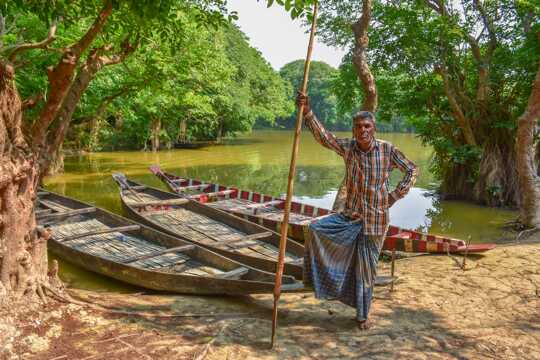
Most online blurbs sell Sundarbans as a tiger-sighting safari; the reality is you’ll probably see more mudskippers than big cats, and almost everything happens from a boat, not on foot. The Indian side of the Sundarbans sits in southern West Bengal, where the Ganges and Brahmaputra finally give up and spill into the Bay of Bengal. For backpackers, it’s less “hiking trip” and more “slow, swampy river expedition”: dense mangroves, eerie silence, crocodiles, birds, and humid air that drains your energy fast. Access is via chaotic river ports, permits and boat fees add up, and true budget stays are basic village guesthouses rather than wild camping. Compared with places like Kaziranga or Corbett, Sundarbans is harder, murkier, less photogenic—but far more atmospheric if you like raw, tidal wilderness over easy wins.

Discover everything you want to know in the 📖 India Travel Guide.


Get your India guide
162 ranked highlights, routes & tips, works offline (498 pages)
Loading the map 🌍
CLICK TO FILTER
cities
towns
villages
landmarks
national parks
hikes
beaches
attractions
festivals
regions
SHOW COUNTRY’S BESTSHOW ALL

✨ Why go?
Ranked #8 national park in India
Why Sundarbans should be on your travel list

The Sundarbans in India attracts backpackers for several compelling reasons. First, it offers a chance for independent exploration. You can wander through the mangroves, spotting wildlife like the elusive Bengal tiger without the constraints of a guided tour.

Budget-conscious travelers appreciate the camping options and affordable hostels nearby, making it easy to stretch your funds. The park’s trail variety caters to different interests, from serene boat rides to rugged paths through dense forests.

Self-guided travelers thrive here; the park is designed for those who want to set their own pace. However, be aware of the hidden costs—permits and local guides can add up. Planning ahead helps you avoid these surprises, preserving your energy and budget for the moments that truly matter. The … read more 👉
The Sundarbans in India attracts backpackers for several compelling reasons. First, it offers a chance for independent exploration. You can wander through the mangroves, spotting wildlife like the elusive Bengal tiger without the constraints of a guided tour.

Budget-conscious travelers appreciate the camping options and affordable hostels nearby, making it easy to stretch your funds. The park’s trail variety caters to different interests, from serene boat rides to rugged paths through dense forests.

Self-guided travelers thrive here; the park is designed for those who want to set their own pace. However, be aware of the hidden costs—permits and local guides can add up. Planning ahead helps you avoid these surprises, preserving your energy and budget for the moments that truly matter. The Sundarbans isn’t just a destination; it’s an experience that rewards those willing to navigate its complexities.
Want to include Sundarbans in your India route?
Create a personalized India itinerary that includes Sundarbans and the places that fit your trip — based on your travel style, budget, and available time. Get your route in seconds.

Generate my trip

💡 HighlightsDon't-miss highlights and experiences

  • Royal Bengal Tiger — The Sundarbans’ claim to fame: the world’s only large tiger population that lives in mangroves. Spotting one is rare and electrifying; most sightings happen from boats at a distance, so expect thrilling glimpses rather than safari-style close-ups.
  • Mangrove forest and Sundari trees — Endless tangles of roots, salt-tolerant Sundari and Gewa trees, and that thick, otherworldly green canopy. The ecosystem itself is the main attraction — it’s living geology, tidal rhythms, and a whole web of life you won’t see anywhere else.
  • Creek cruises at sunrise/sunset — Narrow creeks lined with dripping roots, mirrored water, and changing light make these boat trips quietly magical; birds, monkeys and the occasional mammal show up, and the colors are unforgettable. Personal favorite
read more 👉
  • Royal Bengal Tiger — The Sundarbans’ claim to fame: the world’s only large tiger population that lives in mangroves. Spotting one is rare and electrifying; most sightings happen from boats at a distance, so expect thrilling glimpses rather than safari-style close-ups.
  • Mangrove forest and Sundari trees — Endless tangles of roots, salt-tolerant Sundari and Gewa trees, and that thick, otherworldly green canopy. The ecosystem itself is the main attraction — it’s living geology, tidal rhythms, and a whole web of life you won’t see anywhere else.
  • Creek cruises at sunrise/sunset — Narrow creeks lined with dripping roots, mirrored water, and changing light make these boat trips quietly magical; birds, monkeys and the occasional mammal show up, and the colors are unforgettable. Personal favorite — nothing beats a sunrise glide when the forest wakes up.
  • Sajnekhali Wildlife Sanctuary and watchtower — A handy spot for beginners: an interpretation center, feeding ponds, and a watchtower that gives a clear view over surrounding creeks and bird activity. Good for quick wildlife orientation without being on the main boat all day.
  • Netidhopani archaeological site — Low, mossy ruins and a short walk through scrubby forest give you a taste of the area’s human history and local legends. It’s one of the few places where you can combine a little hiking with nature and culture in one stop.
  • Birdlife and migratory species — Herons, egrets, kingfishers, ospreys and seasonal migratory visitors make this a top spot for birders. Even non-birders will enjoy the variety and the noisy colonies you’ll stumble across in the trees.
  • Estuarine wildlife: dolphins, crocodiles and mudflats — Look for estuarine dolphins slapping the surface, sunning saltwater crocodiles, crab tracks on tidal flats and scores of small creatures that keep the food web humming. It’s the gritty, wild side of the delta — raw and fascinating.
Spotted a mistake or missing something? Contact us.

Things to do near Sundarbans

Ratings based on Tripadvisor reviews. When you book through this link, you support our work at no extra cost to you.

🌤️ When to go?Best time to explore Sundarbans


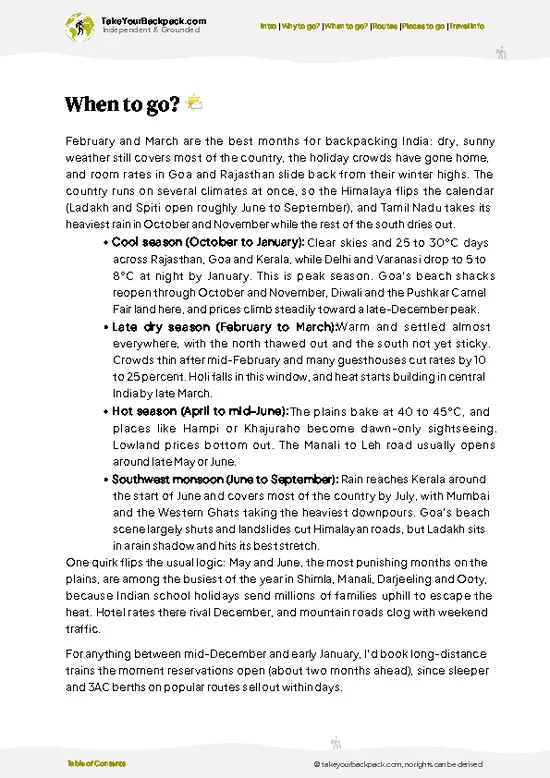
  • Topic: Weather – The Sundarbans are best visited between November and February when the weather is dry and cool. Avoid the monsoon season (June to September) as heavy rains flood trails and make boat travel risky.

  • Topic: Temperature – During the ideal months, temperatures hover between 15°C to 25°C (59°F to 77°F), offering comfortable conditions for trekking and wildlife spotting without the oppressive heat or humidity of summer.

  • Topic: Daylight Hours – Expect about 10 to 11 hours of daylight in winter, enough time to explore without rushing but not so long that you’re stuck out after dark in a dense mangrove forest.

  • Topic: Crowds – Tourist numbers peak in the dry season, especially around December and January holidays. For a quieter experience, aim for November or February when the
read more 👉

  • Topic: Weather – The Sundarbans are best visited between November and February when the weather is dry and cool. Avoid the monsoon season (June to September) as heavy rains flood trails and make boat travel risky.

  • Topic: Temperature – During the ideal months, temperatures hover between 15°C to 25°C (59°F to 77°F), offering comfortable conditions for trekking and wildlife spotting without the oppressive heat or humidity of summer.

  • Topic: Daylight Hours – Expect about 10 to 11 hours of daylight in winter, enough time to explore without rushing but not so long that you’re stuck out after dark in a dense mangrove forest.

  • Topic: Crowds – Tourist numbers peak in the dry season, especially around December and January holidays. For a quieter experience, aim for November or February when the park feels less crowded but conditions remain favorable.

  • Topic: Seasonal Activities – Wildlife sightings, especially of the elusive Royal Bengal tiger, improve in the dry season as animals gather near water sources. Boat safaris and guided treks operate fully during this window.

  • Topic: Price Fluctuations – Accommodation and tour prices rise during peak months (December-January). Booking in shoulder months like November or February can save money without sacrificing the experience.


Pro-tip: Plan your visit just after the monsoon ends; the landscape is lush, wildlife is active, and you’ll dodge the worst crowds and prices.


source: climatestotravel.comJANJanuary: excellent for travelingFEBFebruary: highly recommended for travelingMARMarch: good for travelingAPRApril: fair for travelingMAYMay: fair for travelingJUNJune: below average for travelingJULJuly: below average for travelingAUGAugust: below average for travelingSEPSeptember: below average for travelingOCTOctober: good for travelingNOVNovember: excellent for travelingDECDecember: excellent for traveling
Bangladesh&India - Sundarbans

✈️ The backpacker research shortcutIndia Travel Guide

An offline-friendly backpacking guide with optimized travel routes, ranked highlights, transport advice, and the best areas to stay.
example page 0 from our offline Travel Guide for India
example page 1 from our offline Travel Guide for India
example page 2 from our offline Travel Guide for India
example page 3 from our offline Travel Guide for India
example page 4 from our offline Travel Guide for India
example page 5 from our offline Travel Guide for India
example page 6 from our offline Travel Guide for India
example page 7 from our offline Travel Guide for India
The digital guide (498 pages) contains:
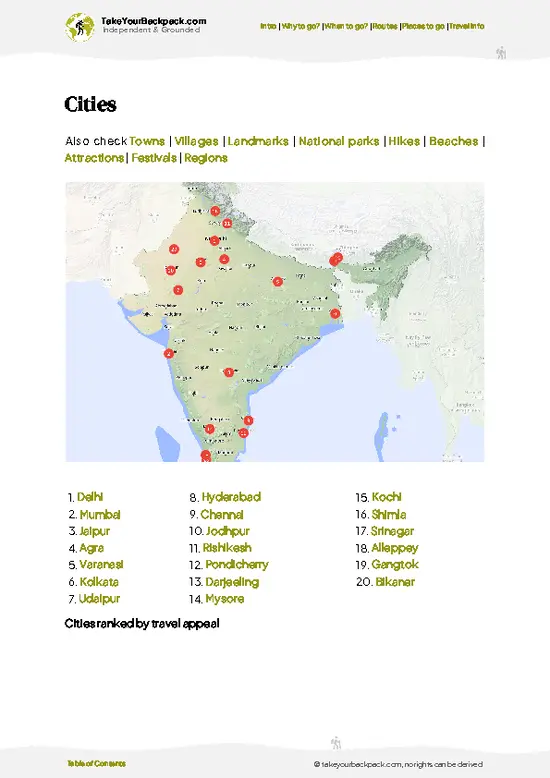
162 highlights, ranked by travel appeal
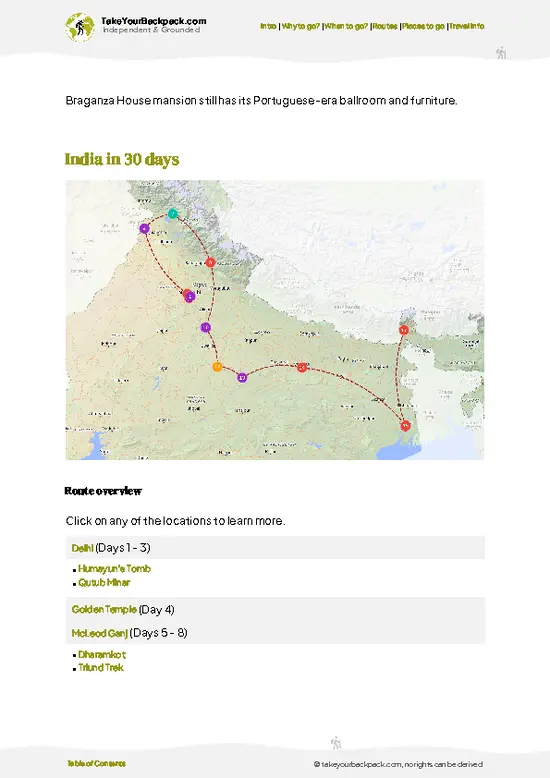
Optimized 14, 21 & 30-day travel routes
Cities, national parks, landmarks, beaches
How to get around
Offline-friendly for travel without Wi-Fi
👉 Click to see all 30+ guide features

📅 Plan smarter in minutes, not weeks
Month by month travel advice
Festivals & national holidays
Budget expectations

🗺️ Go to the right places, skip the overrated ones
Honest pros & cons of destinations
Top hikes, parks & viewpoints
Lesser-known places most travelers miss
Clear “worth it vs skip it” guidance

🛏️ Travel smoothly without rookie mistakes
Best areas to stay
Transport systems explained simply
Common scams & safety advice
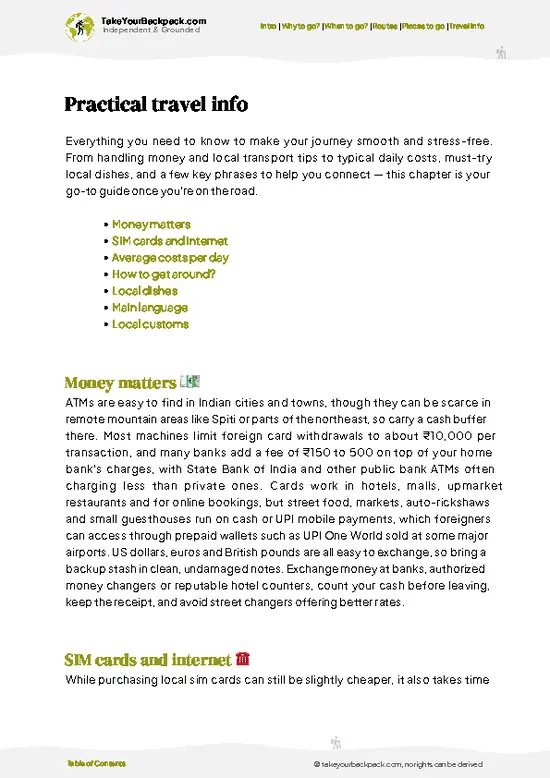
SIM cards, money & practical tips

🌍 Understand the country, not just visit it
Culture & traditions
52 Essential phrases & customs
Festivals worth planning around
Traveler-friendly historical context
Insights that make places more meaningful

📱 Built for real travel conditions
Fully downloadable PDF
Works completely offline
Optimized for phone use
Useful in remote areas & buses
Everything in one place
Save weeks of stressful planning
Get instant access to your full guide. 30‑day money-back guarantee.
+ Add another guide for just US$7.80

By proceeding you agree to our terms.
Sent to your inbox immediately after payment • 100% Secure Checkout
Best Backpacking Travel Advisor 2025 tourism awardBest Backpacking
Travel Advisor
2025
What others say about Take Your Backpack Guides:
⭐⭐⭐⭐⭐
Fantastic, amazing amount of information!
⭐⭐⭐⭐⭐
My goodness this is amazing, it's what I've been looking for hats off too you!
⭐⭐⭐⭐⭐
I think this is absolutely BRILLIANT
⭐⭐⭐⭐
Very complete and informative. It's still missing places, but I gotta to commend you
⭐⭐⭐⭐⭐
This is truly amazing, thank you, can't wait to explore it with my kids!
⭐⭐⭐⭐⭐
Awesome resource, thank you!
⭐⭐⭐⭐⭐
This is amazing! Can't wait to explore the ones I haven't seen
⭐⭐⭐⭐
I love this! Well done, great idea.
⭐⭐⭐⭐⭐
Thanks for taking the time to make this gem!
⭐⭐⭐⭐⭐
This might be the best website I've ever seen.
⭐⭐⭐⭐⭐
Congratulations, and thank you so much for your work; it's incredibly valuable.
⭐⭐⭐⭐
In all seriousness I think you did a great job pointing out the important spots
⭐⭐⭐⭐⭐
10/10 very good
⭐⭐⭐⭐⭐
As someone who's only just starting to visit regularly this is awesome, thank you.
⭐⭐⭐⭐
Thank you very much! I'm going to visit my dad, it's going to be very useful!
⭐⭐⭐⭐⭐
This is really cool! We'll be travelling for the first time and this definitely come in handy.
⭐⭐⭐⭐⭐
You are now our minister of culture, congratulations 👨‍💼
⭐⭐⭐⭐⭐
Just wanted to tell you that this is a pearl! Going to follow your recommendations.
⭐⭐⭐⭐⭐
This is so cool. I'll definitely be using the resource for my travels soon.
⭐⭐⭐⭐⭐
This is very impressive! Good work.
⭐⭐⭐⭐⭐
This is an amazing and informative site. Very well done!

🛏️ Where to stay?Choosing the right base

For backpackers heading to the Sundarbans, options are limited but solid. Inside the national park, accommodations are basic but functional. The Forest Department runs a few eco-cottages, which offer a unique chance to stay close to nature. These are often booked in advance, so plan ahead.

If you prefer more amenities, head to nearby towns like Gosaba or Canning. Gosaba has a few budget guesthouses that provide a local experience. Canning, slightly larger, offers more choices, including homestays that let you connect with the community.

Be aware that transportation can be tricky. Expect to … read more 👉
For backpackers heading to the Sundarbans, options are limited but solid. Inside the national park, accommodations are basic but functional. The Forest Department runs a few eco-cottages, which offer a unique chance to stay close to nature. These are often booked in advance, so plan ahead.

If you prefer more amenities, head to nearby towns like Gosaba or Canning. Gosaba has a few budget guesthouses that provide a local experience. Canning, slightly larger, offers more choices, including homestays that let you connect with the community.

Be aware that transportation can be tricky. Expect to navigate a mix of boats and rickshaws, which can eat into your time and budget. Always confirm prices upfront to avoid surprises.

Pack your patience; the pace here is slow, and that’s part of the charm. Focus on the wildlife and the serene landscapes rather than the logistics. This mindset will help you conserve energy for the moments that truly matter.

👛 Costs (as of 4 September 2026)Money, prices, and spending tips

Visiting the Sundarbans National Park in India requires some careful budgeting. Here’s what you need to know to avoid surprises.

Entry fees for the park are around $5 to $10 per person. This fee can vary based on whether you’re a domestic or foreign visitor.

If you plan to take a guided tour, expect to pay between $30 and $100 per day. This usually includes a boat ride, a guide, and sometimes meals. Prices can spike during peak season, so booking in advance is wise.

Accommodation options range from budget lodges at about $15 to $30 per night to more comfortable resorts that can cost $100 or more. Keep in mind that staying in the park itself may be pricier but offers a unique experience.

Transportation to the park can add up. If you’re coming from Kolkata, a train ticket will set you back … read more 👉
Visiting the Sundarbans National Park in India requires some careful budgeting. Here’s what you need to know to avoid surprises.

Entry fees for the park are around $5 to $10 per person. This fee can vary based on whether you’re a domestic or foreign visitor.

If you plan to take a guided tour, expect to pay between $30 and $100 per day. This usually includes a boat ride, a guide, and sometimes meals. Prices can spike during peak season, so booking in advance is wise.

Accommodation options range from budget lodges at about $15 to $30 per night to more comfortable resorts that can cost $100 or more. Keep in mind that staying in the park itself may be pricier but offers a unique experience.

Transportation to the park can add up. If you’re coming from Kolkata, a train ticket will set you back around $5 to $15, while a private car hire could cost $50 to $100, depending on the distance and vehicle type.

Food is generally affordable, with local meals costing around $2 to $5. However, if you’re dining at higher-end places, budget for $10 to $20 per meal.

Plan for additional costs like tips for guides and boat crews, which can be around $5 to $10 per day.

By keeping these figures in mind, you can allocate your budget effectively and focus on the experience rather than the expenses.


source: incredibleindia.org
⚠️ Prices can change and everyone travels differently, so take this as a rough guide. Hope it helps you plan your adventure!

🥾 TrailsExploring Sundarbans: trails, terrain, and views

The Sundarbans isn’t your typical hiking destination; it’s more about navigating the intricate waterways and mangrove forests than hitting well-trodden trails. The terrain is a mix of mudflats, dense mangroves, and tidal rivers, which makes for a unique experience. You won’t find towering peaks here, but the lush greenery and the chance to spot the elusive Bengal tiger or a saltwater crocodile make it pretty special.

For those looking to explore on foot, there are a few designated areas where you can stretch your legs. One such spot is the Bakkhali Trail:
  • Length: 5 km
  • Estimated Duration: 2-3 hours
  • Difficulty
read more 👉
The Sundarbans isn’t your typical hiking destination; it’s more about navigating the intricate waterways and mangrove forests than hitting well-trodden trails. The terrain is a mix of mudflats, dense mangroves, and tidal rivers, which makes for a unique experience. You won’t find towering peaks here, but the lush greenery and the chance to spot the elusive Bengal tiger or a saltwater crocodile make it pretty special.

For those looking to explore on foot, there are a few designated areas where you can stretch your legs. One such spot is the Bakkhali Trail:
  • Length: 5 km
  • Estimated Duration: 2-3 hours
  • Difficulty Level: Moderate
  • Key Features: Scenic views of the mangroves, birdwatching opportunities, and a chance to see local wildlife.
  • Terrain: Mostly flat with some muddy patches; wear sturdy shoes!

Getting to the Sundarbans can be a bit of an adventure in itself. You can take a train to Canning, then hop on a local bus or a shared auto-rickshaw to reach the entry points. It’s not exactly a direct route, but it adds to the experience. Expect some crowds, especially during peak season, as it’s a popular spot for both tourists and locals. The entrance fee is quite reasonable, but it’s worth checking current rates before you go, as they can change. Just remember to pack your patience and a sense of wonder—this place is all about the journey!
⚠️ Hiking info can sometimes be outdated or inaccurate. Before you hit the trail, check the latest conditions with locals. If you do spot anything that's off, I'd love to hear from you, so I can update it for fellow travelers.

🛡️ SafetySafety Tips and Common Scams in Sundarbans

The Sundarbans is a unique landscape, and while it’s generally manageable for backpackers, a few realities can catch you off guard. The weather can shift quickly; sudden rain can make trails muddy and slippery. Pack waterproof gear and be ready to adjust your plans.

Terrain varies from flat paths to areas with dense vegetation. Navigation can be tricky, so a reliable map or GPS is essential. Footing can be unstable, especially near water, so take your time and watch your step.

Wildlife encounters are part of the experience. While the region is home to the elusive Bengal tiger, sightings are rare. Still, respect the wildlife by keeping your distance and not feeding animals.

Preparation is key. Bring insect repellent and stay hydrated. Plan your hikes for early morning or late afternoon … read more 👉
The Sundarbans is a unique landscape, and while it’s generally manageable for backpackers, a few realities can catch you off guard. The weather can shift quickly; sudden rain can make trails muddy and slippery. Pack waterproof gear and be ready to adjust your plans.

Terrain varies from flat paths to areas with dense vegetation. Navigation can be tricky, so a reliable map or GPS is essential. Footing can be unstable, especially near water, so take your time and watch your step.

Wildlife encounters are part of the experience. While the region is home to the elusive Bengal tiger, sightings are rare. Still, respect the wildlife by keeping your distance and not feeding animals.

Preparation is key. Bring insect repellent and stay hydrated. Plan your hikes for early morning or late afternoon to avoid the heat. With these insights, you’ll preserve your energy and budget for the moments that truly matter.

FAQCommon questions from travelers

3 to 4 days are ideal to explore the Sundarbans thoroughly, allowing time for boat safaris, wildlife spotting, and visiting local villages. This duration covers major zones like Sajnekhali and Sudhanyakhali. Longer stays are recommended for birdwatchers or those wanting a relaxed pace.
Yes, you can visit Sundarbans without a car. Most travelers reach the park via public transport or shared taxis to nearby towns like Gosaba or Canning, then take boats into the forest. Local ferries and motorboats are common for navigating the waterways within the park.
Yes, an entry permit is required to visit Sundarbans, issued by the Forest Department. The permit fee is around 200-300 INR per person, and additional charges apply for boat safaris. Permits must be arranged in advance through authorized tour operators or government offices.
⚠️ Things can change over time, so always validate details locally before you go.

Other Indian national parks near Sundarbans

Explore more nearby:


💡 Not sure where to go next?
Create a personalized itinerary for India including Sundarbans and the places that fit your trip.

Generate my itinerary

👉 Discover all national parks

Or checkout all India has to offer (think cities, towns, villages, national parks, hikes, beaches, festivals)
Country photo of India

We 💚 feedbackSumming up the experience

The Sundarbans are a wild, untamed beauty, where the mangroves breathe life into the landscape and the chance to spot a Royal Bengal tiger is genuinely thrilling. But be prepared: navigating the waterways can be tricky, and the humidity is relentless. Bring your patience and a solid plan. It’s worth it for the raw experience, but don’t underestimate the challenges. They’ll test your resolve, but that’s part of the adventure.

✈️ When did I visit India?
As part of my 1.5 year travel around the world trip, I visited India in December 2015.

✍️ Help improve this page!
The information on this page is based on my own backpacking experience in India, supplemented with up-to-date research and feedback from other travelers. Travel details can change, so if you notice anything outdated or incomplete, feel free to let me know.


🙋‍♂️ Give feedback

👋 Meet the founderWho’s Behind Take Your Backpack?

Johan, backpacker and founder of TakeYourBackpackHi, I’m Johan (Netherlands 🇳🇱), the creator of TakeYourBackpack. Over the past decade, I’ve backpacked through 80+ countries across six continents, gaining extensive experience with independent travel, long-term trips, and overland routes.

This site is built on a combination of firsthand travel experience and carefully curated insights from other backpackers. Many guides are based on places I’ve personally visited, while others bring together tips, observations, and practical advice shared by trusted travelers I’ve met along the way.

The goal is to provide realistic, experience-driven guidance — not generic itineraries — so you can explore destinations with better context, clearer expectations, and more confidence.

Get full India guide •
Instant download • 162 highlights • Full Offline guide