×

India🇮🇳 | regionsWestern Ghats Mountainsshola forests, endemic wildlife, escarpment views | things to do and best time to go

Explore WayanadExplore Cherrapunji

Backpacking in Western Ghats Mountains
👍 Recommendedregion ranked #8
By Johan Kruseman 🇳🇱 | Updated September 4, 2026

Most people online sell the Western Ghats as “India’s green lungs,” but what they skip is that this range is basically a whole parallel backpacker route hiding behind the classic Goa–Rajasthan–Himalaya circuit. The Ghats run like a spine down India’s west side, from just north of Mumbai through Maharashtra, Goa, Karnataka, and Kerala into Tamil Nadu. For backpackers, it’s a trade: less famous, more effort, way richer payoff. You get misty tea hills in Munnar, rainforest and serious trekking in Kudremukh, cheap homestays around Wayanad, and beach–jungle combos near Gokarna that feel far more low-key than Goa. Buses are slow, trains are patchy, and monsoon can wreck your schedule, but if you’re willing to swap speed and comfort for character, this region feels a lot more real than the polished coastal resort strip.

Discover everything you want to know in the 📖 India Travel Guide.


Get your India guide
162 ranked highlights, routes & tips, works offline (498 pages)
Loading the map 🌍
CLICK TO FILTER
cities
towns
villages
landmarks
national parks
hikes
beaches
attractions
festivals
regions
SHOW COUNTRY’S BESTSHOW ALL

✨ Why go?
Ranked #8 region in India
The unique appeal for travelers

The Western Ghats Mountains in India are a backpacker’s playground, offering a variety of landscapes that keep your senses buzzing. You can hike through lush tea plantations, explore dense forests, or chill by tranquil waterfalls—all without the hassle of constant relocation. This region is a transport dream; local buses and shared taxis make it easy to hop between towns like Munnar and Ooty, giving you the freedom to explore at your own pace.

What’s even better? You can seamlessly mix nature and culture. Spend a morning trekking, then dive into local cuisine at a roadside eatery in the afternoon. This is slow travel at its finest, allowing you to soak in the vibe rather than rush through it. The Western Ghats are not just a destination; they’re a chance to experience India’s heart and soul, … read more 👉
The Western Ghats Mountains in India are a backpacker’s playground, offering a variety of landscapes that keep your senses buzzing. You can hike through lush tea plantations, explore dense forests, or chill by tranquil waterfalls—all without the hassle of constant relocation. This region is a transport dream; local buses and shared taxis make it easy to hop between towns like Munnar and Ooty, giving you the freedom to explore at your own pace.

What’s even better? You can seamlessly mix nature and culture. Spend a morning trekking, then dive into local cuisine at a roadside eatery in the afternoon. This is slow travel at its finest, allowing you to soak in the vibe rather than rush through it. The Western Ghats are not just a destination; they’re a chance to experience India’s heart and soul, all while enjoying the comforts of a well-connected region.
Want to include Western Ghats Mountains in your India route?
Create a personalized India itinerary that includes Western Ghats Mountains and the places that fit your trip — based on your travel style, budget, and available time. Get your route in seconds.

Generate my trip

💡 HighlightsWhat this place is best known for

  1. Eravikulam National Park (Munnar) — Home of the Nilgiri tahr and the rare Neelakurinji blooms, this high-altitude shola-grassland mosaic feels uniquely Himalayan-in-the-tropics. The landscape — rolling hills, mist, and endemic plants — is something you won’t find anywhere outside the southern Western Ghats.
  2. Silent Valley National Park — One of India’s last patches of pristine, undisturbed tropical evergreen forest; you go for the cathedral-like canopy, endemic wildlife (think lion-tailed macaque), and the story of a conservation fight that actually saved a forest. It’s raw, quiet, and ecologically priceless.
  3. Kudremukh Peak & Range — A jagged iron-ore ridge turned into sweeping grasslands and streams; the multi-day trek crosses open meadows, forest patches and surprising viewpoints. The
read more 👉
  1. Eravikulam National Park (Munnar) — Home of the Nilgiri tahr and the rare Neelakurinji blooms, this high-altitude shola-grassland mosaic feels uniquely Himalayan-in-the-tropics. The landscape — rolling hills, mist, and endemic plants — is something you won’t find anywhere outside the southern Western Ghats.
  2. Silent Valley National Park — One of India’s last patches of pristine, undisturbed tropical evergreen forest; you go for the cathedral-like canopy, endemic wildlife (think lion-tailed macaque), and the story of a conservation fight that actually saved a forest. It’s raw, quiet, and ecologically priceless.
  3. Kudremukh Peak & Range — A jagged iron-ore ridge turned into sweeping grasslands and streams; the multi-day trek crosses open meadows, forest patches and surprising viewpoints. The feel is wild and uncluttered — more raw landscape than polished hill station.
  4. Agumbe Rainforest & Sunset Point (hidden gem) — My personal favorite. A tiny village sitting in one of the wettest rainforests in India, with narrow roads, waterfalls on every monsoon bend, a long history of herpetology work (king cobras), and insanely dramatic sunsets over the valley. It’s compact, local, and properly wild — not a tourist circus.
  5. Chembra Peak, Wayanad — That heart-shaped lake on the climb is real and oddly photogenic; the trek gives wide views over tea slopes, forests and plateaus unique to Wayanad. Combine it with local tribal markets and you get both landscape and culture in one outing.
  6. Edakkal Caves, Wayanad — Prehistoric petroglyphs carved into a hilltop boulder: simple, human, and oddly intimate compared to big archaeological sites. The short climb, the view and the stone art make it an offbeat cultural stop that tells the region’s deep human story.
  7. Valparai & the Anamalai Sholas (hidden gem) — Misty tea estates that back straight into shola forests and animal corridors — fewer crowds than Munnar but equal atmosphere. Drive the hairpin roads at dawn and you’ll see elephant tracks, endemic birds and a living tea-plantation culture that still feels local.
  8. Biligiriranga (BR) Hills (hidden gem) — A transition zone where Eastern and Western Ghats species meet; tribal villages, compact jungles, and a quiet wildlife sanctuary with great early-morning safaris. The mix of ecosystems and the strong local presence give it a character different from mainstream parks.
  9. Parambikulam Tiger Reserve & Community Stays — A model of hands-on conservation where reserve landscape, rivers and village life interlock; boat safaris, guided treks and community-run homestays make the wildlife experience rooted in local stewardship. It’s a Western Ghats trip that rewards slow travel and respectful interaction.
  10. Amboli Ghat, Maharashtra (hidden gem) — A small, misty ghat with sudden waterfalls, slippery trails, and endemic butterflies and frogs; excellent during monsoon when everything turns green and atmospheric. Low tourism footprint means you often have viewpoints and streams to yourself.
Spotted a mistake or missing something? Contact us.

Things to do near Western Ghats Mountains

Ratings based on Tripadvisor reviews. When you book through this link, you support our work at no extra cost to you.

⌛️ 5 days5-day itinerary for Western Ghats Mountains

Day 1: Munnar
Munnar is your gateway into the Western Ghats. The winding roads here are a thrill, but they also dictate your pace. You’ll want to arrive early to soak in the lush tea plantations and cool mountain air. Spend the day exploring the local markets and sipping on fresh cardamom tea. The vibe is relaxed, setting the tone for your adventure.

Day 2: Munnar to Thekkady
This leg is about two hours, but it’s packed with potential. The drive to Thekkady is scenic, with plenty of roadside stops for photos. Thekkady is known for its Periyar Wildlife Sanctuary. You can opt for a guided boat tour or a nature walk. Both offer a chance to see elephants and other wildlife. This day is about immersing yourself in nature, so take your time.

Day 3: Thekkady to Alleppey
A three-hour drive … read more 👉
Day 1: Munnar
Munnar is your gateway into the Western Ghats. The winding roads here are a thrill, but they also dictate your pace. You’ll want to arrive early to soak in the lush tea plantations and cool mountain air. Spend the day exploring the local markets and sipping on fresh cardamom tea. The vibe is relaxed, setting the tone for your adventure.

Day 2: Munnar to Thekkady
This leg is about two hours, but it’s packed with potential. The drive to Thekkady is scenic, with plenty of roadside stops for photos. Thekkady is known for its Periyar Wildlife Sanctuary. You can opt for a guided boat tour or a nature walk. Both offer a chance to see elephants and other wildlife. This day is about immersing yourself in nature, so take your time.

Day 3: Thekkady to Alleppey
A three-hour drive brings you to Alleppey, the heart of Kerala’s backwaters. Here, you can rent a houseboat for a night. This is where comfort meets adventure. Floating through the canals, you’ll witness local life unfold. Don’t rush this; it’s a chance to unwind and absorb the tranquility.

Day 4: Alleppey to Wayanad
Wayanad is a bit of a trek, about four hours, but it’s worth it. The landscape shifts dramatically, and you’ll find yourself in a more rugged terrain. Explore the Edakkal Caves for ancient petroglyphs. This detour adds depth to your trip, connecting you to the region’s history.

Day 5: Wayanad
Spend your last day hiking to the waterfalls or visiting local spice plantations. This is the cherry on top of your journey. You’ve navigated through stunning landscapes, and now you can savor the flavors of the region.

The must-do day? Day 3 in Alleppey. The houseboat experience is iconic and encapsulates the essence of Kerala. It’s a moment you’ll carry with you long after the trip ends.
Turn your Western Ghats Mountains visit into an India adventure
Build a complete India route with Western Ghats Mountains, hidden gems, must-see destinations, and realistic travel times included.

Generate my trip

🌤️ When to go?Seasonal considerations and timing


  • Topic: Weather – The Western Ghats shine best from October to March. Post-monsoon freshness means lush greenery without the relentless rain. Temperatures hover between 15°C to 30°C (59°F to 86°F), perfect for trekking without sweating buckets or freezing your toes off.

  • Topic: Temperature – Nights can dip to a crisp 10°C (50°F) in higher altitudes during winter, so pack a light jacket. Daytime warmth is comfortable, rarely exceeding 30°C (86°F), making long hikes doable without overheating.

  • Topic: Daylight Hours – Expect roughly 10 to 12 hours of daylight. Early mornings and late afternoons are golden hours for photography and cooler treks, so plan your hikes accordingly.

  • Topic: Crowds – Peak season means more tourists, especially around popular spots like Munnar and Coorg. For a quieter
read more 👉

  • Topic: Weather – The Western Ghats shine best from October to March. Post-monsoon freshness means lush greenery without the relentless rain. Temperatures hover between 15°C to 30°C (59°F to 86°F), perfect for trekking without sweating buckets or freezing your toes off.

  • Topic: Temperature – Nights can dip to a crisp 10°C (50°F) in higher altitudes during winter, so pack a light jacket. Daytime warmth is comfortable, rarely exceeding 30°C (86°F), making long hikes doable without overheating.

  • Topic: Daylight Hours – Expect roughly 10 to 12 hours of daylight. Early mornings and late afternoons are golden hours for photography and cooler treks, so plan your hikes accordingly.

  • Topic: Crowds – Peak season means more tourists, especially around popular spots like Munnar and Coorg. For a quieter vibe, aim for shoulder months—October or March—when the crowds thin but the weather stays sweet.

  • Topic: Seasonal Activities – Post-monsoon is prime for waterfalls and blooming wildflowers. Winter months host local festivals and spice harvests, adding cultural spice to your trek.

  • Topic: Price Fluctuations – High season nudges prices up for accommodation and guided tours. Booking in shoulder months can score you better deals without sacrificing the experience.


Pro-tip: Hit the trails right after the monsoon (late September to October) to catch the Ghats at their greenest, with fewer tourists and wallet-friendly rates—like having the whole mountain range to yourself.


source: climatestotravel.comJANJanuary: excellent for travelingFEBFebruary: excellent for travelingMARMarch: highly recommended for travelingAPRApril: fair for travelingMAYMay: fair for travelingJUNJune: below average for travelingJULJuly: below average for travelingAUGAugust: below average for travelingSEPSeptember: good for travelingOCTOctober: excellent for travelingNOVNovember: excellent for travelingDECDecember: excellent for traveling
when-to-go

✈️ The backpacker research shortcutIndia Travel Guide

An offline-friendly backpacking guide with optimized travel routes, ranked highlights, transport advice, and the best areas to stay.
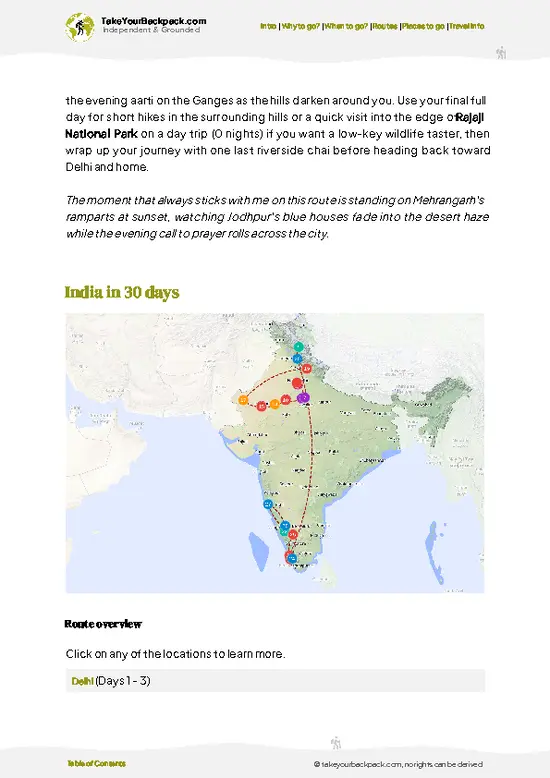
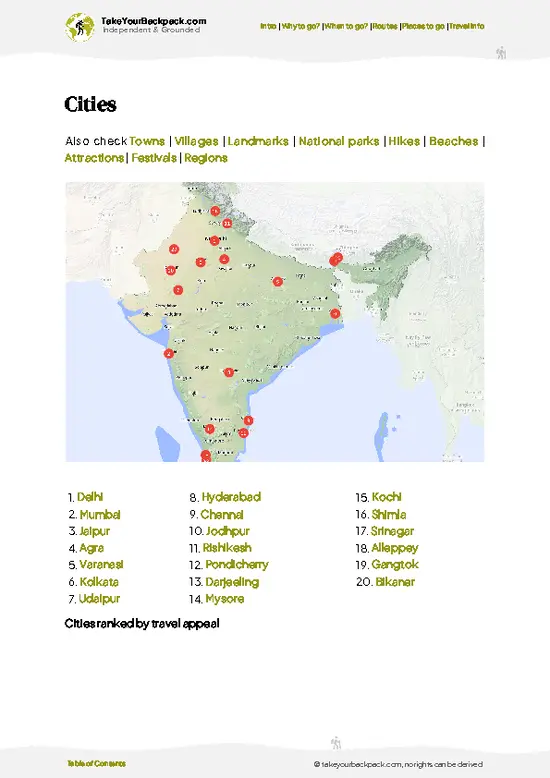
example page 0 from our offline Travel Guide for India
example page 1 from our offline Travel Guide for India
example page 2 from our offline Travel Guide for India
example page 3 from our offline Travel Guide for India
example page 4 from our offline Travel Guide for India
example page 5 from our offline Travel Guide for India
example page 6 from our offline Travel Guide for India
example page 7 from our offline Travel Guide for India
The digital guide (498 pages) contains:
162 highlights, ranked by travel appeal
Optimized 14, 21 & 30-day travel routes
Cities, national parks, landmarks, beaches
How to get around
Offline-friendly for travel without Wi-Fi
👉 Click to see all 30+ guide features

📅 Plan smarter in minutes, not weeks
Month by month travel advice
Festivals & national holidays
Budget expectations

🗺️ Go to the right places, skip the overrated ones
Honest pros & cons of destinations
Top hikes, parks & viewpoints
Lesser-known places most travelers miss
Clear “worth it vs skip it” guidance

🛏️ Travel smoothly without rookie mistakes
Best areas to stay
Transport systems explained simply
Common scams & safety advice
SIM cards, money & practical tips

🌍 Understand the country, not just visit it
Culture & traditions
52 Essential phrases & customs
Festivals worth planning around
Traveler-friendly historical context
Insights that make places more meaningful

📱 Built for real travel conditions
Fully downloadable PDF
Works completely offline
Optimized for phone use
Useful in remote areas & buses
Everything in one place
Save weeks of stressful planning
Get instant access to your full guide. 30‑day money-back guarantee.
+ Add another guide for just US$7.80

By proceeding you agree to our terms.
Sent to your inbox immediately after payment • 100% Secure Checkout
Best Backpacking Travel Advisor 2025 tourism awardBest Backpacking
Travel Advisor
2025
What others say about Take Your Backpack Guides:
⭐⭐⭐⭐⭐
Fantastic, amazing amount of information!
⭐⭐⭐⭐⭐
My goodness this is amazing, it's what I've been looking for hats off too you!
⭐⭐⭐⭐⭐
I think this is absolutely BRILLIANT
⭐⭐⭐⭐
Very complete and informative. It's still missing places, but I gotta to commend you
⭐⭐⭐⭐⭐
This is truly amazing, thank you, can't wait to explore it with my kids!
⭐⭐⭐⭐⭐
Awesome resource, thank you!
⭐⭐⭐⭐⭐
This is amazing! Can't wait to explore the ones I haven't seen
⭐⭐⭐⭐
I love this! Well done, great idea.
⭐⭐⭐⭐⭐
Thanks for taking the time to make this gem!
⭐⭐⭐⭐⭐
This might be the best website I've ever seen.
⭐⭐⭐⭐⭐
Congratulations, and thank you so much for your work; it's incredibly valuable.
⭐⭐⭐⭐
In all seriousness I think you did a great job pointing out the important spots
⭐⭐⭐⭐⭐
10/10 very good
⭐⭐⭐⭐⭐
As someone who's only just starting to visit regularly this is awesome, thank you.
⭐⭐⭐⭐
Thank you very much! I'm going to visit my dad, it's going to be very useful!
⭐⭐⭐⭐⭐
This is really cool! We'll be travelling for the first time and this definitely come in handy.
⭐⭐⭐⭐⭐
You are now our minister of culture, congratulations 👨‍💼
⭐⭐⭐⭐⭐
Just wanted to tell you that this is a pearl! Going to follow your recommendations.
⭐⭐⭐⭐⭐
This is so cool. I'll definitely be using the resource for my travels soon.
⭐⭐⭐⭐⭐
This is very impressive! Good work.
⭐⭐⭐⭐⭐
This is an amazing and informative site. Very well done!

🛏️ Where to stay?How to pick the right area

The Western Ghats are a treasure trove for backpackers, and choosing the right spot can elevate your experience.

Start in Munnar. This hill station is famous for its tea plantations and cool climate. You’ll find a mix of solo travelers and groups, all drawn to the stunning landscapes. The vibe is relaxed, and you can easily connect with others over a shared trek or a cup of chai.

Next up, Ooty. It’s a bit touristy, but the charm is undeniable. The botanical gardens and the vintage toy train ride are must-dos. The social scene here is lively, especially around the lakeside cafes.

Then there’s … read more 👉
The Western Ghats are a treasure trove for backpackers, and choosing the right spot can elevate your experience.

Start in Munnar. This hill station is famous for its tea plantations and cool climate. You’ll find a mix of solo travelers and groups, all drawn to the stunning landscapes. The vibe is relaxed, and you can easily connect with others over a shared trek or a cup of chai.

Next up, Ooty. It’s a bit touristy, but the charm is undeniable. The botanical gardens and the vintage toy train ride are must-dos. The social scene here is lively, especially around the lakeside cafes.

Then there’s Mahabaleshwar. Known for its viewpoints and strawberries, it’s a great base for exploring nearby waterfalls and hiking trails. The atmosphere is friendly, and you’ll often bump into fellow backpackers swapping stories.

Lastly, consider Kudremukh. Less traveled but rich in nature, it’s perfect for those seeking solitude. The trails here are less crowded, offering a chance to connect with nature and fellow adventurers.

Each of these spots offers a unique slice of the Western Ghats, balancing safety, social opportunities, and budget-friendly options. Choose wisely, and you’ll create memories that last a lifetime.

🚌 Getting aroundTransportation options and practical tips

The Western Ghats are a wild symphony of nature, where the rhythm of life dances between the chaos of bustling towns and the serene embrace of lush landscapes. Here, schedules are more like suggestions than rules. You’ll find yourself swept up in the vibrant energy of local markets, the aroma of street food wafting through the air, and the sound of laughter echoing off the hills. It’s a place where intuition guides your journey, and the unexpected becomes part of the adventure. You’re not just a traveler; you’re a participant in a living tapestry of culture and nature.


  • Local Buses: These are your lifeline for budget travel. They run frequently, usually from dawn until around 10 PM, with fares as low as ₹20-₹100 depending on distance. Expect a bumpy ride, but the views are worth it. Just
read more 👉
The Western Ghats are a wild symphony of nature, where the rhythm of life dances between the chaos of bustling towns and the serene embrace of lush landscapes. Here, schedules are more like suggestions than rules. You’ll find yourself swept up in the vibrant energy of local markets, the aroma of street food wafting through the air, and the sound of laughter echoing off the hills. It’s a place where intuition guides your journey, and the unexpected becomes part of the adventure. You’re not just a traveler; you’re a participant in a living tapestry of culture and nature.


  • Local Buses: These are your lifeline for budget travel. They run frequently, usually from dawn until around 10 PM, with fares as low as ₹20-₹100 depending on distance. Expect a bumpy ride, but the views are worth it. Just be ready for a bit of a squeeze during peak hours.


  • Shared Taxis (Maxi Cabs): A great option for hopping between towns. They operate on a flexible schedule, often leaving when full, and cost around ₹200-₹400 per seat. They’re faster than buses and offer a bit more comfort, but you might have to share the space with a few locals and their goods.


  • Motorbike Rentals: If you crave freedom, rent a motorbike for about ₹300-₹600 per day. This gives you the flexibility to explore at your own pace. Just be cautious; the roads can be tricky, especially in the monsoon. Fuel up and hit the winding roads for stunning views.


  • Trains: For longer distances, trains are a solid choice. They run from early morning until late evening, with prices ranging from ₹100 to ₹800 based on class. Opt for sleeper class for a more local experience, but book ahead during peak seasons.


For a tactical tip: always check local bus schedules the night before your travel day. They can change without notice, and knowing the latest info can save you hours of waiting. Embrace the flow, and let the Western Ghats unfold before you!

🍲 FoodWhat to Eat & Drink

In the Western Ghats, food is a vibrant tapestry of flavors that tells the story of the land. You can’t miss the spicy Malabar fish curry, a tangy delight that dances on your palate, or the appam, a soft, lacy pancake perfect for scooping up curries. Don’t forget to try puttu, a steamed rice cake layered with coconut, often enjoyed with banana or sugar.

For a true local experience, hit the street food stalls in bustling markets. The aroma of vada pav—a spicy potato fritter in a bun—fills the air, while chai stalls buzz with chatter and laughter. Grab a cup of strong, milky tea and soak in the lively atmosphere.

Dining here is communal. Expect to share tables and stories. It’s customary to eat with your hands, so dive in! Just remember to use your right hand—it’s a sign of respect. Embrace … read more 👉
In the Western Ghats, food is a vibrant tapestry of flavors that tells the story of the land. You can’t miss the spicy Malabar fish curry, a tangy delight that dances on your palate, or the appam, a soft, lacy pancake perfect for scooping up curries. Don’t forget to try puttu, a steamed rice cake layered with coconut, often enjoyed with banana or sugar.

For a true local experience, hit the street food stalls in bustling markets. The aroma of vada pav—a spicy potato fritter in a bun—fills the air, while chai stalls buzz with chatter and laughter. Grab a cup of strong, milky tea and soak in the lively atmosphere.

Dining here is communal. Expect to share tables and stories. It’s customary to eat with your hands, so dive in! Just remember to use your right hand—it’s a sign of respect. Embrace the chaos, savor the flavors, and you’ll leave with a full belly and a heart warmed by the camaraderie of the locals.

FAQCommon questions from travelers

7 to 10 days are ideal to explore the Western Ghats Mountains thoroughly. This allows time to visit key spots like Munnar, Coorg, and the Nilgiri Hills, including trekking and wildlife spotting. Shorter trips of 3-4 days can cover select areas but miss the full diversity.
You can get around the Western Ghats using local buses, shared jeeps, and trains connecting major towns. Many trekking routes and hill stations are accessible by public transport, with buses costing around 50-200 INR per trip. Hiring a scooter or bicycle is also common for short distances within towns.
The Western Ghats Mountains are known for their rich biodiversity, including many endemic species of plants and animals. They are a UNESCO World Heritage Site famous for tea and spice plantations, ancient temples, and scenic trekking trails. The region is also noted for its monsoon-fed waterfalls and wildlife sanctuaries.
⚠️ Things can change over time, so always validate details locally before you go.

Other Indian regions near Western Ghats Mountains

Explore more nearby:

  • Goa—coastal villages, seafood markets, Portuguese-era streets| 60 km away
  • Chikmagalur—coffee estates, misty hills, forest trails| 343 km away
  • Wayanad—tropical rainforests, spice plantations, tribal hamlets| 505 km away

💡 Not sure where to go next?
Create a personalized itinerary for India including Western Ghats Mountains and the places that fit your trip.

Generate my itinerary

👉 Discover all regions

Or checkout all India has to offer (think cities, towns, villages, national parks, hikes, beaches, festivals)
Country photo of India

We 💚 feedbackKey takeaways before you go

The Western Ghats are a treasure trove of biodiversity and stunning landscapes. Imagine trekking through lush tea plantations, where the air is thick with the scent of fresh leaves. But here’s the catch: the weather can be unpredictable. Monsoon season can turn trails into slippery challenges. Pack wisely and embrace the adventure. It’s all part of the experience that makes this region so special. Just be ready for a little chaos along the way.

✈️ When did I visit India?
As part of my 1.5 year travel around the world trip, I visited India in December 2015.

✍️ Help improve this page!
The information on this page is based on my own backpacking experience in India, supplemented with up-to-date research and feedback from other travelers. Travel details can change, so if you notice anything outdated or incomplete, feel free to let me know.


🙋‍♂️ Give feedback

👋 Meet the founderWho’s Behind Take Your Backpack?

Johan, backpacker and founder of TakeYourBackpackHi, I’m Johan (Netherlands 🇳🇱), the creator of TakeYourBackpack. Over the past decade, I’ve backpacked through 80+ countries across six continents, gaining extensive experience with independent travel, long-term trips, and overland routes.

This site is built on a combination of firsthand travel experience and carefully curated insights from other backpackers. Many guides are based on places I’ve personally visited, while others bring together tips, observations, and practical advice shared by trusted travelers I’ve met along the way.

The goal is to provide realistic, experience-driven guidance — not generic itineraries — so you can explore destinations with better context, clearer expectations, and more confidence.

Get full India guide •
Instant download • 162 highlights • Full Offline guide