×

Indonesia🇮🇩 | attractionsGoa Gajahrock-cut cave, ancient carvings, bathing pools | things to do and best time to go

Explore Sacred Monkey Forest SanctuaryExplore Tirta Empul Temple

Backpacking in Goa Gajah
👍 Recommendedattraction ranked #15
By Johan Kruseman 🇳🇱 | Updated June 8, 2026

Forget the Instagram myth: Goa Gajah isn’t some sprawling, mystical temple complex lost in the Balinese jungle. It’s a compact, centuries-old cave with a gaping demon mouth for an entrance, tucked just outside Ubud, Bali, Indonesia. Here’s the truth: you’ll share the site with busloads of day-trippers and a steady stream of sarong-clad selfie hunters. But if you can tune out the crowds, the place hums with a weird, ancient energy—part Hindu, part Buddhist, all mysterious. The carvings are weathered but fierce, and the mossy courtyards feel like they’ve seen a thousand monsoons. It’s cheap to enter, easy to reach, and takes less than an hour to explore. Goa Gajah won’t blow your mind like Borobudur or Prambanan, but for a quick hit of Balinese history and a dash of the surreal, it’s worth squeezing in.

Discover everything you want to know in the 📖 Indonesia Travel Guide.
Loading the map 🌍
CLICK TO FILTER
cities
towns
landmarks
national parks
hikes
beaches
attractions
festivals
regions
SHOW COUNTRY’S BESTSHOW ALL

✨ Why go?
Ranked #15 attraction in Indonesia
What makes it a must-see attraction

Goa Gajah is not some Instagram backdrop where you snap and dash. Yes, it gets crowded, especially midday, and the entrance fee isn’t pocket change for a budget backpacker. But here’s the kicker: this site is a raw slice of Indonesia’s layered history that no filter can capture. The elephant cave itself, carved in the 11th century, isn’t just a relic—it’s a portal into ancient Hindu and Buddhist beliefs that shaped Bali’s soul. The intricate stone faces and the eerie, moss-covered statues demand more than a glance; they demand respect and curiosity. It’s a checkpoint on the classic Bali route where you pause, breathe, and actually feel the weight of centuries. The effort to navigate the uneven paths and dodge the tourist groups pays off with a genuine connection to the island’s spiritual roots. … read more 👉
Goa Gajah is not some Instagram backdrop where you snap and dash. Yes, it gets crowded, especially midday, and the entrance fee isn’t pocket change for a budget backpacker. But here’s the kicker: this site is a raw slice of Indonesia’s layered history that no filter can capture. The elephant cave itself, carved in the 11th century, isn’t just a relic—it’s a portal into ancient Hindu and Buddhist beliefs that shaped Bali’s soul. The intricate stone faces and the eerie, moss-covered statues demand more than a glance; they demand respect and curiosity. It’s a checkpoint on the classic Bali route where you pause, breathe, and actually feel the weight of centuries. The effort to navigate the uneven paths and dodge the tourist groups pays off with a genuine connection to the island’s spiritual roots. Backpackers who skip Goa Gajah miss a milestone—a moment where history and culture punch through the usual beach-and-party narrative.
Want to include Goa Gajah in your Indonesia route?
Create a personalized Indonesia itinerary that includes Goa Gajah and the places that fit your trip — based on your travel style, budget, and available time. Get your route in seconds.

Generate my trip

💡 HighlightsKey sights and experiences for travelers

The Demon Mouth Cave Entrance
Forget the Instagram close-ups—standing in front of that gaping, mossy demon mouth is a different animal. The carved face isn’t just a photo op; it’s a centuries-old warning, a portal into Bali’s tangled history of animism, Hinduism, and Buddhist influence. The mouth is barely tall enough for an adult to duck through, and the stone is slick with humidity and incense smoke. It’s theatrical, a little eerie, and absolutely the main event. If you want a selfie, fine, but take a second to feel the temperature drop as you step inside. That’s the real magic.


The Inner Cave and Lingam-Yoni Shrine
Inside, the cave is cramped, smoky, and surprisingly quiet. You’ll find a trio of stone idols and a lingam-yoni altar—symbols of Shiva and Shakti, male and female energy. It’s … read more 👉
The Demon Mouth Cave Entrance
Forget the Instagram close-ups—standing in front of that gaping, mossy demon mouth is a different animal. The carved face isn’t just a photo op; it’s a centuries-old warning, a portal into Bali’s tangled history of animism, Hinduism, and Buddhist influence. The mouth is barely tall enough for an adult to duck through, and the stone is slick with humidity and incense smoke. It’s theatrical, a little eerie, and absolutely the main event. If you want a selfie, fine, but take a second to feel the temperature drop as you step inside. That’s the real magic.


The Inner Cave and Lingam-Yoni Shrine
Inside, the cave is cramped, smoky, and surprisingly quiet. You’ll find a trio of stone idols and a lingam-yoni altar—symbols of Shiva and Shakti, male and female energy. It’s not a grand temple; it’s more like a spiritual bunker. The air is thick with offerings and the scent of burning flowers. This is where you see the living, breathing side of Balinese Hinduism—locals still come here to pray, not just pose.


The Bathing Pools and Guardian Statues
Out front, six stone nymphs pour water into ancient pools. These aren’t just decorative; they’re believed to purify the soul. The pools were only excavated in the 1950s, so you’re looking at a site that’s still revealing itself. The statues are battered but dignified, and if you catch the morning light, the water glows green and gold. It’s a rare spot where you can actually feel the layers of history—pre-Hindu, Hindu, colonial, and modern Bali—all colliding.


The Jungle Ravine and Rice Terraces
Here’s where the tour groups thin out. Walk past the main temple and you’ll find a lush ravine, thick with vines and the sound of running water. There’s a half-forgotten Buddhist temple down here, plus mossy rice terraces that look like something out of a Miyazaki film. It’s humid, buggy, and a little wild—my personal favorite. If you want to escape the crowds and see what Bali felt like before the tour buses, this is your window.


The Ritual Offerings and Daily Life
Skip the urge to rush. Watch the locals lay out their canang sari—tiny, colorful offerings of flowers, rice, and incense. This isn’t staged for tourists. It’s a living ritual, performed with the same care as it was centuries ago. The scent, the smoke, the quiet focus of the worshippers—this is the heartbeat of Goa Gajah, and it’s what separates a real visit from a checklist stop.
Spotted a mistake or missing something? Contact us.

Things to do around Goa Gajah

Ratings based on Tripadvisor reviews. When you book through this link, you support our work at no extra cost to you.

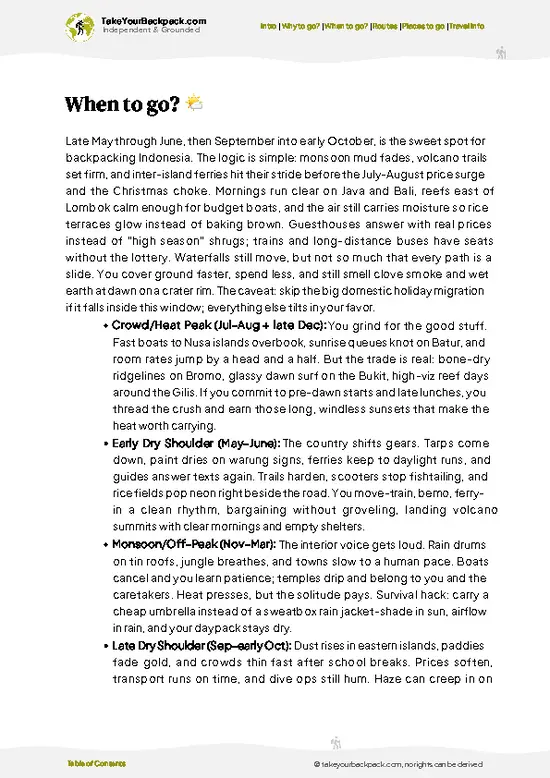
🌤️ When to go?When to go for the best experience


  • Topic: Weather – The dry season from May to September is your best bet. Expect less rain, which means fewer muddy trails and a more pleasant visit. The wet season, October to April, brings heavy showers that can wash out your plans and make the site slippery and less enjoyable.

  • Topic: Temperature – Temperatures hover between 26°C to 32°C (79°F to 90°F) year-round. It’s warm but manageable if you hit the site early morning or late afternoon to avoid the midday heat that can sap your energy.

  • Topic: Daylight Hours – Around 11 to 12 hours of daylight throughout the year. Arrive early, ideally by 8 AM, to beat the crowds and catch the soft morning light that brings out the carvings’ details.

  • Topic: Crowds – Peak tourist season (July and August) means throngs of visitors and higher prices.
read more 👉

  • Topic: Weather – The dry season from May to September is your best bet. Expect less rain, which means fewer muddy trails and a more pleasant visit. The wet season, October to April, brings heavy showers that can wash out your plans and make the site slippery and less enjoyable.

  • Topic: Temperature – Temperatures hover between 26°C to 32°C (79°F to 90°F) year-round. It’s warm but manageable if you hit the site early morning or late afternoon to avoid the midday heat that can sap your energy.

  • Topic: Daylight Hours – Around 11 to 12 hours of daylight throughout the year. Arrive early, ideally by 8 AM, to beat the crowds and catch the soft morning light that brings out the carvings’ details.

  • Topic: Crowds – Peak tourist season (July and August) means throngs of visitors and higher prices. If you want space to breathe and reflect, aim for shoulder months like May or September when the crowds thin out but the weather stays dry.

  • Topic: Seasonal Activities – No major festivals directly at Goa Gajah, but Bali’s cultural calendar peaks in June and July, adding a richer context if you time your visit then. Just be ready for more tourists.

  • Topic: Price Fluctuations – Entrance fees remain stable, but accommodation and transport costs spike during the dry season and peak months. Booking ahead in May or September can save you a bundle.


Pro-tip: Hit Goa Gajah early in the dry season’s shoulder months—May or September—for the perfect blend of weather, fewer crowds, and wallet-friendly prices.


source: climatestotravel.comJANJanuary: fair for travelingFEBFebruary: fair for travelingMARMarch: fair for travelingAPRApril: fair for travelingMAYMay: excellent for travelingJUNJune: highly recommended for travelingJULJuly: good for travelingAUGAugust: good for travelingSEPSeptember: excellent for travelingOCTOctober: fair for travelingNOVNovember: fair for travelingDECDecember: fair for traveling
when-to-go

✈️ The backpacker research shortcutIndonesia Travel Guide

An offline-friendly backpacking guide with optimized travel routes, ranked highlights, transport advice, and the best areas to stay.
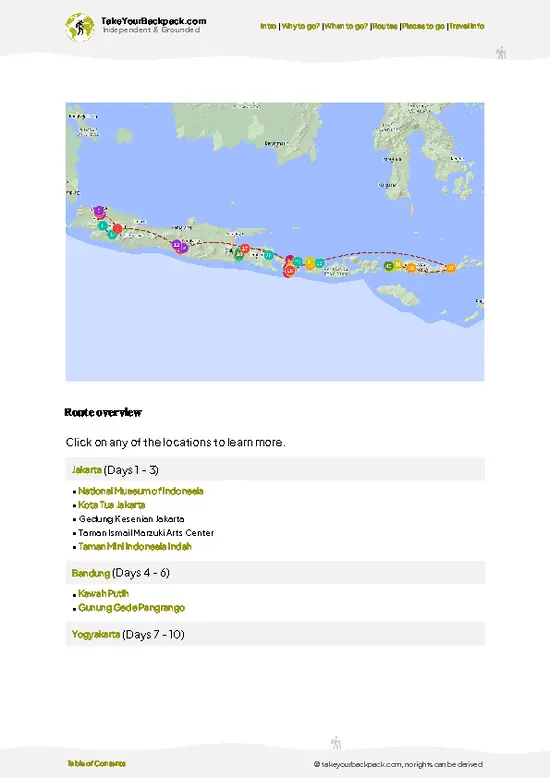
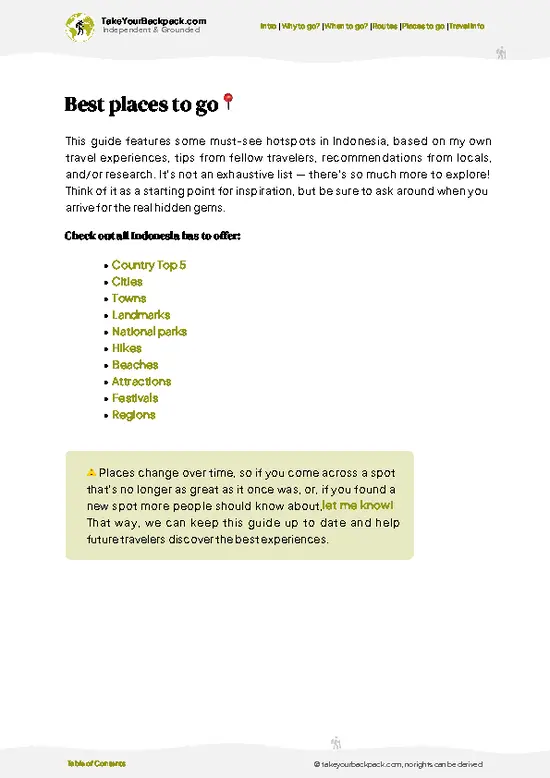
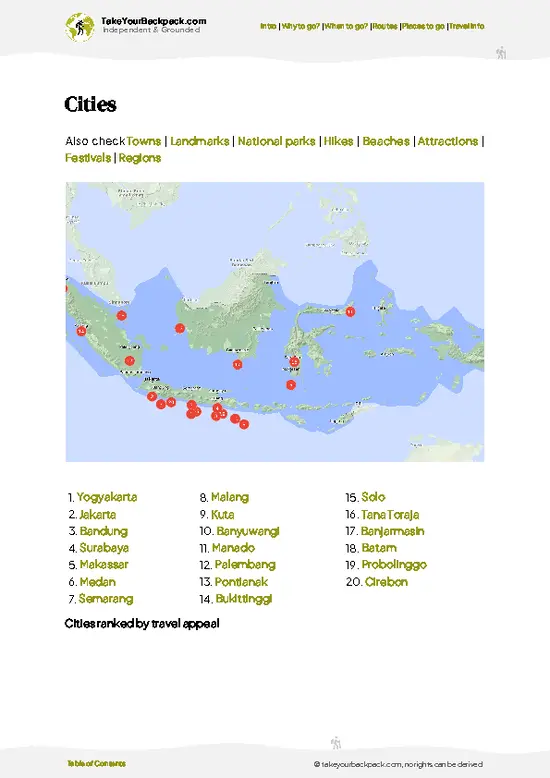
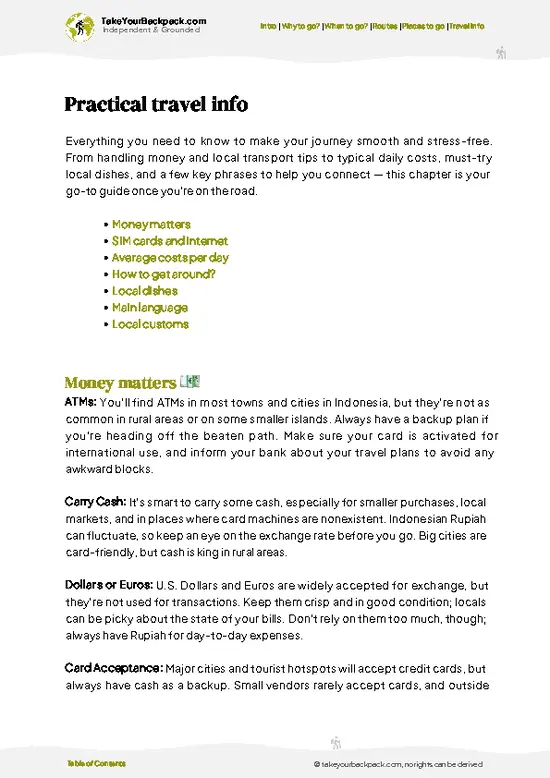
example page 0 from our offline Travel Guide for Indonesia
example page 1 from our offline Travel Guide for Indonesia
example page 2 from our offline Travel Guide for Indonesia
example page 3 from our offline Travel Guide for Indonesia
example page 4 from our offline Travel Guide for Indonesia
example page 5 from our offline Travel Guide for Indonesia
example page 6 from our offline Travel Guide for Indonesia
example page 7 from our offline Travel Guide for Indonesia
The digital guide (550 pages) contains:
155 highlights, ranked by travel appeal
Optimized 14, 21 & 30-day travel routes
Cities, national parks, landmarks, beaches
How to get around
Offline-friendly for travel without Wi-Fi
👉 Click to see all 30+ guide features

📅 Plan smarter in minutes, not weeks
Month by month travel advice
Festivals & national holidays
Budget expectations

🗺️ Go to the right places, skip the overrated ones
Honest pros & cons of destinations
Top hikes, parks & viewpoints
Lesser-known places most travelers miss
Clear “worth it vs skip it” guidance

🛏️ Travel smoothly without rookie mistakes
Best areas to stay
Transport systems explained simply
Common scams & safety advice
SIM cards, money & practical tips

🌍 Understand the country, not just visit it
Culture & traditions
52 Essential phrases & customs
Festivals worth planning around
Traveler-friendly historical context
Insights that make places more meaningful

📱 Built for real travel conditions
Fully downloadable PDF
Works completely offline
Optimized for phone use
Useful in remote areas & buses
Everything in one place
Save weeks of stressful planning
Get instant access to your full guide. 30‑day money-back guarantee.


By proceeding you agree to our terms.
Sent to your inbox immediately after payment • 100% Secure Checkout
Best Backpacking Travel Advisor 2025 tourism awardBest Backpacking
Travel Advisor
2025
What others say about Take Your Backpack Guides:
⭐⭐⭐⭐⭐
Fantastic, amazing amount of information!
⭐⭐⭐⭐⭐
My goodness this is amazing, it's what I've been looking for hats off too you!
⭐⭐⭐⭐⭐
I think this is absolutely BRILLIANT
⭐⭐⭐⭐
Very complete and informative. It's still missing places, but I gotta to commend you
⭐⭐⭐⭐⭐
This is truly amazing, thank you, can't wait to explore it with my kids!
⭐⭐⭐⭐⭐
Awesome resource, thank you!
⭐⭐⭐⭐⭐
This is amazing! Can't wait to explore the ones I haven't seen
⭐⭐⭐⭐
I love this! Well done, great idea.
⭐⭐⭐⭐⭐
Thanks for taking the time to make this gem!
⭐⭐⭐⭐⭐
This might be the best website I've ever seen.
⭐⭐⭐⭐⭐
Congratulations, and thank you so much for your work; it's incredibly valuable.
⭐⭐⭐⭐
In all seriousness I think you did a great job pointing out the important spots
⭐⭐⭐⭐⭐
10/10 very good
⭐⭐⭐⭐⭐
As someone who's only just starting to visit regularly this is awesome, thank you.
⭐⭐⭐⭐
Thank you very much! I'm going to visit my dad, it's going to be very useful!
⭐⭐⭐⭐⭐
This is really cool! We'll be travelling for the first time and this definitely come in handy.
⭐⭐⭐⭐⭐
You are now our minister of culture, congratulations 👨‍💼
⭐⭐⭐⭐⭐
Just wanted to tell you that this is a pearl! Going to follow your recommendations.
⭐⭐⭐⭐⭐
This is so cool. I'll definitely be using the resource for my travels soon.
⭐⭐⭐⭐⭐
This is very impressive! Good work.
⭐⭐⭐⭐⭐
This is an amazing and informative site. Very well done!

🛏️ Where to stay?Best areas and accommodation options

Goa Gajah isn’t some untouched sanctuary where you’ll have the place to yourself. It’s a magnet for day-trippers and tour groups, especially mid-morning. The crowds can be a grind, and entrance fees add up if you’re bouncing between Bali’s many temples. But here’s the kicker: the real draw isn’t just the carved cave or the elephant statues—it’s the vibe of the surrounding area.

If you want to stay close and keep your backpacker cred intact, focus on the villages of Bedulu and Pejeng. These spots are a solid 10-15 minute scooter ride from Goa Gajah, but they offer a quieter, more authentic Bali … read more 👉
Goa Gajah isn’t some untouched sanctuary where you’ll have the place to yourself. It’s a magnet for day-trippers and tour groups, especially mid-morning. The crowds can be a grind, and entrance fees add up if you’re bouncing between Bali’s many temples. But here’s the kicker: the real draw isn’t just the carved cave or the elephant statues—it’s the vibe of the surrounding area.

If you want to stay close and keep your backpacker cred intact, focus on the villages of Bedulu and Pejeng. These spots are a solid 10-15 minute scooter ride from Goa Gajah, but they offer a quieter, more authentic Bali experience. You’ll find homestays and guesthouses where locals run the show, and fellow travelers gather around shared meals or motorbike trips. It’s safe, social, and budget-friendly without the tourist trap feel of Ubud’s center.

Skip the flashy resorts and tourist-packed streets. Bedulu and Pejeng give you a chance to soak in Bali’s culture without the Instagram filter—real people, real stories, and a slower pace that makes the temple visit worth it.

👛 Costs (as of 18 December 2024)How expensive it really is

As of 2025, the entrance fee for Goa Gajah, also known as the Elephant Cave, is IDR 50,000 (approximately €3) for adults and IDR 25,000 (approximately €1.50) for children aged 5-11. This fee includes a sarong rental, which is mandatory for temple entry. Parking fees are additional: IDR 5,000 for cars and IDR 2,000 for scooters. The temple is open daily from 8:00 AM to 6:00 PM.

source: bali.com
⚠️ Prices can change and everyone travels differently, so take this as a rough guide. Hope it helps you plan your adventure!

Other Indonesian attractions near Goa Gajah

Explore more nearby:


💡 Not sure where to go next?
Create a personalized itinerary for Indonesia including Goa Gajah and the places that fit your trip.

Generate my itinerary

👉 Discover all attractions

Or checkout all Indonesia has to offer (think cities, towns, villages, national parks, hikes, beaches, festivals)
Country photo of Indonesia

We 💚 feedbackFinal thoughts on visiting Goa Gajah

Goa Gajah isn’t some quiet, untouched sanctuary—it’s a magnet for day-trippers, so expect crowds and a bit of noise. But here’s the kicker: the carved stone entrance, with its fierce demon face, hits you with a raw, ancient energy that no photo can capture. If you want a glimpse of Bali’s deep spiritual roots without the tourist gloss, this spot delivers—just come early or late to dodge the swarm.

✈️ When did I visit Indonesia?
As part of my 1.5 year travel around the world trip, I visited Indonesia twice (and it was worth it. First in September 2015 and a bit later again in January and February 2016.

✍️ Help improve this page!
The information on this page is based on my own backpacking experience in Indonesia, supplemented with up-to-date research and feedback from other travelers. Travel details can change, so if you notice anything outdated or incomplete, feel free to let me know.


🙋‍♂️ Give feedback

👋 Meet the founderWho’s Behind Take Your Backpack?

Johan, backpacker and founder of TakeYourBackpackHi, I’m Johan (Netherlands 🇳🇱), the creator of TakeYourBackpack. Over the past decade, I’ve backpacked through 80+ countries across six continents, gaining extensive experience with independent travel, long-term trips, and overland routes.

This site is built on a combination of firsthand travel experience and carefully curated insights from other backpackers. Many guides are based on places I’ve personally visited, while others bring together tips, observations, and practical advice shared by trusted travelers I’ve met along the way.

The goal is to provide realistic, experience-driven guidance — not generic itineraries — so you can explore destinations with better context, clearer expectations, and more confidence.

Get full Indonesia guide •
Instant download • 155 highlights • Full Offline guide