v2.webp)
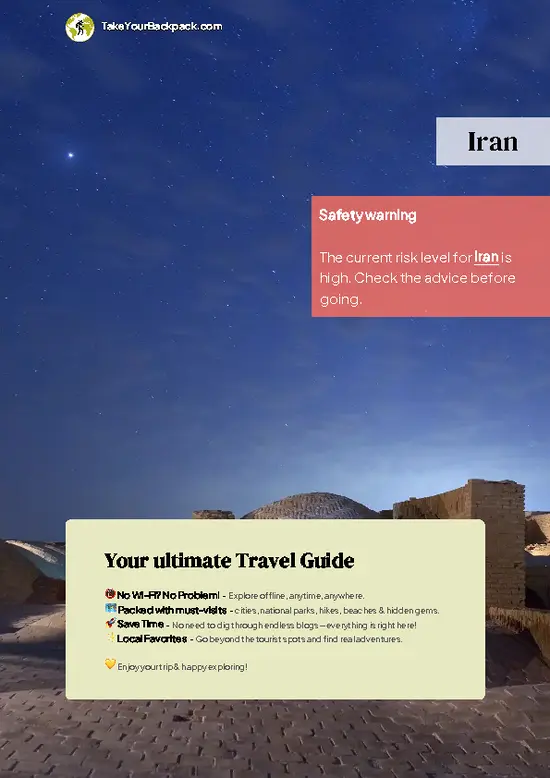
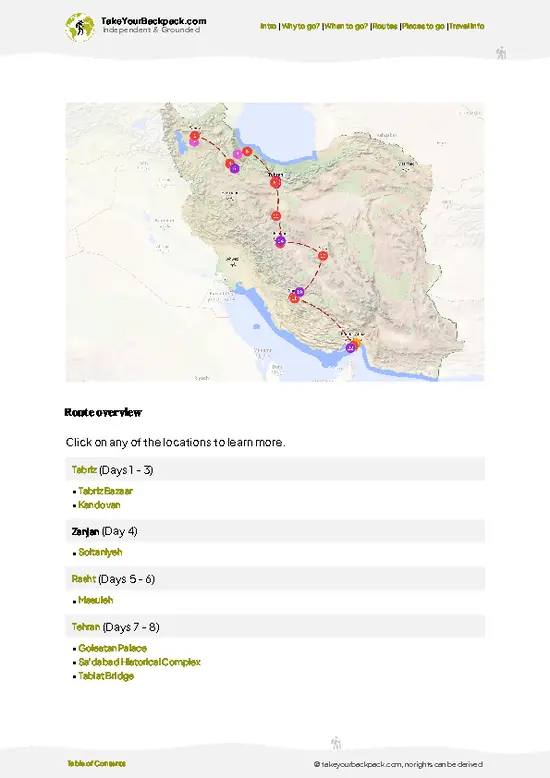
The Music Room (The Sound Room)
Forget the Instagram shots of the façade—Ali Qapu’s real showstopper is the top-floor Music Room. The ceiling isn’t just decorative; it’s a masterclass in acoustic engineering from the 17th century. Those weird, gourd-shaped cutouts? They’re not random. They’re designed to amplify and purify sound, so musicians could play and singers could be heard crystal-clear, even during royal parties packed with Safavid VIPs. Stand in the center and clap—there’s a ghostly echo that feels like the palace itself is applauding. No filter can capture that.
The Grand Terrace (The Balcony Over Naqsh-e Jahan Square)
This is the power seat of Isfahan. The terrace juts out over the square like a royal viewing box, and you’re standing exactly where Shah Abbas watched polo matches, … read more 👉
Forget the Instagram shots of the façade—Ali Qapu’s real showstopper is the top-floor Music Room. The ceiling isn’t just decorative; it’s a masterclass in acoustic engineering from the 17th century. Those weird, gourd-shaped cutouts? They’re not random. They’re designed to amplify and purify sound, so musicians could play and singers could be heard crystal-clear, even during royal parties packed with Safavid VIPs. Stand in the center and clap—there’s a ghostly echo that feels like the palace itself is applauding. No filter can capture that.
The Grand Terrace (The Balcony Over Naqsh-e Jahan Square)
This is the power seat of Isfahan. The terrace juts out over the square like a royal viewing box, and you’re standing exactly where Shah Abbas watched polo matches, … read more 👉
The Music Room (The Sound Room)
Forget the Instagram shots of the façade—Ali Qapu’s real showstopper is the top-floor Music Room. The ceiling isn’t just decorative; it’s a masterclass in acoustic engineering from the 17th century. Those weird, gourd-shaped cutouts? They’re not random. They’re designed to amplify and purify sound, so musicians could play and singers could be heard crystal-clear, even during royal parties packed with Safavid VIPs. Stand in the center and clap—there’s a ghostly echo that feels like the palace itself is applauding. No filter can capture that.
The Grand Terrace (The Balcony Over Naqsh-e Jahan Square)
This is the power seat of Isfahan. The terrace juts out over the square like a royal viewing box, and you’re standing exactly where Shah Abbas watched polo matches, military parades, and the daily theater of Persian life. The view is panoramic, but the real thrill is the sense of history under your feet—imagine the decisions made here that shaped an empire. Yes, you’ll share the space with other visitors, but the energy is electric, especially at sunset when the square glows and the city feels like it’s holding its breath.
The Spiral Staircases
Ali Qapu’s staircases are not for the faint-hearted or the claustrophobic. They’re narrow, steep, and twist in a way that feels more like a secret passage than a grand entrance. But that’s the point: these stairs were designed for security and drama. Climbing them is a rite of passage—your calves will burn, but you’ll feel like you’re sneaking through history, not just touring it. Every landing offers a new angle, a new slice of palace life.
The Frescoes and Miniatures
Skip the urge to rush to the top. The palace walls are a riot of color and detail—hunting scenes, feasts, and courtly intrigue painted with a precision that Instagram compression will murder. These aren’t just pretty backgrounds; they’re visual gossip columns from the Safavid era. Look for the musicians, dancers, and the sly humor tucked into the margins. The restoration is patchy in places, but that just adds to the sense of age and authenticity.
The Water Supply System
It’s easy to miss, but the palace’s water channels and fountains were an engineering flex. Water was piped up from the Zayandeh River, cooling the rooms and feeding the fountains. In a city that bakes in summer, this was luxury and necessity rolled into one. You can still trace the channels and imagine the sound of running water echoing through the halls—a detail that made royal life not just grand, but genuinely comfortable.
Forget the Instagram shots of the façade—Ali Qapu’s real showstopper is the top-floor Music Room. The ceiling isn’t just decorative; it’s a masterclass in acoustic engineering from the 17th century. Those weird, gourd-shaped cutouts? They’re not random. They’re designed to amplify and purify sound, so musicians could play and singers could be heard crystal-clear, even during royal parties packed with Safavid VIPs. Stand in the center and clap—there’s a ghostly echo that feels like the palace itself is applauding. No filter can capture that.
The Grand Terrace (The Balcony Over Naqsh-e Jahan Square)
This is the power seat of Isfahan. The terrace juts out over the square like a royal viewing box, and you’re standing exactly where Shah Abbas watched polo matches, military parades, and the daily theater of Persian life. The view is panoramic, but the real thrill is the sense of history under your feet—imagine the decisions made here that shaped an empire. Yes, you’ll share the space with other visitors, but the energy is electric, especially at sunset when the square glows and the city feels like it’s holding its breath.
The Spiral Staircases
Ali Qapu’s staircases are not for the faint-hearted or the claustrophobic. They’re narrow, steep, and twist in a way that feels more like a secret passage than a grand entrance. But that’s the point: these stairs were designed for security and drama. Climbing them is a rite of passage—your calves will burn, but you’ll feel like you’re sneaking through history, not just touring it. Every landing offers a new angle, a new slice of palace life.
The Frescoes and Miniatures
Skip the urge to rush to the top. The palace walls are a riot of color and detail—hunting scenes, feasts, and courtly intrigue painted with a precision that Instagram compression will murder. These aren’t just pretty backgrounds; they’re visual gossip columns from the Safavid era. Look for the musicians, dancers, and the sly humor tucked into the margins. The restoration is patchy in places, but that just adds to the sense of age and authenticity.
The Water Supply System
It’s easy to miss, but the palace’s water channels and fountains were an engineering flex. Water was piped up from the Zayandeh River, cooling the rooms and feeding the fountains. In a city that bakes in summer, this was luxury and necessity rolled into one. You can still trace the channels and imagine the sound of running water echoing through the halls—a detail that made royal life not just grand, but genuinely comfortable.
Spotted a mistake or missing something? Contact us.

 Best Backpacking
.jpg) Hi, I’m Johan (Netherlands 🇳🇱), the creator of TakeYourBackpack. Over the past 3 decades, I’ve backpacked through 90+ countries across six continents, gaining extensive experience with independent travel, long-term trips, and overland routes.
Hi, I’m Johan (Netherlands 🇳🇱), the creator of TakeYourBackpack. Over the past 3 decades, I’ve backpacked through 90+ countries across six continents, gaining extensive experience with independent travel, long-term trips, and overland routes.