v2.webp)
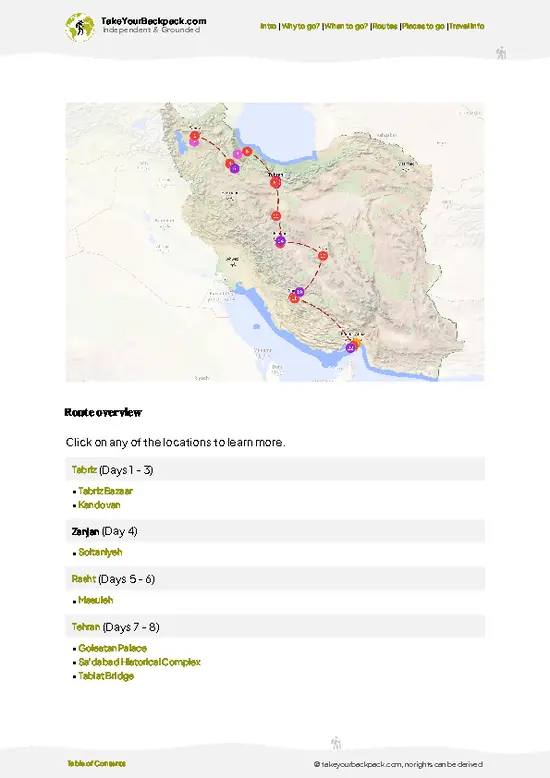
- Naqsh-e Jahan (Imam) Square — The enormous Safavid-era plaza that still shapes city life: vendors, tea shops, horse riders, and superb views of surrounding monuments. Great for people-watching and getting oriented — arrive early for light on the tiles and fewer crowds.
- Shah (Imam) Mosque — A masterpiece of Safavid tilework and dome geometry; the blues and turquoise change with the sun and the interior mosaics are staggering up close. Don’t just photograph the entrance — spend time inside to see the play of light in the muqarnas.
- Sheikh Lotfollah Mosque — Smaller and quieter than the Shah Mosque, this private royal mosque has one of the most refined domes in Iran and intricate, subtle tile patterns that feel almost jewel-like. It’s intimate and surprisingly peaceful despite being on the
- Naqsh-e Jahan (Imam) Square — The enormous Safavid-era plaza that still shapes city life: vendors, tea shops, horse riders, and superb views of surrounding monuments. Great for people-watching and getting oriented — arrive early for light on the tiles and fewer crowds.
- Shah (Imam) Mosque — A masterpiece of Safavid tilework and dome geometry; the blues and turquoise change with the sun and the interior mosaics are staggering up close. Don’t just photograph the entrance — spend time inside to see the play of light in the muqarnas.
- Sheikh Lotfollah Mosque — Smaller and quieter than the Shah Mosque, this private royal mosque has one of the most refined domes in Iran and intricate, subtle tile patterns that feel almost jewel-like. It’s intimate and surprisingly peaceful despite being on the main square.
- Ali Qapu Palace — Climb to the upper halls for frescoes, stucco “music rooms,” and a balcony that looks straight over Naqsh-e Jahan Square. The view and the carved wooden interiors give a good sense of courtly life in Safavid times.
- Chehel Sotoun — The “Forty Columns” pavilion set in a formal garden with a long reflecting pool; inside are large courtly frescoes and mirror work that narrate Safavid ceremonies and battles. It’s a quieter palace visit with beautiful photo ops around the pool.
- Jameh Mosque of Isfahan (Friday Mosque) — A living architectural timeline: layers from the 8th century onward, impressive brickwork, multiple iwans and ornamental vaulting. If you like seeing how a city’s architecture accumulates history, this is the place.
- Qeysarieh Bazaar (Grand Bazaar) — A maze of covered lanes where you’ll find carpets, metalwork, spices, and small workshops still practicing traditional crafts like khatam (inlaid work). Great for hunting souvenirs, watching artisans, and sampling street snacks.
- Vank (Holy Savior) Cathedral, New Julfa — In the Armenian quarter, Vank mixes Persian motifs with Christian iconography; its gilded frescoes and small museum tell a different side of Isfahan’s multicultural past. Walk the surrounding lanes for coffee shops and Armenian bakeries.
- Khaju Bridge — More than a river crossing: a social stage of arches, tilework and a pavilion where locals gather at dusk to drink tea, sing, or just hang out. Visit at sunset to see beautiful reflections in the Zayandeh River and hear musicians if you’re lucky.
- Monar Jonban (Shaking Minarets) — A compact, quirky site where one minaret’s movement transmits to the twin; the “shake” is an odd, memorable demonstration of old engineering. It’s simple, accessible, and a fun change of pace from palaces and mosques.
Spotted a mistake or missing something? Contact us.

 Best Backpacking
.jpg) Hi, I’m Johan (Netherlands 🇳🇱), the creator of TakeYourBackpack. Over the past 3 decades, I’ve backpacked through 90+ countries across six continents, gaining extensive experience with independent travel, long-term trips, and overland routes.
Hi, I’m Johan (Netherlands 🇳🇱), the creator of TakeYourBackpack. Over the past 3 decades, I’ve backpacked through 90+ countries across six continents, gaining extensive experience with independent travel, long-term trips, and overland routes.