v2.webp)
Taq-e Bostan
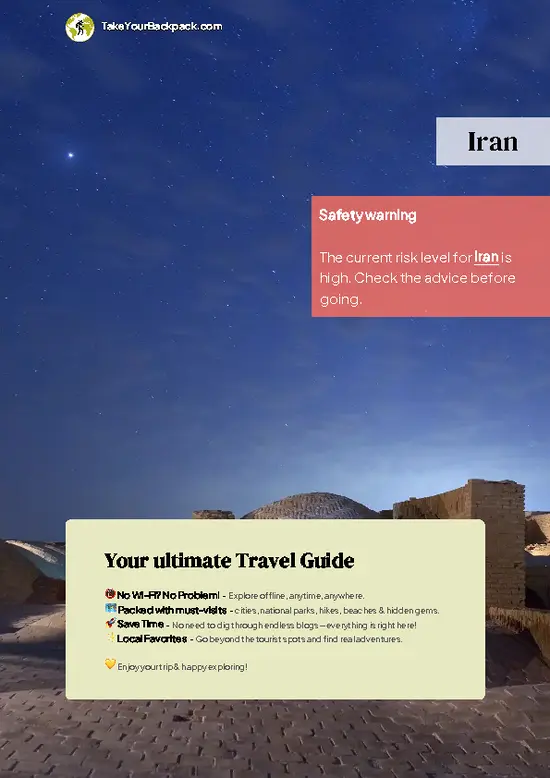
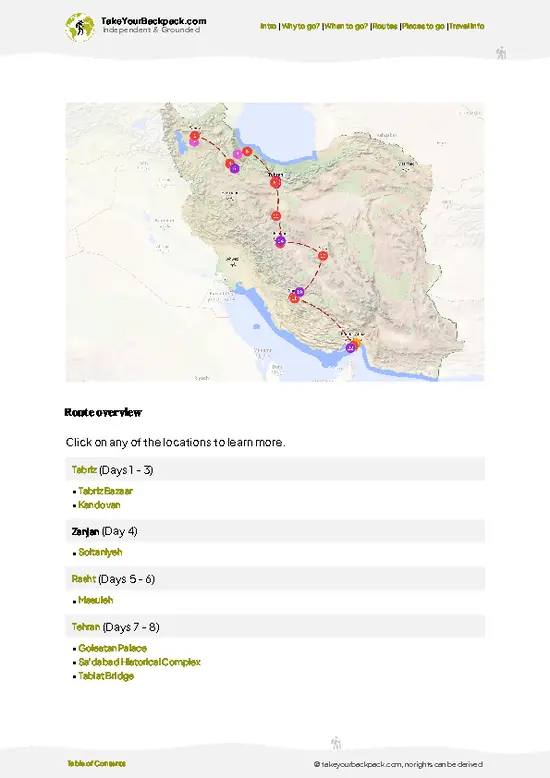
This ancient rock relief complex is Kermanshah’s calling card. Sassanian kings carved their power into the cliff face—think of it as Iran’s answer to Mount Rushmore, but with more horses and less subtlety. Go early morning or late afternoon for the best light and fewer crowds. Entry is inexpensive, and you’ll want 1-2 hours to soak in the details and the lakeside park atmosphere.
Tekyeh Moaven al-Molk
A riot of color and storytelling, this Qajar-era religious building is covered in glazed tiles depicting everything from epic battles to scenes of Karbala. It’s a crash course in Iranian narrative art and Shia history, all in one compact site. Visit mid-morning to catch the sun on the tiles. Entry is modest; 45-60 minutes is enough unless you’re a tilework fanatic.
Traditional Bazaar … read more 👉
This ancient rock relief complex is Kermanshah’s calling card. Sassanian kings carved their power into the cliff face—think of it as Iran’s answer to Mount Rushmore, but with more horses and less subtlety. Go early morning or late afternoon for the best light and fewer crowds. Entry is inexpensive, and you’ll want 1-2 hours to soak in the details and the lakeside park atmosphere.
Tekyeh Moaven al-Molk
A riot of color and storytelling, this Qajar-era religious building is covered in glazed tiles depicting everything from epic battles to scenes of Karbala. It’s a crash course in Iranian narrative art and Shia history, all in one compact site. Visit mid-morning to catch the sun on the tiles. Entry is modest; 45-60 minutes is enough unless you’re a tilework fanatic.
Traditional Bazaar … read more 👉
Taq-e Bostan
This ancient rock relief complex is Kermanshah’s calling card. Sassanian kings carved their power into the cliff face—think of it as Iran’s answer to Mount Rushmore, but with more horses and less subtlety. Go early morning or late afternoon for the best light and fewer crowds. Entry is inexpensive, and you’ll want 1-2 hours to soak in the details and the lakeside park atmosphere.
Tekyeh Moaven al-Molk
A riot of color and storytelling, this Qajar-era religious building is covered in glazed tiles depicting everything from epic battles to scenes of Karbala. It’s a crash course in Iranian narrative art and Shia history, all in one compact site. Visit mid-morning to catch the sun on the tiles. Entry is modest; 45-60 minutes is enough unless you’re a tilework fanatic.
Traditional Bazaar of Kermanshah (Bazaar-e Tarikeh)
This is where the city’s pulse beats loudest. The bazaar is a labyrinth of spice, copper, and Kurdish textiles. It’s not a sanitized tourist trap—expect real commerce and the occasional sensory overload. Free to enter, but bring cash for snacks or souvenirs. Allow at least an hour, more if you want to linger over tea.
Shafei Mosque
A rare Sunni mosque in a Shia-majority city, Shafei is a study in understated elegance. The wooden interior and peaceful courtyard offer a cool, contemplative break from the city’s bustle. Non-Muslims are welcome outside prayer times. Free entry; 20-30 minutes is plenty unless you’re drawn into conversation.
Kermanshah Museum of Anthropology
Small but packed with personality, this museum delivers a hands-on look at Kurdish and Lur culture—clothing, tools, and everyday life. It’s a shortcut to understanding the region’s identity. Visit midday when the bazaar is busiest. Entry is minimal; 30-45 minutes covers it.
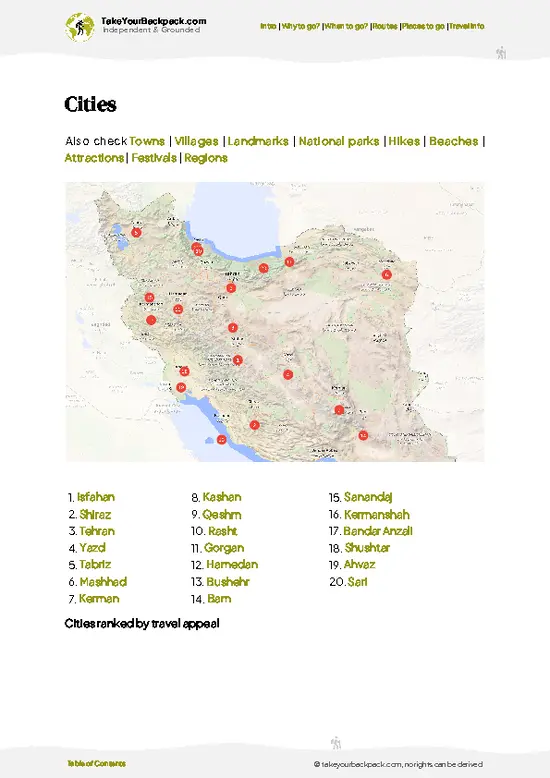
For day trips, the Bisotun UNESCO site, Tagh-e Gara, and the ancient Anahita Temple in Kangavar are all within striking distance and reward the effort with serious historical heft.
This ancient rock relief complex is Kermanshah’s calling card. Sassanian kings carved their power into the cliff face—think of it as Iran’s answer to Mount Rushmore, but with more horses and less subtlety. Go early morning or late afternoon for the best light and fewer crowds. Entry is inexpensive, and you’ll want 1-2 hours to soak in the details and the lakeside park atmosphere.
Tekyeh Moaven al-Molk
A riot of color and storytelling, this Qajar-era religious building is covered in glazed tiles depicting everything from epic battles to scenes of Karbala. It’s a crash course in Iranian narrative art and Shia history, all in one compact site. Visit mid-morning to catch the sun on the tiles. Entry is modest; 45-60 minutes is enough unless you’re a tilework fanatic.
Traditional Bazaar of Kermanshah (Bazaar-e Tarikeh)
This is where the city’s pulse beats loudest. The bazaar is a labyrinth of spice, copper, and Kurdish textiles. It’s not a sanitized tourist trap—expect real commerce and the occasional sensory overload. Free to enter, but bring cash for snacks or souvenirs. Allow at least an hour, more if you want to linger over tea.
Shafei Mosque
A rare Sunni mosque in a Shia-majority city, Shafei is a study in understated elegance. The wooden interior and peaceful courtyard offer a cool, contemplative break from the city’s bustle. Non-Muslims are welcome outside prayer times. Free entry; 20-30 minutes is plenty unless you’re drawn into conversation.
Kermanshah Museum of Anthropology
Small but packed with personality, this museum delivers a hands-on look at Kurdish and Lur culture—clothing, tools, and everyday life. It’s a shortcut to understanding the region’s identity. Visit midday when the bazaar is busiest. Entry is minimal; 30-45 minutes covers it.
For day trips, the Bisotun UNESCO site, Tagh-e Gara, and the ancient Anahita Temple in Kangavar are all within striking distance and reward the effort with serious historical heft.
Spotted a mistake or missing something? Contact us.

 Best Backpacking
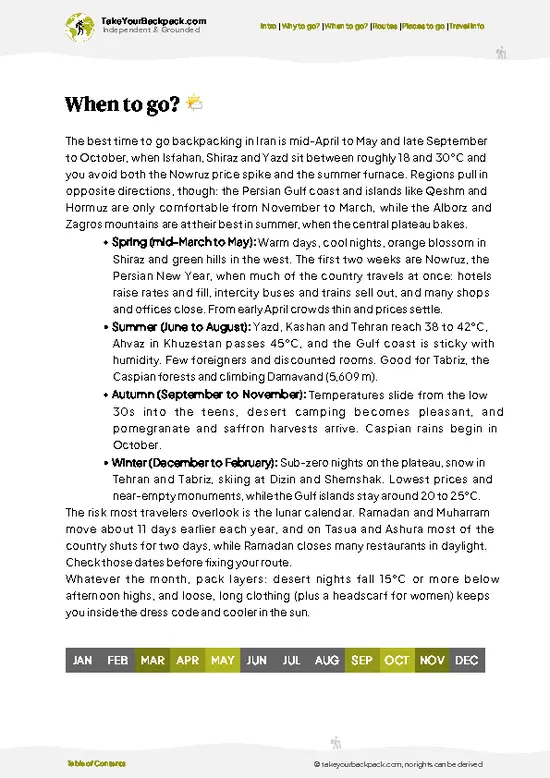
.jpg) Hi, I’m Johan (Netherlands 🇳🇱), the creator of TakeYourBackpack. Over the past 3 decades, I’ve backpacked through 90+ countries across six continents, gaining extensive experience with independent travel, long-term trips, and overland routes.
Hi, I’m Johan (Netherlands 🇳🇱), the creator of TakeYourBackpack. Over the past 3 decades, I’ve backpacked through 90+ countries across six continents, gaining extensive experience with independent travel, long-term trips, and overland routes.