v2.webp)
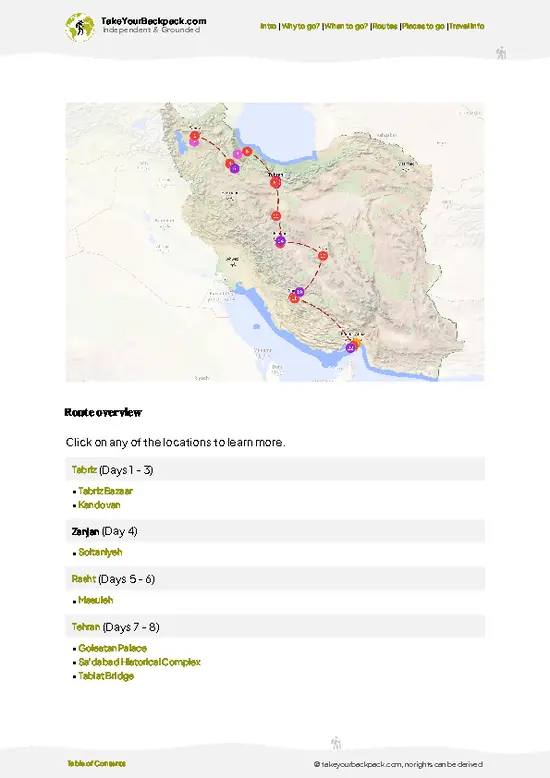
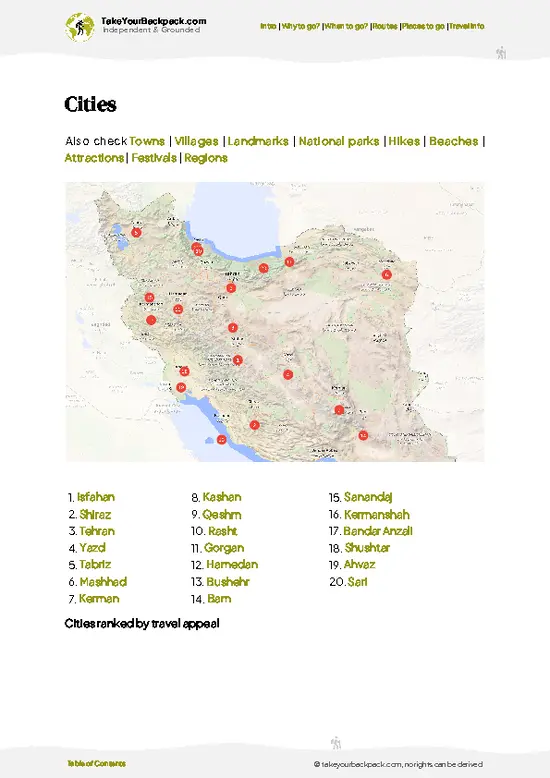
- Rooftop streets (the village’s stepped architecture) — The thing you came for: houses stacked so the roofs are the next street down. Walk the roof-paths to feel how everyday life adapts to steep terrain and to get those impossible, layered village views.
- Main panorama at the village entrance — That classic, wide-angle view where Masuleh looks like a living map pinned to the hillside. Great for photos at sunrise or late afternoon light and to orient yourself before wandering the alleys.
- Masuleh bazaar (market alleys) — Narrow covered lanes lined with stalls selling local preserves, walnuts, simple souvenirs and snacks. It’s small but alive: a real chance to meet vendors and sample the region without leaving the village.
- Traditional tea houses — Tiny chaikhanehs tucked onto roof-streets
- Rooftop streets (the village’s stepped architecture) — The thing you came for: houses stacked so the roofs are the next street down. Walk the roof-paths to feel how everyday life adapts to steep terrain and to get those impossible, layered village views.
- Main panorama at the village entrance — That classic, wide-angle view where Masuleh looks like a living map pinned to the hillside. Great for photos at sunrise or late afternoon light and to orient yourself before wandering the alleys.
- Masuleh bazaar (market alleys) — Narrow covered lanes lined with stalls selling local preserves, walnuts, simple souvenirs and snacks. It’s small but alive: a real chance to meet vendors and sample the region without leaving the village.
- Traditional tea houses — Tiny chaikhanehs tucked onto roof-streets and courtyards where locals gather. Sit, sip strong tea, watch people move through the village and overhear real conversations—more insight than any guidebook paragraph.
- Old public bath (hammam) — A surviving village hammam offers a window into communal life of the past; even if you don’t bathe, the architecture and tiled rooms tell a lot about social routines and local craftsmanship.
- Carpet-weaving and handicraft workshops — Family run looms and woodwork shops are scattered through Masuleh. Watching a weaver or buying a small, locally made item supports residents and connects you directly to regional craft traditions.
- Village mosque and small shrines — Modest but meaningful religious sites that show local architectural detail and seasonal life—prayers, quiet moments, and community noticeboards. Respectful visits give cultural context to daily Masuleh.
- Hidden alleys and stone staircases — The less-trodden side streets reveal carved doors, tiny courtyards, and micro-moments of village life. Good for slow exploration: you’ll find murals, laundry lines, and unexpected viewpoints.
- Traditional guesthouses and family homestays — Staying in a preserved house or small guesthouse is one of the best ways to experience Masuleh: wooden interiors, shared meals, and local hospitality that tells you more than any museum label.
- Local food stalls and preserves shops — Small vendors selling honey, fruit preserves, walnuts, and local snacks are everywhere. Tasting these on the spot is both practical and cultural—food is a straightforward way to learn what the land produces.
Spotted a mistake or missing something? Contact us.

 Best Backpacking
.jpg) Hi, I’m Johan (Netherlands 🇳🇱), the creator of TakeYourBackpack. Over the past 3 decades, I’ve backpacked through 90+ countries across six continents, gaining extensive experience with independent travel, long-term trips, and overland routes.
Hi, I’m Johan (Netherlands 🇳🇱), the creator of TakeYourBackpack. Over the past 3 decades, I’ve backpacked through 90+ countries across six continents, gaining extensive experience with independent travel, long-term trips, and overland routes.