v2.webp)
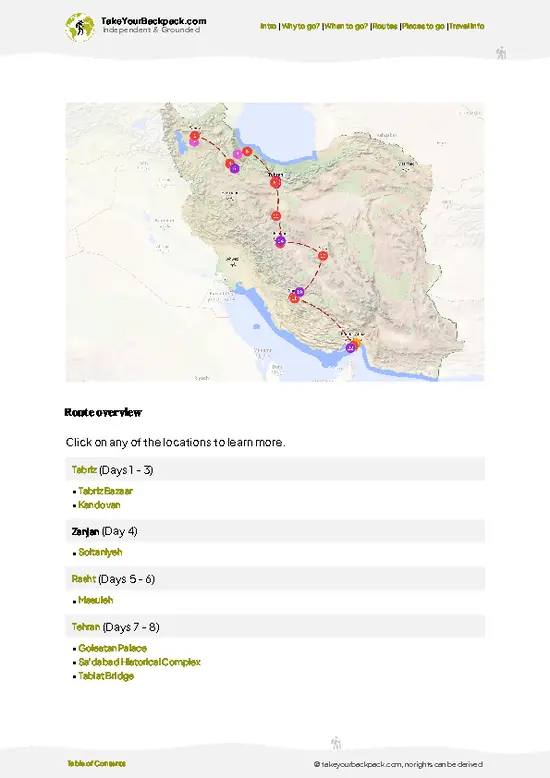
The Salt Men of Zanjan
Forget the usual parade of statues and pottery. The Salt Men are actual mummified miners, preserved by salt for over 1,700 years. Their hair, boots, even the contents of their stomachs survived. It’s not just a display; it’s a time capsule that punches you in the gut with the reality of ancient life—and death—in Persia. You’ll never look at a museum mummy the same way again.
The Cyrus Cylinder
This clay cylinder is often called the world’s first human rights charter. It’s not much to look at—just a baked lump with cuneiform script—but the story is seismic. Cyrus the Great, founder of the Persian Empire, used this to declare religious freedom and the end of forced labor. The original is in London, but the museum’s replica is the best you’ll get in Iran, and the context … read more 👉
Forget the usual parade of statues and pottery. The Salt Men are actual mummified miners, preserved by salt for over 1,700 years. Their hair, boots, even the contents of their stomachs survived. It’s not just a display; it’s a time capsule that punches you in the gut with the reality of ancient life—and death—in Persia. You’ll never look at a museum mummy the same way again.
The Cyrus Cylinder
This clay cylinder is often called the world’s first human rights charter. It’s not much to look at—just a baked lump with cuneiform script—but the story is seismic. Cyrus the Great, founder of the Persian Empire, used this to declare religious freedom and the end of forced labor. The original is in London, but the museum’s replica is the best you’ll get in Iran, and the context … read more 👉
The Salt Men of Zanjan
Forget the usual parade of statues and pottery. The Salt Men are actual mummified miners, preserved by salt for over 1,700 years. Their hair, boots, even the contents of their stomachs survived. It’s not just a display; it’s a time capsule that punches you in the gut with the reality of ancient life—and death—in Persia. You’ll never look at a museum mummy the same way again.
The Cyrus Cylinder
This clay cylinder is often called the world’s first human rights charter. It’s not much to look at—just a baked lump with cuneiform script—but the story is seismic. Cyrus the Great, founder of the Persian Empire, used this to declare religious freedom and the end of forced labor. The original is in London, but the museum’s replica is the best you’ll get in Iran, and the context here is unbeatable.
Persepolis Reliefs
You don’t need to trek to the ruins outside Shiraz to see the faces of ancient Persia. The museum’s collection of Persepolis reliefs brings the empire’s grandeur indoors. Look for the procession of dignitaries carved in stone—each beard, robe, and gift tells you who was important, and why. It’s a masterclass in imperial propaganda, minus the sunburn.
Islamic Artifacts Hall
This isn’t your average “here’s some old calligraphy” room. The Islamic section is a riot of color, geometry, and innovation. Ceramics that look like they were designed yesterday, Qur’ans with gold leaf so fine you’ll squint, and astrolabes that prove medieval Iranians were mapping the stars while Europe was still in the dark. It’s a crash course in why Persian culture still shapes the region.
The Human Scale
Here’s the real secret: the museum is manageable. You won’t get museum fatigue. The crowds are local, not selfie-stick mobs. You can actually stand in front of a 2,500-year-old artifact and have a moment with it. That’s the magic—real connection, not just a box ticked for your feed.
Forget the usual parade of statues and pottery. The Salt Men are actual mummified miners, preserved by salt for over 1,700 years. Their hair, boots, even the contents of their stomachs survived. It’s not just a display; it’s a time capsule that punches you in the gut with the reality of ancient life—and death—in Persia. You’ll never look at a museum mummy the same way again.
The Cyrus Cylinder
This clay cylinder is often called the world’s first human rights charter. It’s not much to look at—just a baked lump with cuneiform script—but the story is seismic. Cyrus the Great, founder of the Persian Empire, used this to declare religious freedom and the end of forced labor. The original is in London, but the museum’s replica is the best you’ll get in Iran, and the context here is unbeatable.
Persepolis Reliefs
You don’t need to trek to the ruins outside Shiraz to see the faces of ancient Persia. The museum’s collection of Persepolis reliefs brings the empire’s grandeur indoors. Look for the procession of dignitaries carved in stone—each beard, robe, and gift tells you who was important, and why. It’s a masterclass in imperial propaganda, minus the sunburn.
Islamic Artifacts Hall
This isn’t your average “here’s some old calligraphy” room. The Islamic section is a riot of color, geometry, and innovation. Ceramics that look like they were designed yesterday, Qur’ans with gold leaf so fine you’ll squint, and astrolabes that prove medieval Iranians were mapping the stars while Europe was still in the dark. It’s a crash course in why Persian culture still shapes the region.
The Human Scale
Here’s the real secret: the museum is manageable. You won’t get museum fatigue. The crowds are local, not selfie-stick mobs. You can actually stand in front of a 2,500-year-old artifact and have a moment with it. That’s the magic—real connection, not just a box ticked for your feed.
Spotted a mistake or missing something? Contact us.

 Best Backpacking
.jpg) Hi, I’m Johan (Netherlands 🇳🇱), the creator of TakeYourBackpack. Over the past 3 decades, I’ve backpacked through 90+ countries across six continents, gaining extensive experience with independent travel, long-term trips, and overland routes.
Hi, I’m Johan (Netherlands 🇳🇱), the creator of TakeYourBackpack. Over the past 3 decades, I’ve backpacked through 90+ countries across six continents, gaining extensive experience with independent travel, long-term trips, and overland routes.