v2.webp)
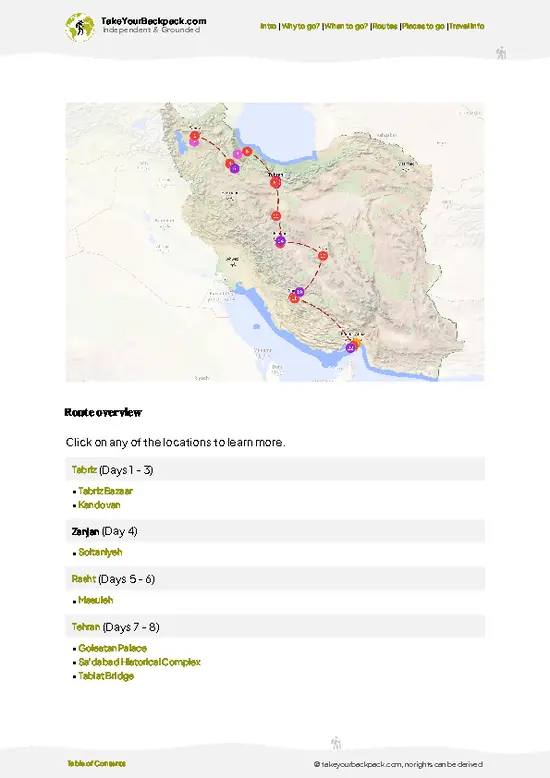
- Rafsanjan Bazaar (traditional covered bazaar) — The heart of daily life: packed spice and pistachio stalls, small tea houses, and merchants trading the city’s most famous crop. Great for people-watching and affordable local food.
- Jameh (Grand) Mosque of Rafsanjan — A working Friday mosque with traditional Persian tilework and a calm courtyard; visiting gives a feel for local religious life and classic mosque architecture without the tourist crowds.
- Pistachio orchards and packing workshops — You can walk among gnarly pistachio trees, watch sorting and packing operations, and taste freshly roasted pistachios — the single most authentic Rafsanjan experience. Many small cooperatives welcome visitors if you ask.
- Old town / Qajar-era merchant houses — Narrow alleys and surviving merchant mansions
- Rafsanjan Bazaar (traditional covered bazaar) — The heart of daily life: packed spice and pistachio stalls, small tea houses, and merchants trading the city’s most famous crop. Great for people-watching and affordable local food.
- Jameh (Grand) Mosque of Rafsanjan — A working Friday mosque with traditional Persian tilework and a calm courtyard; visiting gives a feel for local religious life and classic mosque architecture without the tourist crowds.
- Pistachio orchards and packing workshops — You can walk among gnarly pistachio trees, watch sorting and packing operations, and taste freshly roasted pistachios — the single most authentic Rafsanjan experience. Many small cooperatives welcome visitors if you ask.
- Old town / Qajar-era merchant houses — Narrow alleys and surviving merchant mansions show the city’s commercial past; wandering here reveals original wind-catchers, inner courtyards and everyday architecture you won’t see from the highway.
- Local handicraft and carpet-weaving workshops — Small family-run looms and workshops where you can see carpets and traditional handicrafts being made by hand — good for learning techniques and supporting local artisans.
- Imamzadeh shrines (local sacred sites) — Modest, atmospheric shrines inside the city that matter to local religiosity and community ritual. Visiting offers insight into devotional practice and local social life.
- Traditional teahouses and kebab joints around the bazaar — Not a single flashy attraction, but the real culinary heart: shared samovars, simple stews, and charcoal kebabs that tell you more about Rafsanjan than any museum.
- Historic qanats and irrigation points — Rafsanjan’s survival in a dry region depends on old qanat systems; where accessible, you can see channels and public cisterns that reveal centuries-old water management.
- Rafsanjan Cultural/Local History exhibits — Small municipal or university-run displays (rotating exhibitions) that collect local photos, tools, and stories about pistachio farming, trade, and daily life — useful context for what you’ve seen on the streets.
- Pistachio-related seasonal events and local markets — If you’re in town during harvest/processing season you can catch small festivals, open-air auctions, or harvest-day activity that turn ordinary neighborhoods into lively, sensory experiences.
Spotted a mistake or missing something? Contact us.

 Best Backpacking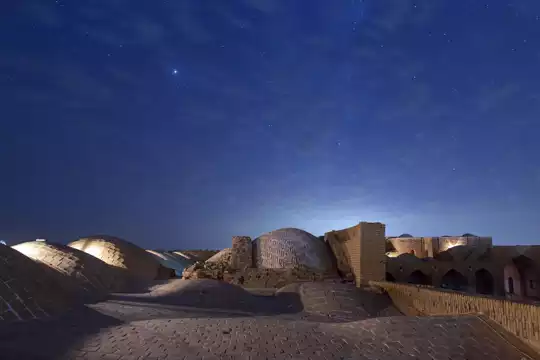
.jpg) Hi, I’m Johan (Netherlands 🇳🇱), the creator of TakeYourBackpack. Over the past 3 decades, I’ve backpacked through 90+ countries across six continents, gaining extensive experience with independent travel, long-term trips, and overland routes.
Hi, I’m Johan (Netherlands 🇳🇱), the creator of TakeYourBackpack. Over the past 3 decades, I’ve backpacked through 90+ countries across six continents, gaining extensive experience with independent travel, long-term trips, and overland routes.