v2.webp)
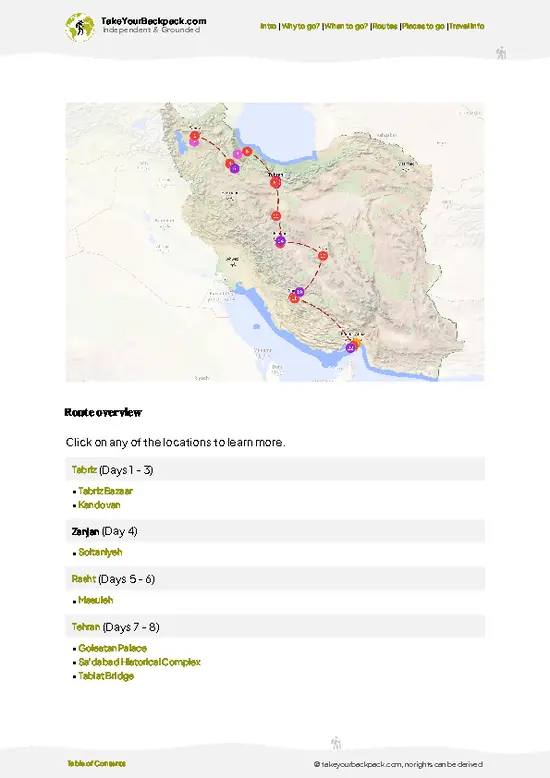
- Sheikh Ahmad-e Jami Mausoleum Complex — The city’s defining site: a centuries-old Sufi shrine and pilgrimage complex with domes and courtyards that tell the story of Torbat-e Jam’s spiritual importance. Visiting gives you the full atmosphere of devotional life and architecture up close.
- Khanqah (Sufi lodge) of the Sheikh Ahmad Complex — Part of the shrine compound but worth calling out on its own: an active place of Sufi teaching and ritual where you can feel how the devotional and communal life still plays out in the city.
- Mausoleum library and manuscript room — The shrine complex houses old manuscripts, religious texts and local historical objects; it’s small but rewarding if you care about manuscripts, calligraphy and regional history.
- Jameh (Friday) Mosque of Torbat-e Jam — The main
- Sheikh Ahmad-e Jami Mausoleum Complex — The city’s defining site: a centuries-old Sufi shrine and pilgrimage complex with domes and courtyards that tell the story of Torbat-e Jam’s spiritual importance. Visiting gives you the full atmosphere of devotional life and architecture up close.
- Khanqah (Sufi lodge) of the Sheikh Ahmad Complex — Part of the shrine compound but worth calling out on its own: an active place of Sufi teaching and ritual where you can feel how the devotional and communal life still plays out in the city.
- Mausoleum library and manuscript room — The shrine complex houses old manuscripts, religious texts and local historical objects; it’s small but rewarding if you care about manuscripts, calligraphy and regional history.
- Jameh (Friday) Mosque of Torbat-e Jam — The main congregational mosque — look for traditional tilework, old inscriptions and the way the mosque anchors local social rhythms, especially on Fridays and religious holidays.
- Historic Bazaar of Torbat-e Jam — A working, atmospheric market where you can shop for spices, dried fruit and regional handicrafts, sip tea, and watch daily life. It’s more authentic than touristy and great for people-watching.
- Traditional hammam (old public bath area) — Many Iranian cities kept an old bathhouse; the preserved hammam areas in Torbat-e Jam offer a slice of urban life from another century and a chance to admire period brickwork and plaster details.
- Carpet and textile workshops — Torbat-e Jam sits in a rug-weaving region; visiting small workshops or co-ops lets you see weavers at work, learn about local patterns and, if you like, buy directly from makers.
- Local teahouses and music cafés — Low-key places where locals gather to drink tea, play traditional instruments or recite poetry. These are the best spots to catch everyday culture and informal Sufi or folk music sessions.
- Old-quarter streets and traditional houses — Wander the narrow lanes of the city’s older neighborhoods to see vernacular architecture, carved wooden doors and inner courtyards; walking here gives a concrete sense of how people lived for generations.
- Municipal cultural center / local museum displays — Small city museums or cultural houses in Torbat-e Jam typically showcase regional costumes, tools and photographs; they’re compact but useful for context before you explore the rest of the city.
Spotted a mistake or missing something? Contact us.

 Best Backpacking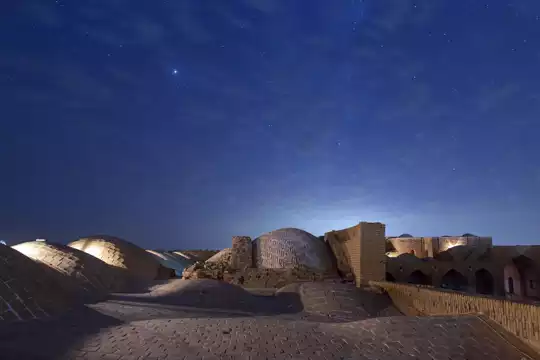
.jpg) Hi, I’m Johan (Netherlands 🇳🇱), the creator of TakeYourBackpack. Over the past 3 decades, I’ve backpacked through 90+ countries across six continents, gaining extensive experience with independent travel, long-term trips, and overland routes.
Hi, I’m Johan (Netherlands 🇳🇱), the creator of TakeYourBackpack. Over the past 3 decades, I’ve backpacked through 90+ countries across six continents, gaining extensive experience with independent travel, long-term trips, and overland routes.