v2.webp)
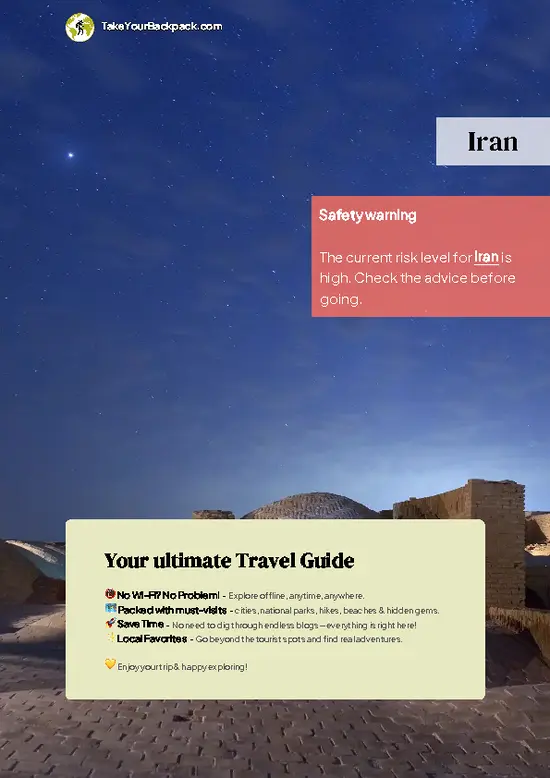
- Urmia Grand Bazaar — A living, noisy market where you can haggle for carpets, local produce and spices, sip tea in tiny teahouses, and feel the city’s mercantile heart; architecturally it’s a great place to soak up old urban fabric and people-watching.
- Jameh Mosque (Masjed-e Jameh) — The city’s main congregational mosque: a place to see local religious life, traditional tile and brick workmanship, and a calm courtyard that contrasts nicely with the bustle nearby.
- St. Mary’s Church (Surb Maryam) — One of Urmia’s visible reminders of its Assyrian/Armenian Christian heritage; visiting gives you a sense of the city’s multi-confessional past and an opportunity to see old iconography and community life.
- West Azerbaijan / Urmia Museum — Compact but worthwhile: archaeology and ethnography galleries
- Urmia Grand Bazaar — A living, noisy market where you can haggle for carpets, local produce and spices, sip tea in tiny teahouses, and feel the city’s mercantile heart; architecturally it’s a great place to soak up old urban fabric and people-watching.
- Jameh Mosque (Masjed-e Jameh) — The city’s main congregational mosque: a place to see local religious life, traditional tile and brick workmanship, and a calm courtyard that contrasts nicely with the bustle nearby.
- St. Mary’s Church (Surb Maryam) — One of Urmia’s visible reminders of its Assyrian/Armenian Christian heritage; visiting gives you a sense of the city’s multi-confessional past and an opportunity to see old iconography and community life.
- West Azerbaijan / Urmia Museum — Compact but worthwhile: archaeology and ethnography galleries that put the region’s prehistoric, tribal and agricultural stories into context — helpful before you explore the city and surrounding countryside.
- Old Urmia Railway Station — A tangible trace of the city’s late-19th / early-20th-century transport history; the building and nearby railscape are good for photography and imagining Urmia’s role as a regional crossroads.
- Saat Square & Clock Tower — The practical meeting point of the city: a lively square flanked by shops where locals congregate, perfect for short strolls and watching daily rhythms from a café terrace.
- Central City Park (Bagh-e Shahr) — A green lung where families picnic, kids play, and vendors sell snacks; it’s low-cost, very local, and ideal for feeling how Urmians unwind after work.
- Traditional Bazaar Tea Houses — Scattered around the old market, these tiny cafés are cultural hotspots: try local sweets, listen to conversations in Azerbaijani and Kurdish, and experience authentic hospitality without fuss.
- Historic Armenian/Assyrian Quarter (walking area) — Narrow lanes, old houses and small churches make for a pleasant walk; you’ll pick up architectural details and neighborhood stories that don’t make it into guidebooks.
- Urmia University Campus & Botanical Garden — A relaxed campus stroll reveals older university buildings, student life, and a modest botanical collection — useful if you want a quieter, greener break inside the city.
Spotted a mistake or missing something? Contact us.

 Best Backpacking
.jpg) Hi, I’m Johan (Netherlands 🇳🇱), the creator of TakeYourBackpack. Over the past 3 decades, I’ve backpacked through 90+ countries across six continents, gaining extensive experience with independent travel, long-term trips, and overland routes.
Hi, I’m Johan (Netherlands 🇳🇱), the creator of TakeYourBackpack. Over the past 3 decades, I’ve backpacked through 90+ countries across six continents, gaining extensive experience with independent travel, long-term trips, and overland routes.