×

Iraq🇮🇶 | citiesNajafImam Ali shrine, cemetery expanse, scholarly centers | things to do and best time to go

Explore KirkukExplore Sulaimaniyah

Backpacking in Najaf
🏆 Top pickcity ranked #5
By Johan Kruseman 🇳🇱 | Updated June 13, 2026

You land in Iraq and face a very specific fork: do you pour time and money into reaching Najaf for its spiritual gravity, or keep things simpler in Baghdad or Basra with more obvious backpacker payoffs. That choice matters because Najaf is less about casual sightseeing and more about entering one of Shia Islam’s holiest cities, with all the security, etiquette, and emotional intensity that comes with it. Najaf sits in central Iraq, just south of Karbala and roughly a couple of hours from Baghdad by road. For backpackers, it’s powerful but not effortless: the Imam Ali Shrine and Wadi al-Salam cemetery are extraordinary, the old bazaar is atmospheric, but nightlife is almost nonexistent, foreign travelers are rare, and security checks are constant. It’s cheaper and calmer than Baghdad, more conservative than Karbala, and the overall vibe is devout, serious, and surprisingly welcoming if you move with respect.

Discover everything you want to know in the 📖 Iraq Travel Guide.
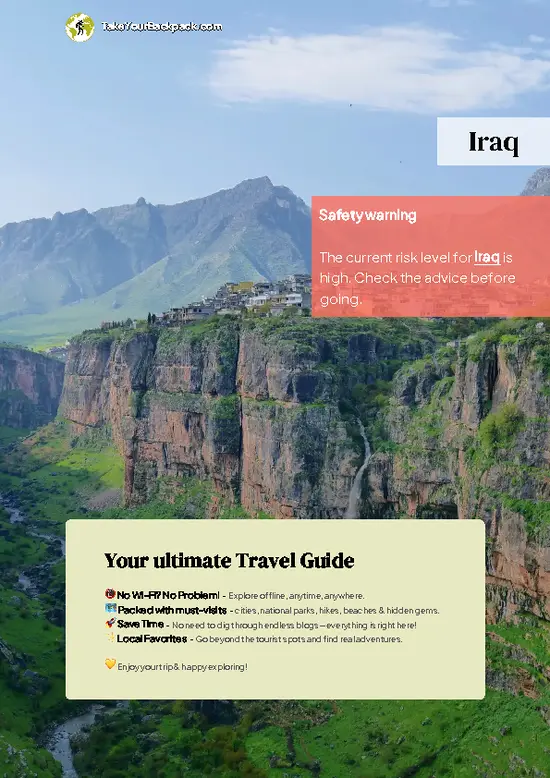
Safety warning

The current risk level for Iraq is high. Check the advice before going.


Get your Iraq guide
107 ranked highlights, routes & tips, works offline (375 pages)
Loading the map 🌍
CLICK TO FILTER
cities
towns
landmarks
national parks
hikes
beaches
attractions
festivals
regions
SHOW COUNTRY’S BESTSHOW ALL

✨ Why go?
Ranked #5 city in Iraq
What sets this place apart

Najaf is a fascinating stop for backpackers, blending cultural depth with practical advantages. The city serves as a basecamp for day trips to nearby historical sites, making it a strategic choice for those wanting to explore more of Iraq. You’ll find a range of affordable hostels that cater to budget travelers, offering a chance to meet fellow adventurers.

The food scene is a delight, with local eateries serving up hearty dishes that won’t break the bank. Plus, Najaf is incredibly walkable, allowing you to soak in the atmosphere without the hassle of public transport.

While nightlife isn’t its strong suit, the evenings can be spent enjoying local cafes or engaging in conversations with friendly locals. For those on the move, Najaf is well-connected, making onward travel to other destinations … read more 👉
Najaf is a fascinating stop for backpackers, blending cultural depth with practical advantages. The city serves as a basecamp for day trips to nearby historical sites, making it a strategic choice for those wanting to explore more of Iraq. You’ll find a range of affordable hostels that cater to budget travelers, offering a chance to meet fellow adventurers.

The food scene is a delight, with local eateries serving up hearty dishes that won’t break the bank. Plus, Najaf is incredibly walkable, allowing you to soak in the atmosphere without the hassle of public transport.

While nightlife isn’t its strong suit, the evenings can be spent enjoying local cafes or engaging in conversations with friendly locals. For those on the move, Najaf is well-connected, making onward travel to other destinations straightforward.

In essence, if you’re after a rich cultural experience without sacrificing comfort or convenience, Najaf fits seamlessly into your backpacking route. It’s not just a stop; it’s a chance to dive into the heart of Iraq.
Want to include Najaf in your Iraq route?
Create a personalized Iraq itinerary that includes Najaf and the places that fit your trip — based on your travel style, budget, and available time. Get your route in seconds.

Generate my trip

💡 HighlightsTop highlights of Najaf

  • Imam Ali Shrine (Masjid Ali) — The spiritual and architectural heart of Najaf: gold-domed, constantly busy with pilgrims, and full of intricate tilework and courtyards. Even if you’re not religious, the scale, rituals, and atmosphere make it a must-see.
  • Wadi-us-Salaam (Valley of Peace) Cemetery — The world’s largest continuous cemetery. Walking its long lanes gives a powerful sense of history, burial traditions, and the way Najaf’s culture lives around remembrance and pilgrimage.
  • The Hawza (Najaf seminary) — The living center of Shia learning. Stroll the courtyards and bookshops, observe students and teachers, and visit some of the public lecture halls and libraries to feel how religious scholarship shapes daily life here.
  • Imam Ali Shrine Museums & Treasury — Small museum rooms and the
read more 👉
  • Imam Ali Shrine (Masjid Ali) — The spiritual and architectural heart of Najaf: gold-domed, constantly busy with pilgrims, and full of intricate tilework and courtyards. Even if you’re not religious, the scale, rituals, and atmosphere make it a must-see.
  • Wadi-us-Salaam (Valley of Peace) Cemetery — The world’s largest continuous cemetery. Walking its long lanes gives a powerful sense of history, burial traditions, and the way Najaf’s culture lives around remembrance and pilgrimage.
  • The Hawza (Najaf seminary) — The living center of Shia learning. Stroll the courtyards and bookshops, observe students and teachers, and visit some of the public lecture halls and libraries to feel how religious scholarship shapes daily life here.
  • Imam Ali Shrine Museums & Treasury — Small museum rooms and the shrine’s treasury display manuscripts, ritual objects, gifts and historical items tied to the shrine. They add context to what you see in the main complex.
  • Old Najaf Bazaar (pilgrim souqs) — A compact maze of shops selling prayer beads, talismans, silverwork, religious books and pilgrims’ supplies. Great for people-watching, cheap souvenirs, and seeing traditional crafts being made.
  • Najaf Archaeological/Regional Museum — A modest but valuable collection of local antiquities and Islamic-era finds that help you place Najaf in Iraq’s deeper history; good if you want artifacts without traveling to Baghdad.
  • Craft Workshops and Coppersmiths near the Shrine — Walk a few blocks off the main corridors and you’ll find artisans hammering metal, repairing brass trays and making religious paraphernalia. It’s hands-on culture: noisy, dusty, and real.
  • Manuscript and Religious Bookshops — Narrow shops and stall-lined alleys selling rare books, handwritten manuscripts and printed works of theology. Even browsing these places gives insight into the intellectual life of Najaf.
  • Old City Streets and Pilgrim Processional Routes — The streets around the shrine are full of atmospherics: caravanserai-style hostels, tiny teahouses, and the routes pilgrims use during major commemorations. Walk slowly — this is where the city’s rhythm lives.
  • Local Tea Houses (Chaykhana) and Simple Pilgrim Khans — Small, lively tea houses where locals and visitors swap stories; plus traditional guesthouses that give a window into communal hospitality and the logistics of pilgrimage life. Perfect for an inexpensive, authentic stop.
A few real day-trip highlights just outside Najaf: the Great Mosque of Kufa and the nearby Masjid al-Sahlah, plus the ancient site of al-Hirah—each is visitable within a short drive and pairs naturally with a Najaf stay.
Spotted a mistake or missing something? Contact us.

🏘️ NeighborhoodsWhere things are and how it's laid out

Najaf offers a unique blend of spirituality and local culture, making it a fascinating stop for backpackers. Here’s how the neighborhoods stack up:

City Center: This is the heartbeat of Najaf. You’ll find bustling markets and the iconic Imam Ali Shrine. The vibe is energetic, with plenty of street food options. Costs are moderate, and it’s highly walkable. Nightlife is minimal, but the area buzzes during the day. Perfect for short stays where you want to soak in the local atmosphere.

Al-Muthanna: A quieter residential area, Al-Muthanna is ideal for those seeking a more laid-back experience. It’s less touristy, offering a glimpse into daily life. Costs are lower here, and while it’s a bit less walkable, local transport is accessible. Great for longer stays if you want to immerse yourself … read more 👉
Najaf offers a unique blend of spirituality and local culture, making it a fascinating stop for backpackers. Here’s how the neighborhoods stack up:

City Center: This is the heartbeat of Najaf. You’ll find bustling markets and the iconic Imam Ali Shrine. The vibe is energetic, with plenty of street food options. Costs are moderate, and it’s highly walkable. Nightlife is minimal, but the area buzzes during the day. Perfect for short stays where you want to soak in the local atmosphere.

Al-Muthanna: A quieter residential area, Al-Muthanna is ideal for those seeking a more laid-back experience. It’s less touristy, offering a glimpse into daily life. Costs are lower here, and while it’s a bit less walkable, local transport is accessible. Great for longer stays if you want to immerse yourself in the culture without the hustle.

Al-Hakim: Known for its cafes and restaurants, this area strikes a balance between nightlife and tranquility. It’s a popular spot for locals, making it a good place to meet people. Prices are reasonable, and it’s walkable, though public transport is also available. Suitable for both short and longer visits, especially if you enjoy socializing.

Al-Sadr: This neighborhood is more off the beaten path. It’s less frequented by tourists, offering a unique perspective on Najaf. Costs are low, but walkability can be challenging. Limited nightlife makes it ideal for those seeking peace. Best for longer stays if you want to explore deeper.

⌛️ 1 daySeeing the highlights in 24 hours

Najaf, Iraq, is a city steeped in history and spirituality, known for its vibrant religious significance and rich cultural tapestry. It’s a place where ancient traditions meet the pulse of modern life, making it a fascinating stop for any traveler.

Start your day at the stunning Imam Ali Shrine, a central landmark that draws pilgrims from around the globe. Arrive early to soak in the serene atmosphere before the crowds gather. The intricate tile work and the golden dome are breathtaking, and the energy here is palpable. Spend some time wandering the surrounding streets of the Old City, where you can sip on sweet tea from a local vendor and chat with shopkeepers selling everything from spices to handcrafted goods.

As the sun climbs higher, head to the nearby Al-Najaf Souq. This bustling … read more 👉
Najaf, Iraq, is a city steeped in history and spirituality, known for its vibrant religious significance and rich cultural tapestry. It’s a place where ancient traditions meet the pulse of modern life, making it a fascinating stop for any traveler.

Start your day at the stunning Imam Ali Shrine, a central landmark that draws pilgrims from around the globe. Arrive early to soak in the serene atmosphere before the crowds gather. The intricate tile work and the golden dome are breathtaking, and the energy here is palpable. Spend some time wandering the surrounding streets of the Old City, where you can sip on sweet tea from a local vendor and chat with shopkeepers selling everything from spices to handcrafted goods.

As the sun climbs higher, head to the nearby Al-Najaf Souq. This bustling market is a sensory overload in the best way. You’ll find everything from traditional garments to local delicacies. Don’t miss trying some freshly made falafel or a savory kebab from a street stall. This is a great spot to engage with locals and get a feel for daily life in Najaf.

In the afternoon, take a short taxi ride to the Wadi-us-Salaam cemetery, one of the largest in the world. While it may not be on every tourist’s itinerary, it offers a profound glimpse into the city’s spiritual depth. The vast expanse of tombs and the stories they hold are both humbling and fascinating.

As evening approaches, return to the Imam Ali Shrine to witness the mesmerizing sunset casting golden hues over the dome. The ambiance shifts, and the evening prayers create a sense of community. Wrap up your day with a meal at a local restaurant, savoring dishes like dolma or biryani, while reflecting on the rich experiences you’ve gathered in this remarkable city.
Turn your Najaf visit into an Iraq adventure
Build a complete Iraq route with Najaf, hidden gems, must-see destinations, and realistic travel times included.

Generate my trip

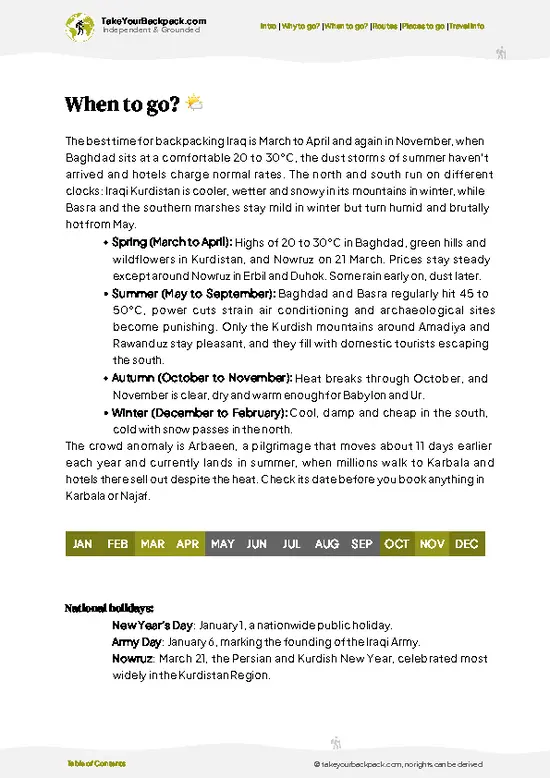
🌤️ When to go?Weather, crowds, and seasonal trade-offs


  • Topic: Weather and Temperature – Najaf’s climate swings dramatically. Summers scorch with highs around 45°C (113°F), making daytime trekking brutal. Winters cool down to a comfortable 10-15°C (50-59°F), perfect for walking without overheating or freezing.

  • Topic: Daylight Hours – Expect roughly 10 to 14 hours of daylight through the year. Longer days in spring and summer mean more exploration time but also more heat. Shorter winter days limit daylight but offer cooler conditions.

  • Topic: Crowds – Religious pilgrimages spike visitor numbers, especially during Arbaeen (October/November). This influx can overwhelm local resources but also offers a unique cultural immersion. Off-peak months see fewer tourists, giving you more breathing room.

  • Topic: Seasonal Activities – The cooler months
read more 👉

  • Topic: Weather and Temperature – Najaf’s climate swings dramatically. Summers scorch with highs around 45°C (113°F), making daytime trekking brutal. Winters cool down to a comfortable 10-15°C (50-59°F), perfect for walking without overheating or freezing.

  • Topic: Daylight Hours – Expect roughly 10 to 14 hours of daylight through the year. Longer days in spring and summer mean more exploration time but also more heat. Shorter winter days limit daylight but offer cooler conditions.

  • Topic: Crowds – Religious pilgrimages spike visitor numbers, especially during Arbaeen (October/November). This influx can overwhelm local resources but also offers a unique cultural immersion. Off-peak months see fewer tourists, giving you more breathing room.

  • Topic: Seasonal Activities – The cooler months host religious events and local markets in full swing, adding layers to your experience. Summer is quieter but less hospitable for outdoor activities.

  • Topic: Price Fluctuations – Accommodation and transport costs rise sharply during pilgrimage seasons due to demand. Traveling in shoulder seasons or winter often means better deals and more negotiating power.


Pro-tip: Aim for late autumn or early spring to balance mild weather, manageable crowds, and reasonable prices—maximizing comfort without sacrificing the city’s cultural pulse.


source: climatestotravel.comJANJanuary: highly recommended for travelingFEBFebruary: highly recommended for travelingMARMarch: excellent for travelingAPRApril: excellent for travelingMAYMay: good for travelingJUNJune: fair for travelingJULJuly: below average for travelingAUGAugust: below average for travelingSEPSeptember: good for travelingOCTOctober: good for travelingNOVNovember: good for travelingDECDecember: highly recommended for traveling
iraq-city-najaf
© Google |

✈️ The backpacker research shortcutIraq Travel Guide

An offline-friendly backpacking guide with optimized travel routes, ranked highlights, transport advice, and the best areas to stay.
example page 0 from our offline Travel Guide for Iraq
example page 1 from our offline Travel Guide for Iraq
example page 2 from our offline Travel Guide for Iraq
example page 3 from our offline Travel Guide for Iraq
example page 4 from our offline Travel Guide for Iraq
example page 5 from our offline Travel Guide for Iraq
example page 6 from our offline Travel Guide for Iraq
example page 7 from our offline Travel Guide for Iraq
The digital guide (375 pages) contains:
107 highlights, ranked by travel appeal
Optimized 5, 10 & 15-day travel routes
Cities, national parks, landmarks, beaches
How to get around
Offline-friendly for travel without Wi-Fi
👉 Click to see all 30+ guide features

📅 Plan smarter in minutes, not weeks
Month by month travel advice
Festivals & national holidays
Budget expectations

🗺️ Go to the right places, skip the overrated ones
Honest pros & cons of destinations
Top hikes, parks & viewpoints
Lesser-known places most travelers miss
Clear “worth it vs skip it” guidance

🛏️ Travel smoothly without rookie mistakes
Best areas to stay
Transport systems explained simply
Common scams & safety advice
SIM cards, money & practical tips

🌍 Understand the country, not just visit it
Culture & traditions
52 Essential phrases & customs
Festivals worth planning around
Traveler-friendly historical context
Insights that make places more meaningful

📱 Built for real travel conditions
Fully downloadable PDF
Works completely offline
Optimized for phone use
Useful in remote areas & buses
Everything in one place
Save weeks of stressful planning
Get instant access to your full guide. 30‑day money-back guarantee.


By proceeding you agree to our terms.
Sent to your inbox immediately after payment • 100% Secure Checkout
Best Backpacking Travel Advisor 2025 tourism awardBest Backpacking
Travel Advisor
2025
What others say about Take Your Backpack Guides:
⭐⭐⭐⭐⭐
Fantastic, amazing amount of information!
⭐⭐⭐⭐⭐
My goodness this is amazing, it's what I've been looking for hats off too you!
⭐⭐⭐⭐⭐
I think this is absolutely BRILLIANT
⭐⭐⭐⭐
Very complete and informative. It's still missing places, but I gotta to commend you
⭐⭐⭐⭐⭐
This is truly amazing, thank you, can't wait to explore it with my kids!
⭐⭐⭐⭐⭐
Awesome resource, thank you!
⭐⭐⭐⭐⭐
This is amazing! Can't wait to explore the ones I haven't seen
⭐⭐⭐⭐
I love this! Well done, great idea.
⭐⭐⭐⭐⭐
Thanks for taking the time to make this gem!
⭐⭐⭐⭐⭐
This might be the best website I've ever seen.
⭐⭐⭐⭐⭐
Congratulations, and thank you so much for your work; it's incredibly valuable.
⭐⭐⭐⭐
In all seriousness I think you did a great job pointing out the important spots
⭐⭐⭐⭐⭐
10/10 very good
⭐⭐⭐⭐⭐
As someone who's only just starting to visit regularly this is awesome, thank you.
⭐⭐⭐⭐
Thank you very much! I'm going to visit my dad, it's going to be very useful!
⭐⭐⭐⭐⭐
This is really cool! We'll be travelling for the first time and this definitely come in handy.
⭐⭐⭐⭐⭐
You are now our minister of culture, congratulations 👨‍💼
⭐⭐⭐⭐⭐
Just wanted to tell you that this is a pearl! Going to follow your recommendations.
⭐⭐⭐⭐⭐
This is so cool. I'll definitely be using the resource for my travels soon.
⭐⭐⭐⭐⭐
This is very impressive! Good work.
⭐⭐⭐⭐⭐
This is an amazing and informative site. Very well done!

🛏️ Where to stay?Where staying makes the most sense

Najaf’s backpacker sweet spot is the area around the Old City, especially near the Imam Ali Shrine. This neighborhood balances safety with a steady flow of pilgrims and budget travelers, creating a social atmosphere without the chaos of tourist traps. It’s where you’ll find guesthouses and hostels that cater to solo travelers and those watching their wallets, offering simple but clean accommodations. The vibe here is contemplative yet lively—streets buzz with vendors, prayer calls, and the occasional traveler swapping stories over chai.

Compared to newer districts or the outskirts, this central … read more 👉
Najaf’s backpacker sweet spot is the area around the Old City, especially near the Imam Ali Shrine. This neighborhood balances safety with a steady flow of pilgrims and budget travelers, creating a social atmosphere without the chaos of tourist traps. It’s where you’ll find guesthouses and hostels that cater to solo travelers and those watching their wallets, offering simple but clean accommodations. The vibe here is contemplative yet lively—streets buzz with vendors, prayer calls, and the occasional traveler swapping stories over chai.

Compared to newer districts or the outskirts, this central zone cuts down on transport time and expense, letting you walk to key sites rather than shelling out for taxis. It’s a trade-off: you sacrifice some modern comforts found in newer parts of Najaf for proximity and immersion. But for backpackers, that’s a win. The social scene is organic—no forced hostel parties, just shared meals and quiet corners to reflect.

Avoid areas too far from the shrine or commercial hubs; they tend to be less secure and lack traveler infrastructure. Staying central means you’re plugged into the city’s pulse, maximizing your time and minimizing hassle. That’s the kind of smart choice that turns a trip from “just visiting” into something richer.

🚌 Getting aroundHow to get from A to B

Najaf moves at a pace that’s part ancient rhythm, part modern hustle. It’s not a city where you’ll find strict timetables etched in stone, but rather a flow shaped by human intuition and the call to prayer. The streets pulse with a mix of determined locals, pilgrims, and vendors, all weaving through a transport system that’s as much about reading the moment as it is about catching a bus or taxi. Here, time bends around the city’s spiritual heartbeat, and your choices in getting around reflect a balance between patience, budget, and comfort.


  • Walking: The most straightforward and cost-free way to explore Najaf’s core, especially around the Imam Ali Shrine and the old city. It’s slow but immersive—expect to spend hours if you want to cover significant ground, but every step reveals layers
read more 👉
Najaf moves at a pace that’s part ancient rhythm, part modern hustle. It’s not a city where you’ll find strict timetables etched in stone, but rather a flow shaped by human intuition and the call to prayer. The streets pulse with a mix of determined locals, pilgrims, and vendors, all weaving through a transport system that’s as much about reading the moment as it is about catching a bus or taxi. Here, time bends around the city’s spiritual heartbeat, and your choices in getting around reflect a balance between patience, budget, and comfort.


  • Walking: The most straightforward and cost-free way to explore Najaf’s core, especially around the Imam Ali Shrine and the old city. It’s slow but immersive—expect to spend hours if you want to cover significant ground, but every step reveals layers of local life you’d miss otherwise.


  • Shared Taxis: These are the backbone of Najaf’s transit for budget travelers. They don’t run on a strict schedule but leave when full, which means you might wait 10 to 30 minutes depending on demand. Prices are low, usually a fraction of a dollar for short distances, but comfort is minimal—expect cramped seats and a fast, sometimes aggressive driving style.


  • Local Buses: Limited routes and irregular timing make these a gamble, but when they run, they’re the cheapest option—often just a few cents. Buses can be slow due to frequent stops and traffic, and they’re rarely air-conditioned, so prepare for a sweaty ride in Najaf’s heat. Use them if you’re not in a rush and want to stretch your budget to the max.


  • Private Taxis: More expensive but far more reliable and comfortable than shared taxis or buses. You can negotiate a fixed price before you go, typically around $5 to $10 for most city trips. They offer air conditioning and direct routes, saving time and hassle, which is worth it if your schedule is tight or you’re carrying heavy gear.


  • Motorbike Taxis: A quick, nimble way to navigate traffic jams and narrow streets. Prices are slightly higher than shared taxis but still budget-friendly. Not for the faint-hearted—helmets are rare, and the ride can be bumpy. Great if you want speed and a bit of adrenaline without breaking the bank.

👛 Costs (as of 18 June 2026)Typical daily expenses

Backpacking in Najaf, Iraq, offers a unique blend of affordability and cultural immersion, but understanding the cost dynamics is key to optimizing your experience without surprises.
  • Dorm Accommodation (High Season): Expect to pay around $15 to $25 per night. High season, often coinciding with religious events, drives prices up due to demand from pilgrims and visitors.
  • Dorm Accommodation (Off-Season): Prices drop to about $8 to $15 per night when the influx of visitors subsides, giving you more room to negotiate or find quieter spots.
  • Meals: Street food and local eateries dominate the scene, with typical meals costing between $2 and $5. Opt for traditional dishes like kebabs or falafel to keep costs low and flavors authentic.
  • Local Transport: Shared taxis and minibuses are the norm, with
read more 👉
Backpacking in Najaf, Iraq, offers a unique blend of affordability and cultural immersion, but understanding the cost dynamics is key to optimizing your experience without surprises.
  • Dorm Accommodation (High Season): Expect to pay around $15 to $25 per night. High season, often coinciding with religious events, drives prices up due to demand from pilgrims and visitors.
  • Dorm Accommodation (Off-Season): Prices drop to about $8 to $15 per night when the influx of visitors subsides, giving you more room to negotiate or find quieter spots.
  • Meals: Street food and local eateries dominate the scene, with typical meals costing between $2 and $5. Opt for traditional dishes like kebabs or falafel to keep costs low and flavors authentic.
  • Local Transport: Shared taxis and minibuses are the norm, with fares usually around $0.30 to $0.50 per trip. These are practical for short distances within the city.
  • City Transport Pass: Najaf does not have a formal city transport pass system, so budgeting for individual rides is necessary.
  • Basic Activities/Entry Fees: Visiting key religious sites like the Imam Ali Shrine is free, but some museums or guided tours might charge between $3 and $7. These fees support maintenance and local guides.
  • Miscellaneous Expenses: Budget around $2 to $5 daily for water, snacks, and small personal items. Internet cafes or SIM cards for connectivity can add a small one-time cost.

Total daily costs for backpacking in Najaf typically range from $20 to $40, depending on your season and comfort choices. This range balances essential expenses with the chance to engage deeply with the city’s rich cultural fabric without overspending.
⚠️ Prices can change and everyone travels differently, so take this as a rough guide. Hope it helps you plan your adventure!

🚌 Day tripsWhere to go beyond the main area

Najaf is a fantastic base for day trips, offering a blend of history, culture, and stunning landscapes. Here are some worthwhile excursions that will enrich your experience without breaking the bank.

**Kufa**
Just a 30-minute drive from Najaf, Kufa is steeped in Islamic history. You can explore the ancient mosque where Ali ibn Abi Talib was buried, and the ruins of the old city that once thrived as a center of learning. The vibe is relaxed, and you can grab a local meal for a few dollars. Many first-timers underestimate the significance of Kufa, so take your time to soak in the stories behind the stones.


**Al-Qadisiyyah**
About an hour from Najaf, Al-Qadisiyyah is a treasure trove for history buffs. The site of the famous battle between the Arabs and the Persians, it offers a fascinating … read more 👉
Najaf is a fantastic base for day trips, offering a blend of history, culture, and stunning landscapes. Here are some worthwhile excursions that will enrich your experience without breaking the bank.

**Kufa**
Just a 30-minute drive from Najaf, Kufa is steeped in Islamic history. You can explore the ancient mosque where Ali ibn Abi Talib was buried, and the ruins of the old city that once thrived as a center of learning. The vibe is relaxed, and you can grab a local meal for a few dollars. Many first-timers underestimate the significance of Kufa, so take your time to soak in the stories behind the stones.


**Al-Qadisiyyah**
About an hour from Najaf, Al-Qadisiyyah is a treasure trove for history buffs. The site of the famous battle between the Arabs and the Persians, it offers a fascinating glimpse into ancient military strategies. You can wander through the remnants of the battlefield and visit the nearby museum, which is often overlooked. Expect to spend around $5 for entry and snacks. The best time to visit is in the cooler months, as summer heat can be intense.
👉 Explore Al-Qadisiyyah

**Hillah**
Roughly an hour and a half away, Hillah is home to the ruins of Babylon, one of the most iconic ancient cities. You can walk among the remnants of the Hanging Gardens and the Ishtar Gate. It’s a bit of a splurge at around $10 for entry, but the historical weight is worth every dinar. Many backpackers miss this because they think it requires an overnight stay; you can easily do it in a day.


**Karabala**
Just 45 minutes from Najaf, Karabala is a pilgrimage site that draws visitors from around the world. The stunning Imam Hussein Shrine is a must-see, and the atmosphere is electric, especially during religious observances. Budget around $5 for food and drinks. The best time to visit is during the cooler months, but be prepared for crowds during significant religious events.


**Samawa**
A two-hour drive will take you to Samawa, where you can experience the beauty of the Mesopotamian marshes. This area is perfect for a day of exploration, with opportunities for birdwatching and local boat rides. Costs are minimal, around $10 for transport and food. Many travelers overlook the marshes, thinking they’re too far, but the unique ecosystem is a refreshing escape from city life.
Want to know what more Iraq offers?
The Iraq Travel Guide describes 107 highlights, from cities to national parks, from beaches to hikes

Get the Travel Guide -

🍲 FoodLocal Cuisine & Drinks

In Najaf, food is a **celebration** of flavors and community. Start with **kebab**, grilled to perfection, often served with fresh bread and a side of tangy pickles. The **biryani** here is a must-try, fragrant with spices and layered with tender meat. Don’t miss out on **masgouf**, a traditional fish dish, grilled over an open flame, bringing a smoky depth that’s hard to resist.

Street food is where the heart of Najaf beats. Vendors line the bustling markets, offering **samosas** and **falafel** that are crispy on the outside and bursting with flavor inside. Grab a cup of **chai** from a local stall; it’s sweet and spiced, perfect for sipping while you soak in the vibrant atmosphere.

Eating customs are as rich as the food itself. Sharing is key; meals often involve communal dishes, encouraging … read more 👉
In Najaf, food is a **celebration** of flavors and community. Start with **kebab**, grilled to perfection, often served with fresh bread and a side of tangy pickles. The **biryani** here is a must-try, fragrant with spices and layered with tender meat. Don’t miss out on **masgouf**, a traditional fish dish, grilled over an open flame, bringing a smoky depth that’s hard to resist.

Street food is where the heart of Najaf beats. Vendors line the bustling markets, offering **samosas** and **falafel** that are crispy on the outside and bursting with flavor inside. Grab a cup of **chai** from a local stall; it’s sweet and spiced, perfect for sipping while you soak in the vibrant atmosphere.

Eating customs are as rich as the food itself. Sharing is key; meals often involve communal dishes, encouraging conversation and connection. When invited to eat, it’s customary to accept graciously, as it’s a sign of hospitality.

As for drinks, you’ll find **fresh juices** everywhere, especially pomegranate and orange, which are refreshing in the heat. Alcohol isn’t common due to cultural norms, but the local cafés buzz with life, serving up sweet treats and strong coffee, perfect for winding down after a day of exploration.

🛡️ SafetySafety Tips and Common Scams in Najaf

Najaf is generally safe for travelers, but a few situational awareness tips can enhance your experience. The city is bustling, especially around the Imam Ali Shrine. Keep your belongings close in crowded areas, as pickpocketing can happen, particularly during busy prayer times.

If you’re solo, daytime exploration is ideal. The streets are vibrant, but nighttime can feel different. Stick to well-lit areas and avoid wandering too far from the main thoroughfares after dark.

Common scams are rare, but be cautious of overly friendly locals offering unsolicited help. Politely decline and maintain a friendly distance.

Annoyances might include aggressive street vendors or taxi drivers who may not use meters. Agree on a fare before getting in, and don’t hesitate to walk away if it feels off. Carry … read more 👉
Najaf is generally safe for travelers, but a few situational awareness tips can enhance your experience. The city is bustling, especially around the Imam Ali Shrine. Keep your belongings close in crowded areas, as pickpocketing can happen, particularly during busy prayer times.

If you’re solo, daytime exploration is ideal. The streets are vibrant, but nighttime can feel different. Stick to well-lit areas and avoid wandering too far from the main thoroughfares after dark.

Common scams are rare, but be cautious of overly friendly locals offering unsolicited help. Politely decline and maintain a friendly distance.

Annoyances might include aggressive street vendors or taxi drivers who may not use meters. Agree on a fare before getting in, and don’t hesitate to walk away if it feels off. Carry yourself confidently, and you’ll navigate Najaf with ease.

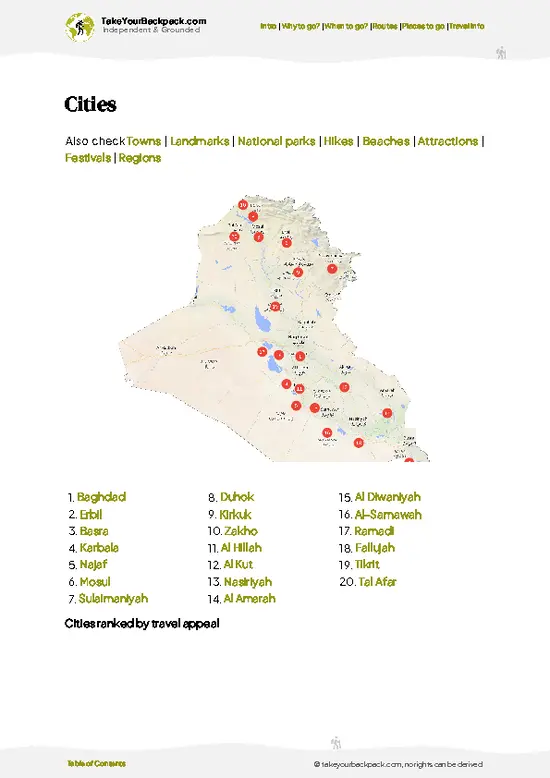
Other Iraqi cities near Najaf

Explore more nearby:

  • Al-Qadisiyyah—historic battlefield, irrigation ditches, rural expanse| 40 km away
  • Al Hillah—Babylon ruins, Euphrates canals, university district| 50 km away
  • Al Diwaniyah—Canal network, agricultural markets, railway hub| 54 km away

💡 Not sure where to go next?
Create a personalized itinerary for Iraq including Najaf and the places that fit your trip.

Generate my itinerary

👉 Discover all cities

Or checkout all Iraq has to offer (think cities, towns, villages, national parks, hikes, beaches, festivals)
Country photo of Iraq

We 💚 feedbackSumming up the experience

Najaf has a pulse that’s hard to ignore. The energy in the air, especially around the Imam Ali Shrine, is electric. You’ll be surprised by the warmth of the locals; they’re eager to share stories over tea. Just a heads-up: the heat can be intense, so plan your outings for early morning or late afternoon. Embrace the chaos and let it draw you in. This city isn’t just a destination; it’s an experience that lingers long after you leave.

✍️ Help improve this page!
The information on this page is based on in-depth research, insights shared by experienced travelers, and feedback from the local travel community in Iraq. While every effort is made to keep the information accurate and current, conditions can change — so if you spot anything incorrect or outdated, please get in touch.


🙋‍♂️ Give feedback

👋 Meet the founderWho’s Behind Take Your Backpack?

Johan, backpacker and founder of TakeYourBackpackHi, I’m Johan (Netherlands 🇳🇱), the creator of TakeYourBackpack. Over the past decade, I’ve backpacked through 80+ countries across six continents, gaining extensive experience with independent travel, long-term trips, and overland routes.

This site is built on a combination of firsthand travel experience and carefully curated insights from other backpackers. Many guides are based on places I’ve personally visited, while others bring together tips, observations, and practical advice shared by trusted travelers I’ve met along the way.

The goal is to provide realistic, experience-driven guidance — not generic itineraries — so you can explore destinations with better context, clearer expectations, and more confidence.

Get full Iraq guide •
Instant download • 107 highlights • Full Offline guide