×

Iraq🇮🇶 | best citiesEssential 10 cities to Explore in Iraq

Exploring the best cities in Iraq offers a unique blend of ancient history and modern vibrancy. Each city presents distinct characteristics that shape your backpacking experience. Major hubs like Baghdad and Basra pulse with energy, featuring bustling markets and rich nightlife, while smaller urban centers like Erbil provide a more laid-back vibe, perfect for cultural immersion.

Seasonal nuances affect travel; summer heat can be intense, while spring and fall offer milder weather. Choosing the right city impacts your budget, safety, and ease of travel. Understanding these dynamics is crucial for independent travelers seeking authentic experiences without the hidden costs.

By Johan Kruseman 🇳🇱 | Updated June 15, 2026
Explore the best towns in Iraq

Why go?Understanding Their Importance

Iraq’s cities are a tapestry of cultures, shaped by millennia of history and diverse regional identities. Unlike many countries, Iraq offers a unique blend of ancient civilizations and modern urban life. The historical depth here is staggering; cities like Baghdad and Erbil are not just places on a map but living chronicles of human achievement and resilience.

However, travel in Iraq comes with its own set of challenges. The transport networks can be inconsistent, making it crucial to plan your routes carefully. While some cities are accessible, others may require significant travel time, which can dilute the immersive experience. The trade-off between exploration depth and travel efficiency is real; you might find yourself spending hours on the road instead of soaking in the local culture. … read more 👉
Iraq’s cities are a tapestry of cultures, shaped by millennia of history and diverse regional identities. Unlike many countries, Iraq offers a unique blend of ancient civilizations and modern urban life. The historical depth here is staggering; cities like Baghdad and Erbil are not just places on a map but living chronicles of human achievement and resilience.

However, travel in Iraq comes with its own set of challenges. The transport networks can be inconsistent, making it crucial to plan your routes carefully. While some cities are accessible, others may require significant travel time, which can dilute the immersive experience. The trade-off between exploration depth and travel efficiency is real; you might find yourself spending hours on the road instead of soaking in the local culture.

Climate also plays a role. The extreme temperatures can limit outdoor activities, especially in summer, so timing your visit is essential. Iraq’s rich cultural fabric is best appreciated when you can engage with it fully, but that requires navigating these constraints wisely.

Ultimately, Iraq is well-suited for those willing to embrace its complexities. The cultural diversity and historical significance are unparalleled, but understanding the logistical and environmental factors will help preserve your energy and budget for the moments that truly matter.
Evaluating the Top Choices
The list of best cities in Iraq is created based on culture, vibe, attractions, transport ease, and local charm. If you feel a city is missing in this list, please let us know.

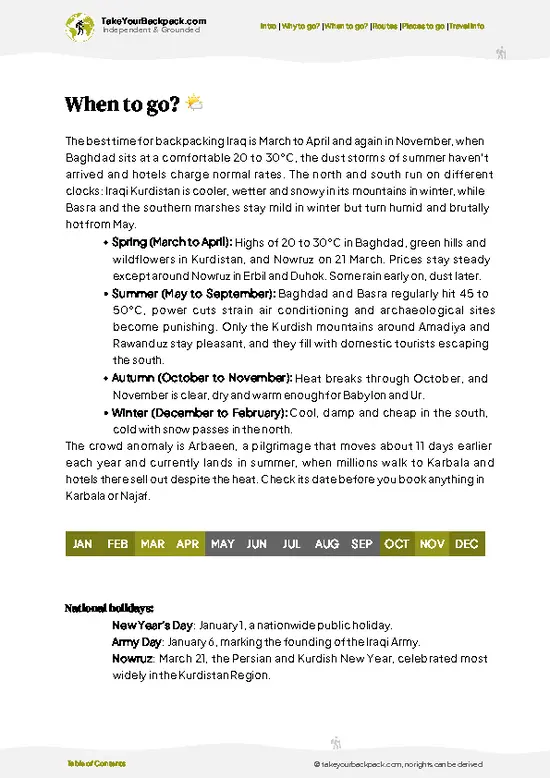
When to go?Best Time to Visit Iraq for cities

Seasonality in Iraq


Visiting Iraq requires a keen understanding of its seasonal rhythms. The climate varies significantly, impacting both comfort and experience. Summers can be blistering, with temperatures soaring. This heat drives many locals indoors, making cities feel deserted. If you can handle the heat, you’ll find lower prices and fewer crowds. However, the sweltering conditions can drain energy quickly.

Fall brings milder temperatures and a gradual return of activity. This is a prime time for cultural events, but expect more tourists. Prices may rise, especially during festivals. Spring follows, offering pleasant weather and vibrant local life. It’s an ideal time for exploration, but crowds can swell, particularly around major events.

Winter is cooler, and while it may deter some … read more 👉

Seasonality in Iraq


Visiting Iraq requires a keen understanding of its seasonal rhythms. The climate varies significantly, impacting both comfort and experience. Summers can be blistering, with temperatures soaring. This heat drives many locals indoors, making cities feel deserted. If you can handle the heat, you’ll find lower prices and fewer crowds. However, the sweltering conditions can drain energy quickly.

Fall brings milder temperatures and a gradual return of activity. This is a prime time for cultural events, but expect more tourists. Prices may rise, especially during festivals. Spring follows, offering pleasant weather and vibrant local life. It’s an ideal time for exploration, but crowds can swell, particularly around major events.

Winter is cooler, and while it may deter some travelers, it offers a unique perspective on local life. Fewer tourists mean a more authentic experience, but some attractions may have limited hours.

Shoulder seasons—late fall and early spring—strike a balance. They offer decent weather and manageable crowds, but travelers might miss out on key festivals. Weigh the trade-offs carefully. Understanding these seasonal dynamics ensures that energy and budget are preserved for the moments that truly matter.

city hoppingSuggested Travel Strategies

Efficient Routing
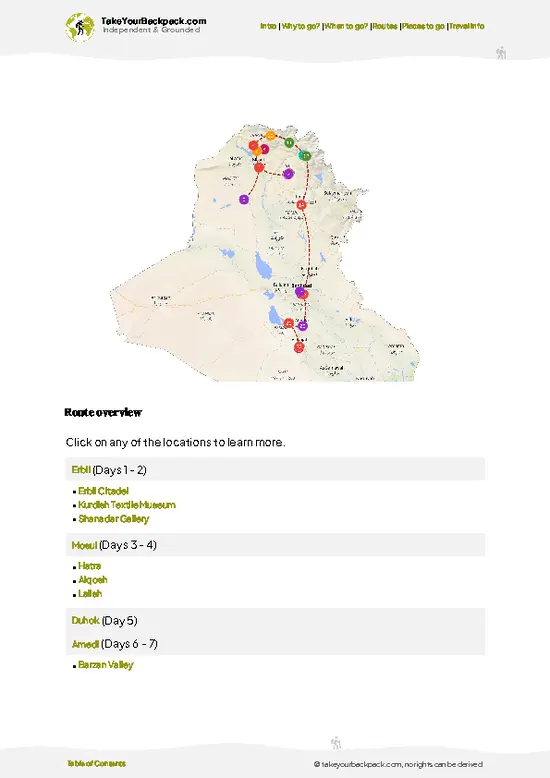
To navigate Iraq’s cities effectively, start by clustering your stops regionally. The north, with Erbil and Sulaymaniyah, offers a rich Kurdish culture. The south, featuring Basra and Nasiriyah, dives into the heart of Mesopotamian history. This regional approach minimizes travel time and maximizes immersion.

Travel Logistics
Air travel is limited, so expect to rely on road transport. Buses and shared taxis are common, but they can be unpredictable. Allocate at least 3-4 hours for intercity travel, depending on road conditions. For deeper experiences, plan 2-3 days in each city. This pacing allows for exploration without feeling rushed.

Common Pitfalls
Many travelers underestimate the time needed for logistics. Rushing through cities leads to missed experiences. Avoid … read more 👉
Efficient Routing
To navigate Iraq’s cities effectively, start by clustering your stops regionally. The north, with Erbil and Sulaymaniyah, offers a rich Kurdish culture. The south, featuring Basra and Nasiriyah, dives into the heart of Mesopotamian history. This regional approach minimizes travel time and maximizes immersion.

Travel Logistics
Air travel is limited, so expect to rely on road transport. Buses and shared taxis are common, but they can be unpredictable. Allocate at least 3-4 hours for intercity travel, depending on road conditions. For deeper experiences, plan 2-3 days in each city. This pacing allows for exploration without feeling rushed.

Common Pitfalls
Many travelers underestimate the time needed for logistics. Rushing through cities leads to missed experiences. Avoid the temptation to cram too many stops into a short timeframe. Instead, prioritize quality over quantity.

Trade-offs
Speed often sacrifices depth. A quick visit may save time but can leave you feeling unsatisfied. Budget considerations also come into play; more comfortable transport options may cost more but save energy for exploration. Flexibility is key; be prepared to adjust plans based on local conditions or personal interests.

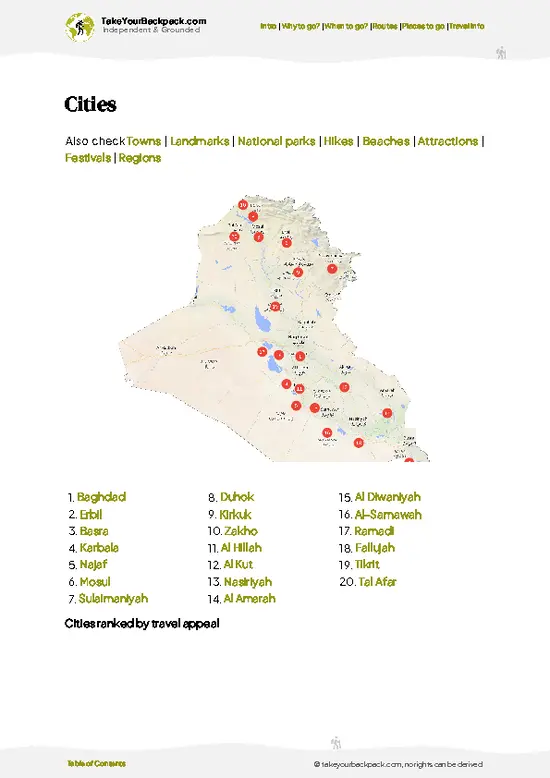
The ListTop cities of Iraq

1 Baghdad

Tigris bridges, book markets, layered neighborhoods

Navigate a sprawling metropolis where literary traditions, diverse districts, and riverside life create a complex urban experience.

2 Erbil

Citadel mound, Kurdish bazaars, modern towers

Climb to the ancient citadel, then descend into a city where Kurdish culture and new development meet at busy intersections.

3 Basra

Shatt al-Arab, date palm groves, port docks

Move between riverbanks and bustling docks, then pause in shaded groves that hint at the city’s long-standing ties to trade and agriculture.

4 Karbala

Imam Husayn shrine, pilgrimage crowds, ceremonial processions

Experience the intensity of religious devotion as thousands gather for rituals, shaping the city’s rhythm and transforming its streets during major observances.

5 Najaf

Imam Ali shrine, cemetery expanse, scholarly centers

Join pilgrims and students in a city where religious study and ritual visits shape the atmosphere from dawn until late evening.

iraq-city-najaf
© Google |

6 Sulaimaniyah

Cultural centers, mountain views, café-lined streets

Absorb the city’s creative energy, moving from art spaces to lively streets framed by distant hills and a strong sense of local identity.

7 Al-Samawah

desert outskirts, Euphrates bridge, local souks

Cross into a city where the river cuts through arid plains, connecting lively souks with quiet neighborhoods on the desert’s edge.

8 Mosul

Nineveh ruins, Tigris riverbanks, rebuilt markets

Trace the layers of ancient and modern life as you move between archaeological sites, riverside neighborhoods, and the city's ongoing reconstruction.

9 Duhok

Mountain backdrop, city parks, Assyrian heritage

Stroll beneath rugged peaks and explore neighborhoods where ancient roots and green spaces shape the city’s daily rhythm.

10 Kirkuk

Oil fields, multiethnic quarters, ancient citadel

Witness a city defined by its energy industry and diverse communities, where history and commerce intersect around the old fortress.

11 Tal Afar

stone citadel, Turkmen heritage, market alleys

Wander through a Turkmen-majority town where a fortress dominates the skyline and daily life centers on traditional bazaars and communal tea houses.

12 Zakho

Stone bridge, border bazaar, river valley

Cross the historic bridge into a town where trade routes and natural scenery converge, offering a distinct gateway to the north.

13 Al Amarah

Marshland gateway, tribal quarters, fish markets

Discover a city bridging the wetlands and the desert, where tribal influences and marsh culture are visible in daily commerce and cuisine.

14 Al-Shatrah

canal town, livestock markets, rural junction

Visit a crossroads for rural trade, where canals and animal markets draw farmers and traders from the surrounding countryside.

15 Al Hillah

Babylon ruins, Euphrates canals, university district

Walk through remnants of Babylonian civilization, then cross into a modern city shaped by academic life and the flow of the Euphrates.

16 Al-Musayyib

power station, river crossing, wheat fields

Experience a working town where a major power plant and river bridge serve as landmarks amid stretches of farmland and grain silos.

17 Nasiriyah

Ziggurat of Ur, marshland villages, local souks

Venture from ancient Sumerian sites to the edge of the southern marshes, where daily commerce and rural traditions intersect in a compact urban center.

18 Al-Miqdadiyah

mixed communities, citrus orchards, canal network

Navigate a town known for its diverse population and lush groves, with irrigation canals weaving through neighborhoods and farmland.

19 Al Kut

Tigris bend, Ottoman barracks, riverside corniche

Follow the curve of the river past faded colonial buildings and lively waterfronts, where local life unfolds at a measured pace.

20 Al Diwaniyah

Canal network, agricultural markets, railway hub

Navigate a city shaped by irrigation and trade, where produce markets and train lines connect rural communities to the urban core.

21 Al-Hindiya

canal locks, agricultural fields, roadside stalls

Follow irrigation routes past cultivated fields and roadside fruit stands, where water management shapes both landscape and livelihoods.

22 Ramadi

Desert edge, government buildings, wide avenues

Travel through a city at the meeting point of steppe and river, where administrative life and open streets shape the urban landscape.

23 Tikrit

Saddam-era palaces, Sunni heartland, riverside parks

Observe the contrast between monumental architecture and everyday routines along the Tigris, in a city marked by its political legacy.

24 Al-Taji

military base, industrial zone, highway access

Pass through a strategic hub north of Baghdad, where military installations and factories define the landscape along a busy transport corridor.

25 Fallujah

Euphrates bridges, urban sprawl, local bakeries

Cross busy bridges into neighborhoods defined by resilience, where daily life centers on family businesses and the scent of fresh bread.

iraq-city-fallujah
© Google |

26 Al-Qadisiyyah

historic battlefield, irrigation ditches, rural expanse

Walk through an area marked by a famous battle, where farmland and water channels stretch across a broad, open landscape.

27 Al-Hawija

agricultural hub, open plains, weekly market

Explore a farming center on wide plains, where market days bring together rural producers and traders from surrounding villages.

28 Al-Tarmiyah

orchard zone, riverbank farms, Sunni majority

Travel along the Tigris through a region of orchards and small farms, where the river supports a network of close-knit communities.

Think you know Iraq?

Prove you’re a true local — uncover 18 lesser-known cities in Iraq that locals tend to keep to themselves.
Loading the map 🌍

Expert viewPro Tips for Exploring the Best

Transport Hubs
Navigating Iraq’s cities requires a solid understanding of transport options. Major urban centers often have bus stations and shared taxis, but don’t expect the same level of infrastructure you might find in Western countries. Domestic flights can save you time, but they come with their own set of challenges, including fluctuating schedules and potential delays. If you’re planning to hop between cities, consider the trade-off: flying is faster but can be pricier, while buses are cheaper but may take longer and be less comfortable. Factor in the time spent waiting for connections, and you might find that a slower pace allows for deeper engagement with local culture.

Urban Pacing
Iraq’s cities have a unique rhythm. Some are bustling with energy, while others feel more laid-back. … read more 👉
Transport Hubs
Navigating Iraq’s cities requires a solid understanding of transport options. Major urban centers often have bus stations and shared taxis, but don’t expect the same level of infrastructure you might find in Western countries. Domestic flights can save you time, but they come with their own set of challenges, including fluctuating schedules and potential delays. If you’re planning to hop between cities, consider the trade-off: flying is faster but can be pricier, while buses are cheaper but may take longer and be less comfortable. Factor in the time spent waiting for connections, and you might find that a slower pace allows for deeper engagement with local culture.

Urban Pacing
Iraq’s cities have a unique rhythm. Some are bustling with energy, while others feel more laid-back. If you’re the type who thrives on fast-paced exploration, you might be tempted to cram in as many cities as possible. However, this can lead to a superficial experience. You’ll miss the nuances of local life, the conversations with shopkeepers, or the quiet moments in a park. Aim for three to five cities, allowing at least two to three days in each. This gives you the breathing room to soak in the atmosphere, sample local cuisine, and engage with the people. Remember, the goal isn’t just to check boxes; it’s to connect.

Local Costs
Budgeting in Iraq can be tricky. While some expenses are low, others can catch you off guard. Street food is affordable and delicious, but dining in more upscale restaurants can quickly drain your wallet. Transportation costs vary widely; shared taxis are economical, but private hires can add up. Always keep a buffer for unexpected expenses, like entry fees to historical sites or tips for guides. A realistic budget should account for both the essentials and those little splurges that make travel memorable. It’s about finding that sweet spot between saving and experiencing.

Exploring Quickly vs. Deeper Immersion
The temptation to see as much as possible can be strong, especially in a country with rich history and culture. However, rushing through cities often leads to fatigue and missed opportunities. Consider the trade-off: do you want to say you’ve been to five cities, or do you want to truly understand the stories behind them? Prioritize quality over quantity. Spend more time in fewer places, allowing yourself to form connections and gain insights that a quick visit simply won’t provide. This approach not only enriches your experience but also preserves your energy for the moments that matter.

Safety & Cultural Considerations
Safety is paramount in Iraq, and it’s essential to stay informed about current conditions. Always check local advisories and be aware of your surroundings. Engaging with locals can enhance your experience, but approach cultural interactions with respect. Dress modestly and be mindful of local customs. This isn’t just about safety; it’s about building trust and rapport. When locals see you’re making an effort to respect their culture, they’re often more willing to share their stories and insights.

In summary, Iraq offers a complex tapestry of experiences that reward those willing to invest time and energy. By understanding transport options, pacing your exploration, budgeting wisely, and respecting local customs, you’ll not only navigate the cities more effectively but also create lasting memories that go beyond the surface.

✈️ The backpacker research shortcutIraq Travel Guide

An offline-friendly backpacking guide with optimized travel routes, ranked highlights, transport advice, and the best areas to stay.
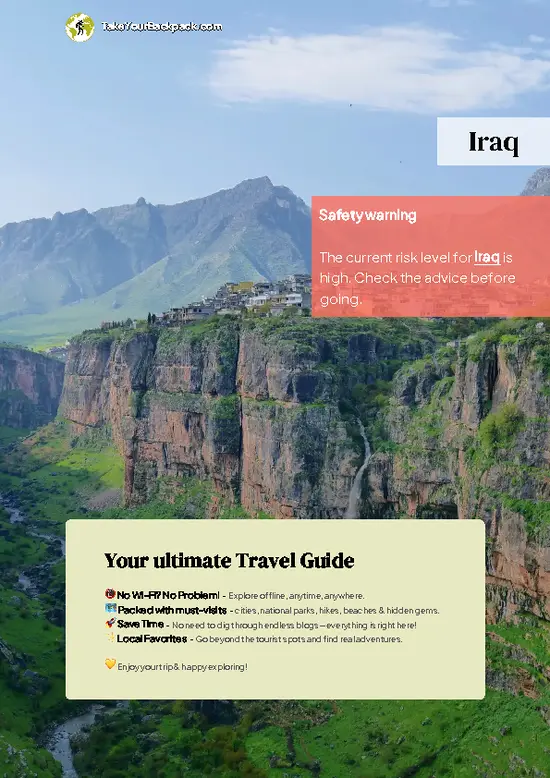
example page 0 from our offline Travel Guide for Iraq
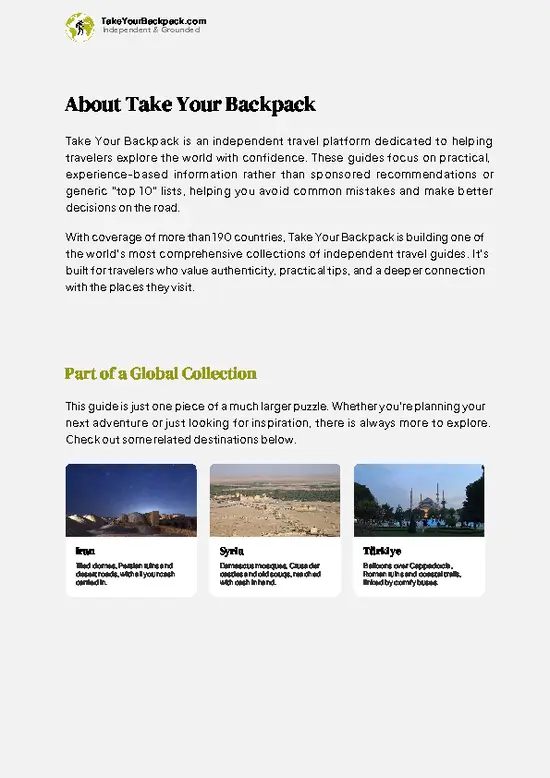
example page 1 from our offline Travel Guide for Iraq
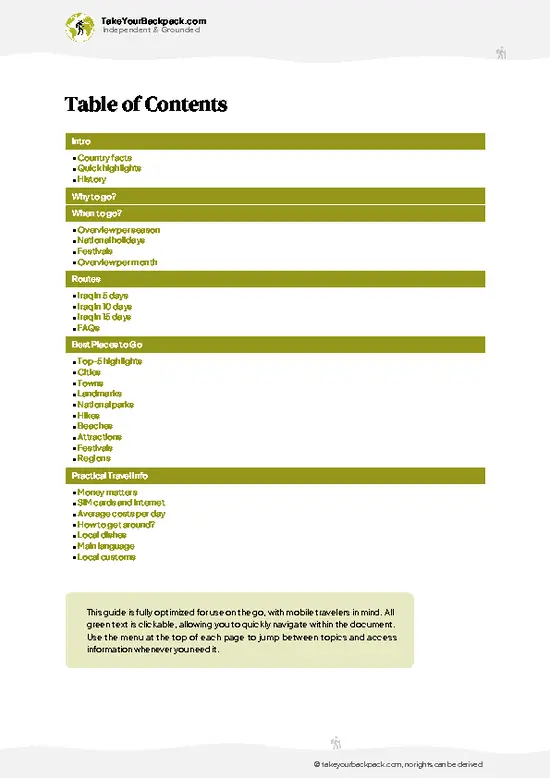
example page 2 from our offline Travel Guide for Iraq
example page 3 from our offline Travel Guide for Iraq
example page 4 from our offline Travel Guide for Iraq
example page 5 from our offline Travel Guide for Iraq
example page 6 from our offline Travel Guide for Iraq
example page 7 from our offline Travel Guide for Iraq
The digital guide (375 pages) contains:
107 highlights, ranked by travel appeal
Optimized 5, 10 & 15-day travel routes
Cities, national parks, landmarks, beaches
How to get around
Offline-friendly for travel without Wi-Fi
👉 Click to see all 30+ guide features

📅 Plan smarter in minutes, not weeks
Month by month travel advice
Festivals & national holidays
Budget expectations

🗺️ Go to the right places, skip the overrated ones
Honest pros & cons of destinations
Top hikes, parks & viewpoints
Lesser-known places most travelers miss
Clear “worth it vs skip it” guidance

🛏️ Travel smoothly without rookie mistakes
Best areas to stay
Transport systems explained simply
Common scams & safety advice
SIM cards, money & practical tips

🌍 Understand the country, not just visit it
Culture & traditions
52 Essential phrases & customs
Festivals worth planning around
Traveler-friendly historical context
Insights that make places more meaningful

📱 Built for real travel conditions
Fully downloadable PDF
Works completely offline
Optimized for phone use
Useful in remote areas & buses
Everything in one place
Save weeks of stressful planning
Get instant access to your full guide. 30‑day money-back guarantee.


By proceeding you agree to our terms.
Sent to your inbox immediately after payment • 100% Secure Checkout
Best Backpacking Travel Advisor 2025 tourism awardBest Backpacking
Travel Advisor
2025
What others say about Take Your Backpack Guides:
⭐⭐⭐⭐⭐
Fantastic, amazing amount of information!
⭐⭐⭐⭐⭐
My goodness this is amazing, it's what I've been looking for hats off too you!
⭐⭐⭐⭐⭐
I think this is absolutely BRILLIANT
⭐⭐⭐⭐
Very complete and informative. It's still missing places, but I gotta to commend you
⭐⭐⭐⭐⭐
This is truly amazing, thank you, can't wait to explore it with my kids!
⭐⭐⭐⭐⭐
Awesome resource, thank you!
⭐⭐⭐⭐⭐
This is amazing! Can't wait to explore the ones I haven't seen
⭐⭐⭐⭐
I love this! Well done, great idea.
⭐⭐⭐⭐⭐
Thanks for taking the time to make this gem!
⭐⭐⭐⭐⭐
This might be the best website I've ever seen.
⭐⭐⭐⭐⭐
Congratulations, and thank you so much for your work; it's incredibly valuable.
⭐⭐⭐⭐
In all seriousness I think you did a great job pointing out the important spots
⭐⭐⭐⭐⭐
10/10 very good
⭐⭐⭐⭐⭐
As someone who's only just starting to visit regularly this is awesome, thank you.
⭐⭐⭐⭐
Thank you very much! I'm going to visit my dad, it's going to be very useful!
⭐⭐⭐⭐⭐
This is really cool! We'll be travelling for the first time and this definitely come in handy.
⭐⭐⭐⭐⭐
You are now our minister of culture, congratulations 👨‍💼
⭐⭐⭐⭐⭐
Just wanted to tell you that this is a pearl! Going to follow your recommendations.
⭐⭐⭐⭐⭐
This is so cool. I'll definitely be using the resource for my travels soon.
⭐⭐⭐⭐⭐
This is very impressive! Good work.
⭐⭐⭐⭐⭐
This is an amazing and informative site. Very well done!

🛏️ Where to stay?Where to Base Yourself

Yes — hostels and cheap guesthouses exist in Iraq but they’re concentrated and limited: the best and safest budget options are in Iraqi Kurdistan (Erbil city centre and the Ankawa suburb, and Sulaymaniyah centre), pilgrim hubs (Najaf and Karbala) offer many low-cost guesthouses, while Baghdad (Karrada and Mansour) and Basra tend to have a few budget hotels rather than backpacker hostels.

Erbil/Ankawa — safer and more tourist-friendly with cafes, nightlife and easier hostel availability but slightly pricier and routine ID/security checks; Sulaymaniyah — lively, affordable local guesthouses with fewer international services; Najaf/Karbala — very cheap and abundant near shrines but often overcrowded … read more 👉
Yes — hostels and cheap guesthouses exist in Iraq but they’re concentrated and limited: the best and safest budget options are in Iraqi Kurdistan (Erbil city centre and the Ankawa suburb, and Sulaymaniyah centre), pilgrim hubs (Najaf and Karbala) offer many low-cost guesthouses, while Baghdad (Karrada and Mansour) and Basra tend to have a few budget hotels rather than backpacker hostels.

Erbil/Ankawa — safer and more tourist-friendly with cafes, nightlife and easier hostel availability but slightly pricier and routine ID/security checks; Sulaymaniyah — lively, affordable local guesthouses with fewer international services; Najaf/Karbala — very cheap and abundant near shrines but often overcrowded during pilgrimage seasons and socially conservative; Baghdad (Karrada/Mansour) — central access to museums and restaurants but sparse hostel options and visible security measures; Basra — limited, basic hotels and variable conditions.

If you enjoy meeting fellow travelers, consider choosing hostels with high ratings for atmosphere. On the other hand, if you prefer having your own space, a hotel might be a better option.

IraqExpand Your Journey

👋 Meet the founderWho’s Behind Take Your Backpack?

Johan, backpacker and founder of TakeYourBackpackHi, I’m Johan (Netherlands 🇳🇱), the creator of TakeYourBackpack. Over the past decade, I’ve backpacked through 80+ countries across six continents, gaining extensive experience with independent travel, long-term trips, and overland routes.

This site is built on a combination of firsthand travel experience and carefully curated insights from other backpackers. Many guides are based on places I’ve personally visited, while others bring together tips, observations, and practical advice shared by trusted travelers I’ve met along the way.

The goal is to provide realistic, experience-driven guidance — not generic itineraries — so you can explore destinations with better context, clearer expectations, and more confidence.

Get full Iraq guide •
Instant download • 107 highlights • Full Offline guide