v2.webp)






The Warka Vase
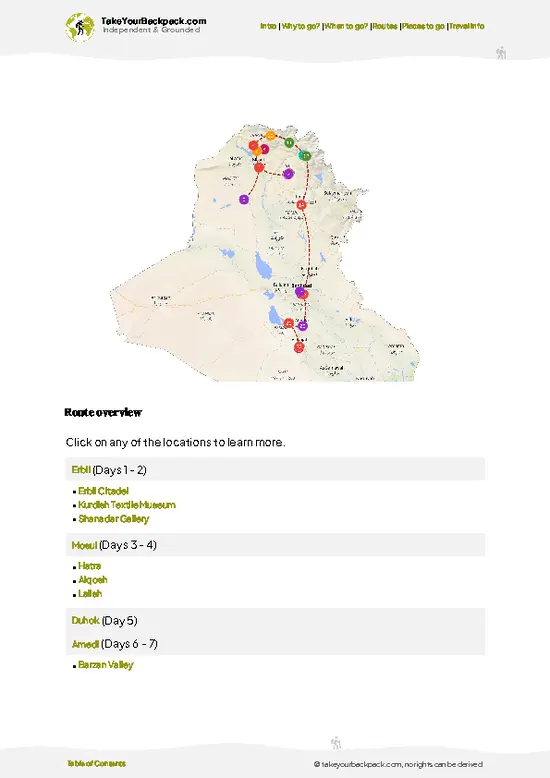
Forget the Louvre’s Mona Lisa crowds—here, you’ll stand face-to-face with a 5,000-year-old Sumerian masterpiece that’s survived looters, war, and the kind of chaos that would make Indiana Jones sweat. The Warka Vase isn’t just old; it’s the world’s oldest known carved stone ritual vessel, and it tells a story in stone about the world’s first city, Uruk. You can actually trace the birth of civilization in its reliefs—gods, priests, and offerings, all in a single vertical narrative. No velvet ropes, no Instagram mobs, just you and the dawn of urban humanity.
The Nimrud Ivories
These aren’t your grandma’s knickknacks. The Nimrud Ivories are a collection of exquisitely carved panels and figurines, rescued from the ashes of ancient Assyria. Some are inlaid with gold and lapis lazuli, … read more 👉
Forget the Louvre’s Mona Lisa crowds—here, you’ll stand face-to-face with a 5,000-year-old Sumerian masterpiece that’s survived looters, war, and the kind of chaos that would make Indiana Jones sweat. The Warka Vase isn’t just old; it’s the world’s oldest known carved stone ritual vessel, and it tells a story in stone about the world’s first city, Uruk. You can actually trace the birth of civilization in its reliefs—gods, priests, and offerings, all in a single vertical narrative. No velvet ropes, no Instagram mobs, just you and the dawn of urban humanity.
The Nimrud Ivories
These aren’t your grandma’s knickknacks. The Nimrud Ivories are a collection of exquisitely carved panels and figurines, rescued from the ashes of ancient Assyria. Some are inlaid with gold and lapis lazuli, … read more 👉
The Warka Vase
Forget the Louvre’s Mona Lisa crowds—here, you’ll stand face-to-face with a 5,000-year-old Sumerian masterpiece that’s survived looters, war, and the kind of chaos that would make Indiana Jones sweat. The Warka Vase isn’t just old; it’s the world’s oldest known carved stone ritual vessel, and it tells a story in stone about the world’s first city, Uruk. You can actually trace the birth of civilization in its reliefs—gods, priests, and offerings, all in a single vertical narrative. No velvet ropes, no Instagram mobs, just you and the dawn of urban humanity.
The Nimrud Ivories
These aren’t your grandma’s knickknacks. The Nimrud Ivories are a collection of exquisitely carved panels and figurines, rescued from the ashes of ancient Assyria. Some are inlaid with gold and lapis lazuli, others are so finely detailed you’ll wonder how anyone managed it with Bronze Age tools. They’re a crash course in ancient luxury—and, yes, a reminder that “bling” is a Mesopotamian invention. The real thrill? Many pieces were only recently returned after being looted, so you’re witnessing a living chapter of cultural resilience.
The Babylonian Lion
This isn’t a cartoonish mascot—it’s a glazed brick relief that once lined the Processional Way of Babylon, the city that gave us the Tower of Babel and Hammurabi’s Code. The lion is fierce, regal, and still radiates the kind of power that made Alexander the Great stop and stare. You’ll feel the weight of empire in the room, and if you listen closely, maybe the echo of ancient parades.
The Royal Tombs of Ur Artifacts
Gold helmets, lyres with bull heads, jewelry that would make a modern influencer jealous—these treasures were buried with Sumerian royalty nearly 4,500 years ago. The museum’s collection is a time capsule from the world’s first great civilization, and the craftsmanship is so advanced it’ll make you question everything you thought you knew about “primitive” societies. This is the stuff that inspired legends of lost cities and epic quests.
The Assyrian Lamassu
Towering, winged, human-headed bulls that once guarded palace gates—these Lamassu are the original bouncers of ancient Mesopotamia. Up close, their scale and detail are jaw-dropping. You’ll see cuneiform inscriptions running across their bodies, and if you circle them, you’ll notice the legs are carved to look correct from every angle—a mind-bending trick from 3,000 years ago. No filter needed; these are the real deal.
The Cuneiform Tablets
Rows and rows of clay tablets, each pressed with the world’s first writing system. Some are receipts, some are epic poems, some are legal codes that predate the Ten Commandments. You’re looking at the birth of bureaucracy, literature, and law. The entertainment value? Deciphering the everyday drama of ancient accountants and poets, and realizing how little human nature has changed.
Forget the Louvre’s Mona Lisa crowds—here, you’ll stand face-to-face with a 5,000-year-old Sumerian masterpiece that’s survived looters, war, and the kind of chaos that would make Indiana Jones sweat. The Warka Vase isn’t just old; it’s the world’s oldest known carved stone ritual vessel, and it tells a story in stone about the world’s first city, Uruk. You can actually trace the birth of civilization in its reliefs—gods, priests, and offerings, all in a single vertical narrative. No velvet ropes, no Instagram mobs, just you and the dawn of urban humanity.
The Nimrud Ivories
These aren’t your grandma’s knickknacks. The Nimrud Ivories are a collection of exquisitely carved panels and figurines, rescued from the ashes of ancient Assyria. Some are inlaid with gold and lapis lazuli, others are so finely detailed you’ll wonder how anyone managed it with Bronze Age tools. They’re a crash course in ancient luxury—and, yes, a reminder that “bling” is a Mesopotamian invention. The real thrill? Many pieces were only recently returned after being looted, so you’re witnessing a living chapter of cultural resilience.
The Babylonian Lion
This isn’t a cartoonish mascot—it’s a glazed brick relief that once lined the Processional Way of Babylon, the city that gave us the Tower of Babel and Hammurabi’s Code. The lion is fierce, regal, and still radiates the kind of power that made Alexander the Great stop and stare. You’ll feel the weight of empire in the room, and if you listen closely, maybe the echo of ancient parades.
The Royal Tombs of Ur Artifacts
Gold helmets, lyres with bull heads, jewelry that would make a modern influencer jealous—these treasures were buried with Sumerian royalty nearly 4,500 years ago. The museum’s collection is a time capsule from the world’s first great civilization, and the craftsmanship is so advanced it’ll make you question everything you thought you knew about “primitive” societies. This is the stuff that inspired legends of lost cities and epic quests.
The Assyrian Lamassu
Towering, winged, human-headed bulls that once guarded palace gates—these Lamassu are the original bouncers of ancient Mesopotamia. Up close, their scale and detail are jaw-dropping. You’ll see cuneiform inscriptions running across their bodies, and if you circle them, you’ll notice the legs are carved to look correct from every angle—a mind-bending trick from 3,000 years ago. No filter needed; these are the real deal.
The Cuneiform Tablets
Rows and rows of clay tablets, each pressed with the world’s first writing system. Some are receipts, some are epic poems, some are legal codes that predate the Ten Commandments. You’re looking at the birth of bureaucracy, literature, and law. The entertainment value? Deciphering the everyday drama of ancient accountants and poets, and realizing how little human nature has changed.
Spotted a mistake or missing something? Contact us.

 Best Backpacking
.jpg) Hi, I’m Johan (Netherlands 🇳🇱), the creator of TakeYourBackpack. Over the past 3 decades, I’ve backpacked through 90+ countries across six continents, gaining extensive experience with independent travel, long-term trips, and overland routes.
Hi, I’m Johan (Netherlands 🇳🇱), the creator of TakeYourBackpack. Over the past 3 decades, I’ve backpacked through 90+ countries across six continents, gaining extensive experience with independent travel, long-term trips, and overland routes.