×

Iraq🇮🇶 | citiesRamadiDesert edge, government buildings, wide avenues | things to do and best time to go

Explore FallujahExplore Tal Afar

Backpacking in Ramadi
👌 Worth visitingcity ranked #16
By Johan Kruseman 🇳🇱 | Updated June 10, 2026

Most people only realize after leaving that Ramadi is one of the easiest places in Iraq to slip into “normal life” with locals instead of feeling like a spectacle. Sitting west of Baghdad on the Euphrates in Anbar Province, it’s a workaday city, not a showpiece. You get riverside walks, busy markets, a few low-key cafes, and war-scarred streets slowly rebuilding. It’s cheaper and less intense than Baghdad, but security can feel fragile and foreign faces are rare. Expect minimal tourist infrastructure, almost no backpacker scene, and a calm, slightly wary vibe that rewards patience and good local contacts.

Discover everything you want to know in the 📖 Iraq Travel Guide.
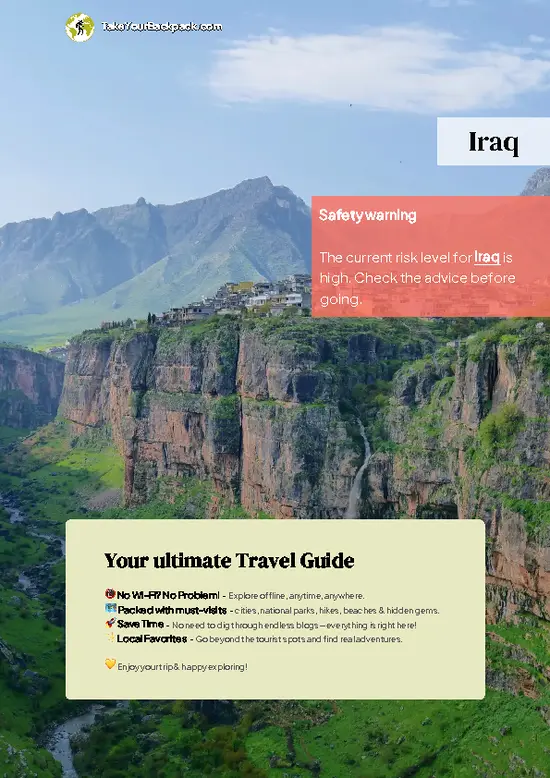
Safety warning

The current risk level for Iraq is high. Check the advice before going.


Get your Iraq guide
107 ranked highlights, routes & tips, works offline (375 pages)
Loading the map 🌍
CLICK TO FILTER
cities
towns
landmarks
national parks
hikes
beaches
attractions
festivals
regions
SHOW COUNTRY’S BESTSHOW ALL

✨ Why go?
Ranked #16 city in Iraq
Why Ramadi should be on your travel list

Backpackers find themselves in Ramadi for a mix of value and authenticity. The city serves as a solid basecamp for day trips, allowing you to explore the surrounding areas without breaking the bank. Hostels here are often affordable, offering a chance to connect with fellow travelers while keeping your budget intact. The food scene is a delightful surprise, with local eateries serving up hearty meals that won’t empty your wallet. Plus, the walkability of the city makes it easy to navigate, letting you soak in the local vibe without the hassle of transportation. While the nightlife may not rival larger cities, it offers a unique charm that’s worth experiencing. If you’re looking for a place that fits seamlessly into a broader backpacking route, Ramadi is a smart choice for a short stop or an extended stay.
Want to include Ramadi in your Iraq route?
Create a personalized Iraq itinerary that includes Ramadi and the places that fit your trip — based on your travel style, budget, and available time. Get your route in seconds.

Generate my trip

💡 HighlightsMust-see experiences and standout moments

  1. Euphrates riverfront and Ramadi bridges: The river is the city’s lifeline — walk the banks, watch local fishermen, and see everyday life unfold beneath the concrete bridges that connect Ramadi’s neighborhoods. The riverside gives the clearest sense of the city’s geography and rhythms.
  2. Al Anbar University (University of Anbar): The main campus in Ramadi is a regional hub for students and culture. Visiting the campus lets you see modern Iraqi student life, university architecture, small cafes, and public events when they’re on.
  3. Ramadi central souq (city market): The old-style market areas in central Ramadi are where locals shop for food, dates, clothing, and household goods. It’s the best place to experience local flavors, bargaining, and day-to-day commerce that define Ramadi life.
  4. Al-Ramadi
read more 👉
  1. Euphrates riverfront and Ramadi bridges: The river is the city’s lifeline — walk the banks, watch local fishermen, and see everyday life unfold beneath the concrete bridges that connect Ramadi’s neighborhoods. The riverside gives the clearest sense of the city’s geography and rhythms.
  2. Al Anbar University (University of Anbar): The main campus in Ramadi is a regional hub for students and culture. Visiting the campus lets you see modern Iraqi student life, university architecture, small cafes, and public events when they’re on.
  3. Ramadi central souq (city market): The old-style market areas in central Ramadi are where locals shop for food, dates, clothing, and household goods. It’s the best place to experience local flavors, bargaining, and day-to-day commerce that define Ramadi life.
  4. Al-Ramadi Sports Club and stadium: The local football club and its grounds are a genuine community focus — catch a local match or visit on a training day to see how sport brings neighborhoods together across generations.
  5. Historic neighborhoods along the river (Old Ramadi quarters): Narrow streets, traditional riverfront houses, and clusters of date palms give a feel for the city’s older urban fabric. Walking these quarters shows the domestic, lived-in side of Ramadi more than any official site can.
  6. Date palm groves and riverside agriculture: Scattered inside and just beyond the city, these small-scale farms shape local diets and work rhythms. Visiting groves and roadside sellers gives a direct taste of regional produce — fresh dates and homegrown vegetables.
A few good day trips nearby are Lake Habbaniyah for lakeside scenery, the Haditha Dam on the Euphrates for a big-engineering landmark, and the city of Fallujah for another close urban perspective.
Spotted a mistake or missing something? Contact us.
🏘️ NeighborhoodsUnderstanding the local layout

Ramadi offers a unique blend of history and resilience, making it an intriguing stop for adventurous backpackers. Here’s a breakdown of key neighborhoods:

City Center: The heart of Ramadi, this area buzzes with local life. You’ll find markets, street food, and a vibrant atmosphere. Costs are moderate, and it’s highly walkable. Perfect for short stays, you can soak in the local culture quickly. Nightlife is minimal, but the daytime energy is infectious.

Al-Bu Farraj: A quieter neighborhood, ideal for those seeking a more laid-back experience. It’s less touristy, offering a glimpse into everyday life. Costs are lower here, and while walkability is decent, public transport is your best bet for longer distances. Great for longer stays if you want to immerse yourself in the local rhythm.

Al-Mal’ab: … read more 👉
Ramadi offers a unique blend of history and resilience, making it an intriguing stop for adventurous backpackers. Here’s a breakdown of key neighborhoods:

City Center: The heart of Ramadi, this area buzzes with local life. You’ll find markets, street food, and a vibrant atmosphere. Costs are moderate, and it’s highly walkable. Perfect for short stays, you can soak in the local culture quickly. Nightlife is minimal, but the daytime energy is infectious.

Al-Bu Farraj: A quieter neighborhood, ideal for those seeking a more laid-back experience. It’s less touristy, offering a glimpse into everyday life. Costs are lower here, and while walkability is decent, public transport is your best bet for longer distances. Great for longer stays if you want to immerse yourself in the local rhythm.

Al-Mal’ab: Known for its parks and open spaces, this area is perfect for relaxation. It’s a bit pricier due to its amenities, but the comfort is worth it. Walkable with good transport links, it’s suitable for both short and long visits. The vibe is peaceful, making it a nice contrast to the busier parts of the city.

⌛️ 1 day1-day itinerary for Ramadi

Ramadi, a city rich in history and resilience, offers a unique glimpse into Iraq’s cultural tapestry. Start your day in the bustling Al-Jazeera neighborhood. Grab a traditional breakfast at a local café—think fresh bread, creamy labneh, and aromatic tea. This sets the tone for a day of exploration.

After breakfast, head to the iconic Ramadi Bridge. It’s not just a crossing; it’s a symbol of the city’s spirit. Stroll along the Euphrates River, soaking in the views and the local life. You might spot fishermen casting their nets or families enjoying a leisurely morning by the water.

In the afternoon, make your way to the Al-Askari Mosque. While it’s a well-known site, the tranquility here is often overlooked. Spend some time reflecting in the serene courtyard. For a taste of local life, wander … read more 👉
Ramadi, a city rich in history and resilience, offers a unique glimpse into Iraq’s cultural tapestry. Start your day in the bustling Al-Jazeera neighborhood. Grab a traditional breakfast at a local café—think fresh bread, creamy labneh, and aromatic tea. This sets the tone for a day of exploration.

After breakfast, head to the iconic Ramadi Bridge. It’s not just a crossing; it’s a symbol of the city’s spirit. Stroll along the Euphrates River, soaking in the views and the local life. You might spot fishermen casting their nets or families enjoying a leisurely morning by the water.

In the afternoon, make your way to the Al-Askari Mosque. While it’s a well-known site, the tranquility here is often overlooked. Spend some time reflecting in the serene courtyard. For a taste of local life, wander through the nearby markets. Engage with vendors selling spices, textiles, and handmade crafts. This is where you’ll find the heart of Ramadi, away from the typical tourist path.

As evening approaches, find a cozy spot in the Al-Muhandiseen district for dinner. Sample some grilled kebabs and fresh salads, paired with a local drink. The atmosphere is lively, filled with laughter and conversation.

End your day by taking a leisurely walk back along the river, watching the sunset paint the sky. This blend of history, culture, and community makes Ramadi a city worth experiencing.
Turn your Ramadi visit into an Iraq adventure
Build a complete Iraq route with Ramadi, hidden gems, must-see destinations, and realistic travel times included.

Generate my trip

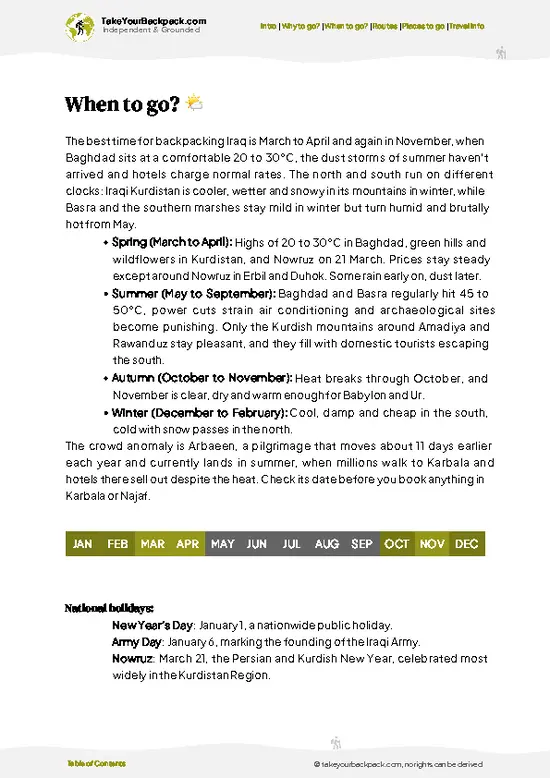
🌤️ When to go?Best time to visit Ramadi


  • Weather: Ramadi’s summers scorch with highs often above 45°C (113°F), making outdoor trekking brutal. Winters are mild and dry, hovering around 15-20°C (59-68°F), ideal for walking without overheating or freezing.

  • Temperature: Spring and autumn offer a sweet spot—daytime temps between 20-30°C (68-86°F) balance warmth and comfort, perfect for long hikes and exploring without sweating buckets or bundling up.

  • Daylight Hours: Expect roughly 11-13 hours of daylight year-round, enough to pack in activities but not so much that you burn out. Longer days in summer come with the heat trade-off.

  • Crowds: Ramadi isn’t a tourist hotspot, so crowds are minimal year-round. However, local holidays can spike activity, so timing around those can mean quieter streets or vibrant cultural scenes, depending
read more 👉

  • Weather: Ramadi’s summers scorch with highs often above 45°C (113°F), making outdoor trekking brutal. Winters are mild and dry, hovering around 15-20°C (59-68°F), ideal for walking without overheating or freezing.

  • Temperature: Spring and autumn offer a sweet spot—daytime temps between 20-30°C (68-86°F) balance warmth and comfort, perfect for long hikes and exploring without sweating buckets or bundling up.

  • Daylight Hours: Expect roughly 11-13 hours of daylight year-round, enough to pack in activities but not so much that you burn out. Longer days in summer come with the heat trade-off.

  • Crowds: Ramadi isn’t a tourist hotspot, so crowds are minimal year-round. However, local holidays can spike activity, so timing around those can mean quieter streets or vibrant cultural scenes, depending on your preference.

  • Seasonal Activities: Outdoor markets and cultural events peak in cooler months, giving you a chance to engage with local life when the weather cooperates.

  • Price Fluctuations: Accommodation and transport costs dip in the off-peak summer months due to the heat, but the discomfort often outweighs the savings. Cooler months see a slight price bump but better value in experience.


Pro-tip: Aim for late autumn or early spring to maximize comfort and cultural immersion while avoiding the extremes of heat and price spikes.


source: climatestotravel.comJANJanuary: highly recommended for travelingFEBFebruary: highly recommended for travelingMARMarch: excellent for travelingAPRApril: excellent for travelingMAYMay: good for travelingJUNJune: fair for travelingJULJuly: below average for travelingAUGAugust: below average for travelingSEPSeptember: good for travelingOCTOctober: excellent for travelingNOVNovember: excellent for travelingDECDecember: highly recommended for traveling
when-to-go

✈️ The backpacker research shortcutIraq Travel Guide

An offline-friendly backpacking guide with optimized travel routes, ranked highlights, transport advice, and the best areas to stay.
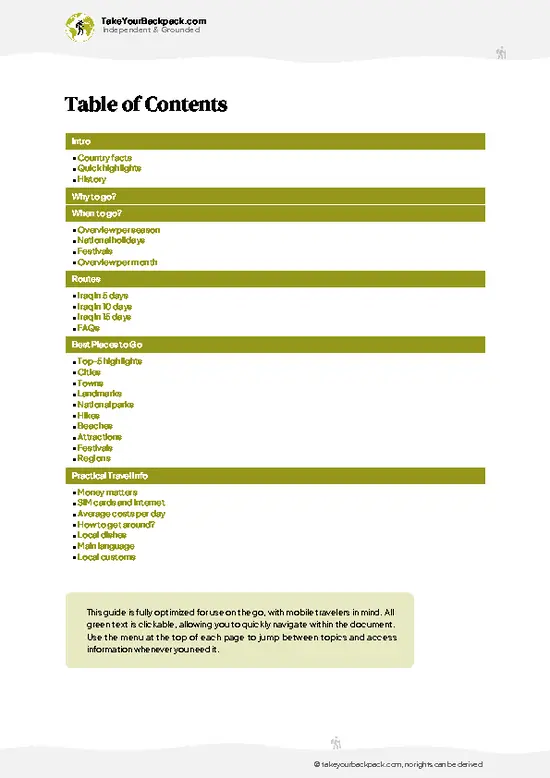
example page 0 from our offline Travel Guide for Iraqexample page 1 from our offline Travel Guide for Iraqexample page 2 from our offline Travel Guide for Iraqexample page 3 from our offline Travel Guide for Iraqexample page 4 from our offline Travel Guide for Iraqexample page 5 from our offline Travel Guide for Iraqexample page 6 from our offline Travel Guide for Iraqexample page 7 from our offline Travel Guide for Iraq
The digital guide (375 pages) contains:
107 highlights, ranked by travel appeal
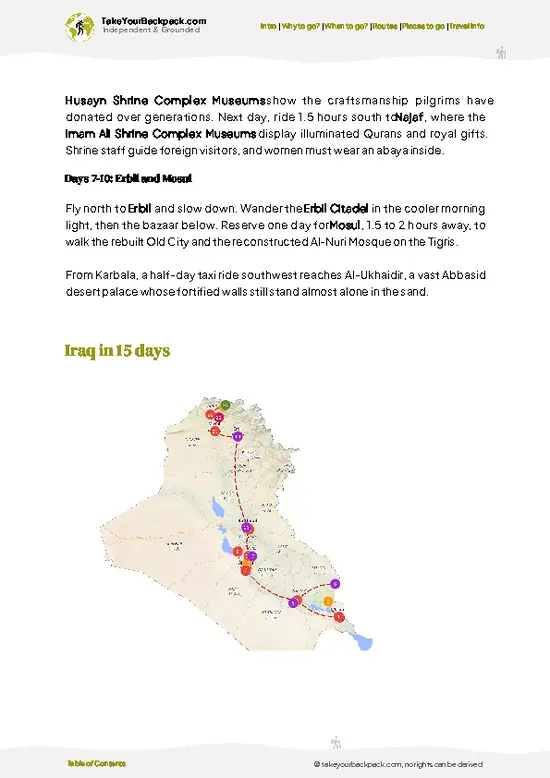
Optimized 5, 10 & 15-day travel routes
Cities, national parks, landmarks, beaches
How to get around
Offline-friendly for travel without Wi-Fi
👉 Click to see all 30+ guide features

📅 Plan smarter in minutes, not weeks
Month by month travel advice
Festivals & national holidays
Budget expectations

🗺️ Go to the right places, skip the overrated ones
Honest pros & cons of destinations
Top hikes, parks & viewpoints
Lesser-known places most travelers miss
Clear “worth it vs skip it” guidance

🛏️ Travel smoothly without rookie mistakes
Best areas to stay
Transport systems explained simply
Common scams & safety advice
SIM cards, money & practical tips

🌍 Understand the country, not just visit it
Culture & traditions
52 Essential phrases & customs
Festivals worth planning around
Traveler-friendly historical context
Insights that make places more meaningful

📱 Built for real travel conditions
Fully downloadable PDF
Works completely offline
Optimized for phone use
Useful in remote areas & buses
Everything in one place
Save weeks of stressful planning
Get instant access to your full guide. 30‑day money-back guarantee.


By proceeding you agree to our terms.
Sent to your inbox immediately after payment • 100% Secure Checkout
Best Backpacking Travel Advisor 2025 tourism awardBest Backpacking
Travel Advisor
2025
What others say about Take Your Backpack Guides:
⭐⭐⭐⭐⭐
Fantastic, amazing amount of information!
⭐⭐⭐⭐⭐
My goodness this is amazing, it's what I've been looking for hats off too you!
⭐⭐⭐⭐⭐
I think this is absolutely BRILLIANT
⭐⭐⭐⭐
Very complete and informative. It's still missing places, but I gotta to commend you
⭐⭐⭐⭐⭐
This is truly amazing, thank you, can't wait to explore it with my kids!
⭐⭐⭐⭐⭐
Awesome resource, thank you!
⭐⭐⭐⭐⭐
This is amazing! Can't wait to explore the ones I haven't seen
⭐⭐⭐⭐
I love this! Well done, great idea.
⭐⭐⭐⭐⭐
Thanks for taking the time to make this gem!
⭐⭐⭐⭐⭐
This might be the best website I've ever seen.
⭐⭐⭐⭐⭐
Congratulations, and thank you so much for your work; it's incredibly valuable.
⭐⭐⭐⭐
In all seriousness I think you did a great job pointing out the important spots
⭐⭐⭐⭐⭐
10/10 very good
⭐⭐⭐⭐⭐
As someone who's only just starting to visit regularly this is awesome, thank you.
⭐⭐⭐⭐
Thank you very much! I'm going to visit my dad, it's going to be very useful!
⭐⭐⭐⭐⭐
This is really cool! We'll be travelling for the first time and this definitely come in handy.
⭐⭐⭐⭐⭐
You are now our minister of culture, congratulations 👨‍💼
⭐⭐⭐⭐⭐
Just wanted to tell you that this is a pearl! Going to follow your recommendations.
⭐⭐⭐⭐⭐
This is so cool. I'll definitely be using the resource for my travels soon.
⭐⭐⭐⭐⭐
This is very impressive! Good work.
⭐⭐⭐⭐⭐
This is an amazing and informative site. Very well done!

🛏️ Where to stay?How to pick the right area

Ramadi’s backpacker scene is limited but the best bet is the city center near the Euphrates River. This area offers a balance of safety and social energy, where locals and a few budget travelers converge. It’s not a backpacker hub like other global cities, but here you’ll find guesthouses and small inns that cater to tighter budgets and solo travelers. The vibe is practical—no frills, but enough to connect with others and navigate the city easily. Avoid outskirts and industrial zones; they’re less secure and isolating. Staying central means sacrificing some comfort for accessibility and interaction, … read more 👉
Ramadi’s backpacker scene is limited but the best bet is the city center near the Euphrates River. This area offers a balance of safety and social energy, where locals and a few budget travelers converge. It’s not a backpacker hub like other global cities, but here you’ll find guesthouses and small inns that cater to tighter budgets and solo travelers. The vibe is practical—no frills, but enough to connect with others and navigate the city easily. Avoid outskirts and industrial zones; they’re less secure and isolating. Staying central means sacrificing some comfort for accessibility and interaction, but that’s the trade-off for a genuine experience in Ramadi. Hostels are sparse, so guesthouses with communal spaces become your social lifeline. This is where you play smart, choosing connection over luxury.

🚌 Getting aroundGetting around like a local

Ramadi moves with a pulse that’s part clockwork, part chaos. You’ll find moments where schedules are etched in stone—like government buses or official taxis—but much of the city’s flow depends on intuition, local knowledge, and a willingness to adapt on the fly. It’s a place where time bends around social rhythms and the unexpected, so mastering transit here means balancing patience with strategy. Your choices boil down to a trade-off between saving money, shaving off travel time, or grabbing a bit more comfort. Here’s the lowdown on the essentials for getting around Ramadi without blowing your budget.


  • Walking: The ultimate budget option. Ramadi’s core neighborhoods are compact enough to explore on foot, especially early mornings or late afternoons when the heat softens. Zero cost, full
read more 👉
Ramadi moves with a pulse that’s part clockwork, part chaos. You’ll find moments where schedules are etched in stone—like government buses or official taxis—but much of the city’s flow depends on intuition, local knowledge, and a willingness to adapt on the fly. It’s a place where time bends around social rhythms and the unexpected, so mastering transit here means balancing patience with strategy. Your choices boil down to a trade-off between saving money, shaving off travel time, or grabbing a bit more comfort. Here’s the lowdown on the essentials for getting around Ramadi without blowing your budget.


  • Walking: The ultimate budget option. Ramadi’s core neighborhoods are compact enough to explore on foot, especially early mornings or late afternoons when the heat softens. Zero cost, full control, but expect slower travel and occasional dust or uneven sidewalks.


  • Shared Minibuses: These are the city’s unofficial arteries. They run roughly from dawn until dusk, costing just a few hundred Iraqi dinars per ride. They’re fast compared to walking but can get cramped and unpredictable on timing—think of them as a rolling puzzle you solve by jumping in and out at the right stops.


  • Public Buses: Scheduled and affordable, public buses operate mainly during business hours, roughly 6 AM to 6 PM. They offer a more comfortable ride than minibuses but stick to fixed routes, so flexibility is limited. Expect a modest fare and occasional delays due to traffic or security checks.


  • Shared Taxis: Slightly pricier but faster and more direct than buses or minibuses. They run all day and night, ideal if you’re carrying gear or traveling late. Prices vary but remain reasonable if you share the ride. Comfort is decent, though expect local driving styles to keep you alert.

👛 Costs (as of 17 June 2026)Typical daily expenses

Backpacking in Ramadi, Iraq, demands a sharp eye on your budget because the balance between time, money, and comfort here is a tightrope walk with real stakes.
  • Dorm Accommodation (High Season): Expect to pay around $15 to $25 per night. Options are limited and basic, often with minimal amenities, so the price reflects a no-frills, secure place to crash.
  • Dorm Accommodation (Off-Season): Prices drop to about $10 to $18 per night. Fewer travelers mean better bargaining power, but also fewer choices and potentially less reliable availability.
  • Meals: Street food and local eateries will cost you roughly $5 to $10 per day. This covers simple, hearty meals—think grilled meats, rice, and fresh bread—enough to keep you fueled without breaking the bank.
  • Local Transport: Shared taxis and minibuses
read more 👉
Backpacking in Ramadi, Iraq, demands a sharp eye on your budget because the balance between time, money, and comfort here is a tightrope walk with real stakes.
  • Dorm Accommodation (High Season): Expect to pay around $15 to $25 per night. Options are limited and basic, often with minimal amenities, so the price reflects a no-frills, secure place to crash.
  • Dorm Accommodation (Off-Season): Prices drop to about $10 to $18 per night. Fewer travelers mean better bargaining power, but also fewer choices and potentially less reliable availability.
  • Meals: Street food and local eateries will cost you roughly $5 to $10 per day. This covers simple, hearty meals—think grilled meats, rice, and fresh bread—enough to keep you fueled without breaking the bank.
  • Local Transport: Shared taxis and minibuses run about $1 to $3 per trip within the city. It’s cheap but expect crowded rides and irregular schedules, so factor in some waiting time.
  • City Transport Pass: There is no formal city transport pass system in Ramadi. Budget travelers rely on individual fares, which means you pay per ride without discounts for bulk travel.
  • Basic Activities/Entry Fees: Cultural or historical sites are scarce and often free or cost under $5. Organized tours are rare and usually expensive, so independent exploration is the norm.
  • Miscellaneous Expenses: Budget around $3 to $7 for essentials like bottled water, snacks, or minor personal items. Keep some cash handy for unexpected small costs.

Ramadi’s daily backpacking budget typically falls between $25 and $45. You’re trading off comfort and convenience for affordability and authenticity, with limited infrastructure pushing you toward a lean, flexible travel style. This is a place where every dollar saved is a small victory, but also where the scarcity of options means you must plan carefully to avoid surprises.


source: iraq.embassy.gov.au
⚠️ Prices can change and everyone travels differently, so take this as a rough guide. Hope it helps you plan your adventure!

🚌 Day tripsShort trips worth adding

Using Ramadi as your base opens up a world of intriguing day trips that blend history, culture, and adventure. Here’s how to make the most of your time.

**Ancient Babylon**
Just a couple of hours from Ramadi, the ruins of Babylon are a must-see for history buffs. Walking through the remnants of one of the world’s oldest cities, you can almost hear the whispers of ancient civilizations. The site is vast, so plan to spend a good chunk of the day exploring. Budget around $10 for transport and entry fees. Spring and fall are ideal for comfortable weather. A common mistake is underestimating the time needed to explore; don’t rush through this monumental site.


**The Marshlands of Al-Qadisiyyah**
A unique ecosystem, the marshlands offer a chance to experience Iraq’s natural beauty. It’s … read more 👉
Using Ramadi as your base opens up a world of intriguing day trips that blend history, culture, and adventure. Here’s how to make the most of your time.

**Ancient Babylon**
Just a couple of hours from Ramadi, the ruins of Babylon are a must-see for history buffs. Walking through the remnants of one of the world’s oldest cities, you can almost hear the whispers of ancient civilizations. The site is vast, so plan to spend a good chunk of the day exploring. Budget around $10 for transport and entry fees. Spring and fall are ideal for comfortable weather. A common mistake is underestimating the time needed to explore; don’t rush through this monumental site.


**The Marshlands of Al-Qadisiyyah**
A unique ecosystem, the marshlands offer a chance to experience Iraq’s natural beauty. It’s about a 90-minute drive from Ramadi. You can rent a small boat and glide through the reeds, spotting local wildlife and enjoying the serene landscape. Expect to spend around $15 for transport and boat rental. Late spring is particularly lovely, as the marshes are full of life. First-timers often overlook the need for a local guide to navigate the waterways effectively.


**Fallujah**
Just a short ride away, Fallujah is rich in modern history and resilience. You can visit the local markets and experience the vibrant community life. The travel time is roughly 30 minutes, making it an easy half-day trip. Budget around $5 for transport. The best time to visit is early morning when the markets are bustling. Many newcomers miss the chance to engage with locals, which can lead to a more enriching experience.
👉 Explore Fallujah

**Habbaniyah Lake**
This picturesque lake is perfect for a relaxing day outdoors. It’s about an hour from Ramadi, ideal for a picnic or a swim. You can rent a kayak for about $10. Late spring and summer are best for enjoying the water. A common mistake is not checking the weather; it can get quite hot, so plan accordingly.
Want to know what more Iraq offers?
The Iraq Travel Guide describes 107 highlights, from cities to national parks, from beaches to hikes

Get the Travel Guide -

🍲 FoodWhat to Eat & Drink

In Ramadi, **food** is a vibrant tapestry of flavors that tells the story of its people. Dive into **kebabs**, marinated and grilled to perfection, served with warm, fluffy **pita**. Don’t miss **masgouf**, a traditional fish dish, often grilled over an open flame, infusing it with a smoky aroma that lingers in the air.

Street vendors are your best friends here. They dish out **falafel** and **shawarma** that are not just meals but experiences. The bustling markets are alive with the sounds of sizzling and laughter, where locals gather to share a meal and stories.

When it comes to **drinks**, try **chai**—a sweet, spiced tea that’s a staple in social gatherings. It’s customary to sip slowly, savoring each moment. Remember, sharing food is a sign of hospitality; if offered, accept graciously. … read more 👉
In Ramadi, **food** is a vibrant tapestry of flavors that tells the story of its people. Dive into **kebabs**, marinated and grilled to perfection, served with warm, fluffy **pita**. Don’t miss **masgouf**, a traditional fish dish, often grilled over an open flame, infusing it with a smoky aroma that lingers in the air.

Street vendors are your best friends here. They dish out **falafel** and **shawarma** that are not just meals but experiences. The bustling markets are alive with the sounds of sizzling and laughter, where locals gather to share a meal and stories.

When it comes to **drinks**, try **chai**—a sweet, spiced tea that’s a staple in social gatherings. It’s customary to sip slowly, savoring each moment. Remember, sharing food is a sign of hospitality; if offered, accept graciously. Embrace the local customs, and you’ll find that every bite and sip connects you deeper to Ramadi’s heart.

🛡️ SafetyTraveler Safety Guide

Ramadi is generally safe for travelers, but staying aware is key. Stick to well-trodden areas, especially during the evening. Solo travelers should avoid wandering alone after dark; instead, connect with locals or fellow travelers for company.

While scams are not rampant, be cautious of overly friendly strangers offering unsolicited help. They might expect something in return. Always negotiate prices upfront, especially with taxis or local guides, to avoid surprises.

Everyday annoyances can include aggressive vendors or persistent street sellers. A polite but firm “no, thank you” usually does the trick. Carry yourself confidently, and trust your instincts. This approach will help you navigate the city smoothly and enjoy its unique character.

Other Iraqi cities near Ramadi

Explore more nearby:

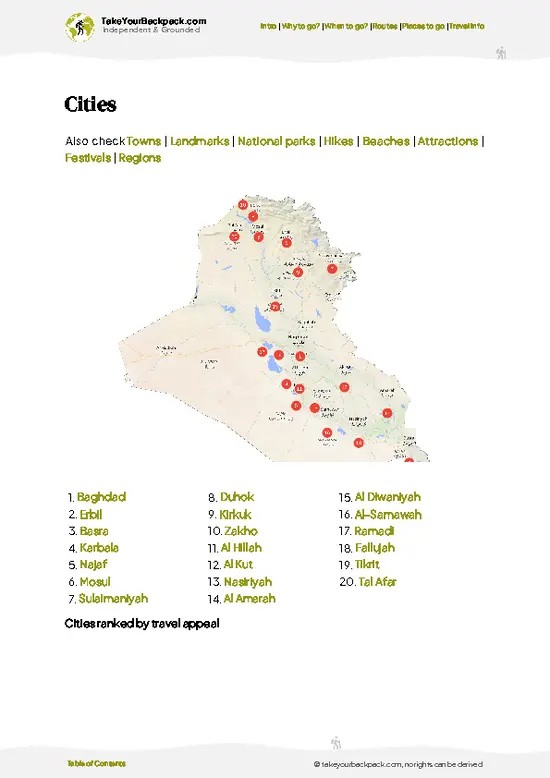
  • Fallujah—Euphrates bridges, urban sprawl, local bakeries| 49 km away
  • Al-Taji—military base, industrial zone, highway access| 93 km away
  • Al-Tarmiyah—orchard zone, riverbank farms, Sunni majority| 106 km away

💡 Not sure where to go next?
Create a personalized itinerary for Iraq including Ramadi and the places that fit your trip.

Generate my itinerary

👉 Discover all cities

Or checkout all Iraq has to offer (think cities, towns, villages, national parks, hikes, beaches, festivals)
Country photo of Iraq

We 💚 feedbackSumming up the experience

Ramadi has a raw, unfiltered energy that’s hard to find elsewhere. The best surprise? The warmth of the locals; they’re eager to share stories over a cup of tea. Just be mindful of your surroundings—stay aware and respect local customs. Embrace the grit; it’s part of the experience. You’ll leave with a deeper understanding of resilience and community.

✍️ Help improve this page!
The information on this page is based on in-depth research, insights shared by experienced travelers, and feedback from the local travel community in Iraq. While every effort is made to keep the information accurate and current, conditions can change — so if you spot anything incorrect or outdated, please get in touch.


🙋‍♂️ Give feedback

👋 Meet the founderWho’s Behind Take Your Backpack?

Johan, backpacker and founder of TakeYourBackpackHi, I’m Johan (Netherlands 🇳🇱), the creator of TakeYourBackpack. Over the past decade, I’ve backpacked through 80+ countries across six continents, gaining extensive experience with independent travel, long-term trips, and overland routes.

This site is built on a combination of firsthand travel experience and carefully curated insights from other backpackers. Many guides are based on places I’ve personally visited, while others bring together tips, observations, and practical advice shared by trusted travelers I’ve met along the way.

The goal is to provide realistic, experience-driven guidance — not generic itineraries — so you can explore destinations with better context, clearer expectations, and more confidence.

Get full Iraq guide •
Instant download • 107 highlights • Full Offline guide