×
Dublin

Ireland🇮🇪 | citiesDublinGeorgian squares, literary pubs, city parks | things to do and best time to go

Explore CorkExplore Galway

Backpacking in Dublin
🏆 Top pickcity ranked #1
By Johan Kruseman 🇳🇱 | Updated October 16, 2026

Dublin is not for backpackers chasing rock-bottom prices, empty trails, or postcard-perfect small-town Ireland. It’s busy, expensive, and you’ll hear more traffic than sheep. But that’s exactly why it’s still worth your time: it’s the country’s front door, and a sharp, compact crash course in Irish history and nightlife. Sitting on Ireland’s east coast near the middle of the island, Dublin is where buses, trains, and flights intersect, so logistics are almost laughably easy. You can walk from Trinity College to the General Post Office to Temple Bar in a single afternoon, then end up in a low-lit pub where strangers actually talk to you. It costs more than Galway or Cork, but it also makes it absurdly easy to meet other travelers in hostels and bars. The vibe: literary, slightly scruffy, safe enough if you keep your wits, and powered by conversation more than spectacle.

Discover everything you want to know in the 📖 Ireland Travel Guide.


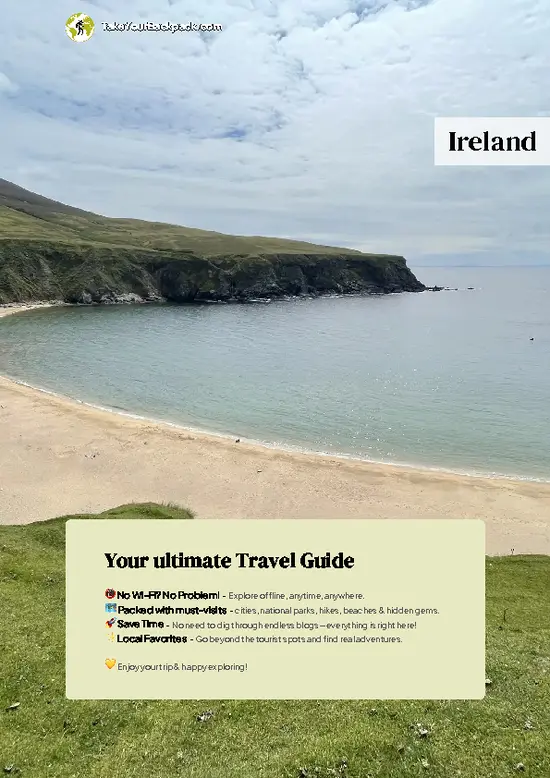
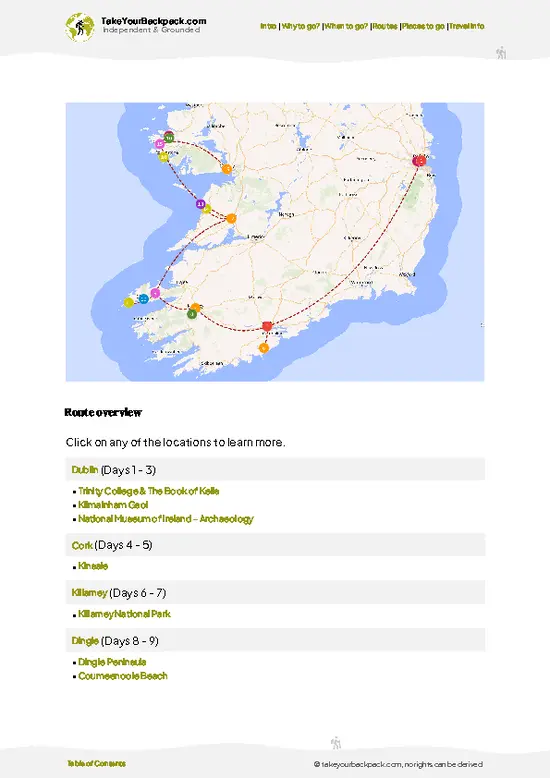
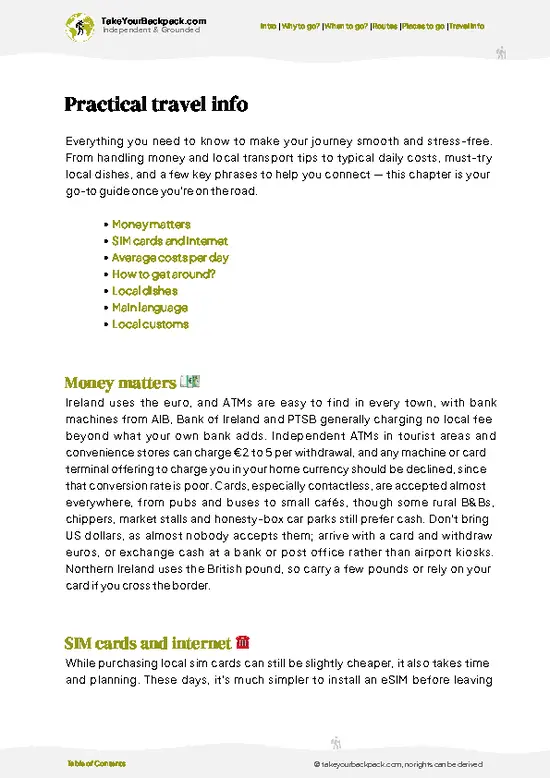
example page 0 from our offline Travel Guide for Ireland
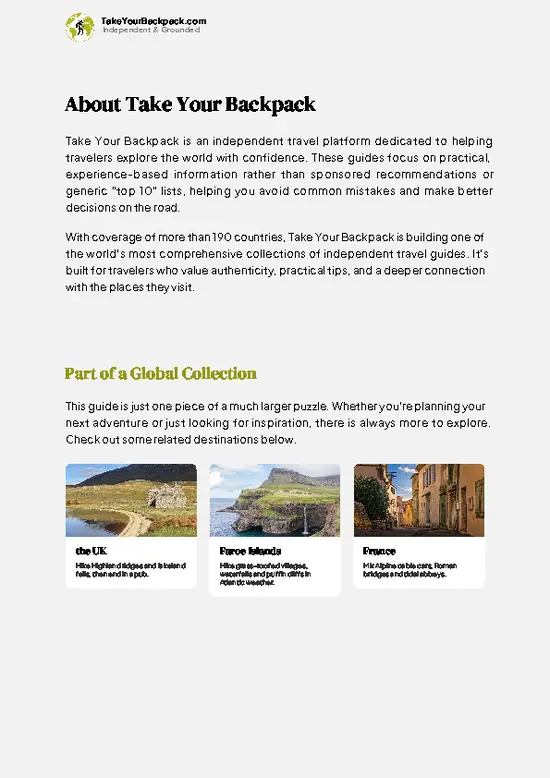
example page 1 from our offline Travel Guide for Ireland
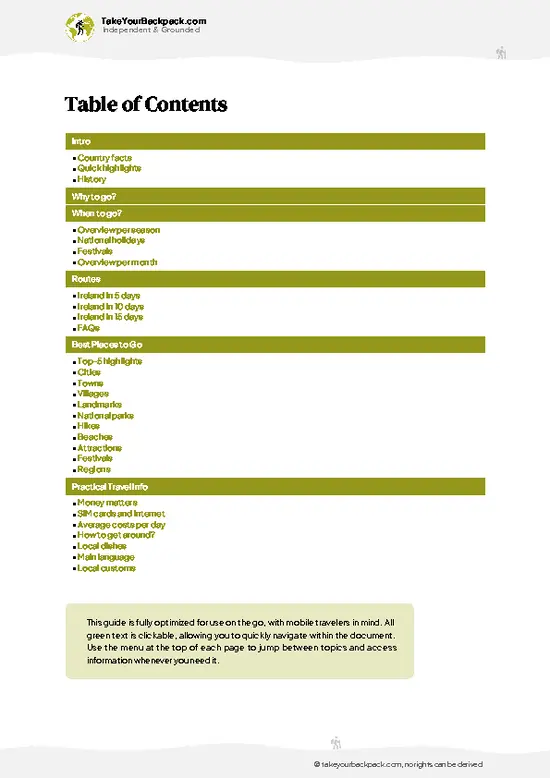
example page 2 from our offline Travel Guide for Ireland
example page 3 from our offline Travel Guide for Ireland
example page 4 from our offline Travel Guide for Ireland
example page 5 from our offline Travel Guide for Ireland
example page 6 from our offline Travel Guide for Ireland
example page 7 from our offline Travel Guide for Ireland
Loading the map 🌍
CLICK TO FILTER
cities
towns
villages
landmarks
national parks
hikes
beaches
attractions
festivals
regions
SHOW COUNTRY’S BESTSHOW ALL

✨ Why go?
Ranked #1 city in Ireland
Why visitors keep coming back

Dublin is a backpacker’s hub that balances time, money, and comfort perfectly. It’s not just about the highlights; it’s about how they fit into your journey. The city is a basecamp for day trips, making it easy to explore the stunning Irish countryside without the hassle of constant packing and unpacking.

Hostels here are not just affordable; they’re social, giving you a chance to meet fellow travelers and share stories over a pint. Speaking of pints, the food scene is a delightful mix of traditional and modern, offering everything from hearty Irish stew to trendy cafes.

Dublin is incredibly walkable, allowing you to soak in the atmosphere without spending on transport. The nightlife is vibrant, with countless pubs where you can enjoy live music and local brews, making it a great place … read more 👉
Dublin is a backpacker’s hub that balances time, money, and comfort perfectly. It’s not just about the highlights; it’s about how they fit into your journey. The city is a basecamp for day trips, making it easy to explore the stunning Irish countryside without the hassle of constant packing and unpacking.

Hostels here are not just affordable; they’re social, giving you a chance to meet fellow travelers and share stories over a pint. Speaking of pints, the food scene is a delightful mix of traditional and modern, offering everything from hearty Irish stew to trendy cafes.

Dublin is incredibly walkable, allowing you to soak in the atmosphere without spending on transport. The nightlife is vibrant, with countless pubs where you can enjoy live music and local brews, making it a great place to unwind after a day of exploring.

And let’s not forget easy onward travel options. Whether you’re heading to Galway or Belfast, the connections are straightforward. So, if you’re looking for a city that offers a rich experience without draining your resources, Dublin is a smart choice for both short stops and longer stays.

💡 HighlightsPlaces and moments you shouldn't skip

  1. Trinity College & the Book of Kells — Century-old campus vibes, the dazzling Book of Kells manuscript and the Long Room library that feels like a movie set; you’ll actually feel Dublin’s literary pulse here.
  2. Kilmainham Gaol — A locked-up piece of modern Irish history: the guided tour through the cells and execution yard gives real context to the independence era in a way books can’t.
  3. Guinness Storehouse — Tourist-heavy but for good reason: brewery history, tactile exhibits, and a pint with a skyline view in the Gravity Bar — a classic Dublin experience.
  4. Christ Church Cathedral — Medieval architecture, an atmospheric crypt and archaeological layers that show Dublin’s Viking-to-modern arc; quieter than some spots, and properly old.
  5. National Museum of Ireland — Archaeology (Kildare Street)
… read more 👉
  1. Trinity College & the Book of Kells — Century-old campus vibes, the dazzling Book of Kells manuscript and the Long Room library that feels like a movie set; you’ll actually feel Dublin’s literary pulse here.
  2. Kilmainham Gaol — A locked-up piece of modern Irish history: the guided tour through the cells and execution yard gives real context to the independence era in a way books can’t.
  3. Guinness Storehouse — Tourist-heavy but for good reason: brewery history, tactile exhibits, and a pint with a skyline view in the Gravity Bar — a classic Dublin experience.
  4. Christ Church Cathedral — Medieval architecture, an atmospheric crypt and archaeological layers that show Dublin’s Viking-to-modern arc; quieter than some spots, and properly old.
  5. National Museum of Ireland — Archaeology (Kildare Street) — World-class Irish artifacts (yes, the bog bodies and Viking hoards), free entry and essential for understanding the island’s deep past.
  6. The Little Museum of Dublin — Small, characterful, and stuffed with donated objects and local stories; you’ll leave with a surprisingly warm and honest picture of 20th-century Dublin life.
  7. Phoenix Park — One of Europe’s largest walled city parks: deer wandering, big open space for picnics, the President’s house (Áras an Uachtaráin) and Dublin Zoo if you want it — great for slowing down.
  8. Grafton Street & St. Stephen’s Green — Buskers, lively street culture and then the calm of St. Stephen’s Green—this combo shows Dublin’s noise and its quieter heart within five minutes’ walk.
  9. Chester Beatty Library — A surprisingly serene treasure tucked by Dublin Castle: rare manuscripts, prints and global art that elevate a visit beyond the usual city museums.
  10. Marsh’s Library — Tiny, atmospheric 18th-century library beside St. Patrick’s Cathedral; the shelves, old bindings and woodwork really make you feel like you’ve stepped back in time.
For day trips, try Howth (cliffs and seafood), Malahide Castle, Newgrange/Brú na Bóinne or the Wicklow Mountains and Glendalough — my personal favorite is Glendalough.
Spotted a mistake or missing something? Contact us.

Things to do in Dublin

Ratings based on Tripadvisor reviews. When you book through this link, you support our work at no extra cost to you.

🏘️ NeighborhoodsNeighborhood guide to Dublin

Dublin is a city that thrives on its neighborhoods, each offering a unique flavor for backpackers. Here’s a breakdown to help you navigate your options.

Temple Bar: This is the heart of Dublin’s nightlife. Expect vibrant pubs and live music, but be prepared to pay a premium for drinks. It’s walkable, with plenty of attractions nearby, making it ideal for short stays. If you’re after a lively atmosphere, this is your spot, but it can get noisy at night.

Trinity College Area: Home to the famous library and the Book of Kells, this area is steeped in history. It’s a bit quieter than Temple Bar, with a mix of cafes and shops. Prices are moderate, and it’s a great base for exploring on foot. Perfect for those wanting a blend of culture and convenience.

Smithfield: A bit off the tourist trail, … read more 👉
Dublin is a city that thrives on its neighborhoods, each offering a unique flavor for backpackers. Here’s a breakdown to help you navigate your options.

Temple Bar: This is the heart of Dublin’s nightlife. Expect vibrant pubs and live music, but be prepared to pay a premium for drinks. It’s walkable, with plenty of attractions nearby, making it ideal for short stays. If you’re after a lively atmosphere, this is your spot, but it can get noisy at night.

Trinity College Area: Home to the famous library and the Book of Kells, this area is steeped in history. It’s a bit quieter than Temple Bar, with a mix of cafes and shops. Prices are moderate, and it’s a great base for exploring on foot. Perfect for those wanting a blend of culture and convenience.

Smithfield: A bit off the tourist trail, Smithfield offers a more local vibe. It’s cheaper than the city center, with a growing number of bars and restaurants. Walkability is decent, and it’s close to the Luas tram for easy access to other parts of Dublin. Ideal for longer stays where you want to immerse yourself in local life.

St. Stephen’s Green: This area is a green oasis in the city. It’s upscale, with higher accommodation costs, but the park is perfect for relaxation. Walkability is excellent, and you’re close to shopping and dining. Great for those who want a quieter experience while still being near the action.

Docklands: A modern area with a mix of business and leisure. It’s pricier but offers sleek accommodations and waterfront views. The vibe is more laid-back, with trendy bars and restaurants. Good for longer stays if you enjoy a contemporary atmosphere and easy access to transport links.

⌛️ 1 dayA smart one-day plan

Dublin is a city that pulses with history, creativity, and a unique charm that feels both familiar and fresh. It’s a place where ancient stone meets modern art, and every corner seems to hum with stories waiting to be told. You can easily spend a day here, immersing yourself in its vibrant neighborhoods and iconic sights.

Start your morning in the Temple Bar area, where cobblestone streets are lined with colorful pubs and quirky shops. Grab a hearty Irish breakfast at The Woollen Mills, a local favorite. The smell of freshly baked soda bread and sizzling bacon will set the tone for your day. After fueling up, take a leisurely stroll along the River Liffey, soaking in the views of the Ha’penny Bridge and the bustling life around you.

As the afternoon rolls in, head over to the historic Trinity … read more 👉
Dublin is a city that pulses with history, creativity, and a unique charm that feels both familiar and fresh. It’s a place where ancient stone meets modern art, and every corner seems to hum with stories waiting to be told. You can easily spend a day here, immersing yourself in its vibrant neighborhoods and iconic sights.

Start your morning in the Temple Bar area, where cobblestone streets are lined with colorful pubs and quirky shops. Grab a hearty Irish breakfast at The Woollen Mills, a local favorite. The smell of freshly baked soda bread and sizzling bacon will set the tone for your day. After fueling up, take a leisurely stroll along the River Liffey, soaking in the views of the Ha’penny Bridge and the bustling life around you.

As the afternoon rolls in, head over to the historic Trinity College. The Book of Kells, an illuminated manuscript dating back to the 9th century, is a must-see. The Long Room library, with its towering shelves of ancient books, feels like stepping into a Harry Potter film. From there, wander into the quieter streets of the Docklands. This area is often overlooked by tourists but offers a fascinating glimpse into Dublin’s modern side, with sleek architecture and the buzzing atmosphere of tech startups.

As evening approaches, make your way to the Smithfield neighborhood. Here, you’ll find the Jameson Distillery, where you can take a tour and enjoy a whiskey tasting. It’s a more relaxed experience compared to the bustling Temple Bar scene. For dinner, try The Woollen Mills again or head to the nearby L. Mulligan Grocer for a cozy atmosphere and a fantastic selection of local craft beers.

Wrap up your day with a stroll through the nearby Phoenix Park, one of the largest urban parks in Europe. The peacefulness of the park, especially at dusk, offers a perfect contrast to the lively city. You’ll leave Dublin feeling enriched, having tasted its history, culture, and warmth in just one day.

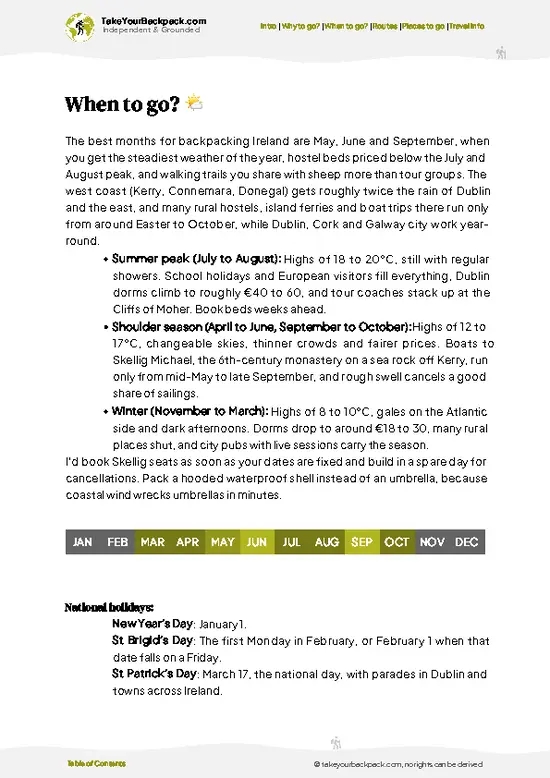
🌤️ When to go?Seasonal considerations and timing

  • Weather: Dublin’s weather is famously unpredictable but generally mild. Summers hover around 15-20°C (59-68°F), offering the driest and most pleasant conditions. Winters stay cool and damp, rarely dropping below 0°C (32°F), but rain is frequent year-round.
  • Temperature: Late spring to early autumn (May to September) delivers the warmest days, often peaking near 20°C (68°F). Winters (December to February) are chilly, averaging 4-8°C (39-46°F), which can feel colder with the dampness.
  • Daylight Hours: Summer grants long days, with up to 17 hours of daylight in June, perfect for maximizing sightseeing. In contrast, December days shrink to about 7 hours, limiting outdoor exploration.
  • Crowds: Tourist numbers swell from June to August, especially around major landmarks and festivals. Shoulder
… read more 👉
  • Weather: Dublin’s weather is famously unpredictable but generally mild. Summers hover around 15-20°C (59-68°F), offering the driest and most pleasant conditions. Winters stay cool and damp, rarely dropping below 0°C (32°F), but rain is frequent year-round.
  • Temperature: Late spring to early autumn (May to September) delivers the warmest days, often peaking near 20°C (68°F). Winters (December to February) are chilly, averaging 4-8°C (39-46°F), which can feel colder with the dampness.
  • Daylight Hours: Summer grants long days, with up to 17 hours of daylight in June, perfect for maximizing sightseeing. In contrast, December days shrink to about 7 hours, limiting outdoor exploration.
  • Crowds: Tourist numbers swell from June to August, especially around major landmarks and festivals. Shoulder seasons (April-May, September-October) offer a quieter experience without sacrificing decent weather.
  • Seasonal Activities: Summer hosts vibrant outdoor events like the Bloomsday Festival and open-air concerts. Winter brings cozy pub sessions and Christmas markets, but fewer outdoor options.
  • Price Fluctuations: Accommodation and flights peak in summer, sometimes doubling compared to off-season rates. Booking in shoulder seasons can secure better deals while still enjoying good weather.
Pro-tip: Aim for late spring or early autumn to strike the perfect balance—pleasant weather, manageable crowds, and wallet-friendly prices. You’ll feel like you’ve cracked Dublin’s timing code.


source: climatestotravel.comJANJanuary: fair for travelingFEBFebruary: fair for travelingMARMarch: good for travelingAPRApril: highly recommended for travelingMAYMay: highly recommended for travelingJUNJune: excellent for travelingJULJuly: excellent for travelingAUGAugust: excellent for travelingSEPSeptember: highly recommended for travelingOCTOctober: highly recommended for travelingNOVNovember: fair for travelingDECDecember: fair for traveling
Ireland - Dublin

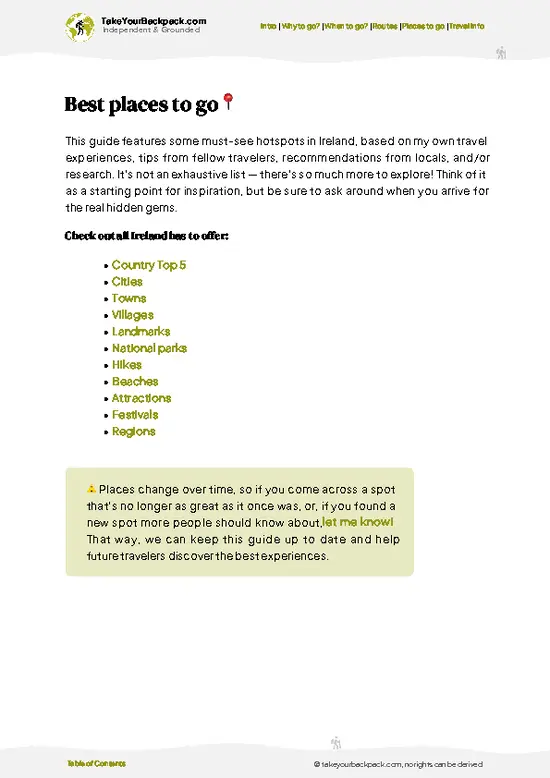
✈️ The backpacker research shortcutIreland Travel Guide

An offline-friendly backpacking guide with optimized travel routes, ranked highlights, transport advice, and the best areas to stay.
example page 0 from our offline Travel Guide for Ireland
example page 1 from our offline Travel Guide for Ireland
example page 2 from our offline Travel Guide for Ireland
example page 3 from our offline Travel Guide for Ireland
example page 4 from our offline Travel Guide for Ireland
example page 5 from our offline Travel Guide for Ireland
example page 6 from our offline Travel Guide for Ireland
example page 7 from our offline Travel Guide for Ireland
The digital guide (366 pages) contains:
✅ 103 highlights, ranked by travel appeal
✅ Optimized 5, 10 & 15-day travel routes
✅ Cities, national parks, landmarks, beaches
✅ How to get around
✅ Offline-friendly for travel without Wi-Fi
👉 Click to see all 30+ guide features

📅 Plan smarter in minutes, not weeks
✅ Month by month travel advice
✅ Festivals & national holidays
✅ Budget expectations

🗺️ Go to the right places, skip the overrated ones
✅ Honest pros & cons of destinations
✅ Top hikes, parks & viewpoints
✅ Lesser-known places most travelers miss
✅ Clear “worth it vs skip it” guidance

🛏️ Travel smoothly without rookie mistakes
✅ Best areas to stay
✅ Transport systems explained simply
✅ Common scams & safety advice
✅ SIM cards, money & practical tips

🌍 Understand the country, not just visit it
✅ Culture & traditions
✅ Local customs
✅ Festivals worth planning around
✅ Traveler-friendly historical context
✅ Insights that make places more meaningful

📱 Built for real travel conditions
✅ Fully downloadable PDF
✅ Works completely offline
✅ Optimized for phone use
✅ Useful in remote areas & buses
✅ Everything in one place
Stop searching, start planning
Get instant access to your full guide. 30‑day money-back guarantee.
+ Add another guide for just

By proceeding you agree to our terms.
Sent to your inbox immediately after payment • 100% Secure Checkout
Best Backpacking Travel Advisor 2025 tourism awardBest Backpacking
Travel Advisor
2025
What others say about Take Your Backpack Guides:
⭐⭐⭐⭐⭐
Fantastic, amazing amount of information!
⭐⭐⭐⭐⭐
My goodness this is amazing, it's what I've been looking for hats off too you!
⭐⭐⭐⭐⭐
I think this is absolutely BRILLIANT
⭐⭐⭐⭐
Very complete and informative. It's still missing places, but I gotta to commend you
⭐⭐⭐⭐⭐
This is truly amazing, thank you, can't wait to explore it with my kids!
⭐⭐⭐⭐⭐
Awesome resource, thank you!
⭐⭐⭐⭐⭐
This is amazing! Can't wait to explore the ones I haven't seen
⭐⭐⭐⭐
I love this! Well done, great idea.
⭐⭐⭐⭐⭐
Thanks for taking the time to make this gem!
⭐⭐⭐⭐⭐
This might be the best website I've ever seen.
⭐⭐⭐⭐⭐
Congratulations, and thank you so much for your work; it's incredibly valuable.
⭐⭐⭐⭐
In all seriousness I think you did a great job pointing out the important spots
⭐⭐⭐⭐⭐
10/10 very good
⭐⭐⭐⭐⭐
As someone who's only just starting to visit regularly this is awesome, thank you.
⭐⭐⭐⭐
Thank you very much! I'm going to visit my dad, it's going to be very useful!
⭐⭐⭐⭐⭐
This is really cool! We'll be travelling for the first time and this definitely come in handy.
⭐⭐⭐⭐⭐
You are now our minister of culture, congratulations 👨‍💼
⭐⭐⭐⭐⭐
Just wanted to tell you that this is a pearl! Going to follow your recommendations.
⭐⭐⭐⭐⭐
This is so cool. I'll definitely be using the resource for my travels soon.
⭐⭐⭐⭐⭐
This is very impressive! Good work.
⭐⭐⭐⭐⭐
This is an amazing and informative site. Very well done!

🛏️ Where to stay?Where staying makes the most sense

Dublin’s backpacker sweet spot is a tight cluster of neighborhoods where safety, social buzz, and budget-friendly options intersect. First up, Temple Bar. It’s touristy, sure, but that’s part of its charm for solo travelers craving instant social scenes. Hostels here are abundant, and the streets pulse with live music and pub chatter well into the night. The trade-off? It’s lively to the point of noisy, and prices can edge higher than other parts of town. You’re paying for the vibe and convenience.

Slide a bit north, and you hit Smithfield. This area is quieter but still social, with a growing … read more 👉
Dublin’s backpacker sweet spot is a tight cluster of neighborhoods where safety, social buzz, and budget-friendly options intersect. First up, Temple Bar. It’s touristy, sure, but that’s part of its charm for solo travelers craving instant social scenes. Hostels here are abundant, and the streets pulse with live music and pub chatter well into the night. The trade-off? It’s lively to the point of noisy, and prices can edge higher than other parts of town. You’re paying for the vibe and convenience.

Slide a bit north, and you hit Smithfield. This area is quieter but still social, with a growing number of hostels and affordable eateries. It’s less tourist-saturated, so you get a more local feel without sacrificing safety. The vibe is a mix of old industrial grit and fresh urban cool, perfect if you want to avoid the Temple Bar crush but still meet fellow travelers.

Then there’s Stoneybatter, a bit off the beaten path but gaining traction among budget travelers. It’s safe, with a village-like atmosphere and cozy pubs where locals and backpackers mingle. Hostel options are fewer but often more intimate, which can be a win if you want to skip the party hostel scene.

Compared to pricier or less central neighborhoods, these areas strike a balance: you trade a bit of quiet for social energy and wallet-friendly stays. Mastering this map means choosing your vibe—party pulse, local chill, or somewhere in between—without blowing your budget or your sense of security.

🚌 Getting aroundGetting around like a local

Dublin moves with a curious rhythm—part old-school punctuality, part laid-back improvisation. The city’s pulse is set by a blend of strict timetables and the occasional shrug of “we’ll get there when we get there.” You’ll find that buses and trams mostly stick to schedules, but traffic and weather can throw a wrench in the works. Walking, meanwhile, is your best bet to soak up the city’s character without worrying about clocks. Understanding this flow is your secret weapon: it lets you pick the right mode of transport for your mood, budget, and timeline, turning what could be a logistical headache into a strategic win.
  • Walking: The ultimate budget option—free, flexible, and immersive. Dublin’s compact center means most key sights are within a 20- to 30-minute stroll. No schedules, no waiting,
… read more 👉
Dublin moves with a curious rhythm—part old-school punctuality, part laid-back improvisation. The city’s pulse is set by a blend of strict timetables and the occasional shrug of “we’ll get there when we get there.” You’ll find that buses and trams mostly stick to schedules, but traffic and weather can throw a wrench in the works. Walking, meanwhile, is your best bet to soak up the city’s character without worrying about clocks. Understanding this flow is your secret weapon: it lets you pick the right mode of transport for your mood, budget, and timeline, turning what could be a logistical headache into a strategic win.
  • Walking: The ultimate budget option—free, flexible, and immersive. Dublin’s compact center means most key sights are within a 20- to 30-minute stroll. No schedules, no waiting, just you and the cobblestones. Perfect for spontaneous detours and people-watching, but tiring if you’re covering long distances or hauling gear.
  • Dublin Bus: The backbone of public transit, with routes covering the entire city and suburbs. Fares start around €2.00 for a single journey, cheaper with a Leap Card. Buses run roughly from 5:30 a.m. to midnight, but frequency varies—peak times see buses every 5-10 minutes, off-peak can stretch to 20. Slower than trams due to traffic, but a solid budget choice if you plan ahead and avoid rush hour.
  • Luas Tram: Two main lines (Red and Green) slicing through the city with reliable, frequent service. Runs from about 6 a.m. to midnight, with trams every 5-10 minutes during the day. Tickets cost €2.10 to €3.30 depending on zones, cheaper with Leap Card. Faster and more comfortable than buses, especially during peak traffic, but limited to fixed routes—less flexible for off-the-beaten-path spots.
  • Bikes and E-Scooters: Dublin’s bike-share schemes and e-scooters offer a middle ground between walking and public transit. Costs vary but expect around €1 to unlock plus per-minute charges. Great for short hops and avoiding traffic jams, but weather-dependent and less comfortable in rain or cold. Not ideal for heavy backpacks or long distances.
  • Taxi and Rideshare: The most comfortable but priciest option, with fares starting around €5 plus per-kilometer charges. Available 24/7, offering door-to-door convenience and no waiting in the rain. Useful for late-night returns or when time is tight, but budget travelers should use sparingly—Dublin’s traffic can turn a quick trip into a slow, expensive crawl.

👛 Costs (as of 16 October 2026)Travel costs and budget guide for Dublin

Backpacking in Dublin means balancing a few key factors: time, money, and comfort. Knowing where your euros go helps you play the system smartly, squeezing the most out of every day without surprises.
  • Dorm Accommodation (High Season): Expect to pay around €30-€45 per night in popular hostels during peak months (summer and holidays). These spots fill fast, so prices reflect demand and central locations.
  • Dorm Accommodation (Off-Season): Drop to about €20-€30 per night when the crowds thin out. You might sacrifice some atmosphere, but you gain wallet breathing room and often quieter dorms.
  • Meals: Budget roughly €10-€15 per day if you stick to grocery stores, street food, or casual pubs. A full sit-down meal pushes closer to €20-€30, so mix and match depending on your hunger and schedule.
… read more 👉
Backpacking in Dublin means balancing a few key factors: time, money, and comfort. Knowing where your euros go helps you play the system smartly, squeezing the most out of every day without surprises.
  • Dorm Accommodation (High Season): Expect to pay around €30-€45 per night in popular hostels during peak months (summer and holidays). These spots fill fast, so prices reflect demand and central locations.
  • Dorm Accommodation (Off-Season): Drop to about €20-€30 per night when the crowds thin out. You might sacrifice some atmosphere, but you gain wallet breathing room and often quieter dorms.
  • Meals: Budget roughly €10-€15 per day if you stick to grocery stores, street food, or casual pubs. A full sit-down meal pushes closer to €20-€30, so mix and match depending on your hunger and schedule.
  • Local Transport: Single bus or tram rides cost about €2.50-€3.50. Dublin’s public transport is reliable but can add up if you’re hopping around frequently.
  • City Transport Pass: The Leap Card is your best bet for savings, offering daily caps around €7-€10 for unlimited travel on buses, trams, and trains within the city limits.
  • Basic Activities/Entry Fees: Museums and galleries often charge €5-€15. Some landmarks are free or donation-based, but guided tours or special exhibitions can push costs higher.
  • Miscellaneous Expenses: Factor in about €5-€10 for essentials like water, snacks, or a coffee break. Small splurges add up, especially if you’re sampling local treats or souvenirs.

All told, a realistic daily budget for backpacking in Dublin ranges from about €50 on a shoestring to €80 if you lean into a bit more comfort or activity. The trick is knowing when to save and when to spend—like grabbing a quick bite to fuel a long day of exploring rather than splurging on every meal. This way, you keep your energy and your euros in balance, making each day count without feeling pinched.


source: numbeo.com
⚠️ Prices can change and everyone travels differently, so take this as a rough guide. Hope it helps you plan your adventure!

🚌 Day tripsEasy escapes and nearby places

Dublin is a fantastic launchpad for day trips that pack a punch without draining your wallet or time. Here are some top picks that will enrich your Irish adventure.

Howth
Just a quick 30-minute train ride from Dublin, Howth is a coastal village that feels worlds away. You’ll find stunning cliff walks that offer breathtaking views of the Irish Sea. Grab some fish and chips from a local vendor and enjoy it by the harbor. The best time to visit is during the warmer months when the trails are alive with wildflowers. A common mistake? Many first-timers stick to the village instead of venturing out on the scenic paths. Expect to spend around €10 for transport and food.


Glendalough
About an hour’s bus ride from Dublin, Glendalough is a serene valley known for its ancient monastic site and … read more 👉
Dublin is a fantastic launchpad for day trips that pack a punch without draining your wallet or time. Here are some top picks that will enrich your Irish adventure.

Howth
Just a quick 30-minute train ride from Dublin, Howth is a coastal village that feels worlds away. You’ll find stunning cliff walks that offer breathtaking views of the Irish Sea. Grab some fish and chips from a local vendor and enjoy it by the harbor. The best time to visit is during the warmer months when the trails are alive with wildflowers. A common mistake? Many first-timers stick to the village instead of venturing out on the scenic paths. Expect to spend around €10 for transport and food.


Glendalough
About an hour’s bus ride from Dublin, Glendalough is a serene valley known for its ancient monastic site and stunning lakes. The hiking trails here range from easy strolls to more challenging hikes, all surrounded by lush greenery. The fall is particularly beautiful, with autumn leaves painting the landscape. Budget around €15 for the bus and a packed lunch. A rookie error is underestimating the weather; it can change quickly, so pack layers.
👉 Explore Glendalough

Newgrange
Just under an hour from Dublin, Newgrange is a prehistoric passage tomb older than Stonehenge. The site is rich in history and offers guided tours that delve into its mysteries. Visiting in winter can be magical, especially during the winter solstice when the sun illuminates the inner chamber. Expect to pay about €10 for the bus and entry fee. Many visitors overlook the visitor center, which provides valuable context before heading to the tomb.


Dalkey
A mere 40 minutes by train, Dalkey is a charming seaside town with a rich literary history. Explore the ruins of Dalkey Castle or take a stroll along the coast. The best time to visit is during the summer when local markets pop up. You can easily do this trip for under €15, including food. A common misstep is not checking the train schedule; services can be less frequent on weekends.


Kilkenny
About 90 minutes from Dublin, Kilkenny is a medieval city bursting with character. Visit the impressive Kilkenny Castle and wander the cobbled streets filled with artisan shops. Spring is ideal, with festivals and events bringing the town to life. Budget around €20 for transport and a meal. Many first-timers miss the chance to explore the local pubs, which often feature live music.
👉 Explore Kilkenny

🍲 FoodWhat to Eat & Drink

Dublin’s food scene is a delicious blend of tradition and innovation. You can’t visit without trying Irish stew, a hearty mix of lamb, potatoes, and carrots simmered to perfection. Pair that with soda bread, which has a comforting, slightly tangy flavor that complements the stew beautifully. For a snack, grab a bowl of coddle, a warming dish of sausages and potatoes that locals swear by.

When it comes to drinks, Guinness is the star. The rich, dark stout has a creamy head that’s best enjoyed in a cozy pub, where the atmosphere buzzes with laughter and music. Don’t overlook Irish whiskey; it’s smooth and often sipped neat or in a warming cocktail.

Backpackers will find their culinary adventures in markets and street stalls. The Temple Bar area is alive with casual eateries and pubs where … read more 👉
Dublin’s food scene is a delicious blend of tradition and innovation. You can’t visit without trying Irish stew, a hearty mix of lamb, potatoes, and carrots simmered to perfection. Pair that with soda bread, which has a comforting, slightly tangy flavor that complements the stew beautifully. For a snack, grab a bowl of coddle, a warming dish of sausages and potatoes that locals swear by.

When it comes to drinks, Guinness is the star. The rich, dark stout has a creamy head that’s best enjoyed in a cozy pub, where the atmosphere buzzes with laughter and music. Don’t overlook Irish whiskey; it’s smooth and often sipped neat or in a warming cocktail.

Backpackers will find their culinary adventures in markets and street stalls. The Temple Bar area is alive with casual eateries and pubs where you can mingle with locals. Try a food truck for a quick bite; they often serve up modern twists on classic dishes.

As for customs, don’t be shy about striking up a conversation at the bar. It’s common to share a table or even a drink with strangers. Just remember, when someone offers to buy you a round, it’s polite to reciprocate. Embrace the community spirit—it’s what makes Dublin’s food and drink culture truly special.

🛡️ SafetyTraveler Safety Guide

Dublin is generally a safe city, but like any urban area, it has its quirks. Stay aware in crowded spots like Temple Bar, especially at night. The lively atmosphere can attract pickpockets, so keep your belongings close. If you’re solo, opt for well-lit streets and stick to populated areas after dark.

Scams are rare, but the classic “lost tourist” routine can pop up. Someone might ask for directions and then try to engage you in a convoluted story that leads to a request for money. A polite but firm “no” usually suffices.

Annoyances? Expect some street performers and buskers, which can be delightful but also overwhelming if you’re in a hurry. Just remember, a little patience goes a long way. Carry yourself confidently, and don’t hesitate to ask locals for advice; they’re generally friendly … read more 👉
Dublin is generally a safe city, but like any urban area, it has its quirks. Stay aware in crowded spots like Temple Bar, especially at night. The lively atmosphere can attract pickpockets, so keep your belongings close. If you’re solo, opt for well-lit streets and stick to populated areas after dark.

Scams are rare, but the classic “lost tourist” routine can pop up. Someone might ask for directions and then try to engage you in a convoluted story that leads to a request for money. A polite but firm “no” usually suffices.

Annoyances? Expect some street performers and buskers, which can be delightful but also overwhelming if you’re in a hurry. Just remember, a little patience goes a long way. Carry yourself confidently, and don’t hesitate to ask locals for advice; they’re generally friendly and helpful. Embrace the rhythm of the city, and you’ll navigate it just fine.

FAQCommon questions from travelers

3 to 4 days are sufficient to explore Dublin's main attractions, including Trinity College, the Guinness Storehouse, and Temple Bar. This allows time for walking tours, museums, and a day trip to nearby sites like Howth or the Wicklow Mountains.
Yes, Dublin is generally safe for solo backpackers, especially in well-populated areas and during the day. Standard precautions apply, such as avoiding poorly lit streets at night and keeping an eye on belongings in crowded places.
Dublin is known for its rich literary history, vibrant pub culture, and historic landmarks like Dublin Castle and St. Patrick's Cathedral. It is also famous for the Guinness beer and its lively music scene.
⚠️ Things can change over time, so always validate details locally before you go.

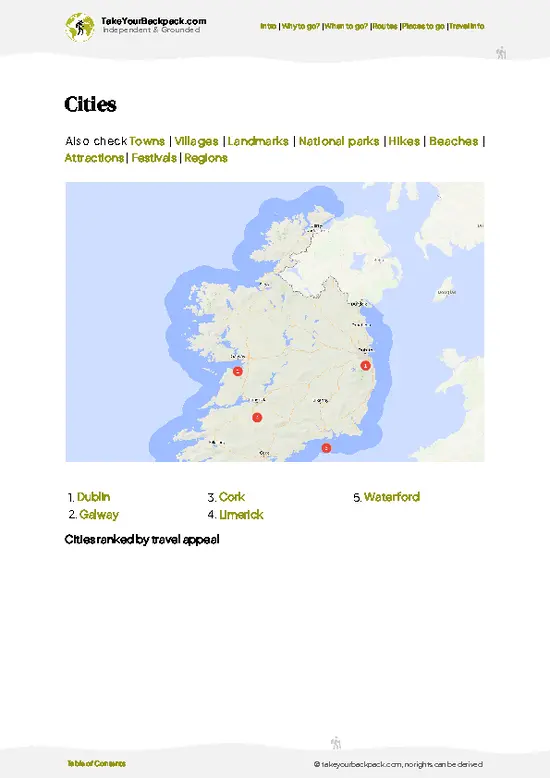
Other Irish cities near Dublin

Explore more nearby:

  • Waterford—Viking triangle, crystal workshops, quay-side| 134 km away
  • Limerick—King John’s Castle, Shannon waterfront, street murals| 176 km away
  • Galway—Latin Quarter, street performers, Corrib river| 186 km away

💡 Not sure where to go next?
Create a personalized itinerary for Ireland including Dublin and the places that fit your trip.

Generate my itinerary

👉 Discover all cities

Or checkout all Ireland has to offer (think cities, towns, villages, national parks, hikes, beaches, festivals)
Country photo of Ireland

We 💚 feedbackFinal thoughts on visiting Dublin

Dublin’s charm lies in its vibrant pub culture and the warmth of its people. You can sip a pint while listening to live music, feeling the city’s heartbeat. But be ready for the crowds, especially in the summer. It can feel like a bustling party, which might overshadow the quieter, more intimate experiences you’re after. Embrace the chaos, and you’ll find the magic in the mayhem.

✈️ When did I visit Ireland?
Ireland was the last country of my 1.5 year travel around the world trip, which was July 2016. In July 2023 I visited Ireland again.

✍️ Help improve this page!
The information on this page is based on my own backpacking experience in Ireland, supplemented with up-to-date research and feedback from other travelers. Travel details can change, so if you notice anything outdated or incomplete, feel free to let me know.


🙋‍♂️ Give feedback

👋 Meet the founderWho’s Behind Take Your Backpack?

Johan, backpacker and founder of TakeYourBackpackHi, I’m Johan (Netherlands 🇳🇱), the creator of TakeYourBackpack. Over the past 3 decades, I’ve backpacked through 90+ countries across six continents, gaining extensive experience with independent travel, long-term trips, and overland routes.

This site is built on a combination of firsthand travel experience and carefully curated insights from other backpackers. Many guides are based on places I’ve personally visited, while others bring together tips, observations, and practical advice shared by trusted travelers I’ve met along the way.

The goal is to provide realistic, experience-driven guidance — not generic itineraries — so you can explore destinations with better context, clearer expectations, and more confidence.