v2.webp)


The Caravaggio: “The Taking of Christ”
Let’s cut through the hype: this painting is the National Gallery of Ireland’s heavyweight champion, and yes, it’s as gripping in person as the legend suggests. Forget the Instagram crowd clustering for a selfie—stand back and let your eyes adjust to the inky drama. Caravaggio’s chiaroscuro isn’t just a technical flex; it’s a gut punch. You can practically hear the clank of armor and the betrayal in Judas’s eyes. This isn’t just a painting; it’s a cinematic freeze-frame from a time before cinema. If you see one thing, make it this.
The Yeats Family Room
You’ll hear a lot about Irish writers, but the Yeats family’s visual legacy is the real curveball. Jack B. Yeats (yes, the poet’s brother) painted Ireland with a wild, emotional brush that feels more … read more 👉
Let’s cut through the hype: this painting is the National Gallery of Ireland’s heavyweight champion, and yes, it’s as gripping in person as the legend suggests. Forget the Instagram crowd clustering for a selfie—stand back and let your eyes adjust to the inky drama. Caravaggio’s chiaroscuro isn’t just a technical flex; it’s a gut punch. You can practically hear the clank of armor and the betrayal in Judas’s eyes. This isn’t just a painting; it’s a cinematic freeze-frame from a time before cinema. If you see one thing, make it this.
The Yeats Family Room
You’ll hear a lot about Irish writers, but the Yeats family’s visual legacy is the real curveball. Jack B. Yeats (yes, the poet’s brother) painted Ireland with a wild, emotional brush that feels more … read more 👉
The Caravaggio: “The Taking of Christ”
Let’s cut through the hype: this painting is the National Gallery of Ireland’s heavyweight champion, and yes, it’s as gripping in person as the legend suggests. Forget the Instagram crowd clustering for a selfie—stand back and let your eyes adjust to the inky drama. Caravaggio’s chiaroscuro isn’t just a technical flex; it’s a gut punch. You can practically hear the clank of armor and the betrayal in Judas’s eyes. This isn’t just a painting; it’s a cinematic freeze-frame from a time before cinema. If you see one thing, make it this.
The Yeats Family Room
You’ll hear a lot about Irish writers, but the Yeats family’s visual legacy is the real curveball. Jack B. Yeats (yes, the poet’s brother) painted Ireland with a wild, emotional brush that feels more punk than pastoral. The room is a time capsule of Irish soul, with paintings that hum with rain, rebellion, and the kind of loneliness you only get on the edge of the Atlantic. If you want to understand Ireland beyond the tourist brochures, this is your shortcut.
The Lavery Collection
Sir John Lavery’s portraits are a masterclass in subtle drama. He painted everyone from society ladies to soldiers, but what sets his work apart is the way he captures the tension beneath the surface. Lavery’s Ireland is elegant, yes, but there’s always a hint of unease—a reminder that history here is never just background noise. It’s a quieter thrill than Caravaggio, but no less real.
The Millennium Wing Atrium
Most people rush through this glass-and-steel space on their way to the art, but pause for a second. This is where old Dublin meets new, and the light pouring in is a show of its own. The atrium is a rare architectural flex in a city that usually hides its modern side. If you need a breather from the oil and canvas, this is your spot to recalibrate.
The Irish Masters: Osborne, Orpen, and Leech
Here’s where the Gallery quietly outclasses bigger European rivals. Walter Osborne’s street scenes, William Orpen’s psychological portraits, and Roderic O’Conor’s wild color experiments—these are the artists who put Irish painting on the map. Their work isn’t just “nice to look at”; it’s a crash course in Irish history, class, and ambition, all told in brushstrokes.
The Café (Personal Favorite)
Yes, I’m putting the café on this list, and no, it’s not just for the caffeine. After hours in the galleries, this is where you’ll see Dubliners and travelers actually talking about what they’ve seen—arguing, laughing, sketching, or just decompressing. The people-watching is world-class, and the scones are dangerously good. It’s the Gallery’s secret engine room, and it’s where the art keeps living after you’ve left the frames behind.
Let’s cut through the hype: this painting is the National Gallery of Ireland’s heavyweight champion, and yes, it’s as gripping in person as the legend suggests. Forget the Instagram crowd clustering for a selfie—stand back and let your eyes adjust to the inky drama. Caravaggio’s chiaroscuro isn’t just a technical flex; it’s a gut punch. You can practically hear the clank of armor and the betrayal in Judas’s eyes. This isn’t just a painting; it’s a cinematic freeze-frame from a time before cinema. If you see one thing, make it this.
The Yeats Family Room
You’ll hear a lot about Irish writers, but the Yeats family’s visual legacy is the real curveball. Jack B. Yeats (yes, the poet’s brother) painted Ireland with a wild, emotional brush that feels more punk than pastoral. The room is a time capsule of Irish soul, with paintings that hum with rain, rebellion, and the kind of loneliness you only get on the edge of the Atlantic. If you want to understand Ireland beyond the tourist brochures, this is your shortcut.
The Lavery Collection
Sir John Lavery’s portraits are a masterclass in subtle drama. He painted everyone from society ladies to soldiers, but what sets his work apart is the way he captures the tension beneath the surface. Lavery’s Ireland is elegant, yes, but there’s always a hint of unease—a reminder that history here is never just background noise. It’s a quieter thrill than Caravaggio, but no less real.
The Millennium Wing Atrium
Most people rush through this glass-and-steel space on their way to the art, but pause for a second. This is where old Dublin meets new, and the light pouring in is a show of its own. The atrium is a rare architectural flex in a city that usually hides its modern side. If you need a breather from the oil and canvas, this is your spot to recalibrate.
The Irish Masters: Osborne, Orpen, and Leech
Here’s where the Gallery quietly outclasses bigger European rivals. Walter Osborne’s street scenes, William Orpen’s psychological portraits, and Roderic O’Conor’s wild color experiments—these are the artists who put Irish painting on the map. Their work isn’t just “nice to look at”; it’s a crash course in Irish history, class, and ambition, all told in brushstrokes.
The Café (Personal Favorite)
Yes, I’m putting the café on this list, and no, it’s not just for the caffeine. After hours in the galleries, this is where you’ll see Dubliners and travelers actually talking about what they’ve seen—arguing, laughing, sketching, or just decompressing. The people-watching is world-class, and the scones are dangerously good. It’s the Gallery’s secret engine room, and it’s where the art keeps living after you’ve left the frames behind.
Spotted a mistake or missing something? Contact us.
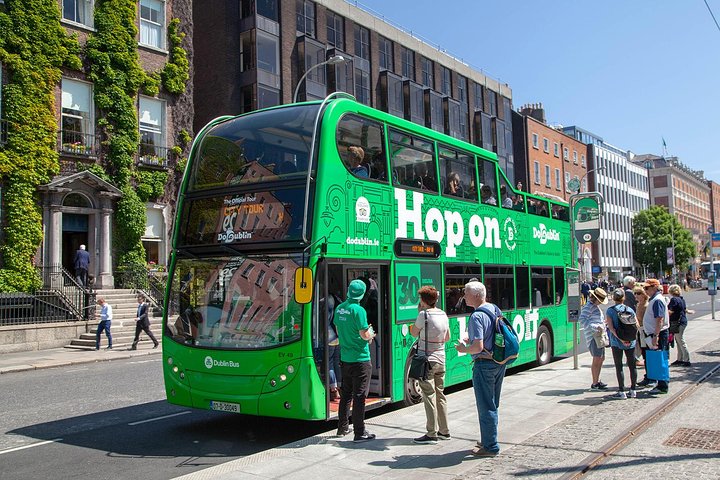
Dublin Hop-On Hop-Off Bus Tour with Guide and Little Museum Entry

Big Bus Dublin Hop-on, Hop-off Sightseeing Tour with Live Guide

Guinness Storehouse Ticket and Big Bus Dublin Hop-on Hop-off Tour

Dublin Cruise Ship Shore Excursion|Hop-on Hop-off & Rail Transfer

Dublin PRIVATE Walking Tour: Highlights, History & Hidden Gems

Private Ultimate Day in Dublin (Walking Tour)

Private Tour of Dublin Museums (Walking Tour)
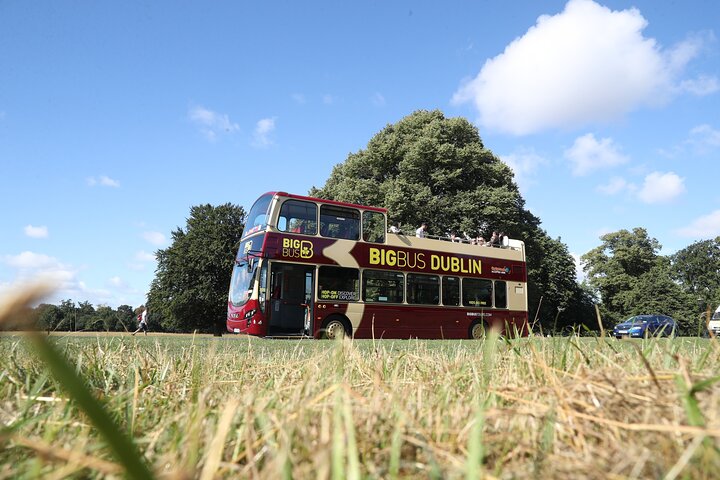
Dublin Shore Excursion, Live Guided Open-top, Hop-on Hop-off Sightseeing Tour

Dublin Walking Tour with Audioguide on Your Smartphone


 Best Backpacking
.jpg) Hi, I’m Johan (Netherlands 🇳🇱), the creator of TakeYourBackpack. Over the past 3 decades, I’ve backpacked through 90+ countries across six continents, gaining extensive experience with independent travel, long-term trips, and overland routes.
Hi, I’m Johan (Netherlands 🇳🇱), the creator of TakeYourBackpack. Over the past 3 decades, I’ve backpacked through 90+ countries across six continents, gaining extensive experience with independent travel, long-term trips, and overland routes.