v2.webp)

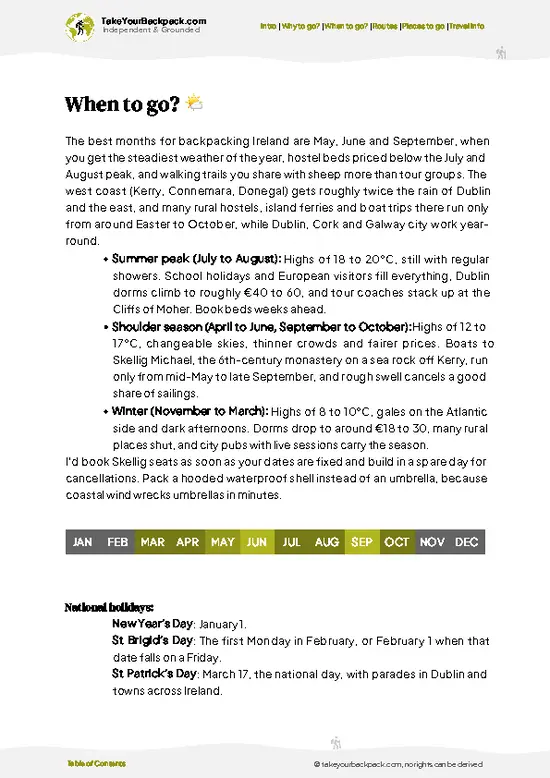
The Book of Kells Exhibit
Let’s cut through the hype: yes, you’ll queue with hundreds of people who all want the same photo. But the Book of Kells is not just a pretty manuscript—it’s a 1,200-year-old collision of faith, artistry, and obsession. The colors are still vivid, the calligraphy almost supernatural, and the detail work is so intricate you’ll wonder if the monks had better eyesight than modern humans. The exhibit’s real magic is in the context: panels and displays break down the symbolism, the process, and the monastic drama behind its creation. If you’re expecting a quick selfie, you’ll miss the point. Linger. Let your eyes adjust to the dim light and the scale of human patience on display.
The Long Room Library
This is the showstopper. Forget the Instagram angle for a second—step … read more 👉
Let’s cut through the hype: yes, you’ll queue with hundreds of people who all want the same photo. But the Book of Kells is not just a pretty manuscript—it’s a 1,200-year-old collision of faith, artistry, and obsession. The colors are still vivid, the calligraphy almost supernatural, and the detail work is so intricate you’ll wonder if the monks had better eyesight than modern humans. The exhibit’s real magic is in the context: panels and displays break down the symbolism, the process, and the monastic drama behind its creation. If you’re expecting a quick selfie, you’ll miss the point. Linger. Let your eyes adjust to the dim light and the scale of human patience on display.
The Long Room Library
This is the showstopper. Forget the Instagram angle for a second—step … read more 👉
The Book of Kells Exhibit
Let’s cut through the hype: yes, you’ll queue with hundreds of people who all want the same photo. But the Book of Kells is not just a pretty manuscript—it’s a 1,200-year-old collision of faith, artistry, and obsession. The colors are still vivid, the calligraphy almost supernatural, and the detail work is so intricate you’ll wonder if the monks had better eyesight than modern humans. The exhibit’s real magic is in the context: panels and displays break down the symbolism, the process, and the monastic drama behind its creation. If you’re expecting a quick selfie, you’ll miss the point. Linger. Let your eyes adjust to the dim light and the scale of human patience on display.
The Long Room Library
This is the showstopper. Forget the Instagram angle for a second—step inside and you’re hit with the scent of old paper and wood polish, the hush of reverence, and the sight of 200,000 ancient books stacked in soaring oak galleries. It’s Hogwarts without the kitsch. Marble busts of philosophers and writers line the central aisle, and the whole place feels like a cathedral for book lovers. The Long Room isn’t just photogenic; it’s a living archive of Irish intellectual history. If you’re even remotely interested in stories, this is the kind of room that makes you want to write one.
The Brian Boru Harp
Tucked away in the Long Room is Ireland’s oldest surviving harp, a national symbol you’ll spot on coins and Guinness glasses. It’s smaller than you’d expect, battered by centuries, but standing in front of it connects you to a lineage of musicians and rebels. This isn’t a replica or a tourist prop—it’s the real deal, and it’s got scars to prove it.
Trinity College Campus Stroll
Most visitors rush straight to the Book of Kells and miss the campus itself. Don’t. Trinity’s cobbled quads and Georgian architecture are a living, breathing part of Dublin. Students zip by on bikes, professors argue over coffee, and the whole place hums with a kind of intellectual mischief. Wander the grounds and you’ll get a sense of the college’s rebellious spirit—Oscar Wilde and Samuel Beckett both walked these paths. This is my personal favorite: the campus is where you feel the pulse of real student life, not just the curated museum experience.
Science Gallery (when open)
If you catch it during an exhibition, the Science Gallery is a wildcard—interactive, provocative, and nothing like the rest of the college’s stately vibe. It’s where art and science crash together, and you’re encouraged to poke, prod, and question everything. Not always open, but worth checking if you want to see Trinity’s modern, experimental side.
Let’s cut through the hype: yes, you’ll queue with hundreds of people who all want the same photo. But the Book of Kells is not just a pretty manuscript—it’s a 1,200-year-old collision of faith, artistry, and obsession. The colors are still vivid, the calligraphy almost supernatural, and the detail work is so intricate you’ll wonder if the monks had better eyesight than modern humans. The exhibit’s real magic is in the context: panels and displays break down the symbolism, the process, and the monastic drama behind its creation. If you’re expecting a quick selfie, you’ll miss the point. Linger. Let your eyes adjust to the dim light and the scale of human patience on display.
The Long Room Library
This is the showstopper. Forget the Instagram angle for a second—step inside and you’re hit with the scent of old paper and wood polish, the hush of reverence, and the sight of 200,000 ancient books stacked in soaring oak galleries. It’s Hogwarts without the kitsch. Marble busts of philosophers and writers line the central aisle, and the whole place feels like a cathedral for book lovers. The Long Room isn’t just photogenic; it’s a living archive of Irish intellectual history. If you’re even remotely interested in stories, this is the kind of room that makes you want to write one.
The Brian Boru Harp
Tucked away in the Long Room is Ireland’s oldest surviving harp, a national symbol you’ll spot on coins and Guinness glasses. It’s smaller than you’d expect, battered by centuries, but standing in front of it connects you to a lineage of musicians and rebels. This isn’t a replica or a tourist prop—it’s the real deal, and it’s got scars to prove it.
Trinity College Campus Stroll
Most visitors rush straight to the Book of Kells and miss the campus itself. Don’t. Trinity’s cobbled quads and Georgian architecture are a living, breathing part of Dublin. Students zip by on bikes, professors argue over coffee, and the whole place hums with a kind of intellectual mischief. Wander the grounds and you’ll get a sense of the college’s rebellious spirit—Oscar Wilde and Samuel Beckett both walked these paths. This is my personal favorite: the campus is where you feel the pulse of real student life, not just the curated museum experience.
Science Gallery (when open)
If you catch it during an exhibition, the Science Gallery is a wildcard—interactive, provocative, and nothing like the rest of the college’s stately vibe. It’s where art and science crash together, and you’re encouraged to poke, prod, and question everything. Not always open, but worth checking if you want to see Trinity’s modern, experimental side.
Spotted a mistake or missing something? Contact us.

Dublin Book of Kells, Castle and Molly Malone Statue Guided Tour
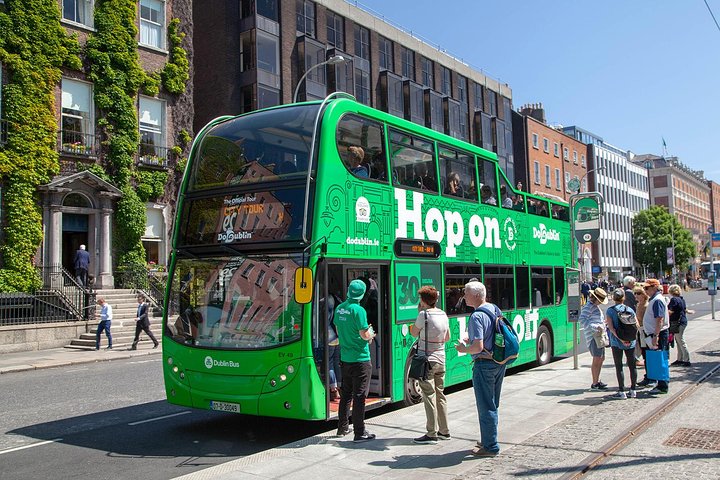
Dublin Hop-On Hop-Off Bus Tour with Guide and Little Museum Entry

Big Bus Dublin Hop-on, Hop-off Sightseeing Tour with Live Guide

St Patrick's Cathedral, Book of Kells and Dublin Castle Tour

Private (Nearly!) All of Dublin in 5 hours (Walking Tour)

Guinness Storehouse Ticket and Big Bus Dublin Hop-on Hop-off Tour

St Patricks Cathedral-Dublin Castle Exterior & Book of Kells Tour

Book of Kells. Dublin Castle exterior. 5* History & Heritage Tour

Dublin, Trintiy College Library Tour & Book of Kells


 Best Backpacking
.jpg) Hi, I’m Johan (Netherlands 🇳🇱), the creator of TakeYourBackpack. Over the past 3 decades, I’ve backpacked through 90+ countries across six continents, gaining extensive experience with independent travel, long-term trips, and overland routes.
Hi, I’m Johan (Netherlands 🇳🇱), the creator of TakeYourBackpack. Over the past 3 decades, I’ve backpacked through 90+ countries across six continents, gaining extensive experience with independent travel, long-term trips, and overland routes.