×

Ireland🇮🇪 | townsSligoBenbulben, surf beaches, Yeats connections | things to do and best time to go

Explore WestportExplore Ennis

Backpacking in Sligo
🌟 Highlighttown ranked #8
By Johan Kruseman 🇳🇱 | Updated October 16, 2026

Sligo is not for anyone chasing big-city buzz, museum marathons, or a packed nightlife calendar. It’s for backpackers who don’t mind a bit of rain in their boots if it means wild Atlantic light on a quiet beach an hour later. Up in Ireland’s northwest, on the coast between Donegal and Galway, Sligo town works best as a low-key base for nature rather than a destination in itself. The center is compact and walkable, with the river cutting through, a few solid pubs, and just enough cafés and hostels to feel social without turning into a party strip. Buses and trains make it easy to reach, but you’ll feel the limits of public transport for trailheads and surf beaches. Compared with Galway, Sligo is cheaper, calmer, more about Benbulben’s silhouette and cold pints after long, wet hikes than street performers and bar crawls.

Discover everything you want to know in the 📖 Ireland Travel Guide.


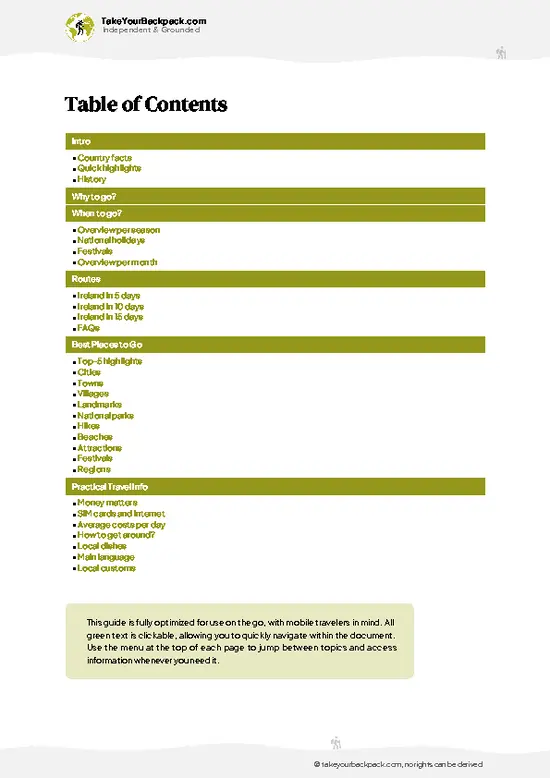
example page 0 from our offline Travel Guide for Ireland
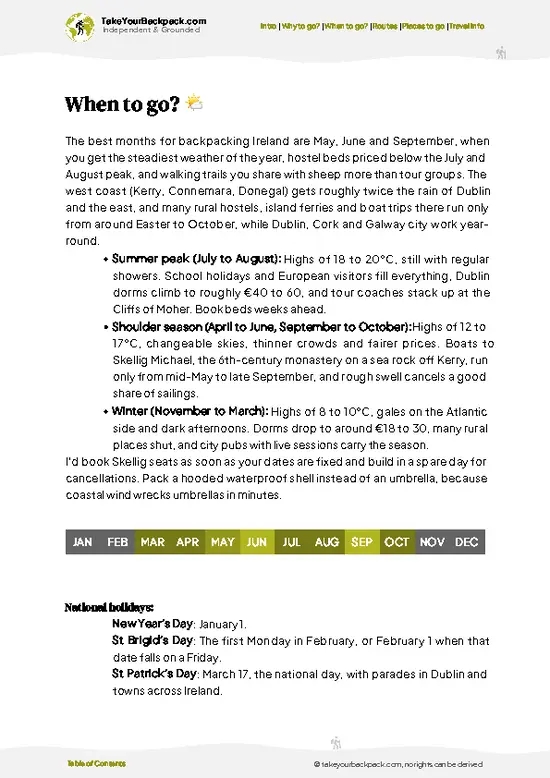
example page 1 from our offline Travel Guide for Ireland
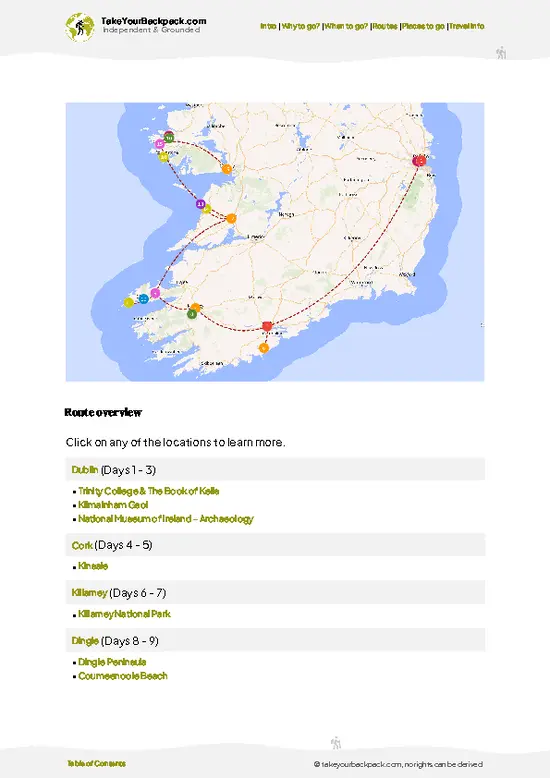
example page 2 from our offline Travel Guide for Ireland
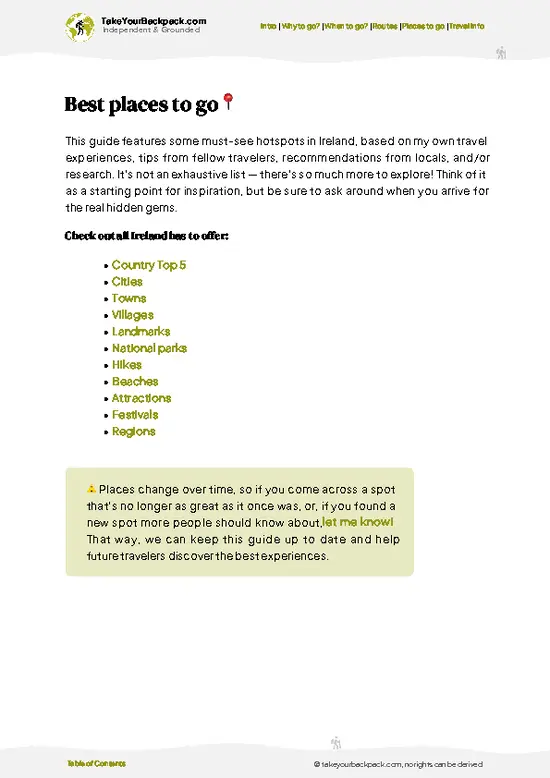
example page 3 from our offline Travel Guide for Ireland
example page 4 from our offline Travel Guide for Ireland
example page 5 from our offline Travel Guide for Ireland
example page 6 from our offline Travel Guide for Ireland
example page 7 from our offline Travel Guide for Ireland
Loading the map 🌍
CLICK TO FILTER
cities
towns
villages
landmarks
national parks
hikes
beaches
attractions
festivals
regions
SHOW COUNTRY’S BESTSHOW ALL

✨ Why go?
Ranked #8 town in Ireland
What sets this place apart

Sligo is a backpacker’s hub that serves as a gateway to Ireland’s wild beauty. Nestled between the Atlantic coast and the Ox Mountains, it’s perfectly positioned for those eager to explore. The nearby hikes—like the iconic Benbulben—offer breathtaking views that make the effort worthwhile. After a day on the trails, you can unwind at one of the small-scale hostels or cozy guesthouses, where the atmosphere is friendly and welcoming.

The walkable streets are lined with local eateries serving hearty meals, perfect for refueling after adventures. Sligo’s vibe is a blend of social and serene; you’ll find solo travelers sharing stories over pints, while others enjoy quiet moments by the beach. Most backpackers tend to linger a few days, soaking in the local culture and scenery. Whether you’re a … read more 👉
Sligo is a backpacker’s hub that serves as a gateway to Ireland’s wild beauty. Nestled between the Atlantic coast and the Ox Mountains, it’s perfectly positioned for those eager to explore. The nearby hikes—like the iconic Benbulben—offer breathtaking views that make the effort worthwhile. After a day on the trails, you can unwind at one of the small-scale hostels or cozy guesthouses, where the atmosphere is friendly and welcoming.

The walkable streets are lined with local eateries serving hearty meals, perfect for refueling after adventures. Sligo’s vibe is a blend of social and serene; you’ll find solo travelers sharing stories over pints, while others enjoy quiet moments by the beach. Most backpackers tend to linger a few days, soaking in the local culture and scenery. Whether you’re a slow traveler, a hiker, or part of a small group, Sligo offers a genuine Irish experience that feels both accessible and rewarding.

💡 HighlightsTop highlights of Sligo

  1. The Model / Niland Collection — Sligo’s contemporary arts centre and gallery; small enough to feel intimate but with a surprisingly strong collection of Irish art and rotating shows, plus a good cafe. Great for a rainy afternoon and for getting a feel for modern creativity in the town.
  2. Sligo Abbey — atmospheric medieval Dominican priory right in the centre of town. The carved stonework and cloister ruins are tangible history, and it’s compact enough to explore properly without a guidebook.
  3. Hawk’s Well Theatre — the local performance hub named after Yeats’ play. Check the schedule: you’ll find everything from Irish trad nights to contemporary drama and comedy, and the building itself is a focus for the town’s cultural life.
  4. Sligo County Museum (Market Yard) — a small, friendly local museum
… read more 👉
  1. The Model / Niland Collection — Sligo’s contemporary arts centre and gallery; small enough to feel intimate but with a surprisingly strong collection of Irish art and rotating shows, plus a good cafe. Great for a rainy afternoon and for getting a feel for modern creativity in the town.
  2. Sligo Abbey — atmospheric medieval Dominican priory right in the centre of town. The carved stonework and cloister ruins are tangible history, and it’s compact enough to explore properly without a guidebook.
  3. Hawk’s Well Theatre — the local performance hub named after Yeats’ play. Check the schedule: you’ll find everything from Irish trad nights to contemporary drama and comedy, and the building itself is a focus for the town’s cultural life.
  4. Sligo County Museum (Market Yard) — a small, friendly local museum that packs in archaeology, social history and displays about life in Sligo over the centuries. Good context if you want to understand the landscape and people behind the poems.
  5. Cathedral of the Immaculate Conception — an impressive 19th-century Catholic cathedral with notable stained glass and interior detail. It’s quieter than the tourist spots and gives a sense of Sligo’s civic and spiritual history.
  6. Yeats Memorial Building & the Yeats Trail — the town’s nod to W.B. Yeats: a small exhibition presence, events and nearby plaques/statues that tie the town into the poet’s life. Walking the little Yeats trail through town connects literary history to real streets and views.
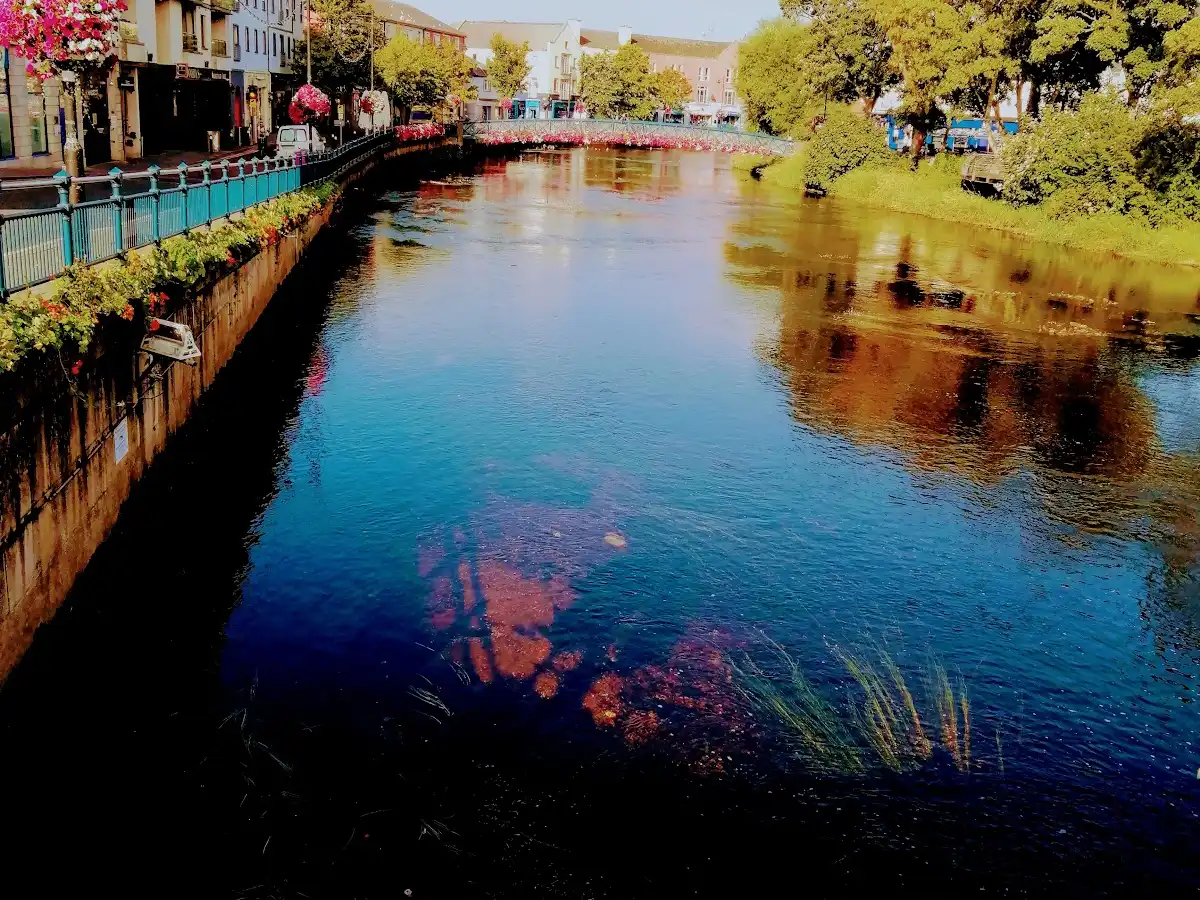
  7. Garavogue River Quays & the Quayside Walk — the riverfront is where Sligo breathes: pubs, cafes, bridges and people-watching. Short walk, good light for photos, and you can watch the tide and local life without leaving town.
  8. Carnegie Library — an elegant early-20th-century library building (part of the Andrew Carnegie library network) that’s worth a look for architecture and its role in Sligo’s civic life; often overlooked but nicely intact.
  9. Sligo Farmers’/Craft Markets (regular local markets) — pop-up markets and weekend stalls (often around The Model and Market Yard) where you can taste local food, buy crafts and meet producers — great for a cheap, authentic sample of local life.
  10. The Mall, Bridge Street & Traditional Music Pubs — the compact town centre around The Mall and Bridge Street is where Sligo’s social life happens: traditional music, snug pubs, and cafes. It’s not a single monument but the best place to feel the town’s atmosphere after dark.
A few easy day trips just outside Sligo town: Benbulben (dramatic mountain scenery — my personal favourite), Glencar Waterfall, Lissadell House and Strandhill for surfing and beaches.
Spotted a mistake or missing something? Contact us.

Things to do around Sligo

Ratings based on Tripadvisor reviews. When you book through this link, you support our work at no extra cost to you.

🏘️ NeighborhoodsUnderstanding the local layout

Sligo is a vibrant hub where the wild beauty of Ireland meets a lively cultural scene. Each neighborhood offers its own flavor, making it essential to choose wisely for your backpacking adventure.

City Center: This is the heartbeat of Sligo. You’ll find a mix of shops, cafes, and pubs, all within walking distance. The vibe is energetic, especially in the evenings when locals spill out into the streets. It’s perfect for short stays, with budget-friendly hostels and easy access to transport. Just be prepared for a bit of noise at night.

Quay Street: If you’re drawn to the water, this area is a must. The scenic river views are stunning, and the atmosphere is more laid-back. It’s quieter than the City Center, making it suitable for longer stays. You can stroll along the riverbanks and enjoy … read more 👉
Sligo is a vibrant hub where the wild beauty of Ireland meets a lively cultural scene. Each neighborhood offers its own flavor, making it essential to choose wisely for your backpacking adventure.

City Center: This is the heartbeat of Sligo. You’ll find a mix of shops, cafes, and pubs, all within walking distance. The vibe is energetic, especially in the evenings when locals spill out into the streets. It’s perfect for short stays, with budget-friendly hostels and easy access to transport. Just be prepared for a bit of noise at night.

Quay Street: If you’re drawn to the water, this area is a must. The scenic river views are stunning, and the atmosphere is more laid-back. It’s quieter than the City Center, making it suitable for longer stays. You can stroll along the riverbanks and enjoy a coffee while soaking in the sights. Transport is accessible, but you might want to walk to fully appreciate the scenery.

Ballinode: This residential area offers a more local experience. It’s a bit further from the main attractions, but the trade-off is peace and quiet. Ideal for longer stays, you’ll find cozy guesthouses and a friendly neighborhood vibe. It’s a 20-minute walk to the City Center, so you can enjoy the best of both worlds.

⌛️ 1 dayWhat you can realistically do in a day

Sligo, a town steeped in literary history and surrounded by stunning landscapes, offers a unique blend of culture and nature. It’s the kind of place where the air is rich with the scent of the Atlantic, and the rolling hills seem to whisper stories of poets like W.B. Yeats.

Start your day with a stroll along the River Garavogue. The morning light dances on the water, and the sound of the river is a gentle wake-up call. Grab a coffee at the charming Café Fleur, where the aroma of freshly baked pastries fills the air. Their scones are a must-try, buttery and warm, perfect fuel for your adventures.

After breakfast, head to the Yeats Memorial Building. This spot isn’t just for fans of poetry; it’s a gateway into the soul of Sligo. The exhibits are engaging, and you’ll walk away with a deeper … read more 👉
Sligo, a town steeped in literary history and surrounded by stunning landscapes, offers a unique blend of culture and nature. It’s the kind of place where the air is rich with the scent of the Atlantic, and the rolling hills seem to whisper stories of poets like W.B. Yeats.

Start your day with a stroll along the River Garavogue. The morning light dances on the water, and the sound of the river is a gentle wake-up call. Grab a coffee at the charming Café Fleur, where the aroma of freshly baked pastries fills the air. Their scones are a must-try, buttery and warm, perfect fuel for your adventures.

After breakfast, head to the Yeats Memorial Building. This spot isn’t just for fans of poetry; it’s a gateway into the soul of Sligo. The exhibits are engaging, and you’ll walk away with a deeper appreciation for the town’s literary legacy. From there, take a short walk to the nearby Sligo Abbey. The medieval ruins are hauntingly beautiful, and you can almost feel the history beneath your feet.

In the afternoon, venture to the less-trodden path of Knocknarea Mountain. It’s a bit of a climb, but the panoramic views from the top are worth every step. The scent of wild heather and the sound of the wind will invigorate you. Plus, you’ll find the ancient tomb of Queen Maeve at the summit, adding a layer of intrigue to your hike.

As evening falls, return to the town and explore the lively streets of O’Connell Street. Pop into a local pub like Hargadons for a pint of Guinness and some traditional music. The atmosphere is electric, filled with laughter and the warm glow of candlelight.

Sligo isn’t just a stop on the map; it’s a place that invites you to connect with its spirit, making every moment feel like a rewarding adventure.

🌤️ When to go?When to go for the best experience

  • Weather: Sligo’s weather swings between mild summers and wet winters. From June to August, expect highs around 17-20°C (63-68°F), perfect for hiking without overheating. Winters dip to 3-7°C (37-45°F) with frequent rain, making outdoor plans tricky.
  • Daylight Hours: Summer days stretch long, with up to 17 hours of light in June, giving you more time to explore the rugged coastline and inland trails. Winters shrink daylight to about 7-8 hours, squeezing your adventure window.
  • Crowds: Peak summer draws tourists, especially around August’s festivals, which means busier trails and pricier accommodations. Shoulder seasons like May and September offer quieter streets and a more local vibe.
  • Seasonal Activities: Summer hosts surfing and music festivals, while autumn brings harvest events and fewer
… read more 👉
  • Weather: Sligo’s weather swings between mild summers and wet winters. From June to August, expect highs around 17-20°C (63-68°F), perfect for hiking without overheating. Winters dip to 3-7°C (37-45°F) with frequent rain, making outdoor plans tricky.
  • Daylight Hours: Summer days stretch long, with up to 17 hours of light in June, giving you more time to explore the rugged coastline and inland trails. Winters shrink daylight to about 7-8 hours, squeezing your adventure window.
  • Crowds: Peak summer draws tourists, especially around August’s festivals, which means busier trails and pricier accommodations. Shoulder seasons like May and September offer quieter streets and a more local vibe.
  • Seasonal Activities: Summer hosts surfing and music festivals, while autumn brings harvest events and fewer tourists. Winter’s chill invites cozy pub nights but limits outdoor options.
  • Price Fluctuations: Accommodation and travel costs spike in July and August. Booking in shoulder seasons can save you 20-30%, plus you’ll snag better deals on local tours.
Pro-tip: Aim for late May or early September—mild weather, longer days, fewer crowds, and better prices combine for a smoother, richer Sligo experience.


source: climatestotravel.comJANJanuary: fair for travelingFEBFebruary: fair for travelingMARMarch: good for travelingAPRApril: good for travelingMAYMay: highly recommended for travelingJUNJune: excellent for travelingJULJuly: highly recommended for travelingAUGAugust: highly recommended for travelingSEPSeptember: highly recommended for travelingOCTOctober: good for travelingNOVNovember: fair for travelingDECDecember: fair for traveling
ireland-city-sligo v1
© Google |

✈️ The backpacker research shortcutIreland Travel Guide

An offline-friendly backpacking guide with optimized travel routes, ranked highlights, transport advice, and the best areas to stay.
example page 0 from our offline Travel Guide for Ireland
example page 1 from our offline Travel Guide for Ireland
example page 2 from our offline Travel Guide for Ireland
example page 3 from our offline Travel Guide for Ireland
example page 4 from our offline Travel Guide for Ireland
example page 5 from our offline Travel Guide for Ireland
example page 6 from our offline Travel Guide for Ireland
example page 7 from our offline Travel Guide for Ireland
The digital guide (366 pages) contains:
✅ 103 highlights, ranked by travel appeal
✅ Optimized 5, 10 & 15-day travel routes
✅ Cities, national parks, landmarks, beaches
✅ How to get around
✅ Offline-friendly for travel without Wi-Fi
👉 Click to see all 30+ guide features

📅 Plan smarter in minutes, not weeks
✅ Month by month travel advice
✅ Festivals & national holidays
✅ Budget expectations

🗺️ Go to the right places, skip the overrated ones
✅ Honest pros & cons of destinations
✅ Top hikes, parks & viewpoints
✅ Lesser-known places most travelers miss
✅ Clear “worth it vs skip it” guidance

🛏️ Travel smoothly without rookie mistakes
✅ Best areas to stay
✅ Transport systems explained simply
✅ Common scams & safety advice
✅ SIM cards, money & practical tips

🌍 Understand the country, not just visit it
✅ Culture & traditions
✅ Local customs
✅ Festivals worth planning around
✅ Traveler-friendly historical context
✅ Insights that make places more meaningful

📱 Built for real travel conditions
✅ Fully downloadable PDF
✅ Works completely offline
✅ Optimized for phone use
✅ Useful in remote areas & buses
✅ Everything in one place
Stop searching, start planning
Get instant access to your full guide. 30‑day money-back guarantee.
+ Add another guide for just

By proceeding you agree to our terms.
Sent to your inbox immediately after payment • 100% Secure Checkout
Best Backpacking Travel Advisor 2025 tourism awardBest Backpacking
Travel Advisor
2025
What others say about Take Your Backpack Guides:
⭐⭐⭐⭐⭐
Fantastic, amazing amount of information!
⭐⭐⭐⭐⭐
My goodness this is amazing, it's what I've been looking for hats off too you!
⭐⭐⭐⭐⭐
I think this is absolutely BRILLIANT
⭐⭐⭐⭐
Very complete and informative. It's still missing places, but I gotta to commend you
⭐⭐⭐⭐⭐
This is truly amazing, thank you, can't wait to explore it with my kids!
⭐⭐⭐⭐⭐
Awesome resource, thank you!
⭐⭐⭐⭐⭐
This is amazing! Can't wait to explore the ones I haven't seen
⭐⭐⭐⭐
I love this! Well done, great idea.
⭐⭐⭐⭐⭐
Thanks for taking the time to make this gem!
⭐⭐⭐⭐⭐
This might be the best website I've ever seen.
⭐⭐⭐⭐⭐
Congratulations, and thank you so much for your work; it's incredibly valuable.
⭐⭐⭐⭐
In all seriousness I think you did a great job pointing out the important spots
⭐⭐⭐⭐⭐
10/10 very good
⭐⭐⭐⭐⭐
As someone who's only just starting to visit regularly this is awesome, thank you.
⭐⭐⭐⭐
Thank you very much! I'm going to visit my dad, it's going to be very useful!
⭐⭐⭐⭐⭐
This is really cool! We'll be travelling for the first time and this definitely come in handy.
⭐⭐⭐⭐⭐
You are now our minister of culture, congratulations 👨‍💼
⭐⭐⭐⭐⭐
Just wanted to tell you that this is a pearl! Going to follow your recommendations.
⭐⭐⭐⭐⭐
This is so cool. I'll definitely be using the resource for my travels soon.
⭐⭐⭐⭐⭐
This is very impressive! Good work.
⭐⭐⭐⭐⭐
This is an amazing and informative site. Very well done!

🛏️ Where to stay?How to pick the right area

Sligo’s heart for backpackers pulses strongest around the town center, especially near the bustling High Street and the adjoining Wine Street. This area is a compact maze of narrow lanes where the scent of fresh bread from local bakeries mingles with the salty Atlantic breeze drifting in from nearby Strandhill. It’s safe, lively, and packed with budget-friendly hostels and guesthouses that cater to solo travelers and groups alike. Staying here means you’re steps away from cozy pubs where locals swap stories over pints, and from markets selling everything from woolen scarves to fresh seafood.

… read more 👉
Sligo’s heart for backpackers pulses strongest around the town center, especially near the bustling High Street and the adjoining Wine Street. This area is a compact maze of narrow lanes where the scent of fresh bread from local bakeries mingles with the salty Atlantic breeze drifting in from nearby Strandhill. It’s safe, lively, and packed with budget-friendly hostels and guesthouses that cater to solo travelers and groups alike. Staying here means you’re steps away from cozy pubs where locals swap stories over pints, and from markets selling everything from woolen scarves to fresh seafood.

Venture a little west toward the Garavogue River, and you’ll find quieter streets with a more residential feel, perfect for those who want to recharge after a day of hiking Benbulben or surfing. This area still offers easy access to hostels but trades the buzz for calm evenings and the soft glow of street lamps reflecting on the water. Compared to the outskirts, these neighborhoods keep you close to Sligo’s pulse without the hassle of long commutes or sketchy corners. It’s where convenience meets character, making your stay both smooth and authentically Irish.

🚌 Getting aroundGetting around like a local

Sligo moves at a pace that feels like a slow breath after a long hike—unhurried but purposeful. The town’s rhythm isn’t dictated by rigid timetables but by a blend of local intuition and the ebb of daily life. Streets hum with the scent of fresh bread from corner bakeries and the salty tang drifting in from the nearby Atlantic. You won’t find a frantic rush here; instead, there’s a steady flow, where buses and trains arrive with enough predictability to plan around, but with enough wiggle room to embrace spontaneity. This balance makes getting around feel less like a chore and more like part of the adventure.
  • Walking: The heart of Sligo is compact and inviting on foot. Most key spots—from the bustling Market Yard to the serene Garavogue River—are within a 15-20 minute stroll. Walking lets
… read more 👉
Sligo moves at a pace that feels like a slow breath after a long hike—unhurried but purposeful. The town’s rhythm isn’t dictated by rigid timetables but by a blend of local intuition and the ebb of daily life. Streets hum with the scent of fresh bread from corner bakeries and the salty tang drifting in from the nearby Atlantic. You won’t find a frantic rush here; instead, there’s a steady flow, where buses and trains arrive with enough predictability to plan around, but with enough wiggle room to embrace spontaneity. This balance makes getting around feel less like a chore and more like part of the adventure.
  • Walking: The heart of Sligo is compact and inviting on foot. Most key spots—from the bustling Market Yard to the serene Garavogue River—are within a 15-20 minute stroll. Walking lets you soak in the damp cobblestones, the chatter spilling from pubs, and the sharp, fresh air that carries whispers of the sea. No cost, full immersion.
  • Sligo Bus Service (Local Buses): These run from early morning around 7:00 AM until about 7:00 PM, with fares typically under €3 for short hops. They’re reliable enough to catch a ride to the outskirts or nearby villages like Strandhill. The buses aren’t flashy, but they’re clean and practical, with windows that frame the rolling green hills and rugged coastline.
  • Bus Éireann (Regional Buses): For budget travelers aiming to reach farther destinations like Galway or Dublin, these buses depart from the main station several times daily, starting around 6:30 AM and running until late evening. Tickets range from €10 to €20 depending on distance. They’re slower than trains but cheaper, and the large windows offer a panoramic view of the Irish countryside unfolding in waves of green and gray.
  • Sligo Train Station: Trains run a few times daily to Dublin and other major hubs, with first departures around 7:30 AM and last trains near 6:00 PM. Tickets hover around €15-€25. The train is faster and more comfortable than the bus, with spacious seats and a smoother ride, but schedules are less frequent, so timing is key.
  • Taxi Services: For late-night returns or when you’re hauling gear, taxis are available but pricier—expect around €10-€15 for short trips within town. They’re quick and flexible, perfect for when you want to skip the wait and dive straight into the warmth of a pub or the quiet of your lodging.

👛 Costs (as of 16 October 2026)Travel costs and budget guide for Sligo

Backpacking in Sligo, Ireland, means balancing the charm of a small town with practical costs that keep your trip smooth and enjoyable. Here’s what you can expect to spend daily, broken down by the essentials.
  • Dorm Accommodation: Hostels in Sligo typically charge between €20 and €30 per night for a bed in a shared dorm. This price gets you a clean, basic room with Wi-Fi and often a communal kitchen, perfect for stretching your budget while staying central.
  • Meals: Eating out can vary, but budget around €10 to €15 for a casual pub meal or takeaway. Breakfasts are often cheaper if you grab pastries or coffee from local bakeries for €3 to €5. Cooking your own meals in hostel kitchens can cut costs significantly.
  • Local Transport: Sligo is compact, so walking covers most spots. If you need a
… read more 👉
Backpacking in Sligo, Ireland, means balancing the charm of a small town with practical costs that keep your trip smooth and enjoyable. Here’s what you can expect to spend daily, broken down by the essentials.
  • Dorm Accommodation: Hostels in Sligo typically charge between €20 and €30 per night for a bed in a shared dorm. This price gets you a clean, basic room with Wi-Fi and often a communal kitchen, perfect for stretching your budget while staying central.
  • Meals: Eating out can vary, but budget around €10 to €15 for a casual pub meal or takeaway. Breakfasts are often cheaper if you grab pastries or coffee from local bakeries for €3 to €5. Cooking your own meals in hostel kitchens can cut costs significantly.
  • Local Transport: Sligo is compact, so walking covers most spots. If you need a bus, single fares hover around €2 to €3. A day pass is rare here, so plan trips carefully to avoid multiple fares. Taxis start at about €4, but they’re best for late nights or heavy packs.
  • Basic Activities/Entry Fees: Many natural attractions like beaches and hiking trails are free. Museums and galleries usually charge €5 to €10. If you want to visit historic sites or take guided tours, budget closer to €15 to €20 for a richer experience.
  • Miscellaneous Expenses: Think snacks, occasional coffee, or small souvenirs—set aside around €5 to €10 daily. This buffer keeps you flexible without blowing your budget on impulse buys.

All told, a realistic daily budget for backpacking in Sligo falls between €45 and €70. This range covers the essentials without skimping on comfort or local flavor. The town’s manageable size means you spend less on transport and more on soaking in the atmosphere, making every euro count.
⚠️ Prices can change and everyone travels differently, so take this as a rough guide. Hope it helps you plan your adventure!

🚌 Day tripsShort trips worth adding

Sligo is a fantastic base for day trips, offering a mix of rugged beauty and rich culture. Here are some standout options that will elevate your backpacking experience.

Benbulben Mountain
Just a 30-minute drive from Sligo, Benbulben is a dramatic table mountain that feels like stepping into a myth. The hike to the summit is about 4-5 hours round trip, rewarding you with sweeping views of the surrounding landscape. The scent of wild heather fills the air, and the sound of the wind rustling through the grass adds to the magic. Aim for a clear day in late spring or early autumn for the best visibility. A common mistake? Underestimating the weather—bring layers, as it can change quickly.


Glencar Waterfall
A mere 20-minute drive from Sligo, Glencar Waterfall is a serene spot that’s often … read more 👉
Sligo is a fantastic base for day trips, offering a mix of rugged beauty and rich culture. Here are some standout options that will elevate your backpacking experience.

Benbulben Mountain
Just a 30-minute drive from Sligo, Benbulben is a dramatic table mountain that feels like stepping into a myth. The hike to the summit is about 4-5 hours round trip, rewarding you with sweeping views of the surrounding landscape. The scent of wild heather fills the air, and the sound of the wind rustling through the grass adds to the magic. Aim for a clear day in late spring or early autumn for the best visibility. A common mistake? Underestimating the weather—bring layers, as it can change quickly.


Glencar Waterfall
A mere 20-minute drive from Sligo, Glencar Waterfall is a serene spot that’s often overlooked. The short walk to the waterfall is just 1.5 kilometers, making it accessible for all fitness levels. The mist from the falls creates a refreshing atmosphere, and the surrounding woods are alive with the sounds of birds. Visit in early summer when the foliage is lush, and the water flow is at its peak. Many first-timers miss the nearby café, which serves a mean slice of homemade cake—perfect for a post-hike treat.


Yeats Country
Explore the landscapes that inspired W.B. Yeats with a trip to Lough Gill, about 30 minutes from Sligo. You can take a scenic walk around the lake or hop on a boat tour to see the famous Isle of Innisfree. The tranquility of the water and the surrounding hills is palpable, especially in the early morning light. Budget around €15 for a boat tour, and consider visiting in late spring when the wildflowers bloom. A common pitfall? Skipping the poetry readings at local pubs—these add a rich layer to the experience.


Carrowmore Megalithic Cemetery
Just a 15-minute drive from Sligo, Carrowmore is one of the largest cemeteries of megalithic tombs in Ireland. The site is steeped in history, with over 30 tombs dating back to 4000 BC. A guided tour costs around €5 and provides fascinating insights into ancient rituals. The atmosphere is hauntingly beautiful, especially at dusk when the stones cast long shadows. Many visitors rush through; take your time to soak in the energy of this ancient place.

🛡️ SafetySafety Tips and Common Scams in Sligo

Sligo is generally safe, but like any town, it has its quirks. Stay aware in crowded areas, especially around the bustling market on Saturdays. Keep your belongings close; pickpocketing can happen when you’re distracted by the vibrant stalls.

If you’re solo, the streets feel friendly, but avoid wandering too far from the center after dark. The light dims quickly, and while locals are welcoming, it’s wise to stick to well-lit paths.

Scams are rare, but be cautious of overly friendly strangers offering unsolicited help. They might just want to chat, but it’s best to keep your guard up. Everyday annoyances include the occasional pub that’s a bit too lively, so if you’re seeking a quiet evening, check reviews first. Carry yourself with confidence, and you’ll blend right in.

FAQFrequently asked questions about Sligo

Yes, Sligo is worth visiting for its rich cultural heritage, stunning landscapes, and outdoor activities. It offers attractions like Benbulben mountain and the beaches at Strandhill, making it more than just a stopover.
You need at least 2 to 3 days in Sligo to explore the main sights, enjoy hiking, and experience local music and food. This allows time to visit key spots like Glencar Waterfall and the Sligo Abbey without rushing.
Yes, Sligo can be visited as a day trip from nearby cities like Galway or Dublin, but it requires an early start. The drive from Galway takes about 1.5 hours, making a day trip feasible but tight for extensive exploration.
⚠️ Things can change over time, so always validate details locally before you go.

Other Irish towns near Sligo

Explore more nearby:

  • Carrick-on-Shannon—River cruising, arts centre, marina| 45 km away
  • Ballina—River Moy, salmon fishing, Belleek woods| 48 km away
  • Westport—Georgian town, Croagh Patrick views, tree-lined mall| 87 km away

💡 Not sure where to go next?
Create a personalized itinerary for Ireland including Sligo and the places that fit your trip.

Generate my itinerary

👉 Discover all towns

Or checkout all Ireland has to offer (think cities, towns, villages, national parks, hikes, beaches, festivals)
Country photo of Ireland

We 💚 feedbackParting advice and final tips

Sligo’s rugged coastline and rich literary history make it a treasure for those who crave authenticity. You can almost taste the sea salt in the air as you wander the cliffs, inspired by Yeats. But be ready for the weather; it can shift from sunny to stormy in minutes. Pack layers and embrace the unpredictability. The payoff? A connection to nature and culture that feels like a well-earned reward.

✈️ When did I visit Ireland?
Ireland was the last country of my 1.5 year travel around the world trip, which was July 2016. In July 2023 I visited Ireland again.

✍️ Help improve this page!
The information on this page is based on my own backpacking experience in Ireland, supplemented with up-to-date research and feedback from other travelers. Travel details can change, so if you notice anything outdated or incomplete, feel free to let me know.


🙋‍♂️ Give feedback

👋 Meet the founderWho’s Behind Take Your Backpack?

Johan, backpacker and founder of TakeYourBackpackHi, I’m Johan (Netherlands 🇳🇱), the creator of TakeYourBackpack. Over the past 3 decades, I’ve backpacked through 90+ countries across six continents, gaining extensive experience with independent travel, long-term trips, and overland routes.

This site is built on a combination of firsthand travel experience and carefully curated insights from other backpackers. Many guides are based on places I’ve personally visited, while others bring together tips, observations, and practical advice shared by trusted travelers I’ve met along the way.

The goal is to provide realistic, experience-driven guidance — not generic itineraries — so you can explore destinations with better context, clearer expectations, and more confidence.