v2.webp)
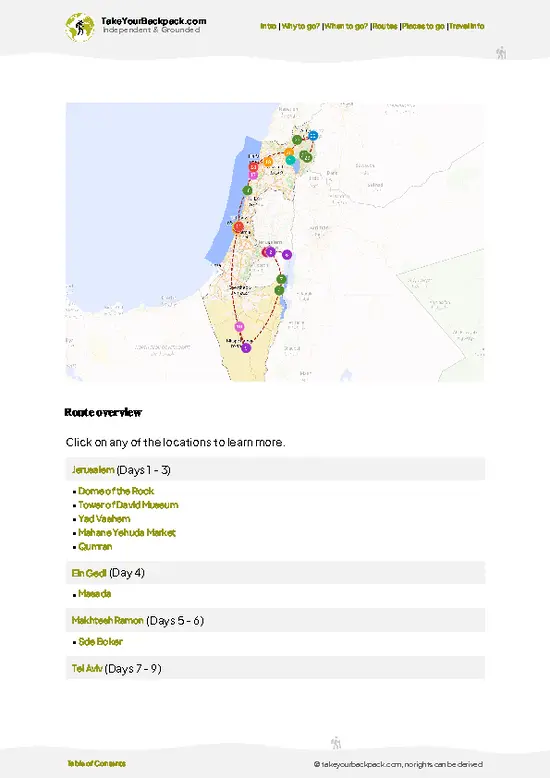
- Tel Ashkelon National Park — The big one: sprawling archaeological layers (Canaanite to Ottoman) right on the coast, with ruins you can walk through, a real sense of continuity, and easy access to the beach. It’s the best single place to feel Ashkelon’s long history.
- Ashkelon Dog Cemetery (within the national park) — A genuinely unusual archaeological site where ancient dogs were buried with care; the display and plaques give real context, and it’s one of those finds you won’t see elsewhere in Israel.
- Ancient cisterns and waterworks (Tel Ashkelon) — Big, atmospheric stone cisterns and remains of ancient hydraulic engineering; you can peer into the past and appreciate how coastal cities managed water for centuries.
- Byzantine/late-Roman mosaics and basilica remains — Scattered mosaic floors
- Tel Ashkelon National Park — The big one: sprawling archaeological layers (Canaanite to Ottoman) right on the coast, with ruins you can walk through, a real sense of continuity, and easy access to the beach. It’s the best single place to feel Ashkelon’s long history.
- Ashkelon Dog Cemetery (within the national park) — A genuinely unusual archaeological site where ancient dogs were buried with care; the display and plaques give real context, and it’s one of those finds you won’t see elsewhere in Israel.
- Ancient cisterns and waterworks (Tel Ashkelon) — Big, atmospheric stone cisterns and remains of ancient hydraulic engineering; you can peer into the past and appreciate how coastal cities managed water for centuries.
- Byzantine/late-Roman mosaics and basilica remains — Scattered mosaic floors and church foundations inside the park bring a tangible, visual layer of the Byzantine city—great for slow, close-up exploring and photos.
- Ashkelon Marina & boardwalk — A modern counterpoint to the ruins: cafes, a small marina, people watching, and an easy seaside stroll. Good for sunset and for gauging contemporary local life.
- Ashkelon beaches and coastal dunes — Broad sandy beaches for swimming and windsurfing plus protected dune patches that show the city’s wild coastal side; excellent for early-morning birdwatching or a lazy beach day.
- Ashkelon Visitors’ Center / Park information displays — Small but useful: maps, finds on display, and explanations that make the archaeology and the city’s story much clearer when you’re on site.
- Local market (the Ashkelon shuk) — Not a tourist circus—just a working market where you can grab fresh produce, cheap eats, and meet locals. Great for a practical, sensory slice of daily Ashkelon.
- Seafront sculpture trail and lookouts — Scattered public art, small installations, and designated viewpoints along the promenade that make walking the coast more interesting than just “sand-and-sea.”
- Open-air performance spaces and seasonal festivals — The city and park host concerts, local festivals, and community events, so check the calendar—seeing Ashkelon at a festival lets you experience modern culture layered on the ancient landscape.
Spotted a mistake or missing something? Contact us.
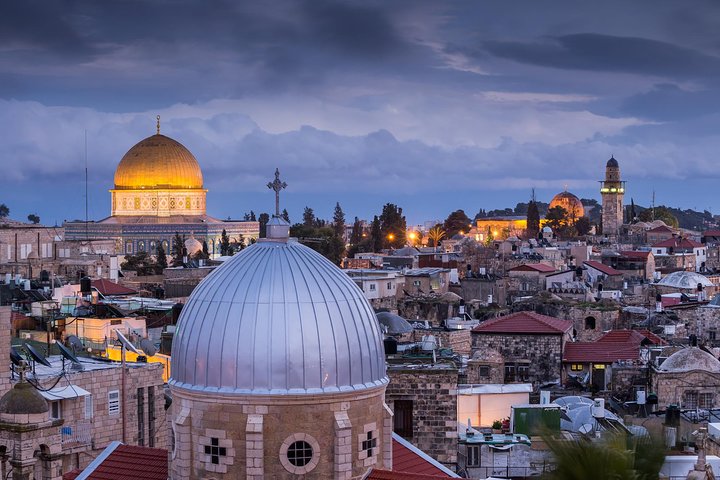
Ashdod Shore Excursion: Jerusalem and Dead Sea - for cruise ship guests only

2026 Jerusalem & Bethlehem from Ashdod Port Small Groups

Holy Jerusalem Private Tour

Ashdod Port Shore Excursion: Masada and the Dead Sea Day Tour from Ashdod Port

Ashdod Port Shore Excursion: Jerusalem and Bethlehem Day Tour from Ashdod Port

Holy City of Jerusalem and Bethlehem Private Tour

1-day Private Jerusalem & Bethlehem

Full-Day Tour to Bethlehem and Jerusalem

Day Tour Cruises Ashdod Port Jerusalem & Dead Sea or Bethlehem


 Best Backpacking
.jpg) Hi, I’m Johan (Netherlands 🇳🇱), the creator of TakeYourBackpack. Over the past 3 decades, I’ve backpacked through 90+ countries across six continents, gaining extensive experience with independent travel, long-term trips, and overland routes.
Hi, I’m Johan (Netherlands 🇳🇱), the creator of TakeYourBackpack. Over the past 3 decades, I’ve backpacked through 90+ countries across six continents, gaining extensive experience with independent travel, long-term trips, and overland routes.