v2.webp)
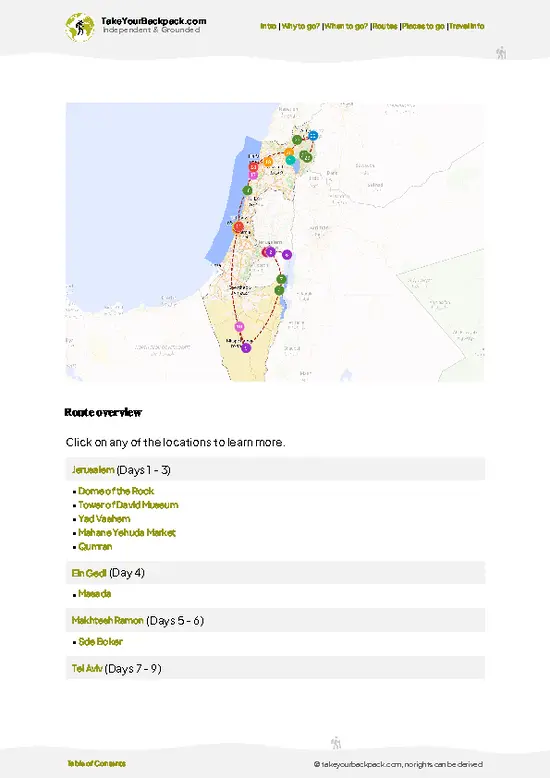
The Roman Theater
Forget the Instagram-perfect arches—this is where Caesarea’s pulse still beats. The Roman Theater isn’t just a photo op; it’s a living, breathing stage that’s hosted everything from gladiators to modern concerts. Sit on the ancient stone seats and you’ll feel the acoustics bounce off the Mediterranean breeze. If you catch a show here, you’re not just watching a performance—you’re part of a 2,000-year-old tradition. The crowds can be thick, but the energy is real, not manufactured.
The Hippodrome
This isn’t some dusty relic roped off for tourists. The Hippodrome is a massive, open-air arena where you can actually walk the same sand as ancient chariot racers. You’ll see the grooves in the stone where wheels once screeched and the stands where thousands screamed for blood or … read more 👉
Forget the Instagram-perfect arches—this is where Caesarea’s pulse still beats. The Roman Theater isn’t just a photo op; it’s a living, breathing stage that’s hosted everything from gladiators to modern concerts. Sit on the ancient stone seats and you’ll feel the acoustics bounce off the Mediterranean breeze. If you catch a show here, you’re not just watching a performance—you’re part of a 2,000-year-old tradition. The crowds can be thick, but the energy is real, not manufactured.
The Hippodrome
This isn’t some dusty relic roped off for tourists. The Hippodrome is a massive, open-air arena where you can actually walk the same sand as ancient chariot racers. You’ll see the grooves in the stone where wheels once screeched and the stands where thousands screamed for blood or … read more 👉
The Roman Theater
Forget the Instagram-perfect arches—this is where Caesarea’s pulse still beats. The Roman Theater isn’t just a photo op; it’s a living, breathing stage that’s hosted everything from gladiators to modern concerts. Sit on the ancient stone seats and you’ll feel the acoustics bounce off the Mediterranean breeze. If you catch a show here, you’re not just watching a performance—you’re part of a 2,000-year-old tradition. The crowds can be thick, but the energy is real, not manufactured.
The Hippodrome
This isn’t some dusty relic roped off for tourists. The Hippodrome is a massive, open-air arena where you can actually walk the same sand as ancient chariot racers. You’ll see the grooves in the stone where wheels once screeched and the stands where thousands screamed for blood or glory. It’s raw, it’s exposed, and it’s one of the few places in Israel where you can physically trace the adrenaline of Roman entertainment.
The Crusader City Walls and Moat
Here’s where Caesarea throws a curveball. Most people come for the Romans, but the Crusader fortifications are a medieval power move. The walls are thick, the moat is deep, and you can climb up for a panoramic view that’s all grit and grandeur—no filters needed. The stonework is rough, patched, and scarred from centuries of siege. It’s a reminder that this place wasn’t just a postcard; it was a battleground.
The Ancient Harbor
Caesarea’s harbor was once the engineering marvel of the Roman world. Today, it’s half-ruin, half-museum, and all atmosphere. Stand at the edge and you’ll see the submerged breakwaters where ships from three continents once docked. The sea here isn’t just a backdrop—it’s the reason this city existed. Watch the waves crash over Roman concrete, and you’ll understand why this was the Vegas of the ancient Mediterranean.
The Bathhouse Complex
If you want to understand Roman daily life, skip the temples and head for the bathhouse. The mosaic floors are battered but still vivid, and the underfloor heating system (hypocaust) is a geek-out moment for anyone who loves ancient tech. This is where the real social networking happened—steam, gossip, and politics, all in one steamy room.
The Promontory Palace
Personal favorite. This is where King Herod himself looked out over the sea, plotting and scheming. The palace ruins jut out into the Mediterranean, and you can still see the mosaic floors and the private pool that once sparkled with imported water. It’s the closest you’ll get to standing in the sandals of a biblical power broker, with the salt air and the ruins all around you. The crowds thin out here, and the sense of history is almost cinematic.
Forget the Instagram-perfect arches—this is where Caesarea’s pulse still beats. The Roman Theater isn’t just a photo op; it’s a living, breathing stage that’s hosted everything from gladiators to modern concerts. Sit on the ancient stone seats and you’ll feel the acoustics bounce off the Mediterranean breeze. If you catch a show here, you’re not just watching a performance—you’re part of a 2,000-year-old tradition. The crowds can be thick, but the energy is real, not manufactured.
The Hippodrome
This isn’t some dusty relic roped off for tourists. The Hippodrome is a massive, open-air arena where you can actually walk the same sand as ancient chariot racers. You’ll see the grooves in the stone where wheels once screeched and the stands where thousands screamed for blood or glory. It’s raw, it’s exposed, and it’s one of the few places in Israel where you can physically trace the adrenaline of Roman entertainment.
The Crusader City Walls and Moat
Here’s where Caesarea throws a curveball. Most people come for the Romans, but the Crusader fortifications are a medieval power move. The walls are thick, the moat is deep, and you can climb up for a panoramic view that’s all grit and grandeur—no filters needed. The stonework is rough, patched, and scarred from centuries of siege. It’s a reminder that this place wasn’t just a postcard; it was a battleground.
The Ancient Harbor
Caesarea’s harbor was once the engineering marvel of the Roman world. Today, it’s half-ruin, half-museum, and all atmosphere. Stand at the edge and you’ll see the submerged breakwaters where ships from three continents once docked. The sea here isn’t just a backdrop—it’s the reason this city existed. Watch the waves crash over Roman concrete, and you’ll understand why this was the Vegas of the ancient Mediterranean.
The Bathhouse Complex
If you want to understand Roman daily life, skip the temples and head for the bathhouse. The mosaic floors are battered but still vivid, and the underfloor heating system (hypocaust) is a geek-out moment for anyone who loves ancient tech. This is where the real social networking happened—steam, gossip, and politics, all in one steamy room.
The Promontory Palace
Personal favorite. This is where King Herod himself looked out over the sea, plotting and scheming. The palace ruins jut out into the Mediterranean, and you can still see the mosaic floors and the private pool that once sparkled with imported water. It’s the closest you’ll get to standing in the sandals of a biblical power broker, with the salt air and the ruins all around you. The crowds thin out here, and the sense of history is almost cinematic.
Spotted a mistake or missing something? Contact us.
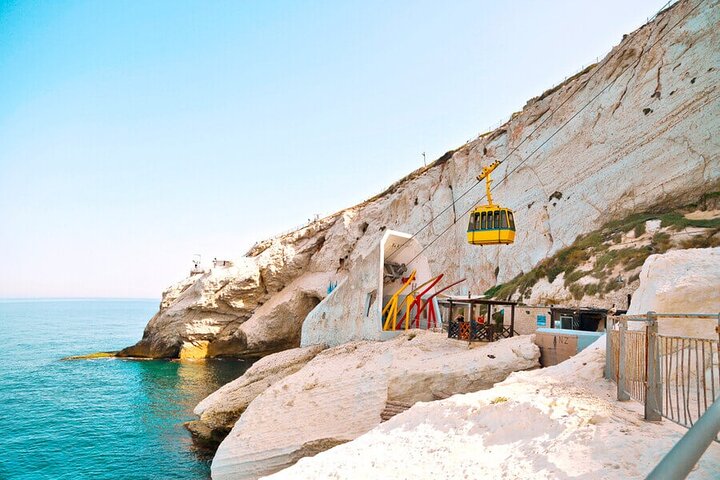
Caesarea, Rosh Hanikra and Acre Day Trip from Tel Aviv

7-Night Israel Highlights and Bibleland Tour

5-Day Best of Israel Tour from Tel Aviv: Jerusalem, Dead Sea, Nazareth, and Masada

Caesarea Haifa and Akko Tour from Tel Aviv

Caesarea, Haifa, Akko and Rosh Hanikra Private Tour from Tel Aviv

Caesarea and Haifa Private Tour from Tel Aviv

Private tour: Caesarea, Haifa, and Mt. Carmel

Caesarea, Haifa , Acre - Tiny group from Tel aviv

12-Day Israel, Jordan, and Egypt Tour with Nile Cruise


 Best Backpacking
.jpg) Hi, I’m Johan (Netherlands 🇳🇱), the creator of TakeYourBackpack. Over the past 3 decades, I’ve backpacked through 90+ countries across six continents, gaining extensive experience with independent travel, long-term trips, and overland routes.
Hi, I’m Johan (Netherlands 🇳🇱), the creator of TakeYourBackpack. Over the past 3 decades, I’ve backpacked through 90+ countries across six continents, gaining extensive experience with independent travel, long-term trips, and overland routes.