v2.webp)

- Crane migration — the winter spectacle — Thousands (sometimes tens of thousands) of common cranes stop here on their way between Europe and Africa. Watching them wheel into the reedbeds at dusk or rise in synchronized V-formations is the kind of wildlife theatre you won’t forget. (Personal favorite — go early evening with a thermos and a headlamp.)
- Agamon Hula boardwalks and observation towers — Flat, wheelchair-friendly boardwalks thread through the lake and reedbeds, and the towers give panoramic views where you can scan for birds without getting wet boots. Best for sunrise or late afternoon light.
- Pelicans, storks and the waterfowl congregation — Big, unmistakable birds like Dalmatian pelicans and white storks are regulars, plus dozens of duck and heron species. Great for close binocular
- Crane migration — the winter spectacle — Thousands (sometimes tens of thousands) of common cranes stop here on their way between Europe and Africa. Watching them wheel into the reedbeds at dusk or rise in synchronized V-formations is the kind of wildlife theatre you won’t forget. (Personal favorite — go early evening with a thermos and a headlamp.)
- Agamon Hula boardwalks and observation towers — Flat, wheelchair-friendly boardwalks thread through the lake and reedbeds, and the towers give panoramic views where you can scan for birds without getting wet boots. Best for sunrise or late afternoon light.
- Pelicans, storks and the waterfowl congregation — Big, unmistakable birds like Dalmatian pelicans and white storks are regulars, plus dozens of duck and heron species. Great for close binocular or scope viewing from the hides.
- Hiking and cycling routes through the reedbeds — Easy loops and short trails keep you low and slow in the habitat, so you actually notice little things — reed warblers, bitterns, the hush of the marsh. Trails are beginner-friendly and bikeable in most seasons.
- Butterflies, dragonflies and spring wildflowers — In late spring the reserve lights up with colorful insects and blooms along the drier margins. It’s a different kind of beauty from the winter flocks — small, vivid, and incredibly photogenic.
- Misty mornings and marsh photography spots — The flat water and reeds make perfect reflective compositions at dawn; expect mirror shots, silhouettes and fog drifting through the reeds. Bring a tripod if you care about sharp low-light pics.
- Visitor center, guided walks and seasonal events — Start here for maps, binocular rentals, and guided birding walks. They also run crane-watching events in winter and occasional educational programs — handy if you want context with your wildlife.
Spotted a mistake or missing something? Contact us.

In the Footsteps of Jesus: Nazareth and the Sea of Galilee
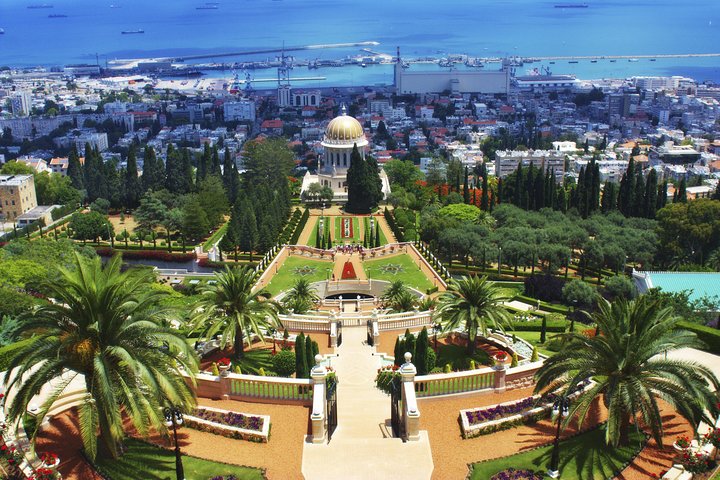
Haifa Shore Excursion: Nazareth and the Galilee - for cruise ship guests only

Kabbalah Heritage Walk

Galilean Cooking Workshop

Holy Jerusalem Private Tour

In the Footsteps of Jesus - Private Tour of Nazareth & the Sea of Galilee

Tour The Mystical City Of Safed

Holy City of Jerusalem and Bethlehem Private Tour

Druze Culinary Tour of the Western Galilee


 Best Backpacking
.jpg) Hi, I’m Johan (Netherlands 🇳🇱), the creator of TakeYourBackpack. Over the past 3 decades, I’ve backpacked through 90+ countries across six continents, gaining extensive experience with independent travel, long-term trips, and overland routes.
Hi, I’m Johan (Netherlands 🇳🇱), the creator of TakeYourBackpack. Over the past 3 decades, I’ve backpacked through 90+ countries across six continents, gaining extensive experience with independent travel, long-term trips, and overland routes.