v2.webp)
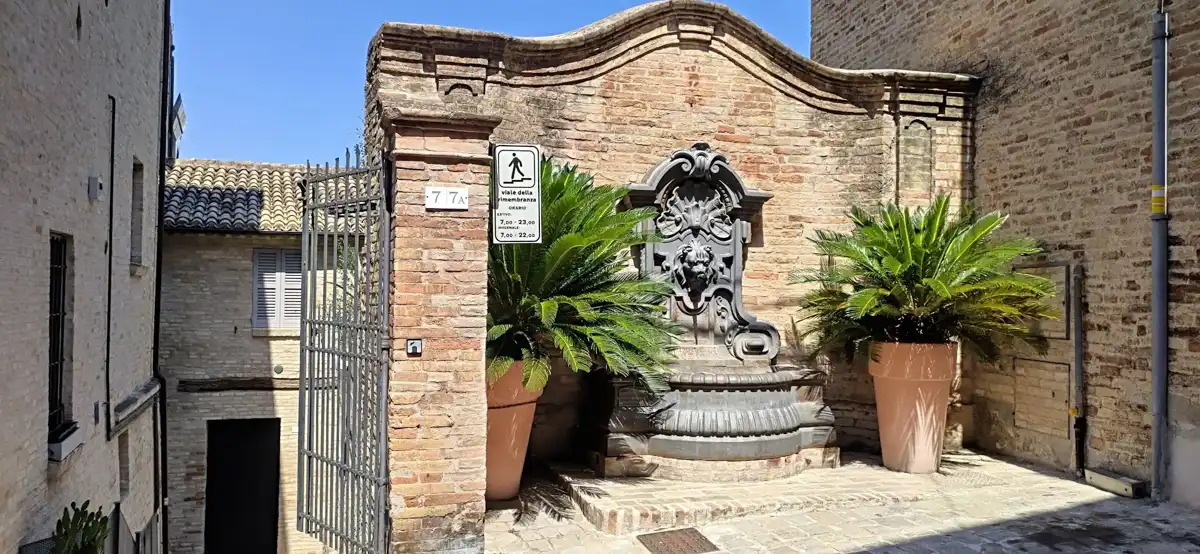
- Civitanova Alta (the hilltop old town) — Narrow, winding lanes, a patchwork of stone houses and small squares that give you the best snapshot of the town’s history; climb up for a belvedere that looks over the sea and the plain — perfect for late-afternoon wandering and cheap coffee stops where locals actually sit and chat.
- La Rotonda a Mare — That iconic circular pier-building jutting into the Adriatic. Come for the sunset light and the architecture; stay for occasional live gigs or just to watch fishermen and joggers circling the sea.
- Lungomare and the beaches — Wide sandy beaches and the seaside promenade where Italians promenade, eat gelato, rent a sunbed, or people-watch. It’s the heart of summer life here and a simple way to feel the town’s rhythm.
- Civitanova Porto (the marina)
- Civitanova Alta (the hilltop old town) — Narrow, winding lanes, a patchwork of stone houses and small squares that give you the best snapshot of the town’s history; climb up for a belvedere that looks over the sea and the plain — perfect for late-afternoon wandering and cheap coffee stops where locals actually sit and chat.
- La Rotonda a Mare — That iconic circular pier-building jutting into the Adriatic. Come for the sunset light and the architecture; stay for occasional live gigs or just to watch fishermen and joggers circling the sea.
- Lungomare and the beaches — Wide sandy beaches and the seaside promenade where Italians promenade, eat gelato, rent a sunbed, or people-watch. It’s the heart of summer life here and a simple way to feel the town’s rhythm.
- Civitanova Porto (the marina) and the fish market — A working harbour with pleasure boats, seafood stalls and early-morning fish auctions; great for fresh fish restaurants and seeing the town’s maritime side up close.
- Duomo / Chiesa di San Marone — The principal church honoring the town’s patron saint; not a huge cathedral but rich in local devotion, art and occasional small festivals that reveal real community traditions.
- Piazza XX Settembre and the main Corso — The social spine: cafés, bakeries, small shops and the kind of squares where people meet. Good for an espresso, window shopping and catching street life without fancy tourist traps.
- Teatro Annibal Caro (local theatre) — Small regional theatre that hosts plays, local concerts and community events; check the program — seeing a local production here gives you a better read on civic life than a museum sometimes.
- Artisan shoe shops and the footwear district — Civitanova is part of a famous footwear area: look for small ateliers, outlet stores and window displays showing Italian shoe-making craft — great for those who like shopping with a story.
- Street-level galleries and contemporary art spots — Scattered small galleries and pop-up spaces around the town that spotlight regional artists. They’re modest, unpredictable, and often more interesting than big museums because you can actually talk to people running them.
- The weekly market and neighborhood stalls — The authentic market (food, clothes, household goods) where locals do their shopping. Go in the morning for the best produce, bargains and a chance to practice a few Italian phrases with friendly vendors.
Spotted a mistake or missing something? Contact us.

Skip the line Vatican Museums, Sistine Chapel and St Peters Tour

Vatican, Sistine Chapel & St. Peter Basilica Tour with Dome Lift

Wine Tour and Tasting at Le Marche's Oldest Wine Estate

Private Traditional Sailboat Tour of the Conero Riviera

Full-Day Private Ghost Town Bike Tour in Fabriano and Genga

Vespa tour with written guide of Marche Riviera del Conero

Ancona Private Walking Tour with a Local

Vatican Museums, Sistine Chapel & St. Peter's Basilica Tour

Tree Tents Experience - E-bike Tour

 Best Backpacking
.jpg) Hi, I’m Johan (Netherlands 🇳🇱), the creator of TakeYourBackpack. Over the past 3 decades, I’ve backpacked through 90+ countries across six continents, gaining extensive experience with independent travel, long-term trips, and overland routes.
Hi, I’m Johan (Netherlands 🇳🇱), the creator of TakeYourBackpack. Over the past 3 decades, I’ve backpacked through 90+ countries across six continents, gaining extensive experience with independent travel, long-term trips, and overland routes.