v2.webp)
1. Basilica di San Simplicio
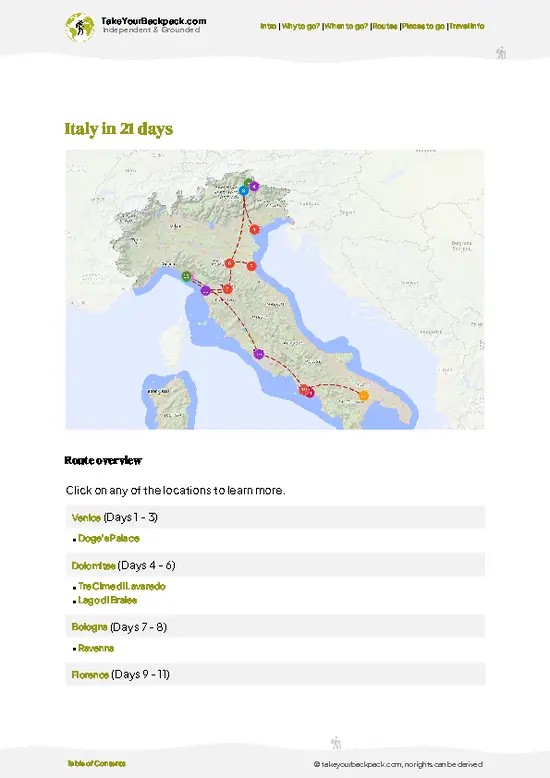
Olbia’s soul is limestone and sunlight, and nowhere is that more literal than at the Basilica di San Simplicio. This 11th-century Romanesque church sits slightly raised above the city, its weathered stone glowing gold in the late afternoon. Step inside and you’ll find cool shadows, the faint scent of incense, and centuries-old frescoes that survived pirate raids and plagues. The crypt holds ancient tombs; the nave, a hush that feels earned. Visit in the early evening for the best light and a quieter atmosphere—locals often slip in for a moment of peace before dinner. Entry is usually free, though a small donation is appreciated. Give yourself 30-45 minutes to let the place settle into your bones.
2. Museo Archeologico di Olbia
If you want to understand Olbia, … read more 👉
Olbia’s soul is limestone and sunlight, and nowhere is that more literal than at the Basilica di San Simplicio. This 11th-century Romanesque church sits slightly raised above the city, its weathered stone glowing gold in the late afternoon. Step inside and you’ll find cool shadows, the faint scent of incense, and centuries-old frescoes that survived pirate raids and plagues. The crypt holds ancient tombs; the nave, a hush that feels earned. Visit in the early evening for the best light and a quieter atmosphere—locals often slip in for a moment of peace before dinner. Entry is usually free, though a small donation is appreciated. Give yourself 30-45 minutes to let the place settle into your bones.
2. Museo Archeologico di Olbia
If you want to understand Olbia, … read more 👉
1. Basilica di San Simplicio
Olbia’s soul is limestone and sunlight, and nowhere is that more literal than at the Basilica di San Simplicio. This 11th-century Romanesque church sits slightly raised above the city, its weathered stone glowing gold in the late afternoon. Step inside and you’ll find cool shadows, the faint scent of incense, and centuries-old frescoes that survived pirate raids and plagues. The crypt holds ancient tombs; the nave, a hush that feels earned. Visit in the early evening for the best light and a quieter atmosphere—locals often slip in for a moment of peace before dinner. Entry is usually free, though a small donation is appreciated. Give yourself 30-45 minutes to let the place settle into your bones.
2. Museo Archeologico di Olbia
If you want to understand Olbia, start with its bones—literally. The Museo Archeologico sits on its own island in the harbor, surrounded by the scent of salt and diesel from the ferries. Inside, you’ll find shipwrecks, amphorae, and the kind of artifacts that make you realize just how many civilizations have fought over this patch of Sardinia. The museum’s centerpiece: the remains of Roman ships, battered but still defiant. Go in the morning, when the light off the water is sharp and the crowds are thin. Entry is around €5. You’ll want at least an hour, more if you like reading every placard.
3. Corso Umberto I
This is Olbia’s main artery, but it’s not just a shopping street—it’s a living, breathing slice of Sardinian daily life. In the early evening, the air fills with the clink of glasses and the aroma of espresso and fresh pastries. Locals stroll arm-in-arm, and you can duck into a bakery for a slice of seadas or a bar for a quick mirto. The architecture is a patchwork of Liberty-style facades and sun-bleached stone, with just enough grit to keep it real. No entry fee, obviously, but bring a few euros for a gelato or aperitivo. Give yourself an hour or two, especially during the evening passeggiata.
4. Chiesa di San Paolo Apostolo
Tucked just off the main drag, this church is easy to miss—until you spot its wild, mosaic-tiled dome gleaming above the rooftops. Inside, the air is cool and heavy with candle wax. The church is a patchwork of centuries, with baroque flourishes and a sense of lived-in faith. It’s a working parish, so you might catch a wedding or a baptism if you time it right. Visit late morning or just before sunset for the best light through the stained glass. Entry is free. 20-30 minutes is enough, unless you want to linger in the quiet.
5. Mercato Civico di Olbia
This is where you taste Olbia, not just see it. The civic market is a riot of color and noise—fishmongers hawking today’s catch, old men arguing over pecorino, the sharp tang of fresh myrtle berries. It’s not a tourist show; it’s where locals actually shop. Go early, before 10am, when the produce is freshest and the energy is at its peak. Entry is free, but you’ll want a few euros for cheese, olives, or a wedge of pane carasau. 30-45 minutes is plenty, unless you get pulled into a conversation (which happens).
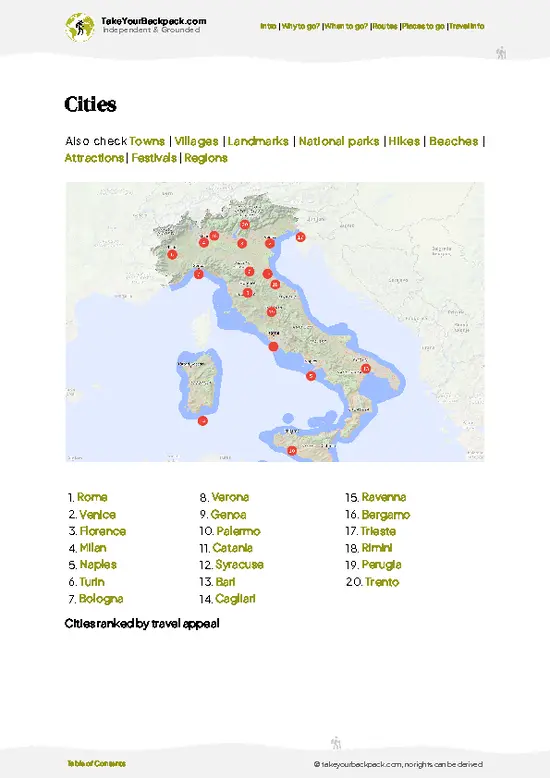
If you’re itching to stretch your legs beyond Olbia, the ancient Nuraghe Riu Mulinu, the postcard-perfect beaches of Pittulongu, and the granite wilds of Tavolara Island are all within easy reach—Tavolara, with its Jurassic silhouette and wild goats, is my personal favorite for a day trip.
Olbia’s soul is limestone and sunlight, and nowhere is that more literal than at the Basilica di San Simplicio. This 11th-century Romanesque church sits slightly raised above the city, its weathered stone glowing gold in the late afternoon. Step inside and you’ll find cool shadows, the faint scent of incense, and centuries-old frescoes that survived pirate raids and plagues. The crypt holds ancient tombs; the nave, a hush that feels earned. Visit in the early evening for the best light and a quieter atmosphere—locals often slip in for a moment of peace before dinner. Entry is usually free, though a small donation is appreciated. Give yourself 30-45 minutes to let the place settle into your bones.
2. Museo Archeologico di Olbia
If you want to understand Olbia, start with its bones—literally. The Museo Archeologico sits on its own island in the harbor, surrounded by the scent of salt and diesel from the ferries. Inside, you’ll find shipwrecks, amphorae, and the kind of artifacts that make you realize just how many civilizations have fought over this patch of Sardinia. The museum’s centerpiece: the remains of Roman ships, battered but still defiant. Go in the morning, when the light off the water is sharp and the crowds are thin. Entry is around €5. You’ll want at least an hour, more if you like reading every placard.
3. Corso Umberto I
This is Olbia’s main artery, but it’s not just a shopping street—it’s a living, breathing slice of Sardinian daily life. In the early evening, the air fills with the clink of glasses and the aroma of espresso and fresh pastries. Locals stroll arm-in-arm, and you can duck into a bakery for a slice of seadas or a bar for a quick mirto. The architecture is a patchwork of Liberty-style facades and sun-bleached stone, with just enough grit to keep it real. No entry fee, obviously, but bring a few euros for a gelato or aperitivo. Give yourself an hour or two, especially during the evening passeggiata.
4. Chiesa di San Paolo Apostolo
Tucked just off the main drag, this church is easy to miss—until you spot its wild, mosaic-tiled dome gleaming above the rooftops. Inside, the air is cool and heavy with candle wax. The church is a patchwork of centuries, with baroque flourishes and a sense of lived-in faith. It’s a working parish, so you might catch a wedding or a baptism if you time it right. Visit late morning or just before sunset for the best light through the stained glass. Entry is free. 20-30 minutes is enough, unless you want to linger in the quiet.
5. Mercato Civico di Olbia
This is where you taste Olbia, not just see it. The civic market is a riot of color and noise—fishmongers hawking today’s catch, old men arguing over pecorino, the sharp tang of fresh myrtle berries. It’s not a tourist show; it’s where locals actually shop. Go early, before 10am, when the produce is freshest and the energy is at its peak. Entry is free, but you’ll want a few euros for cheese, olives, or a wedge of pane carasau. 30-45 minutes is plenty, unless you get pulled into a conversation (which happens).
If you’re itching to stretch your legs beyond Olbia, the ancient Nuraghe Riu Mulinu, the postcard-perfect beaches of Pittulongu, and the granite wilds of Tavolara Island are all within easy reach—Tavolara, with its Jurassic silhouette and wild goats, is my personal favorite for a day trip.
Spotted a mistake or missing something? Contact us.

Dolphin Watching Tour - from Golfo Aranci

Magdalene Archipelago Sailing Tour | From Santa Teresa

Kayak tour with aperitif and dolphins

Olbia Catamaran Tour for Dolphin Research and Tavolara Marine Park

Kayak Tour with Snorkeling and Local Aperitif

Sunset Kayak Tour with Snorkeling and Local Aperitif

Small Group Costa Smeralda P. Cervo San Pantaleo Sardinia ITALY

4 × 4 excursion to the beaches of Biderosa and Capo Comino

Boat tour to explore the Marine Protected Area of Tavolara


 Best Backpacking
.jpg) Hi, I’m Johan (Netherlands 🇳🇱), the creator of TakeYourBackpack. Over the past 3 decades, I’ve backpacked through 90+ countries across six continents, gaining extensive experience with independent travel, long-term trips, and overland routes.
Hi, I’m Johan (Netherlands 🇳🇱), the creator of TakeYourBackpack. Over the past 3 decades, I’ve backpacked through 90+ countries across six continents, gaining extensive experience with independent travel, long-term trips, and overland routes.