v2.webp)
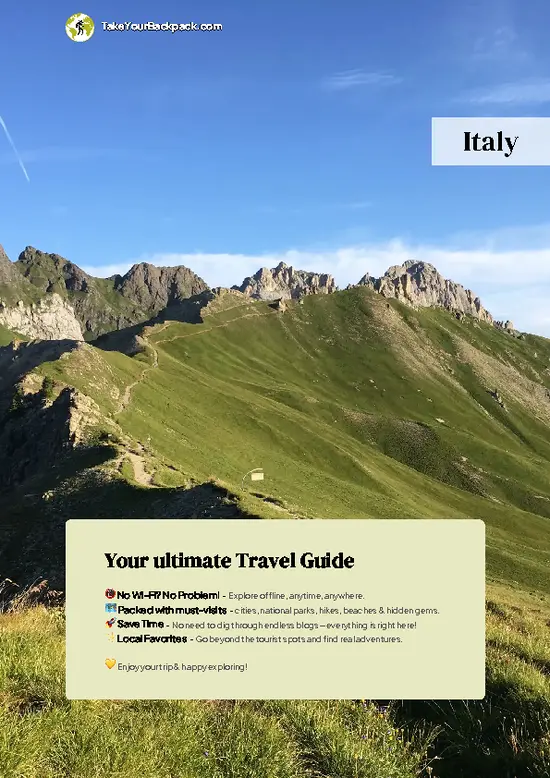
Piazza dei Miracoli (Square of Miracles)
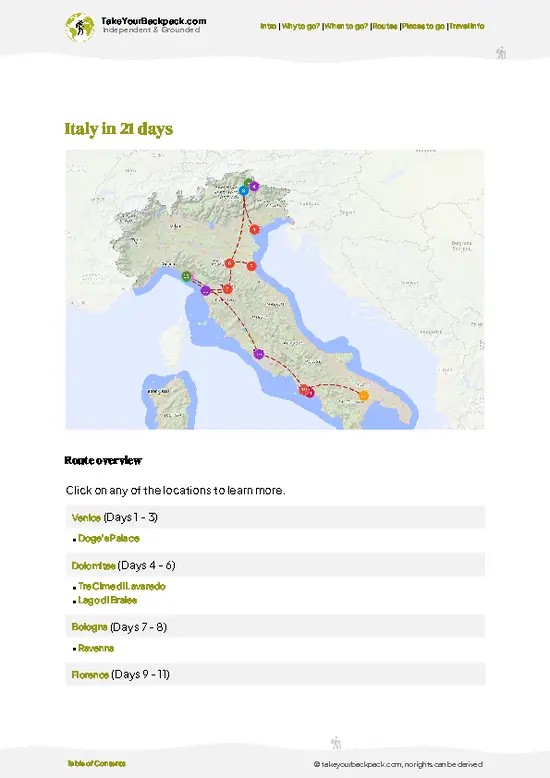
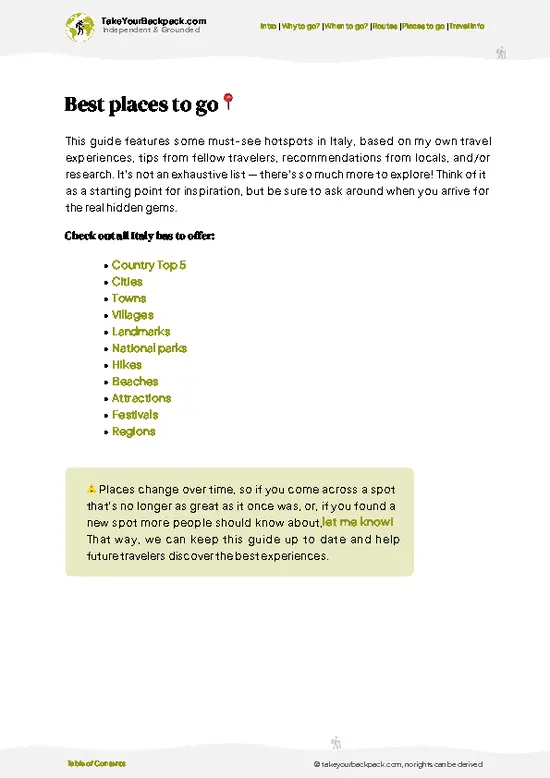
There’s a reason every traveler ends up here, but don’t let the crowds fool you—this walled green expanse is Pisa’s soul, not just its selfie spot. The Leaning Tower draws the flashbulbs, but it’s the way the white marble glows against the grass at golden hour, the echo of footsteps in the Baptistery, and the hush inside the Cathedral that make this place feel almost otherworldly. Climb the Tower (book ahead, €20, 30-40 minutes for the climb and views), but don’t skip the Baptistery’s acoustics demonstration or the Camposanto’s faded frescoes. Early morning or late afternoon is best for light and fewer crowds. Budget 2-3 hours if you want to do more than just snap a photo.
Borgo Stretto
This is Pisa’s real main street, a medieval arcade lined with archways, … read more 👉
There’s a reason every traveler ends up here, but don’t let the crowds fool you—this walled green expanse is Pisa’s soul, not just its selfie spot. The Leaning Tower draws the flashbulbs, but it’s the way the white marble glows against the grass at golden hour, the echo of footsteps in the Baptistery, and the hush inside the Cathedral that make this place feel almost otherworldly. Climb the Tower (book ahead, €20, 30-40 minutes for the climb and views), but don’t skip the Baptistery’s acoustics demonstration or the Camposanto’s faded frescoes. Early morning or late afternoon is best for light and fewer crowds. Budget 2-3 hours if you want to do more than just snap a photo.
Borgo Stretto
This is Pisa’s real main street, a medieval arcade lined with archways, … read more 👉
Piazza dei Miracoli (Square of Miracles)
There’s a reason every traveler ends up here, but don’t let the crowds fool you—this walled green expanse is Pisa’s soul, not just its selfie spot. The Leaning Tower draws the flashbulbs, but it’s the way the white marble glows against the grass at golden hour, the echo of footsteps in the Baptistery, and the hush inside the Cathedral that make this place feel almost otherworldly. Climb the Tower (book ahead, €20, 30-40 minutes for the climb and views), but don’t skip the Baptistery’s acoustics demonstration or the Camposanto’s faded frescoes. Early morning or late afternoon is best for light and fewer crowds. Budget 2-3 hours if you want to do more than just snap a photo.
Borgo Stretto
This is Pisa’s real main street, a medieval arcade lined with archways, indie boutiques, and coffee bars that hum with local chatter. The scent of espresso and pastries drifts out from Pasticceria Salza, and you’ll see students from the university weaving through on bikes. It’s the place to feel the city’s pulse—grab a macchiato, browse the shops, and watch the world go by. Free to wander; a coffee costs about €1.50. Give yourself 30-60 minutes, longer if you linger for aperitivo.
Keith Haring’s Tuttomondo Mural
A burst of color on the side of the Sant’Antonio Abate church, this 1989 mural is a rare piece of public art from the American pop artist. It’s not just a photo op—it’s a symbol of Pisa’s openness to the world, and the joyful, wriggling figures feel like a secret handshake between locals and visitors. The mural is free to view, and you’ll only need 10-15 minutes, but it’s worth pausing to watch how people interact with it—kids tracing the lines, old men debating its meaning.
Palazzo Blu
Set right on the Arno, this deep-blue 14th-century palace is Pisa’s cultural engine. Inside, you’ll find a rotating calendar of art exhibitions—think Chagall, Kandinsky, or Italian masters—plus a permanent collection that traces the city’s history through portraits, coins, and oddities. The building itself is a treat, with creaky floors and frescoed ceilings. Entry is usually €3-€6, more for special shows. Plan for 1-1.5 hours, especially if you catch a major exhibit.
Orto Botanico di Pisa (Botanical Garden)
Founded in 1544, this is Europe’s oldest university botanical garden, and it feels like a secret pocket of calm just steps from the tourist bustle. The air is thick with the scent of herbs and old stone. Wander among medicinal plants, ancient trees, and glasshouses that creak in the sun. Entry is about €4. Allow 45-60 minutes, longer if you’re a plant lover or need a breather from the crowds.
For day trips just outside Pisa, you’re spoiled: Lucca’s Renaissance walls, the wild beaches of Marina di Vecchiano, and the hilltop village of San Miniato are all within easy reach. Personally, I never skip Lucca—the city walls at sunset are pure magic.
There’s a reason every traveler ends up here, but don’t let the crowds fool you—this walled green expanse is Pisa’s soul, not just its selfie spot. The Leaning Tower draws the flashbulbs, but it’s the way the white marble glows against the grass at golden hour, the echo of footsteps in the Baptistery, and the hush inside the Cathedral that make this place feel almost otherworldly. Climb the Tower (book ahead, €20, 30-40 minutes for the climb and views), but don’t skip the Baptistery’s acoustics demonstration or the Camposanto’s faded frescoes. Early morning or late afternoon is best for light and fewer crowds. Budget 2-3 hours if you want to do more than just snap a photo.
Borgo Stretto
This is Pisa’s real main street, a medieval arcade lined with archways, indie boutiques, and coffee bars that hum with local chatter. The scent of espresso and pastries drifts out from Pasticceria Salza, and you’ll see students from the university weaving through on bikes. It’s the place to feel the city’s pulse—grab a macchiato, browse the shops, and watch the world go by. Free to wander; a coffee costs about €1.50. Give yourself 30-60 minutes, longer if you linger for aperitivo.
Keith Haring’s Tuttomondo Mural
A burst of color on the side of the Sant’Antonio Abate church, this 1989 mural is a rare piece of public art from the American pop artist. It’s not just a photo op—it’s a symbol of Pisa’s openness to the world, and the joyful, wriggling figures feel like a secret handshake between locals and visitors. The mural is free to view, and you’ll only need 10-15 minutes, but it’s worth pausing to watch how people interact with it—kids tracing the lines, old men debating its meaning.
Palazzo Blu
Set right on the Arno, this deep-blue 14th-century palace is Pisa’s cultural engine. Inside, you’ll find a rotating calendar of art exhibitions—think Chagall, Kandinsky, or Italian masters—plus a permanent collection that traces the city’s history through portraits, coins, and oddities. The building itself is a treat, with creaky floors and frescoed ceilings. Entry is usually €3-€6, more for special shows. Plan for 1-1.5 hours, especially if you catch a major exhibit.
Orto Botanico di Pisa (Botanical Garden)
Founded in 1544, this is Europe’s oldest university botanical garden, and it feels like a secret pocket of calm just steps from the tourist bustle. The air is thick with the scent of herbs and old stone. Wander among medicinal plants, ancient trees, and glasshouses that creak in the sun. Entry is about €4. Allow 45-60 minutes, longer if you’re a plant lover or need a breather from the crowds.
For day trips just outside Pisa, you’re spoiled: Lucca’s Renaissance walls, the wild beaches of Marina di Vecchiano, and the hilltop village of San Miniato are all within easy reach. Personally, I never skip Lucca—the city walls at sunset are pure magic.
Spotted a mistake or missing something? Contact us.

Cycling Pisa highlights & hidden treasures - half day tour

Carrara Marble Tour by van from Lucca or Pisa

Volterra and San Gimignano: a taste of medieval Tuscany!

Volterra wines, sensory emotions of organic farming

Pisa's Leaning Tower Climbing, Cathedral, Cemetery and Baptistery guided visit

Pisa: a tour to discover the most hated city in Tuscany

Cinque Terre Private Tour by Minivan and Ferry-Boat from Pisa

Bella Toscana - San Gimignano plus 2 Chianti Wineries and lunch

Cinque Terre Private Tour from La Spezia


 Best Backpacking
.jpg) Hi, I’m Johan (Netherlands 🇳🇱), the creator of TakeYourBackpack. Over the past 3 decades, I’ve backpacked through 90+ countries across six continents, gaining extensive experience with independent travel, long-term trips, and overland routes.
Hi, I’m Johan (Netherlands 🇳🇱), the creator of TakeYourBackpack. Over the past 3 decades, I’ve backpacked through 90+ countries across six continents, gaining extensive experience with independent travel, long-term trips, and overland routes.