

The Studio Room
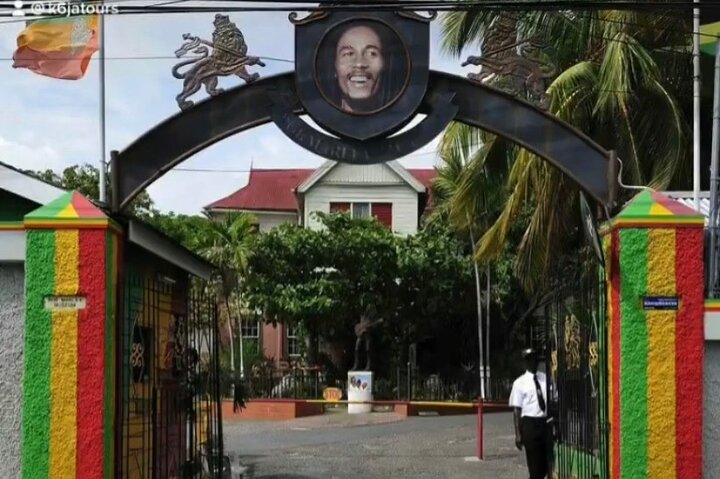
This isn’t a sanitized, glassed-off exhibit. You’re standing in the actual studio where Bob Marley recorded some of his most iconic tracks. The walls are still lined with original sound equipment and battered instruments. You can almost feel the creative chaos that fueled “Redemption Song.” It’s not about the gear—it’s about the energy. If you want to understand reggae, you start here, where the music was born in sweat and stubborn hope.
Bob’s Bedroom
This is the room that Instagrammers skip past, but it’s the soul of the house. The bed is still made, the guitar leans in the corner, and the bullet holes from the 1976 assassination attempt are right there in the wall—no velvet rope, no sugarcoating. It’s raw, a little eerie, and absolutely essential. You see the cost of Marley’s … read more 👉
This isn’t a sanitized, glassed-off exhibit. You’re standing in the actual studio where Bob Marley recorded some of his most iconic tracks. The walls are still lined with original sound equipment and battered instruments. You can almost feel the creative chaos that fueled “Redemption Song.” It’s not about the gear—it’s about the energy. If you want to understand reggae, you start here, where the music was born in sweat and stubborn hope.
Bob’s Bedroom
This is the room that Instagrammers skip past, but it’s the soul of the house. The bed is still made, the guitar leans in the corner, and the bullet holes from the 1976 assassination attempt are right there in the wall—no velvet rope, no sugarcoating. It’s raw, a little eerie, and absolutely essential. You see the cost of Marley’s … read more 👉
The Studio Room
This isn’t a sanitized, glassed-off exhibit. You’re standing in the actual studio where Bob Marley recorded some of his most iconic tracks. The walls are still lined with original sound equipment and battered instruments. You can almost feel the creative chaos that fueled “Redemption Song.” It’s not about the gear—it’s about the energy. If you want to understand reggae, you start here, where the music was born in sweat and stubborn hope.
Bob’s Bedroom
This is the room that Instagrammers skip past, but it’s the soul of the house. The bed is still made, the guitar leans in the corner, and the bullet holes from the 1976 assassination attempt are right there in the wall—no velvet rope, no sugarcoating. It’s raw, a little eerie, and absolutely essential. You see the cost of Marley’s activism, not just the legend. This is the room that makes the museum more than a fan pilgrimage—it’s a lesson in courage.
The One Love Café
Most museum cafés are an afterthought. Not here. The One Love Café is a crash course in Jamaican comfort food—think spicy patties, jerk chicken, and ginger beer that actually bites back. The vibe is casual, the music is always on, and the staff have stories if you’re willing to listen. It’s the only spot in the museum where you can sit, eat, and let the whole experience sink in. My personal favorite—because nothing cements a memory like a plate of food and a good story.
The Award Wall
This is where the myth meets the receipts. Gold records, international awards, and fan letters from every continent are crammed onto every inch of wall space. It’s not subtle, but it’s not supposed to be. You see the global impact of Marley’s music in a way that’s impossible to argue with. The sheer volume of accolades is almost overwhelming, but it’s a reminder: this wasn’t just a local hero, but a world-changer.
The Backyard Stage
Skip the staged photo ops and head out back. The small stage in the garden is where Marley and the Wailers jammed, rehearsed, and sometimes just played for friends. If you’re lucky, you’ll catch a live performance—local musicians keeping the spirit alive, not just replaying the hits. The energy is loose, the crowd is mixed, and the music feels alive in a way that no playlist can match. This is the real entertainment factor: reggae in its natural habitat, not behind glass.
This isn’t a sanitized, glassed-off exhibit. You’re standing in the actual studio where Bob Marley recorded some of his most iconic tracks. The walls are still lined with original sound equipment and battered instruments. You can almost feel the creative chaos that fueled “Redemption Song.” It’s not about the gear—it’s about the energy. If you want to understand reggae, you start here, where the music was born in sweat and stubborn hope.
Bob’s Bedroom
This is the room that Instagrammers skip past, but it’s the soul of the house. The bed is still made, the guitar leans in the corner, and the bullet holes from the 1976 assassination attempt are right there in the wall—no velvet rope, no sugarcoating. It’s raw, a little eerie, and absolutely essential. You see the cost of Marley’s activism, not just the legend. This is the room that makes the museum more than a fan pilgrimage—it’s a lesson in courage.
The One Love Café
Most museum cafés are an afterthought. Not here. The One Love Café is a crash course in Jamaican comfort food—think spicy patties, jerk chicken, and ginger beer that actually bites back. The vibe is casual, the music is always on, and the staff have stories if you’re willing to listen. It’s the only spot in the museum where you can sit, eat, and let the whole experience sink in. My personal favorite—because nothing cements a memory like a plate of food and a good story.
The Award Wall
This is where the myth meets the receipts. Gold records, international awards, and fan letters from every continent are crammed onto every inch of wall space. It’s not subtle, but it’s not supposed to be. You see the global impact of Marley’s music in a way that’s impossible to argue with. The sheer volume of accolades is almost overwhelming, but it’s a reminder: this wasn’t just a local hero, but a world-changer.
The Backyard Stage
Skip the staged photo ops and head out back. The small stage in the garden is where Marley and the Wailers jammed, rehearsed, and sometimes just played for friends. If you’re lucky, you’ll catch a live performance—local musicians keeping the spirit alive, not just replaying the hits. The energy is loose, the crowd is mixed, and the music feels alive in a way that no playlist can match. This is the real entertainment factor: reggae in its natural habitat, not behind glass.
Spotted a mistake or missing something? Contact us.
v2.webp)


Best Backpacking
Hi, I’m Johan (Netherlands 🇳🇱), the creator of TakeYourBackpack. Over the past decade, I’ve backpacked through 80+ countries across six continents, gaining extensive experience with independent travel, long-term trips, and overland routes.