v2.webp)
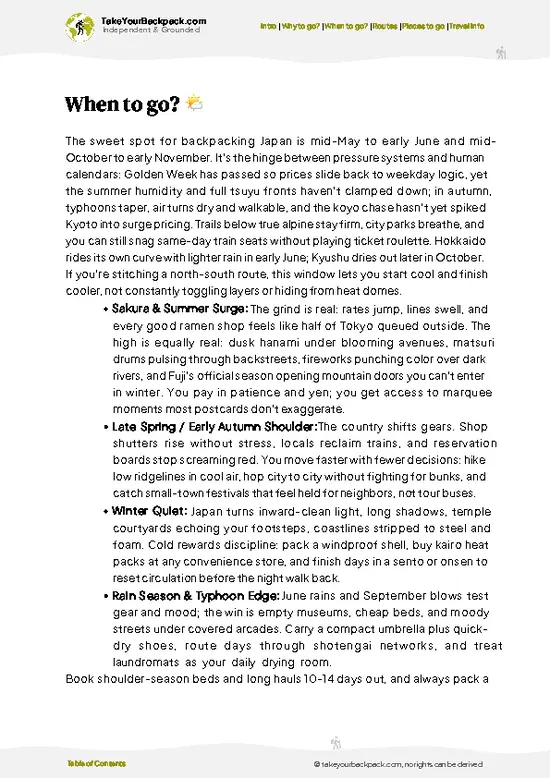
- Devil’s Washboard (basalt rock terraces) — Aoshima’s long, ribbed basalt slabs are the beach’s signature: parallel “washboard” rocks carved by ancient lava and waves that make for dramatic photos and a weirdly otherworldly walk at low tide. Unique to this place, the patterns catch sunrise/sunset light in a way that feels cinematic—just watch the tide and wear good shoes because those slabs get slippery. Night: silhouettes against moonlight can be eerie-beautiful for long-exposure shots if the tide’s low and you’re careful.
- Aoshima Shrine and its island setting — The tiny shrine sits almost hugged by the sea and palm trees, giving it a compact, mystical vibe you won’t get at mainland temples; locals also come here for matchmaking, so the ema (wish plaques) are full of personality. Visiting
- Devil’s Washboard (basalt rock terraces) — Aoshima’s long, ribbed basalt slabs are the beach’s signature: parallel “washboard” rocks carved by ancient lava and waves that make for dramatic photos and a weirdly otherworldly walk at low tide. Unique to this place, the patterns catch sunrise/sunset light in a way that feels cinematic—just watch the tide and wear good shoes because those slabs get slippery. Night: silhouettes against moonlight can be eerie-beautiful for long-exposure shots if the tide’s low and you’re careful.
- Aoshima Shrine and its island setting — The tiny shrine sits almost hugged by the sea and palm trees, giving it a compact, mystical vibe you won’t get at mainland temples; locals also come here for matchmaking, so the ema (wish plaques) are full of personality. Visiting at low tide feels like stepping onto a secluded sacred pocket of island culture. Night: the place calms down after dusk and the torii/shrine outlines make a peaceful moonlit stroll—check opening times for inside access.
- Subtropical palms and the mini jungle walk — This isn’t your typical dune-scape: Aoshima has a tight band of subtropical plants and palms that give the tiny island a warm, southern-Japan microclimate—great for spotting unusual plants and getting a break from open sand. It’s a compact, almost tropical-feeling detour that stands out from other Honshu beaches. Night: the warm, insect-filled air makes for a cozy nighttime soundscape if you linger on the shore.
- Surfing and the local surf scene — Aoshima’s beach picks up consistent swell and draws a mix of locals and visiting surfers; because the island sits near good reef/point-type breaks, you can watch skilled lines being ridden close to the washboard rocks. It’s a great place to soak up small-town surf culture without the crowds of bigger surf towns—rentals and lessons are available in town if you need them. Night: not a night-surf spot—best to stick to daytime when currents and hazards are obvious.
- Tidepooling and close-up marine life — When the water retreats between the basalt ribs you get proper tidepools full of crabs, small fish, and anemones—easy, hands-on exploration that feels like a natural aquarium unique to Aoshima’s rocky geology. It’s one of the quickest ways to find real local sea life without a boat, and excellent for curious backpackers who like poking around. Night: nocturnal tidepool life can be cool to observe with a headlamp, but move slowly and avoid stepping on critters.
Spotted a mistake or missing something? Contact us.

1-Day Kochi Highlights Tour with local guide

Kochi Shore Excursion: Customized Car Tour, Licensed Guide

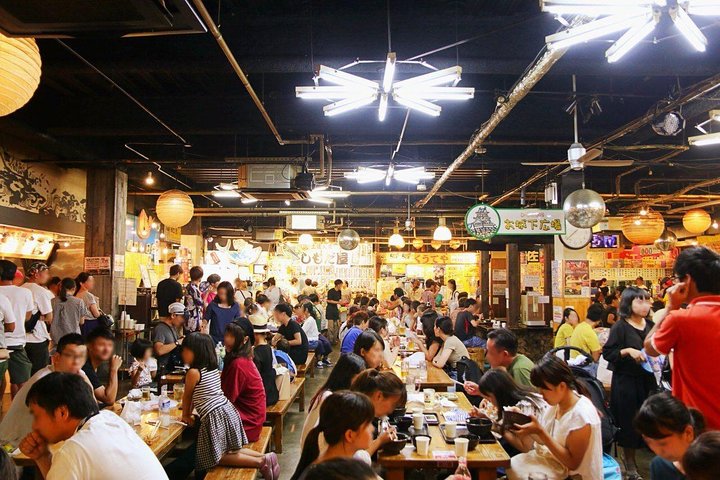
Best of Kochi Half-Day Tour: Castle & Hirome Market

Make your own kitchen knife with a master blacksmith in Shimanto

Shore Excursion Full Day Private Kochi Tour from Kochi port

Experience the energy of Kochi: Sunday Market Tour includes Kochi Castle

Pro Guided Small Group SUP Downriver Tour at Niyodo River
Kochi Full-Day Private Trip with Government-Licensed Guide

Private Kochi Shore Excursion


 Best Backpacking
.jpg) Hi, I’m Johan (Netherlands 🇳🇱), the creator of TakeYourBackpack. Over the past decade, I’ve backpacked through 80+ countries across six continents, gaining extensive experience with independent travel, long-term trips, and overland routes.
Hi, I’m Johan (Netherlands 🇳🇱), the creator of TakeYourBackpack. Over the past decade, I’ve backpacked through 80+ countries across six continents, gaining extensive experience with independent travel, long-term trips, and overland routes.