×

Japan🇯🇵 | attractionsEdo-Tokyo Museumurban history, reconstructed streets, interactive exhibits | things to do and best time to go

Explore teamLab PlanetsExplore Samurai Museum

Backpacking in Edo-Tokyo Museum
👍 Recommendedattraction ranked #13
By Johan Kruseman 🇳🇱 | Updated October 15, 2026

You’re standing on a creaking wooden bridge, the scent of old timber and lacquer in the air, peering down at a miniature Edo street so detailed you half-expect a samurai to round the corner. The Edo-Tokyo Museum sits in Ryogoku, Tokyo—smack in the city’s sumo heartland. Here’s the truth: it’s not cheap, and you’ll dodge school groups and selfie sticks, but nowhere else in Japan lets you time-travel from shogun alleyways to neon Tokyo in a single afternoon. It’s a history lesson that actually grabs you by the collar.

Discover everything you want to know in the 📖 Japan Travel Guide.


example page 0 from our offline Travel Guide for Japan
example page 1 from our offline Travel Guide for Japan
example page 2 from our offline Travel Guide for Japan
example page 3 from our offline Travel Guide for Japan
example page 4 from our offline Travel Guide for Japan
example page 5 from our offline Travel Guide for Japan
example page 6 from our offline Travel Guide for Japan
example page 7 from our offline Travel Guide for Japan
Loading the map 🌍
CLICK TO FILTER
cities
towns
villages
landmarks
national parks
hikes
beaches
attractions
festivals
regions
SHOW COUNTRY’S BESTSHOW ALL

✨ Why go?
Ranked #13 attraction in Japan
What makes it a must-see attraction

The Edo-Tokyo Museum isn’t just another stop on the Tokyo tourist conveyor belt. Yes, it draws crowds, and the entrance fee isn’t pocket change for a backpacker. But here’s the kicker: this place cracks open the city’s soul, revealing how Tokyo morphed from a feudal backwater into a global powerhouse. The scale of the models and exhibits hits you like a history punch—raw, detailed, and immersive. For anyone trekking through Japan, it’s a major milestone that turns abstract history into something you can almost touch. Skip it, and you miss the backbone of modern Tokyo’s story.

💡 HighlightsPlaces and moments you shouldn't skip

1. The Full-Scale Nihonbashi Bridge
Forget the Instagram shots—this is not just a photo op. Walking across this massive replica of Edo’s iconic bridge, you’re literally stepping into the city’s old pulse. The scale is wild; you can almost hear the clatter of wooden sandals and the shouts of merchants. It’s the museum’s time machine, and it works.


2. Life-Size Edo Street Scenes
This is where the museum ditches the glass-case boredom. You’re not peering at artifacts from a distance; you’re ducking into recreated shops, peeking into a fireman’s station, and squeezing through alleyways. It’s immersive, theatrical, and—if you let yourself play along—genuinely fun.


3. The Model Cityscapes
These aren’t your average dioramas. The detail is obsessive: tiny street vendors, samurai, even stray dogs. It’s … read more 👉
1. The Full-Scale Nihonbashi Bridge
Forget the Instagram shots—this is not just a photo op. Walking across this massive replica of Edo’s iconic bridge, you’re literally stepping into the city’s old pulse. The scale is wild; you can almost hear the clatter of wooden sandals and the shouts of merchants. It’s the museum’s time machine, and it works.


2. Life-Size Edo Street Scenes
This is where the museum ditches the glass-case boredom. You’re not peering at artifacts from a distance; you’re ducking into recreated shops, peeking into a fireman’s station, and squeezing through alleyways. It’s immersive, theatrical, and—if you let yourself play along—genuinely fun.


3. The Model Cityscapes
These aren’t your average dioramas. The detail is obsessive: tiny street vendors, samurai, even stray dogs. It’s a visual overload that rewards patience. Stand there long enough and you’ll spot something new every minute. This is my personal favorite—pure, nerdy joy.


4. The Meiji-Era Train Car
Climb aboard a real train car from Japan’s industrial leap. The woodwork, the brass, the sense of movement—suddenly, modernization isn’t just a textbook chapter. It’s tactile, and you can almost smell the coal.


5. The Firefighting Exhibits
Edo burned—a lot. The museum’s fire brigade displays are a crash course in urban survival, with wild costumes and gear that look straight out of a samurai movie. It’s dramatic, a little chaotic, and a reminder that Tokyo’s resilience is centuries old.
Spotted a mistake or missing something? Contact us.

Things to do around Edo-Tokyo Museum

Ratings based on Tripadvisor reviews. When you book through this link, you support our work at no extra cost to you.

🌤️ When to go?Seasonal considerations and timing

  • Weather & Temperature: Tokyo’s weather swings from chilly winters around 5°C (41°F) in January to hot, humid summers hitting 30°C (86°F) in August. Spring (March to May) and autumn (September to November) offer the most comfortable temps for wandering the museum without sweating or shivering.
  • Daylight Hours: Longer days from late March to early September mean more time to explore, with up to 14 hours of daylight in June. Winter months shrink daylight to about 10 hours, limiting your sightseeing window.
  • Crowds: The museum gets packed during Japanese school holidays (late March, early April, and late July to August). Weekdays outside these periods are your best bet for a quieter experience.
  • Seasonal Activities: Special exhibits often align with cultural festivals in spring and autumn, adding
… read more 👉
  • Weather & Temperature: Tokyo’s weather swings from chilly winters around 5°C (41°F) in January to hot, humid summers hitting 30°C (86°F) in August. Spring (March to May) and autumn (September to November) offer the most comfortable temps for wandering the museum without sweating or shivering.
  • Daylight Hours: Longer days from late March to early September mean more time to explore, with up to 14 hours of daylight in June. Winter months shrink daylight to about 10 hours, limiting your sightseeing window.
  • Crowds: The museum gets packed during Japanese school holidays (late March, early April, and late July to August). Weekdays outside these periods are your best bet for a quieter experience.
  • Seasonal Activities: Special exhibits often align with cultural festivals in spring and autumn, adding layers of context but also drawing bigger crowds.
  • Price Fluctuations: Entry fees stay steady year-round, but accommodation and travel costs spike during cherry blossom season (late March to early April) and Golden Week (late April to early May), making those times pricier overall.
Pro-tip: Aim for a weekday visit in late October or early November—cool weather, fewer tourists, and a chance to catch unique autumn-themed exhibits without the crush.


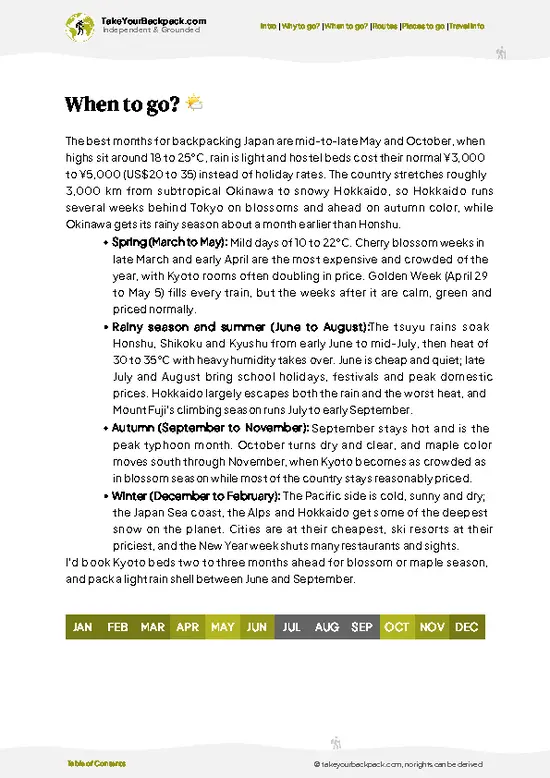
source: climatestotravel.comJANJanuary: good for travelingFEBFebruary: good for travelingMARMarch: good for travelingAPRApril: good for travelingMAYMay: highly recommended for travelingJUNJune: highly recommended for travelingJULJuly: fair for travelingAUGAugust: fair for travelingSEPSeptember: highly recommended for travelingOCTOctober: excellent for travelingNOVNovember: excellent for travelingDECDecember: good for traveling
when-to-go

✈️ The backpacker research shortcutJapan Travel Guide

An offline-friendly backpacking guide with optimized travel routes, ranked highlights, transport advice, and the best areas to stay.
example page 0 from our offline Travel Guide for Japan
example page 1 from our offline Travel Guide for Japan
example page 2 from our offline Travel Guide for Japan
example page 3 from our offline Travel Guide for Japan
example page 4 from our offline Travel Guide for Japan
example page 5 from our offline Travel Guide for Japan
example page 6 from our offline Travel Guide for Japan
example page 7 from our offline Travel Guide for Japan
The digital guide (475 pages) contains:
✅ 139 highlights, ranked by travel appeal
✅ Optimized 7, 14 & 21-day travel routes
✅ Cities, national parks, landmarks, beaches
✅ How to get around
✅ Offline-friendly for travel without Wi-Fi
👉 Click to see all 30+ guide features

📅 Plan smarter in minutes, not weeks
✅ Month by month travel advice
✅ Festivals & national holidays
✅ Budget expectations

🗺️ Go to the right places, skip the overrated ones
✅ Honest pros & cons of destinations
✅ Top hikes, parks & viewpoints
✅ Lesser-known places most travelers miss
✅ Clear “worth it vs skip it” guidance

🛏️ Travel smoothly without rookie mistakes
✅ Best areas to stay
✅ Transport systems explained simply
✅ Common scams & safety advice
✅ SIM cards, money & practical tips

🌍 Understand the country, not just visit it
✅ Culture & traditions
✅ 52 Essential phrases & customs
✅ Festivals worth planning around
✅ Traveler-friendly historical context
✅ Insights that make places more meaningful

📱 Built for real travel conditions
✅ Fully downloadable PDF
✅ Works completely offline
✅ Optimized for phone use
✅ Useful in remote areas & buses
✅ Everything in one place
Stop searching, start planning
Get instant access to your full guide. 30‑day money-back guarantee.
+ Add another guide for just

By proceeding you agree to our terms.
Sent to your inbox immediately after payment • 100% Secure Checkout
Best Backpacking Travel Advisor 2025 tourism awardBest Backpacking
Travel Advisor
2025
What others say about Take Your Backpack Guides:
⭐⭐⭐⭐⭐
Fantastic, amazing amount of information!
⭐⭐⭐⭐⭐
My goodness this is amazing, it's what I've been looking for hats off too you!
⭐⭐⭐⭐⭐
I think this is absolutely BRILLIANT
⭐⭐⭐⭐
Very complete and informative. It's still missing places, but I gotta to commend you
⭐⭐⭐⭐⭐
This is truly amazing, thank you, can't wait to explore it with my kids!
⭐⭐⭐⭐⭐
Awesome resource, thank you!
⭐⭐⭐⭐⭐
This is amazing! Can't wait to explore the ones I haven't seen
⭐⭐⭐⭐
I love this! Well done, great idea.
⭐⭐⭐⭐⭐
Thanks for taking the time to make this gem!
⭐⭐⭐⭐⭐
This might be the best website I've ever seen.
⭐⭐⭐⭐⭐
Congratulations, and thank you so much for your work; it's incredibly valuable.
⭐⭐⭐⭐
In all seriousness I think you did a great job pointing out the important spots
⭐⭐⭐⭐⭐
10/10 very good
⭐⭐⭐⭐⭐
As someone who's only just starting to visit regularly this is awesome, thank you.
⭐⭐⭐⭐
Thank you very much! I'm going to visit my dad, it's going to be very useful!
⭐⭐⭐⭐⭐
This is really cool! We'll be travelling for the first time and this definitely come in handy.
⭐⭐⭐⭐⭐
You are now our minister of culture, congratulations 👨‍💼
⭐⭐⭐⭐⭐
Just wanted to tell you that this is a pearl! Going to follow your recommendations.
⭐⭐⭐⭐⭐
This is so cool. I'll definitely be using the resource for my travels soon.
⭐⭐⭐⭐⭐
This is very impressive! Good work.
⭐⭐⭐⭐⭐
This is an amazing and informative site. Very well done!

🛏️ Where to stay?Where staying makes the most sense

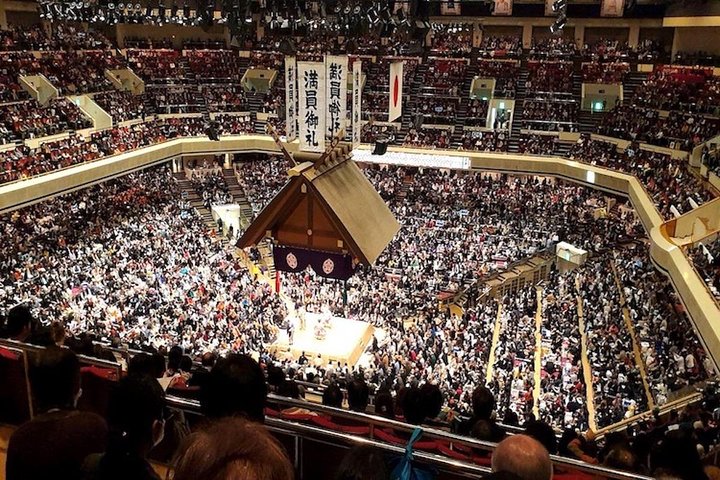
Staying near the Edo-Tokyo Museum means you’re in Ryogoku territory—a neighborhood that’s often overlooked by tourists but beloved by locals and backpackers who want to skip the flashy chaos of Shinjuku or Shibuya. It’s safe, quiet, and packed with character. You’ll find affordable guesthouses and capsule hotels that attract solo travelers looking to connect without the tourist trap vibe. The area pulses with sumo culture, old-school eateries, and riverside parks where you can unwind after museum hours. It’s not about flashy nightlife, but the social scene here is genuine—think local bars where … read more 👉
Staying near the Edo-Tokyo Museum means you’re in Ryogoku territory—a neighborhood that’s often overlooked by tourists but beloved by locals and backpackers who want to skip the flashy chaos of Shinjuku or Shibuya. It’s safe, quiet, and packed with character. You’ll find affordable guesthouses and capsule hotels that attract solo travelers looking to connect without the tourist trap vibe. The area pulses with sumo culture, old-school eateries, and riverside parks where you can unwind after museum hours. It’s not about flashy nightlife, but the social scene here is genuine—think local bars where you can swap stories with salarymen and fellow backpackers alike. This is Tokyo’s working-class soul, and it’s worth every yen.

👛 Costs (as of 15 October 2026)What things cost and how to budget

The entrance fee for the Edo-Tokyo Museum is typically around USD6 for adults, with discounts for seniors, students, and children. Additional costs may include audio guides or special exhibition fees, which can add a few extra dollars. Overall, expect to spend between USD6 and USD10 for a full visit.

source: edo-tokyo-museum.or.jp
⚠️ Prices can change and everyone travels differently, so take this as a rough guide. Hope it helps you plan your adventure!

FAQFrequently asked questions about Edo-Tokyo Museum

2 to 3 hours is sufficient to explore the Edo-Tokyo Museum thoroughly. This allows time to view the detailed exhibits and the large-scale models of Edo and Tokyo. Allocate extra time if you want to join guided tours or watch special exhibitions.
Yes, the Edo-Tokyo Museum is worth the entrance fee of around 600 yen for adults. It offers a unique insight into Tokyo's history from the Edo period to modern times with well-preserved artifacts and interactive displays. The value is high for history enthusiasts and cultural explorers.
Take the JR Sobu Line to Ryogoku Station, which is a 3-minute walk from the museum. Alternatively, the Toei Oedo Subway Line also stops at Ryogoku Station. The museum is located in the Ryogoku district, easily accessible from central Tokyo.
⚠️ Things can change over time, so always validate details locally before you go.

Other Japanese attractions near Edo-Tokyo Museum

Explore more nearby:

  • Tokyo Skytree—observation decks, futuristic design, city skyline| 2 km away
  • Senso-ji—giant lantern, incense smoke, bustling temple market| 2 km away
  • Tokyo National Museum—ancient artifacts, samurai treasures, rotating exhibitions| 3 km away

💡 Not sure where to go next?
Create a personalized itinerary for Japan including Edo-Tokyo Museum and the places that fit your trip.

Generate my itinerary

👉 Discover all attractions

Or checkout all Japan has to offer (think cities, towns, villages, national parks, hikes, beaches, festivals)
Country photo of Japan

We 💚 feedbackFinal thoughts on visiting Edo-Tokyo Museum

The Edo-Tokyo Museum isn’t your typical flashy tourist spot—it’s a deep dive into Tokyo’s gritty past with life-sized models that actually make history feel alive. But heads up: it can get packed, especially on weekends, so plan your visit early to avoid feeling like you’re stuck in a school field trip.

✈️ When did I visit Japan?
As part of my 1.5 year travel around the world trip, I visited Japan in August 2015.

✍️ Help improve this page!
The information on this page is based on my own backpacking experience in Japan, supplemented with up-to-date research and feedback from other travelers. Travel details can change, so if you notice anything outdated or incomplete, feel free to let me know.


🙋‍♂️ Give feedback

👋 Meet the founderWho’s Behind Take Your Backpack?

Johan, backpacker and founder of TakeYourBackpackHi, I’m Johan (Netherlands 🇳🇱), the creator of TakeYourBackpack. Over the past 3 decades, I’ve backpacked through 90+ countries across six continents, gaining extensive experience with independent travel, long-term trips, and overland routes.

This site is built on a combination of firsthand travel experience and carefully curated insights from other backpackers. Many guides are based on places I’ve personally visited, while others bring together tips, observations, and practical advice shared by trusted travelers I’ve met along the way.

The goal is to provide realistic, experience-driven guidance — not generic itineraries — so you can explore destinations with better context, clearer expectations, and more confidence.