×
Tokyo National Museum

Japan🇯🇵 | attractionsTokyo National Museumancient artifacts, samurai treasures, rotating exhibitions | things to do and best time to go

Explore TsumagoExplore Okinawa Churaumi Aquarium

Backpacking in Tokyo National Museum
👍 Recommendedattraction ranked #12
By Johan Kruseman 🇳🇱 | Updated October 15, 2026

You’re standing in front of a samurai’s battered helmet, glass barely muting the metallic tang in the air, when a school group barrels past—half in awe, half bored, sneakers squeaking on polished floors. That’s the Tokyo National Museum: a collision of reverence and reality, tucked inside Ueno Park in the heart of Tokyo, Japan’s sprawling, electric capital. Here’s the straight deal: If you’re backpacking Japan for neon chaos or wild street food, this isn’t your adrenaline fix. But if you want to see the real bones of Japanese history—ancient swords, Buddhist statues, scrolls older than most countries—this place delivers, no filter. Yes, it’s crowded, especially on weekends, and yes, the entry fee stings a bit more than ramen money, but you get a front-row seat to centuries of culture for less than a Tokyo cocktail. Compared to Kyoto’s temples or Osaka’s markets, the vibe is quieter, more contemplative—less Instagram, more inner monologue. Worth it? If you crave context, absolutely.

Discover everything you want to know in the 📖 Japan Travel Guide.


example page 0 from our offline Travel Guide for Japan
example page 1 from our offline Travel Guide for Japan
example page 2 from our offline Travel Guide for Japan
example page 3 from our offline Travel Guide for Japan
example page 4 from our offline Travel Guide for Japan
example page 5 from our offline Travel Guide for Japan
example page 6 from our offline Travel Guide for Japan
example page 7 from our offline Travel Guide for Japan
Loading the map 🌍
CLICK TO FILTER
cities
towns
villages
landmarks
national parks
hikes
beaches
attractions
festivals
regions
SHOW COUNTRY’S BESTSHOW ALL

✨ Why go?
Ranked #12 attraction in Japan
Reasons people choose to visit here

The Tokyo National Museum is not just another stop on the tourist conveyor belt—it’s a heavyweight in Japan’s cultural arena. Sure, it’s crowded, especially on weekends, and the entrance fee isn’t dirt cheap compared to street food stalls, but this place packs a punch that justifies every yen. You’re stepping into Japan’s oldest and largest museum, where centuries of samurai armor, delicate ceramics, and ancient scrolls aren’t just displayed—they’re alive with stories that shaped the nation.

Backpackers who carve out time here aren’t just ticking a box; they’re diving deep into Japan’s soul. The museum’s sprawling galleries offer a rare chance to see artifacts that span from prehistoric Jomon pottery to Edo-period paintings, all under one roof. It’s a cultural milestone that anchors your … read more 👉
The Tokyo National Museum is not just another stop on the tourist conveyor belt—it’s a heavyweight in Japan’s cultural arena. Sure, it’s crowded, especially on weekends, and the entrance fee isn’t dirt cheap compared to street food stalls, but this place packs a punch that justifies every yen. You’re stepping into Japan’s oldest and largest museum, where centuries of samurai armor, delicate ceramics, and ancient scrolls aren’t just displayed—they’re alive with stories that shaped the nation.

Backpackers who carve out time here aren’t just ticking a box; they’re diving deep into Japan’s soul. The museum’s sprawling galleries offer a rare chance to see artifacts that span from prehistoric Jomon pottery to Edo-period paintings, all under one roof. It’s a cultural milestone that anchors your journey, giving context to the temples, shrines, and neon chaos you’ll encounter elsewhere.

Yes, it’s a bit of an effort to navigate the crowds and absorb the sheer volume of history, but the payoff is a richer, more textured understanding of Japan. This isn’t just a museum visit—it’s a masterclass in why Japan’s past still pulses through its present.

💡 HighlightsKey sights and experiences for travelers

1. The Honkan (Japanese Gallery):
Let’s get real: most people come for the samurai armor and ancient swords, and the Honkan delivers—no filter needed. This is the main building, and it’s a crash course in Japanese art and history, minus the sugar-coating. You’ll see everything from Jomon pottery that predates the pyramids to Edo-period screens that look like they could swallow you whole. The armor isn’t just for show; you can practically smell the lacquer and imagine the sweat of the warriors who wore it. The Honkan is the museum’s backbone, and it’s the antidote to every generic “Japanese culture” post you’ve ever scrolled past.


2. The Gallery of Horyuji Treasures:
Here’s where the crowds thin out and the real magic kicks in. This modern annex holds relics from Horyuji Temple—think 7th-century … read more 👉
1. The Honkan (Japanese Gallery):
Let’s get real: most people come for the samurai armor and ancient swords, and the Honkan delivers—no filter needed. This is the main building, and it’s a crash course in Japanese art and history, minus the sugar-coating. You’ll see everything from Jomon pottery that predates the pyramids to Edo-period screens that look like they could swallow you whole. The armor isn’t just for show; you can practically smell the lacquer and imagine the sweat of the warriors who wore it. The Honkan is the museum’s backbone, and it’s the antidote to every generic “Japanese culture” post you’ve ever scrolled past.


2. The Gallery of Horyuji Treasures:
Here’s where the crowds thin out and the real magic kicks in. This modern annex holds relics from Horyuji Temple—think 7th-century Buddhist statues, gilt bronze halos, and ritual implements that look like they were forged for gods, not tourists. The lighting is clinical, the labels are blunt, and the vibe is almost reverent. You won’t find selfie sticks here; you’ll find silence and, if you’re lucky, a little awe. If you want to feel the weight of centuries, this is your spot.


3. The Heiseikan (Special Exhibitions):
This is the wild card. The Heiseikan hosts blockbuster exhibitions—sometimes it’s ancient Chinese bronzes, sometimes it’s a deep dive into samurai culture, sometimes it’s a parade of ukiyo-e prints that would make any art snob drool. Yes, it can get crowded, and yes, tickets for the big shows cost extra, but when the curation is on point, it’s worth every yen. If you time it right, you’ll see pieces that rarely leave their vaults, and you’ll walk out feeling like you’ve just time-traveled.


4. The Hyokeikan:
This one’s for the architecture nerds and anyone who likes their museums with a side of drama. The Hyokeikan is a Meiji-era building that looks like it was airlifted from Europe and dropped in Ueno Park. Marble columns, stained glass, and a dome that makes you want to look up until your neck hurts. It’s not always open, but when it is, the exhibitions inside are usually as bold as the building itself. Even empty, it’s a reminder that Tokyo’s history is anything but one-note.


5. The Outdoor Spaces (Personal Favorite):
Here’s the secret sauce: the museum’s gardens and courtyards are where you escape the tour groups and breathe. There’s a teahouse that sometimes opens for matcha, and in spring, the cherry blossoms turn the whole place into a fever dream. I’ve spent hours here, sketching, people-watching, or just letting the city noise fade. It’s the side of Tokyo National Museum you won’t see on Instagram, and it’s the one I keep coming back for.
Spotted a mistake or missing something? Contact us.

Things to do around Tokyo National Museum

Ratings based on Tripadvisor reviews. When you book through this link, you support our work at no extra cost to you.

🌤️ When to go?Choosing the right time of year

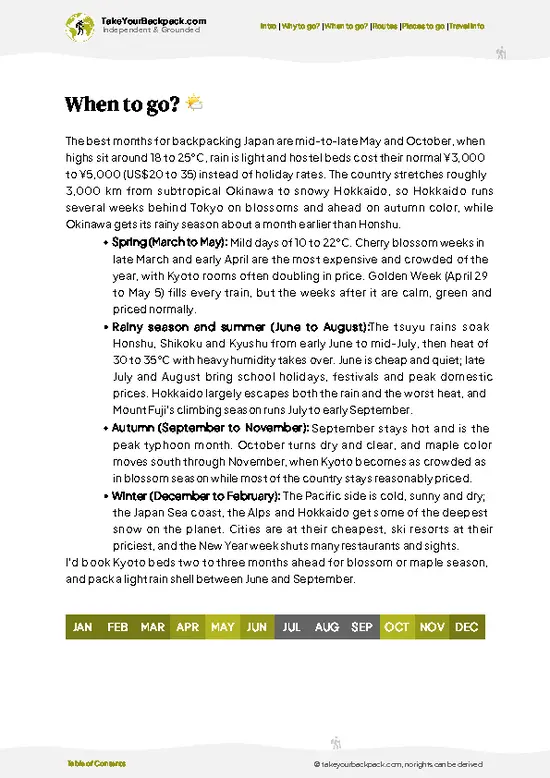
  • Weather & Temperature: Tokyo swings from chilly winters around 5°C (41°F) in January to hot, humid summers hitting 30°C (86°F) in August. Spring (March to May) and autumn (September to November) offer the most comfortable temps, usually between 15-22°C (59-72°F), perfect for wandering museum grounds without sweating or shivering.
  • Daylight Hours: In spring and autumn, daylight stretches roughly from 6 AM to 6 PM, giving you ample time to explore without rushing. Winter days are shorter, with darkness by 4:30 PM, which can cramp your museum schedule.
  • Crowds: The museum gets slammed during Golden Week (late April to early May) and cherry blossom season (late March to early April). Weekends are busier year-round. Aim for weekdays in late autumn or early spring to dodge the selfie mobs.
  • Seasonal
… read more 👉
  • Weather & Temperature: Tokyo swings from chilly winters around 5°C (41°F) in January to hot, humid summers hitting 30°C (86°F) in August. Spring (March to May) and autumn (September to November) offer the most comfortable temps, usually between 15-22°C (59-72°F), perfect for wandering museum grounds without sweating or shivering.
  • Daylight Hours: In spring and autumn, daylight stretches roughly from 6 AM to 6 PM, giving you ample time to explore without rushing. Winter days are shorter, with darkness by 4:30 PM, which can cramp your museum schedule.
  • Crowds: The museum gets slammed during Golden Week (late April to early May) and cherry blossom season (late March to early April). Weekends are busier year-round. Aim for weekdays in late autumn or early spring to dodge the selfie mobs.
  • Seasonal Activities: Special exhibitions often drop in spring and autumn, aligning with cultural festivals. These add real depth beyond the permanent collection, but also spike visitor numbers.
  • Price Fluctuations: Entry fees stay steady year-round, but combo tickets with special exhibits can hike costs by 20-30%. Avoid peak tourist seasons if you want to keep spending lean.

Pro-tip: Hit the Tokyo National Museum on a weekday morning in late October—cool air, fewer crowds, and a chance to catch seasonal exhibits without the tourist circus.


source: climatestotravel.comJANJanuary: good for travelingFEBFebruary: good for travelingMARMarch: highly recommended for travelingAPRApril: good for travelingMAYMay: fair for travelingJUNJune: good for travelingJULJuly: fair for travelingAUGAugust: below average for travelingSEPSeptember: highly recommended for travelingOCTOctober: excellent for travelingNOVNovember: highly recommended for travelingDECDecember: good for traveling
Japan - Tokyo National Museum

✈️ The backpacker research shortcutJapan Travel Guide

An offline-friendly backpacking guide with optimized travel routes, ranked highlights, transport advice, and the best areas to stay.
example page 0 from our offline Travel Guide for Japan
example page 1 from our offline Travel Guide for Japan
example page 2 from our offline Travel Guide for Japan
example page 3 from our offline Travel Guide for Japan
example page 4 from our offline Travel Guide for Japan
example page 5 from our offline Travel Guide for Japan
example page 6 from our offline Travel Guide for Japan
example page 7 from our offline Travel Guide for Japan
The digital guide (475 pages) contains:
✅ 139 highlights, ranked by travel appeal
✅ Optimized 7, 14 & 21-day travel routes
✅ Cities, national parks, landmarks, beaches
✅ How to get around
✅ Offline-friendly for travel without Wi-Fi
👉 Click to see all 30+ guide features

📅 Plan smarter in minutes, not weeks
✅ Month by month travel advice
✅ Festivals & national holidays
✅ Budget expectations

🗺️ Go to the right places, skip the overrated ones
✅ Honest pros & cons of destinations
✅ Top hikes, parks & viewpoints
✅ Lesser-known places most travelers miss
✅ Clear “worth it vs skip it” guidance

🛏️ Travel smoothly without rookie mistakes
✅ Best areas to stay
✅ Transport systems explained simply
✅ Common scams & safety advice
✅ SIM cards, money & practical tips

🌍 Understand the country, not just visit it
✅ Culture & traditions
✅ 52 Essential phrases & customs
✅ Festivals worth planning around
✅ Traveler-friendly historical context
✅ Insights that make places more meaningful

📱 Built for real travel conditions
✅ Fully downloadable PDF
✅ Works completely offline
✅ Optimized for phone use
✅ Useful in remote areas & buses
✅ Everything in one place
Stop searching, start planning
Get instant access to your full guide. 30‑day money-back guarantee.
+ Add another guide for just

By proceeding you agree to our terms.
Sent to your inbox immediately after payment • 100% Secure Checkout
Best Backpacking Travel Advisor 2025 tourism awardBest Backpacking
Travel Advisor
2025
What others say about Take Your Backpack Guides:
⭐⭐⭐⭐⭐
Fantastic, amazing amount of information!
⭐⭐⭐⭐⭐
My goodness this is amazing, it's what I've been looking for hats off too you!
⭐⭐⭐⭐⭐
I think this is absolutely BRILLIANT
⭐⭐⭐⭐
Very complete and informative. It's still missing places, but I gotta to commend you
⭐⭐⭐⭐⭐
This is truly amazing, thank you, can't wait to explore it with my kids!
⭐⭐⭐⭐⭐
Awesome resource, thank you!
⭐⭐⭐⭐⭐
This is amazing! Can't wait to explore the ones I haven't seen
⭐⭐⭐⭐
I love this! Well done, great idea.
⭐⭐⭐⭐⭐
Thanks for taking the time to make this gem!
⭐⭐⭐⭐⭐
This might be the best website I've ever seen.
⭐⭐⭐⭐⭐
Congratulations, and thank you so much for your work; it's incredibly valuable.
⭐⭐⭐⭐
In all seriousness I think you did a great job pointing out the important spots
⭐⭐⭐⭐⭐
10/10 very good
⭐⭐⭐⭐⭐
As someone who's only just starting to visit regularly this is awesome, thank you.
⭐⭐⭐⭐
Thank you very much! I'm going to visit my dad, it's going to be very useful!
⭐⭐⭐⭐⭐
This is really cool! We'll be travelling for the first time and this definitely come in handy.
⭐⭐⭐⭐⭐
You are now our minister of culture, congratulations 👨‍💼
⭐⭐⭐⭐⭐
Just wanted to tell you that this is a pearl! Going to follow your recommendations.
⭐⭐⭐⭐⭐
This is so cool. I'll definitely be using the resource for my travels soon.
⭐⭐⭐⭐⭐
This is very impressive! Good work.
⭐⭐⭐⭐⭐
This is an amazing and informative site. Very well done!

🛏️ Where to stay?Where staying makes the most sense

If you’re hitting the Tokyo National Museum, don’t kid yourself—Ueno is the obvious spot to crash. It’s not some quiet, tucked-away neighborhood; it’s a bustling hub where locals and backpackers collide. Yes, it gets crowded, especially on weekends and holidays, but that’s part of the deal. You’re in the thick of Tokyo’s cultural heartbeat, with street food stalls, lively parks, and cheap eats that actually taste good.

For solo travelers, Ueno offers a safe vibe without the sterile feel of tourist traps. You’ll find plenty of social spots—think cozy izakayas and casual bars where striking up … read more 👉
If you’re hitting the Tokyo National Museum, don’t kid yourself—Ueno is the obvious spot to crash. It’s not some quiet, tucked-away neighborhood; it’s a bustling hub where locals and backpackers collide. Yes, it gets crowded, especially on weekends and holidays, but that’s part of the deal. You’re in the thick of Tokyo’s cultural heartbeat, with street food stalls, lively parks, and cheap eats that actually taste good.

For solo travelers, Ueno offers a safe vibe without the sterile feel of tourist traps. You’ll find plenty of social spots—think cozy izakayas and casual bars where striking up a conversation isn’t a chore. Plus, the transport links here are killer, so you can bounce around Tokyo without wasting time or cash. It’s not glamorous, but it’s real, and that’s what makes it worth your stay.

👛 Costs (as of 15 October 2026)What things cost and how to budget

As of the latest information, the Tokyo National Museum charges an admission fee of ¥1,000 for adults and ¥500 for university students. Admission is free for high school students and younger, as well as for visitors over 70 years old. Special exhibitions require a separate ticket, which also grants access to the regular exhibitions on the same day. For the most current information, please refer to the museum's official website.

source: tnm.jp
⚠️ Prices can change and everyone travels differently, so take this as a rough guide. Hope it helps you plan your adventure!

FAQCommon questions from travelers

3 to 4 hours is sufficient to explore the main exhibits at Tokyo National Museum. The museum houses over 110,000 items, so more time is needed if you want to see everything in detail. Plan accordingly if you want to visit special exhibitions, which may require additional time.
Yes, Tokyo National Museum is worth the entrance fee of around 1,000 yen for adults. It offers a comprehensive collection of Japanese art and antiquities, including samurai armor, ceramics, and ancient scrolls. The quality and historical significance of the exhibits justify the cost.
Take the JR Yamanote Line or Keihin-Tohoku Line to Ueno Station, then walk about 10 minutes to the museum. Alternatively, use the Tokyo Metro Ginza or Hibiya Line to Ueno Station for easy access. The museum is located in Ueno Park, which is well-signposted.
⚠️ Things can change over time, so always validate details locally before you go.

Other Japanese attractions near Tokyo National Museum

Explore more nearby:

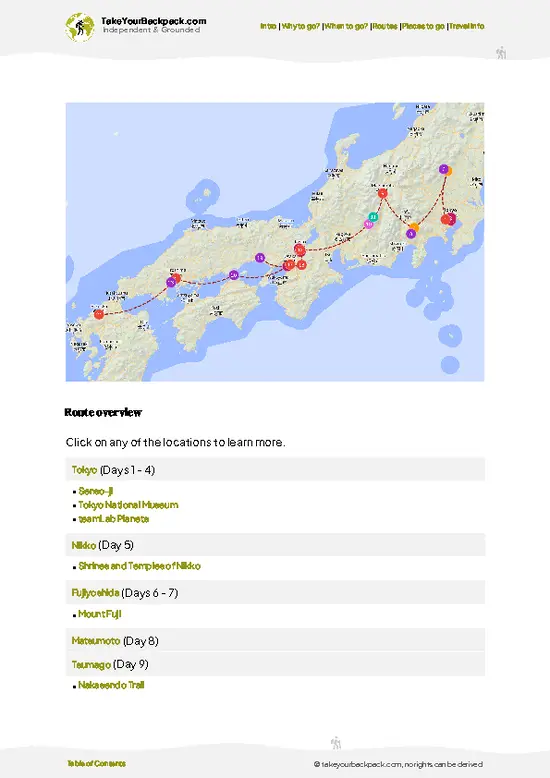
  • Senso-ji—giant lantern, incense smoke, bustling temple market| 2 km away
  • Edo-Tokyo Museum—urban history, reconstructed streets, interactive exhibits| 3 km away
  • Tokyo Skytree—observation decks, futuristic design, city skyline| 3 km away

💡 Not sure where to go next?
Create a personalized itinerary for Japan including Tokyo National Museum and the places that fit your trip.

Generate my itinerary

👉 Discover all attractions

Or checkout all Japan has to offer (think cities, towns, villages, national parks, hikes, beaches, festivals)
Country photo of Japan

We 💚 feedbackFinal thoughts on visiting Tokyo National Museum

The Tokyo National Museum isn’t your average museum—it’s a deep dive into Japan’s soul, packed with artifacts that tell stories no Instagram post can capture. But heads up: it gets crowded, especially on weekends, and the sheer size can overwhelm first-timers. If you’re ready to slow down and soak in centuries of history without rushing, this place rewards you with a perspective on Japan that’s rare and real.

✈️ When did I visit Japan?
As part of my 1.5 year travel around the world trip, I visited Japan in August 2015.

✍️ Help improve this page!
The information on this page is based on my own backpacking experience in Japan, supplemented with up-to-date research and feedback from other travelers. Travel details can change, so if you notice anything outdated or incomplete, feel free to let me know.


🙋‍♂️ Give feedback

👋 Meet the founderWho’s Behind Take Your Backpack?

Johan, backpacker and founder of TakeYourBackpackHi, I’m Johan (Netherlands 🇳🇱), the creator of TakeYourBackpack. Over the past 3 decades, I’ve backpacked through 90+ countries across six continents, gaining extensive experience with independent travel, long-term trips, and overland routes.

This site is built on a combination of firsthand travel experience and carefully curated insights from other backpackers. Many guides are based on places I’ve personally visited, while others bring together tips, observations, and practical advice shared by trusted travelers I’ve met along the way.

The goal is to provide realistic, experience-driven guidance — not generic itineraries — so you can explore destinations with better context, clearer expectations, and more confidence.