v2.webp)
Atomic Bomb Dome (Genbaku Dome)
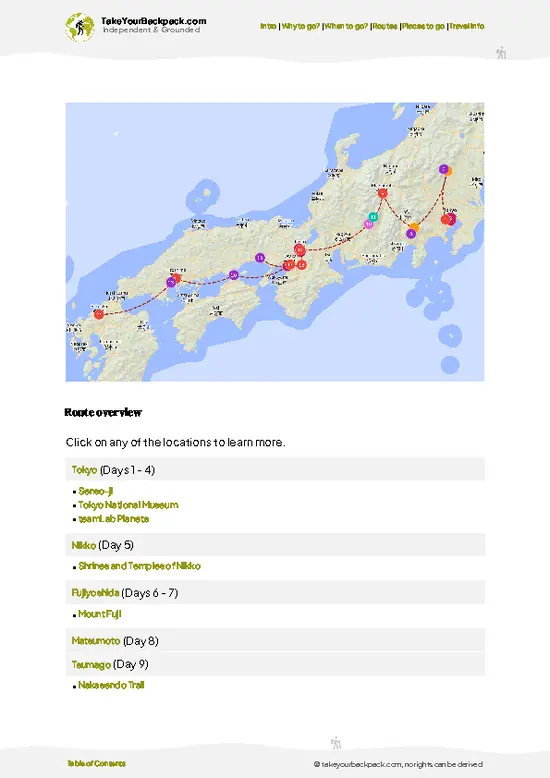
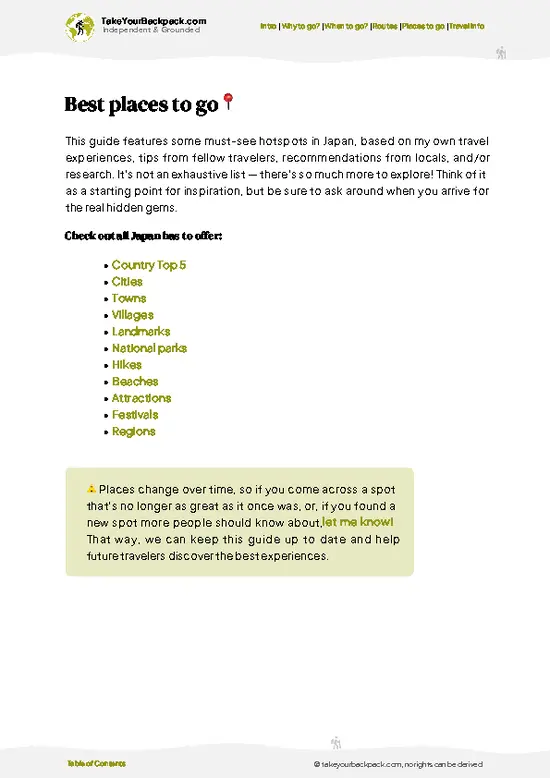
Let’s get real: you’ll see crowds with selfie sticks, but the Dome is the raw, unfiltered core of Hiroshima’s story. This skeletal ruin isn’t just a backdrop for social media. It’s the only structure left standing near the bomb’s hypocenter, and it radiates a gravity that no photo can capture. Stand here and the noise of the city fades. You feel the weight of history in your bones.
Personal Artifacts Display
This is where the museum punches through the abstract and lands a gut-check. Charred lunchboxes, melted glass bottles, a tricycle twisted by heat—these aren’t props. They’re the everyday lives of children and families, frozen at the moment everything changed. You’ll see crowds, but you’ll also see people quietly crying. It’s impossible to walk away unmoved. … read more 👉
Let’s get real: you’ll see crowds with selfie sticks, but the Dome is the raw, unfiltered core of Hiroshima’s story. This skeletal ruin isn’t just a backdrop for social media. It’s the only structure left standing near the bomb’s hypocenter, and it radiates a gravity that no photo can capture. Stand here and the noise of the city fades. You feel the weight of history in your bones.
Personal Artifacts Display
This is where the museum punches through the abstract and lands a gut-check. Charred lunchboxes, melted glass bottles, a tricycle twisted by heat—these aren’t props. They’re the everyday lives of children and families, frozen at the moment everything changed. You’ll see crowds, but you’ll also see people quietly crying. It’s impossible to walk away unmoved. … read more 👉
Atomic Bomb Dome (Genbaku Dome)
Let’s get real: you’ll see crowds with selfie sticks, but the Dome is the raw, unfiltered core of Hiroshima’s story. This skeletal ruin isn’t just a backdrop for social media. It’s the only structure left standing near the bomb’s hypocenter, and it radiates a gravity that no photo can capture. Stand here and the noise of the city fades. You feel the weight of history in your bones.
Personal Artifacts Display
This is where the museum punches through the abstract and lands a gut-check. Charred lunchboxes, melted glass bottles, a tricycle twisted by heat—these aren’t props. They’re the everyday lives of children and families, frozen at the moment everything changed. You’ll see crowds, but you’ll also see people quietly crying. It’s impossible to walk away unmoved.
Survivor Testimonies (Video Booths & Audio Stations)
Forget the glossy documentaries. Here, you get the voices of hibakusha—atomic bomb survivors—telling their stories in their own words. No filters, no sugarcoating. The pain, resilience, and sometimes even humor cut through any language barrier. If you want to understand Hiroshima beyond statistics, this is where it happens.
Before-and-After Panoramas
The museum’s panoramic photos are a slap of reality. Hiroshima before the bomb: bustling, ordinary, alive. After: a wasteland. The contrast is so stark it almost feels fictional. It’s a visual jolt that makes the scale of destruction—and the city’s rebirth—impossible to ignore.
Children’s Peace Drawings
My personal favorite. These aren’t just cute sketches. They’re messages from kids around the world, responding to Hiroshima’s story with hope, anger, and dreams of peace. It’s a reminder that the museum isn’t just about the past—it’s a living call for a better future, seen through the eyes of those who’ll inherit it.
Let’s get real: you’ll see crowds with selfie sticks, but the Dome is the raw, unfiltered core of Hiroshima’s story. This skeletal ruin isn’t just a backdrop for social media. It’s the only structure left standing near the bomb’s hypocenter, and it radiates a gravity that no photo can capture. Stand here and the noise of the city fades. You feel the weight of history in your bones.
Personal Artifacts Display
This is where the museum punches through the abstract and lands a gut-check. Charred lunchboxes, melted glass bottles, a tricycle twisted by heat—these aren’t props. They’re the everyday lives of children and families, frozen at the moment everything changed. You’ll see crowds, but you’ll also see people quietly crying. It’s impossible to walk away unmoved.
Survivor Testimonies (Video Booths & Audio Stations)
Forget the glossy documentaries. Here, you get the voices of hibakusha—atomic bomb survivors—telling their stories in their own words. No filters, no sugarcoating. The pain, resilience, and sometimes even humor cut through any language barrier. If you want to understand Hiroshima beyond statistics, this is where it happens.
Before-and-After Panoramas
The museum’s panoramic photos are a slap of reality. Hiroshima before the bomb: bustling, ordinary, alive. After: a wasteland. The contrast is so stark it almost feels fictional. It’s a visual jolt that makes the scale of destruction—and the city’s rebirth—impossible to ignore.
Children’s Peace Drawings
My personal favorite. These aren’t just cute sketches. They’re messages from kids around the world, responding to Hiroshima’s story with hope, anger, and dreams of peace. It’s a reminder that the museum isn’t just about the past—it’s a living call for a better future, seen through the eyes of those who’ll inherit it.
Spotted a mistake or missing something? Contact us.

Calligraphy Workshop at Traditional Folk Craft Shop in Hiroshima

Private Hiroshima Peace Memorial & City Tour with Local Guide

Miyajima Sea Pilgrimage to Itsukushima Shrine Oyster Farm Visit

Hiroshima & Miyajima: UNESCO A-Bomb Dome & Itsukushima with Local

Private Miyajima: Itsukushima Shrine, Island Nature & Local Guide

Hiroshima Group Walking Tour With Local Guide

Mitaki Peace Tour Beyond Central Hiroshima

Hiroshima Peace Memorial Park Historical Walking tour

Hiroshima Private 4-Hour Tour: Peace Memorial Park & A-Bomb Dome


 Best Backpacking
.jpg) Hi, I’m Johan (Netherlands 🇳🇱), the creator of TakeYourBackpack. Over the past 3 decades, I’ve backpacked through 90+ countries across six continents, gaining extensive experience with independent travel, long-term trips, and overland routes.
Hi, I’m Johan (Netherlands 🇳🇱), the creator of TakeYourBackpack. Over the past 3 decades, I’ve backpacked through 90+ countries across six continents, gaining extensive experience with independent travel, long-term trips, and overland routes.